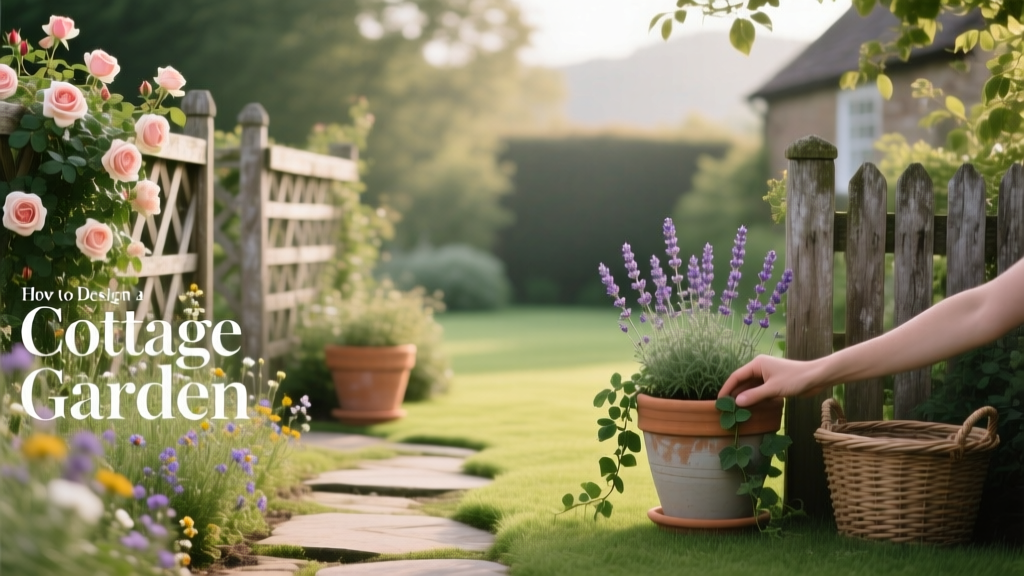
How to Design a Cottage Garden - The Decor Mag
A cottage garden is more than a planting style—it’s a mood. It turns an ordinary yard into an outdoor living space that feels welcoming, layered, and alive, with color and fragrance drifting across the patio and pathways. For homeowners, that’s the real payoff: a garden that softens hardscapes, makes a small space feel expansive, and encourages you to spend more time outdoors—morning coffee on the patio, evening chats under string lights, and weekends that feel a little more like a getaway.
Unlike highly manicured landscapes, cottage garden design embraces abundance. It blends perennials, shrubs, herbs, and self-seeding annuals in a way that looks effortless—yet it’s still guided by smart layout choices, climate-appropriate plants, and practical maintenance. When done well, a cottage garden is a year-round outdoor feature with seasonal highlights: spring bulbs, summer blooms, fall texture, and winter structure.
This guide breaks down how to design a cottage garden that fits your home, complements your patio living area, and stays beautiful without becoming overwhelming to maintain.
What Makes a Garden “Cottage Style”?
Cottage gardens are known for a romantic, informal look—dense planting, curved paths, and a mix of ornamental and edible plants. The best cottage gardens still have a clear framework so the “wild” feels intentional.
Core design elements
- Layered planting: low edging plants, mid-height bloomers, and taller anchors behind.
- Soft boundaries: picket fences, hedges, climbing roses, arbors, and trellises.
- Continuous bloom: plants chosen for staggered flowering from early spring through fall.
- Texture and fragrance: herbs, old-fashioned flowers, and foliage contrast.
- Charm in the details: vintage containers, birdbaths, bistro sets, and path lighting.
Start With the Layout: Structure Before Flowers
A common mistake is planting first and planning later. A successful cottage garden begins with a simple structure that organizes the abundance—especially if you’re designing around a patio, deck, or outdoor kitchen.
Step-by-step planning approach
- Map sun and shade: note areas with 6+ hours of sun, partial shade, and deep shade.
- Identify outdoor living zones: dining patio, lounge area, fire pit, grilling, or a quiet bench nook.
- Set circulation: add one main path (36–48 inches wide) plus smaller secondary paths (24–30 inches).
- Create “rooms” with hedges or trellises: even a small yard benefits from visual separation.
- Place anchors: small trees, shrubs, arbors, or obelisks to give the garden year-round bones.
Great cottage garden layouts for real homes
- Border + patio combo: deep planting beds (4–8 feet) around a patio to soften edges and boost privacy.
- Path-to-a-destination: a winding walkway leading to a bench, fountain, or bistro set.
- Cottage courtyard: a small paved terrace framed by pots, climbing vines, and layered beds.
- Edible-ornamental mix: raised beds or in-ground rows integrated with flowers for a lived-in, productive look.
Hardscaping & Materials: The Cottage Garden Backbone
Hardscape materials set the tone and make the garden usable. For patio living, prioritize comfortable footing, drainage, and surfaces that age well.
Best materials for paths and patios
- Tumbled stone pavers: classic, forgiving, and cottage-appropriate; great for patios and garden seating areas.
- Brick (reclaimed or tumbled): timeless for walkways and small patios; pairs beautifully with flowering borders.
- Natural flagstone: ideal for a more organic, irregular look; use polymeric sand or gravel joints.
- Pea gravel paths: affordable and charming; add steel or stone edging to keep it crisp.
- Mulched paths: budget-friendly for secondary routes; refresh annually.
Edging and bed definition (the secret to “intentional”)
- Steel edging: thin, modern-invisible line that keeps gravel and mulch tidy.
- Brick soldier course: traditional cottage feel with strong structure.
- Stone edging: excellent for sloped yards and a naturalistic finish.
Budget ranges for hardscape upgrades
- DIY gravel path: $4–$10 per sq. ft. (materials vary by region).
- Brick or concrete paver patio (installed): $18–$35 per sq. ft.
- Natural stone patio (installed): $25–$60+ per sq. ft.
- Simple arbor or trellis: $150–$900 depending on material and size.
Planting Design: Choose a Palette That Blooms for Months
Cottage gardens look lush because they’re planted densely and thoughtfully. Aim for a mix of “repeat performers,” romantic classics, and long-season foliage plants.
Build your planting layers
- Front edge (6–18 inches): low mounding plants to soften paths and borders.
- Middle layer (18–36 inches): the main bloom layer for color and repeat flowering.
- Back layer (36–72 inches): tall perennials, ornamental grasses, and flowering shrubs for depth.
- Vertical accents: climbers on trellises, obelisks, fences, and pergolas.
Cottage garden plant suggestions (by role)
Reliable perennials for long bloom
- Salvia (Salvia nemorosa): deep color, pollinator magnet, drought-tolerant once established.
- Nepeta (catmint): soft haze of purple-blue; great border plant for paths and patios.
- Coreopsis: sunny and long-flowering.
- Echinacea (coneflower): summer color and winter seed heads for birds.
- Geranium ‘Rozanne’: extended bloom and spills beautifully at bed edges.
Old-fashioned favorites (for classic cottage charm)
- Hollyhocks: tall, nostalgic; best against fences or walls.
- Peonies: spring showstoppers with lush foliage afterward.
- Delphiniums: dramatic vertical spikes (stake in windy areas).
- Foxglove: cottage icon; many types self-seed (confirm toxicity if you have pets/kids).
- Shasta daisies: bright, easy, and classic.
Fragrant plants near patios and seating
- Lavender: sun-loving, drought-tolerant, perfect along walkways.
- Roses (shrub roses or climbers): choose disease-resistant varieties for easier care.
- Dianthus: spicy fragrance and compact form.
- Herbs: thyme, rosemary (warm climates), basil, chives—place near outdoor kitchens for convenience.
Shrubs and small trees for year-round structure
- Hydrangea: big summer impact; match type to your climate and sun exposure.
- Boxwood alternatives: inkberry holly, dwarf yaupon (warmer climates), or compact arborvitae for evergreen form.
- Serviceberry: multi-season interest—spring flowers, summer berries, fall color.
- Witch hazel: winter blooms in many regions.
Climbers for fences, arbors, and pergolas
- Clematis: pairs beautifully with roses and trellises.
- Climbing roses: romantic and architectural; ensure sturdy support.
- Honeysuckle (non-invasive varieties): fragrance and pollinators.
A simple cottage color strategy
Too many colors can read chaotic. Choose a base palette and add accents:
- Soft romantic: blush, lavender, white, pale yellow (roses, catmint, phlox, daisies).
- Bold cottage: magenta, cobalt, orange accents (salvia, echinacea, delphinium, dahlias).
- Modern cottage: white + green with occasional deep purple (white hydrangea, white roses, alliums, dark foliage).
Designing Around Patios and Outdoor Living Spaces
Cottage garden landscaping should enhance how you use your yard. The goal: lush borders that frame a patio without swallowing it.
Furniture recommendations that suit cottage style
- Bistro set (metal or teak): perfect for small patios tucked into blooms.
- All-weather wicker lounge seating: cozy texture; choose neutral cushions that won’t compete with flowers.
- Teak bench: classic under an arbor, beside a path, or at the end of the garden.
- Painted wood accents: small side tables in soft sage, cream, or black add charm (seal for weather).
Material pairings that look intentional
- Brick patio + galvanized planters: warm and timeless.
- Flagstone + cedar pergola: natural, relaxed, and durable.
- Gravel courtyard + black steel edging: crisp, low-maintenance cottage look.
Comfort and year-round patio living
- Shade: pergola with climbing vines, a market umbrella, or a small shade tree placed to cool afternoon sun.
- Lighting: warm string lights on a pergola, low-voltage path lights, and solar lanterns for glow.
- Heat: tabletop fire bowl or a compact fire pit for shoulder-season evenings (confirm local codes).
- Wind control: taller shrubs or a trellis screen to make seating areas more comfortable.
Climate-Smart Cottage Gardening: Design for Where You Live
Cottage gardens thrive when plant choices match your climate, not just your inspiration photos. Use local garden center labels and your USDA hardiness zone as a guide.
Hot, dry, or drought-prone climates
- Prioritize lavender, salvia, yarrow, catmint, rosemary (where hardy), and ornamental grasses.
- Use drip irrigation under mulch to reduce water waste.
- Choose gravel mulch in very arid areas for better heat and moisture management.
Humid or rainy climates
- Select disease-resistant roses and provide airflow with smart spacing.
- Avoid overfertilizing (soft growth attracts pests and fungus).
- Use raised beds or amended soil to improve drainage.
Cold-winter climates
- Lean on hardy perennials: peonies, coneflowers, catmint, hardy geraniums.
- Add winter structure: evergreen shrubs, ornamental grasses, and stone features.
- Protect tender plants with mulch after the ground cools (not too early).
Maintenance That Keeps the Cottage Look (Without Chaos)
Cottage gardens can be lower maintenance than they look—if you set them up for success.
Practical maintenance routine
- Weekly (growing season): 15–30 minutes deadheading, quick weeding, and checking irrigation.
- Monthly: edge paths, tie up tall plants, and trim back anything blocking walkways.
- Seasonally: divide perennials (every 2–3 years), top-dress compost in spring/fall, refresh mulch.
Soil and mulch recommendations
- Amend beds with compost for nutrient-rich, moisture-retentive soil.
- Use shredded hardwood mulch for a natural look and weed suppression (2–3 inches deep).
- Avoid “mulch volcanoes” around shrubs and trees; keep mulch off trunks.
Common Mistakes to Avoid
- Planting without a backbone: skipping shrubs, paths, and focal points leads to a messy look.
- Too many varieties at once: repetition is what makes cottage gardens feel cohesive. Repeat key plants in drifts.
- Ignoring mature size: crowded plants become high-maintenance and prone to disease.
- No access paths: if you can’t reach it, you can’t maintain it. Add stepping stones or narrow paths.
- Weak vertical supports: climbers need sturdy trellises, arbors, or pergolas anchored properly.
- All bloom, no structure: add evergreens, grasses, and hardscape so the garden looks good in winter.
Budget Planning: What a Cottage Garden Typically Costs
Your budget depends on whether you’re starting from scratch or layering into existing landscaping. Here are realistic ranges for homeowners:
- Budget refresh ($200–$800): mulch, edging touch-ups, 10–25 perennials, seeds for fillers, a trellis.
- Mid-range upgrade ($1,000–$4,000): expanded beds, shrubs for structure, drip irrigation lines, gravel path, upgraded containers.
- Major transformation ($5,000–$20,000+): new patio, built-in seating, professional hardscape, pergola/arbor, lighting, mature plantings.
FAQ: Cottage Garden Design
What’s the best time of year to start a cottage garden?
Early fall and spring are ideal for planting perennials and shrubs. Fall planting often establishes stronger roots with less watering, while spring is perfect for adding annual color and filling gaps.
Can a cottage garden work in a small yard or patio area?
Yes—small spaces can feel magical with vertical elements like trellises, climbing roses or clematis, and layered container plantings. A bistro set tucked beside fragrant plants creates an instant cottage patio vibe.
How do I keep a cottage garden from looking messy?
Use clear edges, repeat a few key plants, and keep paths open. Add evergreen shrubs or ornamental grasses to provide structure when flowers fade.
What are the easiest low-maintenance cottage garden plants?
Catmint, salvia, coneflower, yarrow, hardy geraniums, and many hydrangeas are reliable choices. Pair them with mulch and drip irrigation for even easier care.
Do cottage gardens attract pollinators?
Absolutely. A mix of nectar-rich flowers—salvia, lavender, echinacea, and daisies—supports bees and butterflies, while leaving some seed heads through winter helps birds.
How do I design for year-round interest?
Include spring bulbs, summer perennials, fall grasses and seed heads, and winter structure like evergreens, trellises, and attractive hardscaping. Outdoor lighting also adds winter ambiance around patios and walkways.
Next Steps: Turn Your Yard Into a Cottage-Style Outdoor Retreat
Start by defining your patio living zones and pathways, then add structure with shrubs, trellises, and a few strong focal points. From there, build your plant layers—edge, mid, tall, and vertical—choosing varieties that suit your climate and bloom across seasons. Finish with comfortable outdoor furniture, warm lighting, and a few charming details like containers or a birdbath to make the space feel personal.
For more outdoor living inspiration, patio design ideas, and landscaping tips, explore the latest guides on thedecormag.com.
More Articles
 Outdoor Kitchen Range Hood Exterior - The Decor Mag
 Materials vs Science: How Engineering Precision and Material Innovation Are Redefining Outdoor Living
 How to Create a Starlight Garden - The Decor Mag
 How to Create a Zen Garden - The Decor Mag
 Outdoor Pavilion Sound System Setup - The Decor Mag
 Outdoor Trellis and Climbing Plant Ideas - The Decor Mag
 Outdoor Pavilion Lighting Design - The Decor Mag
 Best Outdoor Bar Citrus Squeezer Station - The Decor Mag
 Best Outdoor Lighting Ideas for Ambiance - The Decor Mag
 How to Create a Keyhole Garden - The Decor Mag