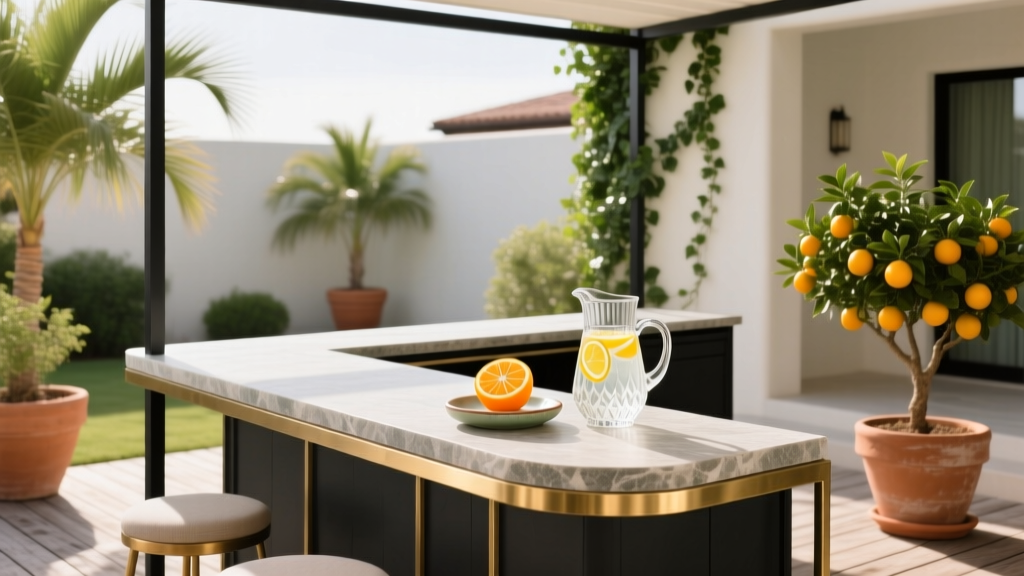
Best Outdoor Bar Orange Twist Station - The Decor Mag
An outdoor bar is already a magnet for guests, but an orange twist station takes your patio entertaining from “nice setup” to “host-level pro.” It’s the small ritual that makes cocktails (and mocktails) feel intentional—bright citrus oils expressed over a glass, a neatly cut twist, a garnish that looks like it came from a favorite lounge. And the best part: it’s easy to design, budget-friendly compared to a full outdoor kitchen, and surprisingly functional for everyday outdoor living.
Beyond the wow factor, a well-planned orange twist station solves real outdoor hosting problems: running back and forth to the indoor kitchen, losing tools, rummaging for napkins, and cluttered countertops. With the right layout, weather-ready materials, and a few smart storage choices, you’ll create a dedicated “garnish zone” that stays organized through summer parties, fall firepit nights, and even mild winter gatherings.
This guide breaks down the best ways to design an outdoor bar orange twist station—furniture, surfaces, tools, lighting, plant pairings, and maintenance—so your patio, deck, or garden bar looks sharp and works beautifully all year.
What Makes an Orange Twist Station “The Best” for Outdoor Living?
The best stations aren’t complicated—they’re durable, intuitive, and styled like part of the landscape design. Think of it as a compact outdoor bar “work triangle” focused on garnish prep and service.
Core features to include
- A stable prep surface (easy to wipe, food-safe, weather resistant)
- Dedicated tool storage (zester/peeler, paring knife, cutting board, bar towel)
- Citrus storage (countertop bowl, ventilated bin, or small drawer)
- Waste solution (lidded compost caddy or a built-in trash pullout)
- Rinse + dry zone (bar sink or rinse basin; drying rack or towel hooks)
- Task lighting for evening prep
Why it matters for patio and backyard design
- Traffic flow: Keeps guests from crowding the main drink-mixing area.
- Cleaner entertaining: Citrus peels, sticky boards, and towels stay in one spot.
- Style impact: Oranges, greenery, and wood/stone textures instantly elevate your outdoor bar design.
- Seasonal flexibility: In summer it’s about spritzes and highballs; in winter it’s old fashioneds, hot toddies, and NA citrus teas.
Location & Layout: Where Your Orange Twist Station Works Best
Your station should feel effortless—close enough to the bar to be useful, but not in the way. Most homeowners do best with one of these layouts:
Layout options that work in real backyards
- Sidecar Station (most popular): A 18–30 inch wide prep zone attached to the main bar or set right next to it. Ideal for patios and decks.
- Garnish Nook: A small console or cart placed against a wall, fence, or outdoor kitchen island end-cap. Great for narrow patios.
- Garden Bar Walk-Up: A standalone station near a pergola or seating area—perfect when your main drinks are served from a separate cooler or beverage tub.
- Poolside Twist Point: A compact, wipeable surface with sealed storage for tools. Keep it shaded and anchored to avoid wind issues.
Spacing guidelines (easy rules that prevent bottlenecks)
- Allow 36 inches of clear walkway behind the station if it’s on a main path.
- Plan 24–36 inches of counter width for cutting, twisting, and setting down a tray.
- Keep the twist station within 4–6 feet of the ice source (cooler, outdoor fridge, or ice bucket).
Best Furniture & Station Setups (with Budget Ranges)
Choose a base that matches your outdoor living space: modern aluminum, warm teak, rustic stone, or sleek concrete. The “best” option depends on your climate, storage needs, and whether the station stays outside year-round.
1) Outdoor bar cart (fastest upgrade)
- Best for: Renters, small patios, flexible entertaining zones
- Look for: Powder-coated aluminum or stainless steel; locking wheels; a bottom shelf for bins
- Upgrade tip: Add a removable cutting-board topper sized to the cart surface
- Budget: $150–$600
2) Console table + prep top (the “built-in look” without construction)
- Best for: Patios against a wall, fence, or outdoor kitchen backdrop
- Materials: Teak, acacia (sealed), powder-coated steel, or HDPE/poly lumber
- Pro move: Use a stone or porcelain tile slab as a heat- and stain-resistant work surface
- Budget: $250–$1,200
3) Built-in outdoor bar extension (most seamless, best for year-round outdoor living)
- Best for: Permanent outdoor kitchen and patio design plans
- Features to add: Narrow drawer for tools, pull-out trash, under-counter fridge drawer
- Budget: $1,500–$8,000+ (depending on countertop and utilities)
4) Compact prep island (best for entertaining flow)
- Best for: Larger decks, pergola lounges, outdoor dining areas
- Design tip: Put the twist station on the “guest side” and keep the mixing area behind it
- Budget: $800–$4,000
Materials That Actually Hold Up Outdoors
Outdoor bars fail when surfaces stain, warp, or become high-maintenance. For an orange twist station—where citrus oils, sticky syrups, and knives are involved—material choice is everything.
Best countertop and prep materials
- Porcelain slab/tile: UV stable, stain resistant, sleek for modern patio design
- Stainless steel: Commercial look, easy to sanitize, great for humid climates
- Granite (sealed): Durable and classic; choose honed finishes for fewer glare issues outdoors
- Concrete (sealed): Beautiful and customizable; needs periodic resealing
- High-quality HDPE/poly lumber tops: Excellent for coastal homes; easy cleaning
Skip or use with caution
- Unsealed wood: Citrus oils and moisture cause staining and warping.
- Marble: Etches easily from citrus—gorgeous but fussy outdoors.
- Indoor laminates: Swell and peel in heat and humidity.
Cutting boards: your best outdoor picks
- Teak cutting board: Naturally water-resistant and durable
- Rubber bar board: Non-slip, dishwasher safe, ideal for frequent use
- Composite boards: Affordable and easy to sanitize
Tools & Accessories: The Orange Twist “Kit” Worth Having
Keep tools minimal but excellent. The goal is speed, safety, and a polished presentation.
Essentials (the must-haves)
- Y-peeler (best for wide twists)
- Channel knife (for long spirals)
- Microplane/zester (for fine zest and aromatic finishes)
- Small paring knife + sheath
- Non-slip cutting board
- Bar towel + hook
- Lidded compost caddy for peels
Nice upgrades for hosting
- Ice bucket + lid dedicated to garnish chilling
- Garnish trays with lids (keeps bugs and debris out)
- Small rinse basin or bar sink if plumbing allows
- Magnetic tool strip mounted under a shelf (safe, organized, space-saving)
Plants That Pair Beautifully with an Orange Twist Station
Great outdoor design blends function and atmosphere. Use plants to soften hard surfaces, add fragrance, and visually cue “citrus bar” energy. If you’re building a patio bar area, these choices also help frame the station as a destination.
Best plants for a citrus-forward outdoor bar vibe
- Dwarf citrus trees (in pots): Calamondin orange, dwarf Meyer lemon, kumquat (best in warm climates or as seasonal patio plants)
- Herbs for cocktails: Mint (keep contained), rosemary, thyme, basil, lemon verbena
- Fragrant accents: Lavender, jasmine (warm climates), scented geraniums
- Architectural foliage: Snake plant (mild climates/covered areas), agave (dry climates), dwarf boxwood (structured look)
Planter styling tips
- Match containers to finishes: Matte black planters for modern outdoor bars; terracotta for Mediterranean patios; glazed ceramic for colorful backyard living.
- Use two heights: One taller citrus or shrub + a low herb trough for a layered look.
- Add a gravel top-dress: Reduces splashing soil and looks clean beside prep surfaces.
Lighting & Comfort: Make the Station Feel Premium at Night
Evening is peak outdoor entertaining time. Citrus prep needs visibility, and a warm glow makes the entire patio living space feel welcoming.
Lighting ideas that work for outdoor bars
- Warm LED task light under a shelf or pergola beam (2700–3000K)
- Rechargeable outdoor table lamp for flexible light without wiring
- String lights overhead to define the bar zone (pair with task lighting, not instead of it)
- Low-voltage path lighting if the bar is in the garden or near steps
Comfort touches guests notice
- Bar-height stools with outdoor cushions (quick-dry foam, solution-dyed acrylic fabric)
- Foot rail (built-in or attachable) for a true bar feel
- Shade solution: Umbrella, pergola, or retractable awning to protect fruit and tools from sun
Climate & Maintenance Considerations (So It Stays Beautiful)
Hot, sunny climates
- UV resistance matters: Choose powder-coated metal, porcelain, stainless, or sealed stone.
- Keep fruit shaded: Use a covered bin or place fruit in an insulated drawer/cooler.
- Watering: Citrus in pots needs consistent watering; use a drip line or self-watering insert.
Humid and rainy climates
- Prevent rust: Prioritize stainless hardware and powder-coated frames.
- Airflow: Avoid airtight tool boxes that trap moisture; use ventilated bins.
- Mold control: Choose quick-dry fabrics and store towels indoors.
Cold and freeze-prone climates
- Winter storage: Bring tools and cutting boards inside; cover carts and consoles.
- Countertops: Sealed granite and porcelain perform well; concrete must be properly sealed to avoid freeze-thaw cracking.
- Seasonal plants: Overwinter citrus indoors near bright light; swap herb troughs for hardy evergreens or winter containers.
Simple maintenance routine
- After each use: Wipe surfaces with mild soap + water; empty compost caddy.
- Weekly: Clean tool bin; check for sticky buildup from citrus oils and syrups.
- Seasonally: Reseal natural stone or concrete as recommended; oil teak cutting boards; tighten hardware.
Design Moves That Make It Look Intentional (Not Like a Random Cart)
- Create a backdrop: Add a slatted wood screen, outdoor-rated wall art, or a simple trellis with climbing jasmine (warm climates) to “anchor” the station.
- Repeat materials: Echo your patio pavers, deck stain, or outdoor kitchen countertop for a cohesive outdoor design.
- Use a serving tray system: One tray for tools, one tray for fruit, one tray for napkins—easy to reset and store.
- Color story: Oranges + deep green foliage + matte black hardware looks crisp across modern, Mediterranean, and coastal patios.
Common Mistakes to Avoid
- Too small of a prep surface: If you can’t set down a cutting board and a glass, you’ll stop using it.
- Ignoring wind: Lightweight napkins, open garnish trays, and unstable carts blow over—use lidded containers and locking wheels.
- Choosing porous stone without sealing: Citrus + sun + spills can stain quickly.
- Putting it far from ice: A twist station without nearby ice becomes a “pretty corner” instead of a workhorse.
- Overplanting mint in the ground: It spreads aggressively; keep it in pots near the bar.
- No waste plan: Orange peels pile up fast—include a compost caddy or pull-out bin.
FAQ: Outdoor Bar Orange Twist Station
Do I need a sink for an outdoor orange twist station?
No. A sink is convenient, but many homeowners do fine with a small rinse basin, a water pitcher, and bar towels. If you entertain often, a small bar sink becomes a major upgrade for cleanup and year-round usability.
What’s the best countertop material for citrus and cocktails outdoors?
Porcelain and stainless steel are top performers for stain resistance and easy cleaning. Sealed granite is also excellent. Avoid marble if you want low maintenance—citrus can etch it.
Can I grow oranges near my outdoor bar?
In warm climates, yes—dwarf citrus in large containers is perfect near a patio bar. In cooler climates, keep citrus in pots and move them indoors before frost. Even without fruiting, the glossy leaves add a lush, resort-like vibe.
How do I keep bugs away from garnishes outside?
Use lidded garnish trays or covered containers, keep the station clean of sticky spills, and place a small fan nearby to disrupt flying insects. Citronella isn’t always effective; physical covers work best.
What’s a realistic budget for a great-looking station?
Most homeowners can build an attractive, functional orange twist station for $250–$900 using a quality cart or console, a great cutting board, lidded containers, and proper lighting. Built-in options often land between $1,500–$8,000+ depending on countertops and plumbing.
How do I make the station work in winter?
Switch to a covered setup (under pergola or awning), add a warm task light, store tools indoors between uses, and lean into winter citrus (navels, blood oranges) for seasonal cocktails and non-alcoholic spritzes.
Your Next Steps: Build a Twist Station You’ll Use All Season
- Pick your base: cart, console, island, or built-in extension.
- Choose a weather-ready surface: porcelain, stainless, sealed granite, or sealed concrete.
- Set up the essentials: peeler, channel knife, zester, board, towel hook, lidded waste.
- Add one plant moment: a potted citrus or an herb trough to tie it into your landscape design.
- Install lighting: one dedicated task light + ambient glow for patio living at night.
A great outdoor bar orange twist station doesn’t just make better drinks—it makes your whole backyard feel more livable, styled, and ready for guests at any moment. For more outdoor bar ideas, patio upgrades, and landscape design inspiration, explore the latest guides on thedecormag.com.
More Articles
 Best Outdoor Bar Bottle Opener Mount - The Decor Mag
 How to Design a Fern Garden - The Decor Mag
 Outdoor Kitchen Corner Cabinet Ideas - The Decor Mag
 Outdoor Kitchen Countertop Sealant Guide - The Decor Mag
 Outdoor Kitchen Range Hood Exterior - The Decor Mag
 Best Outdoor Bar Salt and Spice Station - The Decor Mag
 Best Outdoor Coffee Table Materials - The Decor Mag
 Outdoor Kitchen Trash Pull Out Drawer - The Decor Mag
 Best Outdoor Bar Trash Bin Hideaway - The Decor Mag
 How To Choose Outdoor Decor: A Practical, Climate-Smart Guide for Patios, Decks, and Gardens