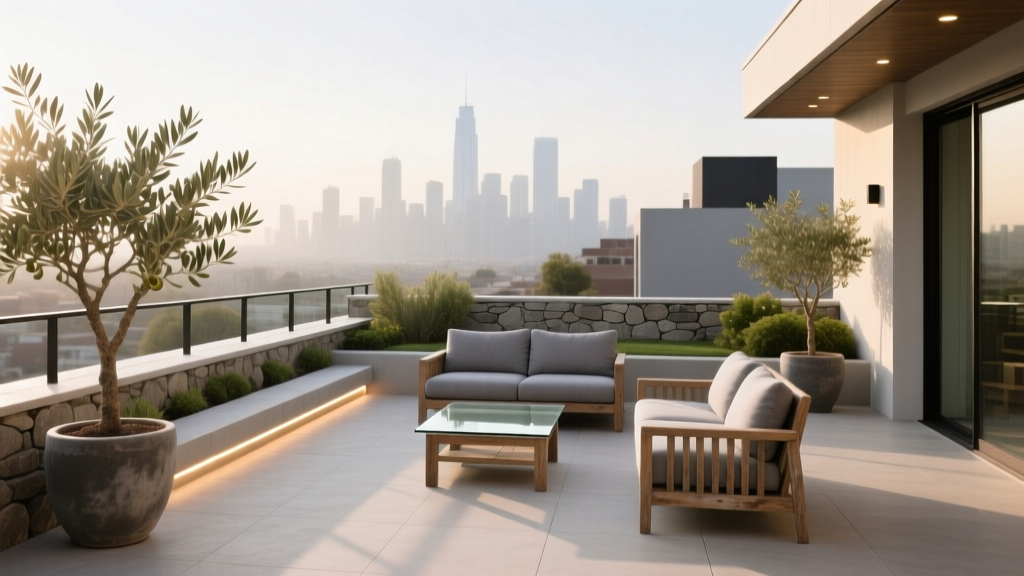
How to Design a Rooftop Terrace - The Decor Mag
A rooftop terrace can be the most rewarding “room” in your home—one with open sky, sweeping views, and the kind of fresh air that makes even a small space feel expansive. When it’s designed well, a rooftop becomes more than a patio: it’s a daily retreat for coffee at sunrise, a seasonal gathering spot for friends, and a year-round outdoor living space that adds real lifestyle value (and often resale appeal) to your property.
But rooftop design isn’t the same as backyard landscaping. Wind, sun exposure, weight limits, drainage, and privacy all behave differently above ground level. The good news: with a smart plan and the right materials, you can create a terrace that’s beautiful, safe, and surprisingly easy to maintain.
This guide breaks down rooftop terrace design into practical steps—layout strategies, furniture recommendations, plant suggestions, climate considerations, common mistakes to avoid, and budget ranges—so you can build a rooftop patio that feels finished and functions brilliantly in every season.
1) Start With Safety, Structure, and Building Rules
Confirm load capacity and waterproofing
Before you choose outdoor furniture or order planters, confirm what your roof can safely support. Rooftop terraces add weight quickly—especially when you include soil, stone pavers, pergolas, and water features.
- Hire a structural engineer (or consult your building management/architect) to confirm live load limits.
- Inspect waterproofing and membrane protection. Rooftop decks typically need a protective layer (like pedestal pavers, deck tiles, or sleepers) so foot traffic and furniture don’t damage the membrane.
- Check drainage: You want water to flow freely to drains/scuppers without pooling under rugs, planters, or platforms.
Permits, HOA rules, and fire codes
- Ask about permitted structures (pergolas, privacy screens, outdoor kitchens).
- Confirm setbacks and railing height requirements.
- Review open flame restrictions for grills/fire pits, especially in urban settings.
Practical tip: If you’re unsure, design your rooftop terrace in “layers” that can be removed—freestanding planters, modular seating, and pergolas that are surface-mounted rather than fully built in.
2) Plan the Layout Like an Outdoor Floor Plan
The best rooftop terrace designs feel intentional—like an interior layout—rather than a collection of outdoor items. Start by mapping how you want to use the space.
Pick your primary zones
Most rooftop patios work best with 2–4 clear zones. Popular combinations:
- Lounge zone: sofa/sectional + coffee table + outdoor rug
- Dining zone: table + chairs + serving console
- Cooking zone: grill + prep shelf + heat-resistant mat
- Garden zone: planters, raised beds, herb wall, or trellis
- Quiet zone: chaise lounges or a bistro set for morning coffee
Use a simple spacing guide
- Maintain 30–36 inches for main walkways.
- Leave 18 inches between seating and a coffee table.
- Allow 36–48 inches behind dining chairs for pull-out space.
Make the view your “focal point”
If you have a skyline, water, or treetop view, orient your lounge seating toward it. If your view is less inspiring, create your own focal point with:
- a tall planter grouping with ornamental grasses
- a slatted wood privacy wall with climbing vines
- a sculptural fire table (where allowed)
3) Choose the Right Rooftop Flooring and Materials
Materials on a rooftop terrace need to handle UV exposure, temperature swings, wind, and moisture. Prioritize durability, slip resistance, and weight.
Top flooring options (and where they shine)
- Porcelain pavers (often on pedestals): sleek, extremely durable, low-maintenance, great drainage access. Ideal for modern rooftop deck design.
- Composite decking tiles: lighter than stone, warm underfoot, consistent look, minimal upkeep.
- Interlocking wood deck tiles (acacia/teak): beautiful and easy to install; needs seasonal oiling/sealing for best longevity.
- Concrete pavers: budget-friendly and sturdy; heavier, so confirm weight limits and use pedestal systems when needed.
Material recommendations for rooftop conditions
- Metal: powder-coated aluminum for furniture (rust-resistant, lighter than steel)
- Wood: teak or ipe for high exposure; cedar for screens (seal annually)
- Hardware: stainless steel fasteners to prevent corrosion
- Fabrics: solution-dyed acrylic (e.g., Sunbrella-style) for fade resistance
Seasonal tip: In freeze/thaw climates, avoid porous stone that can crack. Porcelain pavers or composite options typically perform better year-round.
4) Furniture That Holds Up (and Feels Amazing)
Rooftops amplify weather: stronger sun, higher winds, and faster drying. Choose outdoor furniture that’s comfortable enough to use daily and tough enough to stay put.
Best furniture styles for rooftop terrace living
- Modular outdoor sectionals: adaptable layouts, easy to expand for entertaining
- Low-profile lounge chairs: reduce wind resistance and keep sightlines open
- Stackable dining chairs: great for small rooftop terraces or seasonal storage
- Storage benches or deck boxes: stash cushions, throws, grilling tools
Wind-smart solutions
- Choose heavier coffee tables (concrete composite or stone-topped) that anchor the seating area.
- Use furniture clips for sectional pieces so they don’t drift.
- Skip flimsy umbrellas; opt for a cantilever umbrella with a weighted base or a pergola with shade fabric.
Comfort upgrades for year-round outdoor living
- Outdoor rug to define zones and soften footfall
- All-weather cushions with quick-dry foam
- Throw blankets stored in a weatherproof bin for cool evenings
- Patio heaters (electric or infrared where permitted) for shoulder seasons
5) Rooftop Plants and Planters: Create a Sky Garden
Rooftop landscaping is all about choosing plants that tolerate sun, wind, and limited soil volume. Your goal: a lush look without constant babysitting.
Planter strategy: lightweight, stable, and irrigated
- Planter materials: fiberglass, resin, or lightweight composite (avoid heavy clay unless weight is confirmed)
- Stability: wider bases or paired planters reduce tipping in wind
- Soil: use lightweight potting mix designed for containers
- Irrigation: drip lines or self-watering planters for consistent moisture
Plant suggestions by exposure
Full sun + wind (tough and beautiful)
- Lavender (fragrant, drought-tolerant)
- Rosemary (edible, hardy in many regions)
- Sedum and hardy succulents (low water, high sun tolerance)
- Ornamental grasses like feather reed grass (Calamagrostis) or blue fescue
- Salvia (pollinator-friendly, long bloom)
Part shade rooftops
- Hydrangea in large containers (morning sun preferred)
- Boxwood or inkberry holly for evergreen structure
- Ferns and heuchera for texture
Urban edible garden picks
- Tomatoes (choose compact or patio varieties)
- Peppers and eggplant for sunny rooftops
- Herbs: basil, thyme, chives, mint (mint in its own pot)
- Strawberries in railing planters or towers
Design approach: Use a “thriller, filler, spiller” formula in each large planter—one tall focal plant (thriller), a mounding plant (filler), and a trailing plant (spiller) to soften edges.
Privacy planting that still feels light
- Clumping bamboo (only clumping varieties; avoid running types)
- Columnar evergreens (in suitable climates) for a narrow footprint
- Trellises with climbers like star jasmine (warm climates) or clematis (many regions)
6) Shade, Lighting, and Privacy: The Rooftop “Comfort Trio”
Shade options that look architectural
- Pergola: creates a true outdoor room; add retractable canopy for flexibility
- Sail shades: budget-friendly and modern; must be properly tensioned for wind
- Retractable awning: ideal for consistent coverage on sunny terraces
Lighting for atmosphere and safety
Layered lighting makes rooftop patio living feel magical and functional after dark.
- Path lighting: low-profile LED along walkways
- Ambient: warm string lights or lanterns rated for outdoor use
- Task: focused light near grill/prep areas
- Accent: uplights for tall plants or a feature wall
Pro tip: Choose warm color temperatures (2700K–3000K) for a welcoming glow that flatters plants and wood tones.
Privacy that doesn’t block the breeze
- Slatted screens (wood or composite) for partial visibility and airflow
- Frosted glass panels for a sleek, wind-friendly solution
- Planter + screen combos to anchor tall elements and reduce wobble
7) Budget Ranges: What Rooftop Terrace Design Really Costs
Rooftop terraces range from simple and stylish to fully built outdoor living rooms. These are common budget tiers (vary by region, access, and structural needs):
- Budget-friendly refresh ($2,500–$8,000): deck tiles, bistro set or compact lounge seating, a few large planters, string lights, outdoor rug
- Mid-range makeover ($8,000–$25,000): porcelain/pedestal pavers or composite decking, modular sectional, dining set, privacy screen, drip irrigation, layered lighting
- High-end rooftop living ($25,000–$80,000+): custom pergola, outdoor kitchen, integrated planters/benches, premium materials, professional landscape design, built-in lighting and heating
Where to spend: flooring, shade, and seating comfort typically deliver the biggest daily payoff. Where to save: accessories (pillows, lanterns, smaller planters) can be upgraded seasonally.
8) Climate and Maintenance: Keep It Looking Great All Year
Hot/sunny climates
- Use UV-resistant fabrics and lighter colors to reduce heat absorption.
- Choose drought-tolerant plants and install drip irrigation.
- Consider misting fans (where appropriate) and ample shade.
Cold/snowy climates
- Pick freeze/thaw-friendly flooring (porcelain is a standout).
- Use planters rated for cold (fiberglass/composite often performs well).
- Store cushions and textiles in a weatherproof deck box to prevent mildew.
Rainy/humid climates
- Prioritize excellent drainage and keep planters slightly elevated.
- Choose mildew-resistant fabrics and quick-dry cushions.
- Mix in airflow-friendly layouts (avoid blocking breezes with solid walls everywhere).
Seasonal maintenance checklist
- Spring: clean decking, check drains, refresh potting mix, fertilize, inspect lighting
- Summer: adjust irrigation, deadhead blooms, wash pollen/dust off furniture
- Fall: clear leaves from drains, swap to warm textiles, prune perennials, cover furniture
- Winter: store cushions, secure lightweight items, avoid salt that can damage some surfaces
9) Common Rooftop Terrace Design Mistakes to Avoid
- Ignoring weight limits: oversized planters, water features, and masonry add up fast.
- Blocking drainage: placing platforms or rugs where water pools leads to leaks and damage.
- Underestimating wind: flimsy umbrellas, lightweight decor, and tall unstable plants can become hazards.
- Buying indoor materials: indoor rugs, untreated wood, and non-UV fabrics won’t last one season.
- Skipping shade planning: a rooftop with no shade is often unused during peak summer.
- Overcrowding: too much furniture makes the terrace feel smaller and harder to navigate.
- No storage: without a place for cushions and tools, rooftop patios get messy quickly.
FAQ: Rooftop Terrace Design
What is the best flooring for a rooftop terrace?
Porcelain pavers (often installed on pedestal systems) are a top choice for rooftop terrace design because they’re durable, slip-resistant, and low-maintenance. Composite deck tiles are another strong option when you want a lighter build with a warm, wood-like feel.
How do I make my rooftop terrace private without feeling boxed in?
Use slatted screens, frosted panels, and tall planters with grasses or evergreen shrubs. A mix of partial screens and greenery creates privacy while keeping airflow and light—key for comfortable patio living.
What plants do best on windy rooftops?
Look for flexible, resilient plants like ornamental grasses, lavender, rosemary, sedum, and salvia. Avoid top-heavy plants in small pots; use wider planters and group containers to reduce wind stress.
How can I design a rooftop terrace for year-round use?
Layer comfort features: shade for summer, patio heaters for cool evenings, wind screens where needed, and weatherproof storage for textiles. Choose outdoor materials that handle UV, rain, and temperature swings so your rooftop patio stays inviting in every season.
Do I need irrigation on a rooftop garden?
If you’re using more than a few containers, drip irrigation is a game-changer. Rooftops dry out faster due to wind and sun exposure, and consistent watering keeps plants healthier while reducing maintenance.
Next Steps: Turn Your Rooftop Into Your Favorite Destination
Start by confirming structural requirements and drainage, then sketch a simple outdoor floor plan with zones for lounging, dining, and planting. Choose rooftop-friendly flooring, invest in comfortable all-weather seating, and use planters, screens, shade, and lighting to create a finished outdoor living space you’ll enjoy from spring brunches to crisp fall evenings.
If you’re ready for more patio ideas, rooftop garden inspiration, and expert outdoor design guidance, explore the latest at thedecormag.com.
More Articles
 How to Design a Pocket Meadow - The Decor Mag
 Best Outdoor Serving Cart Options - The Decor Mag
 How to Create a Lasagna Garden Bed - The Decor Mag
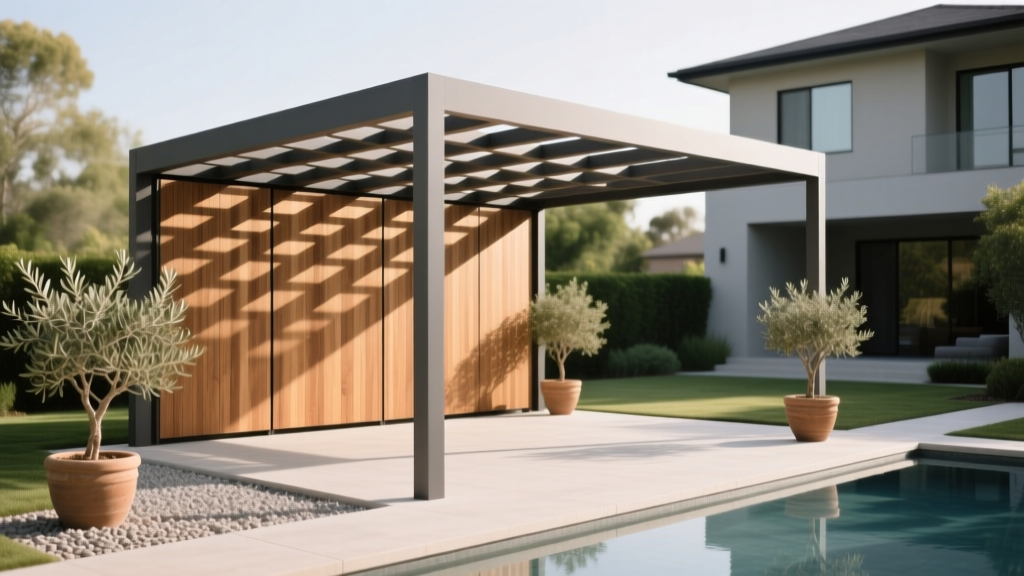 Outdoor Pergola Lattice Roof Pattern - The Decor Mag
 How to Choose the Best Patio Furniture Set - The Decor Mag
 Safety vs Living: Reconciling Outdoor Security with Authentic Lifestyle Experience
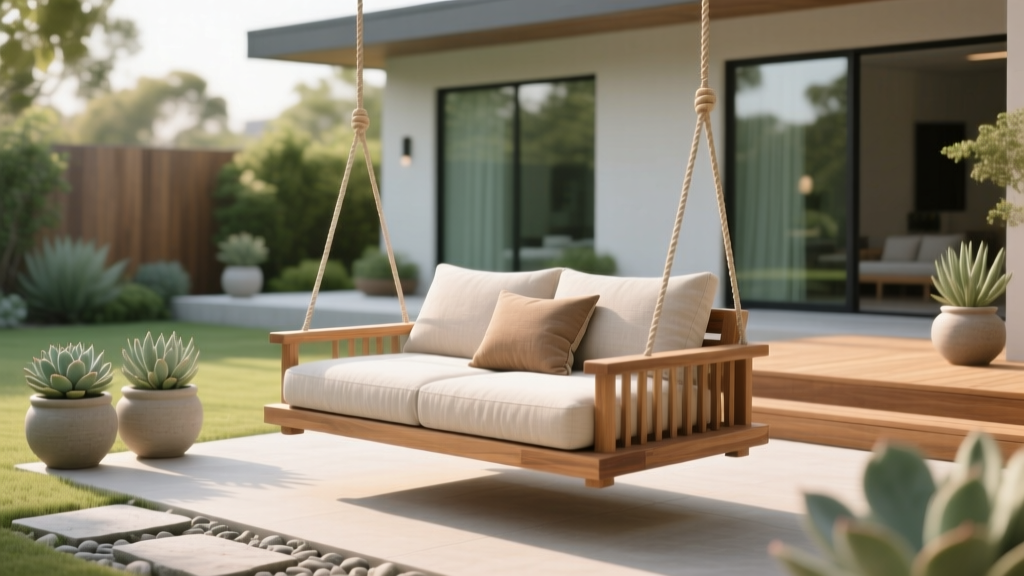 Best Outdoor Swing Bed Ideas - The Decor Mag
 Best Outdoor Bar Condiment Caddy Ideas - The Decor Mag
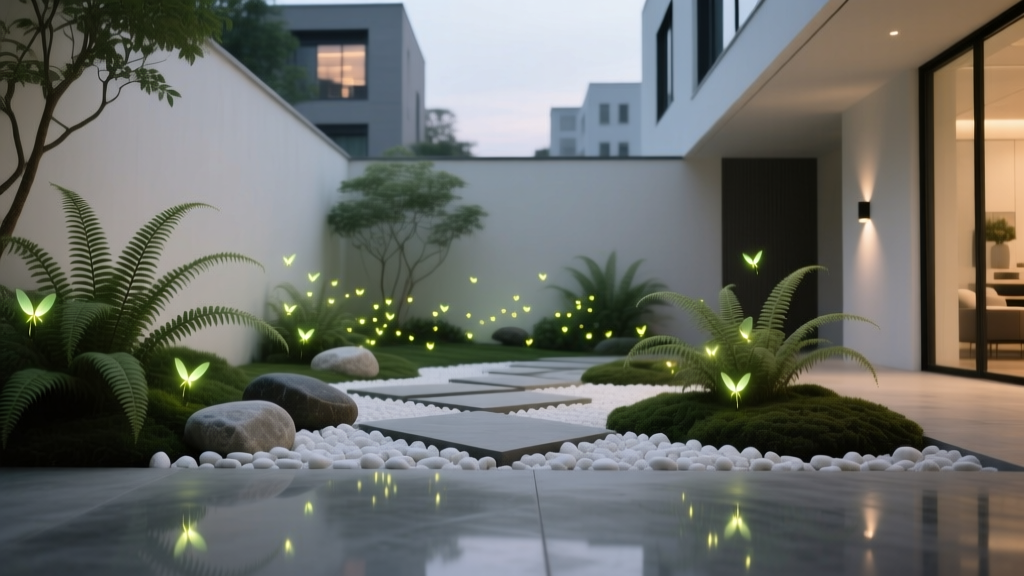 How to Create a Firefly Garden - The Decor Mag
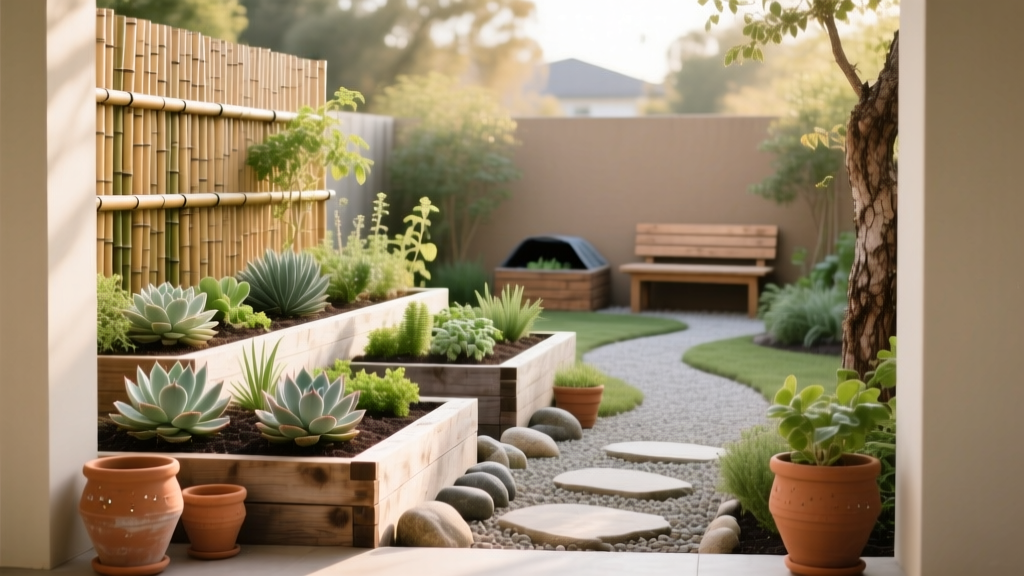 How to Design a Permaculture Garden - The Decor Mag