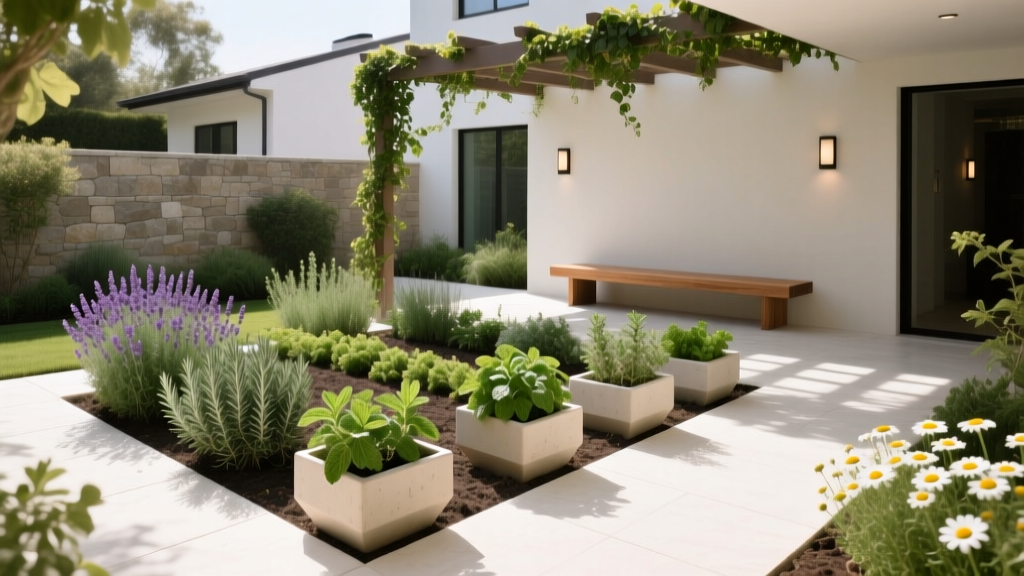
How to Create a Medicinal Herb Garden - The Decor Mag
A well-designed medicinal herb garden does more than supply fresh leaves for tea or a soothing salve—it elevates your entire outdoor living space. Imagine stepping onto your patio and brushing past lavender and rosemary, or snipping lemon balm for an evening drink as the sun goes down. These plants bring fragrance, texture, pollinator activity, and a sense of ritual to everyday life outdoors.
For homeowners upgrading a yard, patio, or garden, a medicinal herb garden is one of the most rewarding landscaping projects you can take on. It’s scalable (a few pots or a full bed), functional (edible and usable), and naturally beautiful. With the right layout and materials, it becomes a feature that works year-round—lush and productive in summer, evergreen and aromatic through cooler months, and visually structured even in winter.
This guide walks you through practical garden design choices—plant selection, patio-friendly layouts, materials, furniture, climate considerations, and common pitfalls—so your herb garden feels intentional, polished, and easy to maintain.
Start with a Vision: What Do You Want Your Herb Garden to Do?
Before buying plants, decide how your medicinal herb garden will fit your outdoor design and daily routine. The most successful gardens are designed around use.
Choose your primary purpose
- Tea garden: lemon balm, chamomile, peppermint, holy basil (tulsi), lavender
- Cooking + wellness: rosemary, thyme, sage, oregano, parsley, calendula
- Skin-soothing apothecary: calendula, plantain, comfrey (with caution), lavender, yarrow
- Pollinator + patio fragrance: lavender, thyme, borage, anise hyssop, bee balm (monarda)
Decide where it lives in your outdoor layout
- Patio edge border: defines outdoor living zones and softens hardscape lines
- Raised beds near the kitchen door: best for daily harvesting and clean design
- Container garden on a deck or balcony: ideal for renters or small yards
- Dedicated “apothecary corner”: a calming nook with a bench, gravel path, and labeled plants
Site Selection: Sun, Water, and Convenience
Medicinal herbs are generally forgiving, but placement determines how lush and usable they’ll be.
Light requirements
- Full sun (6–8+ hours): rosemary, thyme, sage, lavender, oregano, yarrow
- Part sun (4–6 hours): lemon balm, mint (in containers), parsley, calendula
- Afternoon shade in hot climates: helps basil, cilantro, and chamomile last longer
Pro placement tip for outdoor living
Put your most-used herbs within 10–20 steps of your patio dining area or outdoor kitchen. The more convenient the garden is, the more it becomes part of everyday patio living.
Water access
If your hose bib is far away, plan for:
- Drip irrigation kits for raised beds (low-maintenance, water-efficient)
- Self-watering planters for patios (great for travel and busy weeks)
- Rain barrel + watering can near the garden path for a simple, sustainable setup
Garden Layouts That Look Designed (Not Random)
Herb gardens can quickly look messy if they aren’t structured. These layout approaches keep things tidy and visually strong—especially near patios and outdoor seating areas.
1) Raised bed grid (best for a polished landscape)
Use one or two raised beds with clear edges and pathways. This style complements modern landscaping and makes maintenance easier.
- Recommended bed size: 4' x 8' (classic), or 3' x 6' for smaller spaces
- Path width: 30–36 inches for comfortable movement and harvesting
- Add a focal point: a tall rosemary, small bay laurel in a pot, or an obelisk for climbing flowers
2) Patio container “herb bar” (ideal for decks and small yards)
Create a line of matching pots or a stepped plant stand near your seating area. It reads like outdoor decor while functioning like a mini apothecary.
- Use 3–7 containers in coordinating materials for a cohesive outdoor design
- Group by water needs: Mediterranean herbs together; thirstier herbs together
3) Spiral or keyhole herb garden (small footprint, high interest)
An herb spiral (often built with stone) creates microclimates: sunny/dry at the top, cooler/moister at the bottom. It also adds sculptural appeal to the yard.
4) Border planting along a hardscape edge
Line a walkway, paver patio, or retaining wall with low herbs for a fragrant, tactile edge:
- Edging picks: creeping thyme, oregano ‘Kent Beauty,’ lavender (dwarf varieties), chives
Materials and Design Details That Elevate the Space
Choose materials that complement your patio and overall landscaping style while handling weather year-round.
Raised bed materials
- Cedar or redwood: naturally rot-resistant, warm tone, great for outdoor living spaces
- Metal (galvanized or corten steel): modern look, long lifespan; heats up in hot climates—use drip irrigation and mulch
- Composite lumber: clean lines, low maintenance; select food-safe, garden-rated products
Path materials for a finished garden look
- Decomposed granite (DG): classic, permeable, easy to refresh
- Pea gravel: budget-friendly; add edging to keep it tidy
- Concrete or stone pavers: best for crisp patio-adjacent designs and muddy climates
Mulch choices (function + aesthetics)
- Shredded bark or fine wood mulch: moisture retention and clean appearance
- Gravel mulch: excellent for lavender/rosemary areas and drought-tolerant landscaping
- Straw: budget-friendly for seasonal beds; refresh often
Furniture and outdoor living additions
Turn the herb garden into a destination with simple patio furniture and thoughtful placement:
- Small bistro set (metal or teak) placed near fragrant herbs for morning tea
- Garden bench with weather-resistant cushions (Sunbrella-style fabrics hold up best)
- Potting/harvest station (a narrow outdoor console or potting bench) for snips, baskets, and drying bundles
- Soft lighting: solar path lights or low-voltage uplights to make the space usable after dusk
Plant Selection: Reliable Medicinal Herbs for Home Gardens
Choose plants based on your climate, sunlight, and how you’ll use them. Mix evergreen structure with seasonal herbs for year-round outdoor interest.
Core medicinal herbs (great starting list)
- Lavender: calming scent, pollinator magnet; likes sun and sharp drainage
- Rosemary: evergreen structure, culinary + aromatic; drought-tolerant once established
- Thyme: low-growing groundcover; great along paver edges
- Sage: hardy, textured foliage; excellent in raised beds
- Calendula: cheerful blooms; petals often used in infused oils; easy from seed
- Chamomile: classic tea herb; prefers cooler conditions and regular moisture
- Lemon balm: uplifting tea herb; vigorous—grow in a container to control spread
- Peppermint/spearmint: soothing and refreshing; always container-grow to prevent takeover
- Yarrow: drought-tolerant, tough perennial; great for naturalistic landscaping
- Holy basil (tulsi): seasonal in many regions; a standout for summer tea gardens
Planting design tip: build layers
- Tall anchors: rosemary, bay (in pot), tall lavender varieties
- Mid-layer fillers: sage, calendula, lemon balm (in pot), oregano
- Low edging: creeping thyme, chamomile (some varieties), chives
A note on safety
“Medicinal” plants can still have contraindications and allergy risks. If you’re pregnant, nursing, on medication, or managing a condition, consult a qualified professional before ingesting herbs. For home gardens, focus on gentle, well-known herbs and use them in food-like amounts unless advised otherwise.
Soil, Drainage, and Containers: The Make-or-Break Basics
Best soil approach for most herb gardens
- Raised beds: fill with a blend of quality topsoil + compost + drainage amendment (pumice or perlite)
- In-ground beds: amend heavy soil with compost and consider a slight mound for drainage
Container recommendations for patio gardens
- Terracotta: classic look, breathes well (great for rosemary and lavender); dries faster
- Glazed ceramic: decorative and moisture-retentive; ensure drainage holes
- Resin/fiberglass: lightweight for decks; choose UV-stable options
Rule of thumb: most herbs hate “wet feet.” Use pots with drainage holes, elevate with pot feet, and avoid saucers that hold water outdoors.
Climate and Seasonal Strategies for Year-Round Outdoor Living
Your herb garden should look good in every season—even when harvest slows.
Cold climates (short summers, freezing winters)
- Favor hardy perennials: thyme, sage, chives, yarrow
- Use raised beds that warm up faster in spring
- Mulch after the ground cools to reduce freeze-thaw stress
- Overwinter tender plants indoors near a bright window (rosemary can be finicky but possible)
Hot/dry climates (intense sun, low humidity)
- Lean into drought-tolerant Mediterranean herbs: lavender, rosemary, thyme, oregano
- Add afternoon shade for delicate herbs (basil, cilantro, chamomile)
- Use drip irrigation and gravel mulch to reduce evaporation
Humid/rainy climates
- Prioritize airflow: give plants space and avoid overcrowding
- Choose raised beds or mounded rows for drainage
- Watch for powdery mildew on bee balm/lemon balm; prune and improve spacing
Seasonal planting calendar (general guidance)
- Spring: plant perennials, sow calendula/chamomile, refresh compost
- Summer: harvest regularly, deadhead flowers, maintain watering
- Fall: cut back, dry herbs, plant hardy perennials in mild climates
- Winter: protect with mulch, keep paths clear, enjoy evergreen rosemary/sage structure where hardy
Maintenance Made Simple: A Routine You’ll Actually Follow
Weekly (10–20 minutes)
- Harvest tips to encourage bushy growth
- Check moisture (especially containers near hot patios)
- Remove spent blooms and yellowing leaves
Monthly
- Lightly feed with compost top-dressing (or a gentle organic fertilizer)
- Prune lavender and rosemary lightly to maintain shape (avoid cutting into old woody stems)
- Inspect for pests: aphids, spider mites, and caterpillars
Harvesting and storing
- Harvest in the morning after dew dries for best flavor and essential oils
- Dry bundles in a shaded, airy spot—your potting bench or covered patio is perfect
- Store dried herbs in labeled glass jars away from heat and sunlight
Budget Ranges: What a Medicinal Herb Garden Costs
- Budget-friendly ($50–$150): 3–6 herb starts, basic potting soil, a few terracotta pots, simple watering can
- Mid-range ($200–$600): one raised bed kit or 6–10 matching containers, compost, drip kit for a small zone, gravel or DG for a tidy path
- Premium ($800–$2,500+): custom raised beds (cedar or steel), paver path integration, lighting, a bench or bistro set, and an irrigation timer for low-maintenance patio living
Common Mistakes to Avoid
- Planting mint in the ground: it spreads aggressively—use containers or a buried barrier pot.
- Overwatering Mediterranean herbs: lavender/rosemary/thyme need drainage more than fertilizer.
- Cramming too many plants together: overcrowding causes mildew, pests, and a tangled look.
- Ignoring mature size: rosemary and some sages become shrubs—plan spacing and placement.
- Using untreated, rot-prone wood: for raised beds, choose cedar/redwood/metal/composite rated for outdoor use.
- Placing the garden too far from where you live outdoors: if it’s not near the patio or path, harvesting becomes a chore.
FAQ: Medicinal Herb Garden Basics
What are the easiest medicinal herbs to grow for beginners?
Start with calendula, thyme, sage, lemon balm (in a pot), peppermint (in a pot), and rosemary (if your climate supports it). These are resilient, productive, and useful for tea, cooking, and simple home apothecary projects.
Can I grow a medicinal herb garden on a patio or balcony?
Yes—containers are ideal for patio living. Use pots 10–16 inches wide for most herbs, group plants by water needs, and choose a bright location with at least 4–6 hours of sun.
How do I keep herbs alive through winter?
In mild climates, many herbs stay outside with mulch and good drainage. In cold climates, grow tender herbs in containers so you can move them to a protected spot or indoors. Hardy choices like thyme and chives often return reliably in spring.
What’s the best layout for a small yard?
A single raised bed (3' x 6' or 4' x 8') with a narrow gravel path and a small bench creates a complete, designed outdoor feature without taking over the landscape.
Do medicinal herbs attract pests?
Some do, but many herbs also deter pests and attract beneficial insects. Maintain airflow, avoid overwatering, and harvest regularly. If pests appear, start with a strong spray of water, then use insecticidal soap as needed.
Should I label my herbs?
Absolutely. Simple plant labels (metal tags, slate markers, or UV-stable plastic) make harvesting easier, reduce mistakes, and add a curated, garden-to-table feel—especially in an “apothecary” style garden design.
Your Next Steps: Build a Garden You’ll Use Every Day
Choose a sunny spot near your patio or outdoor dining area, decide on a clean layout (raised bed, containers, or a border), and start with 6–10 dependable herbs that match your climate and habits. Add structure with quality materials—cedar beds, gravel paths, terracotta pots—and finish it like an outdoor room with a small bench, a side table, and soft lighting for evening harvests.
Once your medicinal herb garden is in place, your outdoor living space becomes more sensory, more functional, and more personal—one snip at a time.
For more patio ideas, landscaping inspiration, and outdoor design guides, explore the latest at thedecormag.com.
More Articles
 Best Bedroom Inspiration for Cozy: Science-Backed Design Strategies That Warm Your Space and Improve Sleep
 How to Create a Starlight Garden - The Decor Mag
 Outdoor Kitchen Pizza Stone Installation - The Decor Mag
 Outdoor Kitchen Rotisserie Attachment Guide - The Decor Mag
 Best Outdoor Bar Citrus Squeezer Station - The Decor Mag
 Best Outdoor Bar Orange Twist Station - The Decor Mag
 Best Outdoor Beverage Tub Options - The Decor Mag
 How to Design a Shade Tolerant Border - The Decor Mag
 How to Design a Pocket Meadow - The Decor Mag
 Outdoor Kitchen Vent Hood Sizing - The Decor Mag