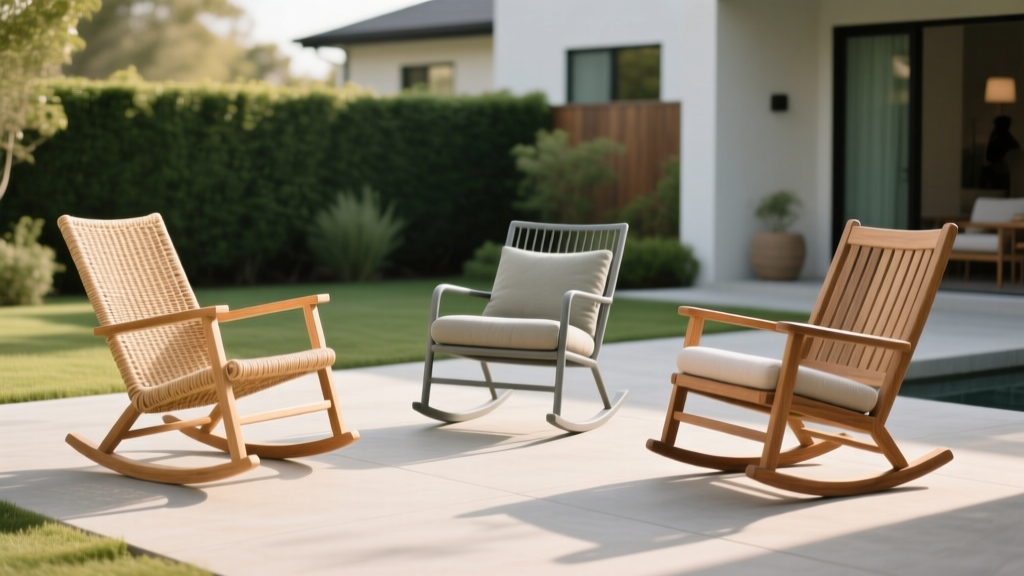
Best Outdoor Rocking Chair Picks - The Decor Mag
A great outdoor rocking chair does more than provide a seat—it sets the mood for your entire outdoor living space. Whether you’re sipping coffee on a front porch, watching the kids play in the yard, or unwinding beside a fire pit, the gentle motion of a rocker invites you to slow down and actually use your patio, deck, or garden the way you imagined.
Today’s outdoor rocking chairs come in materials and silhouettes that can anchor any landscape design style: coastal and breezy, modern and minimal, rustic lodge, classic cottage, or sleek urban patio. The right pick also improves comfort through the seasons—better airflow in summer, cozy layering in fall, and durable frames that can handle winter storage or year-round exposure.
This guide breaks down the best outdoor rocking chair picks by material, climate needs, and design approach—plus the styling, plants, layouts, and maintenance details that turn a single chair into a polished outdoor room.
How to Choose the Best Outdoor Rocking Chair for Your Space
Start with placement: porch, patio, deck, or garden nook?
Before you fall in love with a chair style, decide where it will live and how it will be used. Rockers need clearance to swing safely and comfortably.
- Minimum rocking clearance: Plan for 24–30 inches behind the chair and 18–24 inches in front, depending on rocker length.
- Surface matters: Rockers glide best on smooth decking, concrete, pavers, and low-pile outdoor rugs. Uneven flagstone can cause wobble.
- Traffic flow: Keep the rocking arc out of walkways (especially near doors, steps, and grill zones).
Comfort details that make a rocker feel “high-end”
- Seat height: 16–18 inches suits most adults; taller seats help those who prefer easier standing.
- Seat depth: 18–20 inches is a sweet spot; deeper seats are lounge-y but may need lumbar support.
- Back angle + lumbar: A gently reclined back with a supportive curve keeps long sits comfortable.
- Arm width: Wide arms double as a “side table” for a mug or phone (still add a real table for stability).
Budget ranges to plan around
- Budget: $80–$200 (resin, basic steel, entry-level wood)
- Mid-range: $200–$500 (better hardware, powder-coated aluminum, acacia/eucalyptus)
- Premium: $500–$1,200+ (poly lumber/HDPE, teak, designer aluminum, heirloom builds)
Best Outdoor Rocking Chair Picks by Material
1) Poly lumber (HDPE) rockers: best for low maintenance and coastal climates
If you want a “set it and forget it” outdoor rocking chair, poly lumber (often called HDPE) is hard to beat. It resists salt air, won’t splinter, and doesn’t require staining.
- Best for: coastal patios, pool decks, humid climates, high-sun areas
- Look for: stainless steel hardware, UV-stabilized color, contoured seat/back
- Typical price: $350–$900
Design tip: Poly lumber shines in classic porch palettes—white, navy, black, and soft gray. Pair with a striped outdoor cushion and a jute-look polypropylene rug for an easy coastal outdoor living vibe.
2) Teak rockers: best for a luxury, natural look that weathers beautifully
Teak is a premium outdoor furniture material because its natural oils help it resist moisture and rot. Left untreated, it develops a silver patina that looks gorgeous against greenery and stone.
- Best for: refined patios, garden courtyards, modern organic landscape design
- Look for: solid teak (not thin veneers), mortise-and-tenon joinery, smooth rocker curve
- Typical price: $500–$1,200+
Maintenance: Clean with mild soap and water. If you want to maintain honey tones, apply teak sealer 1–2 times per year.
3) Eucalyptus or acacia wood rockers: best for style on a mid-range budget
Eucalyptus and acacia offer the warmth of wood at a friendlier price point than teak. They’re great for homeowners who enjoy seasonal upkeep and want a natural look in a patio seating area.
- Best for: covered porches, pergolas, moderate climates
- Look for: FSC-certified wood, sealed finish, rust-resistant hardware
- Typical price: $180–$450
Maintenance: Re-oil or re-seal yearly. Use furniture covers during wet seasons to prevent cracking and fading.
4) Powder-coated aluminum rockers: best for modern patios and rain-prone regions
Aluminum is lightweight, rust-resistant, and ideal for contemporary outdoor design. Many aluminum rockers come with sling fabric or padded cushions for all-day comfort.
- Best for: modern decks, small patios, humid and rainy climates
- Look for: thick-gauge frames, welded joints, high-quality powder coat
- Typical price: $200–$700
Style idea: Pair matte black aluminum with a concrete side table and architectural plants (snake plant in warm climates, boxwood in temperate zones) to create a crisp, modern patio living moment.
5) Wicker/resin weave rockers: best for cozy, layered outdoor rooms
All-weather resin wicker has that relaxed, “outdoor lounge” feel and looks right at home under a covered patio or pergola. Cushions matter here—choose outdoor-rated foam and washable covers.
- Best for: covered patios, screened porches, boho or farmhouse outdoor styling
- Look for: UV-resistant resin, aluminum inner frame (avoid cheap steel), zippered cushion covers
- Typical price: $220–$800
Climate note: In blazing sun, darker wicker can heat up. Consider lighter tones (sand, driftwood, gray) for comfort.
6) Steel or wrought iron rockers: best for classic charm and windy yards
Heavier metal rockers feel grounded in windy areas and can bring a timeless, vintage garden look—especially with curved arms and scroll details.
- Best for: windy porches, traditional landscapes, brick patios
- Look for: rust-resistant coatings, strong welds, glide caps to protect pavers
- Typical price: $120–$600
Maintenance: Touch up chips quickly to prevent rust creep, and add cushions for temperature comfort.
Outdoor Rocking Chair Layouts That Look Designer (Not Random)
Porch pairing: the classic two-rocker setup
Two matching outdoor rocking chairs instantly create symmetry and a welcoming front porch. Keep it polished with a shared side table and layered lighting.
- Two rockers + 1 small table centered between them
- Outdoor rug sized so front legs sit on the rug
- Lantern-style sconce or string lights for warm evening glow
Best table materials: powder-coated aluminum, teak, or concrete. Aim for a 16–20 inch diameter tabletop for drinks and a small plant.
Patio conversation nook: rocker + lounge chair + fire pit
Mixing rocking chairs with stationary seating makes a patio feel curated. Use one rocker as the “favorite seat” and balance it with a lounge chair or loveseat.
- Center a round fire pit or coffee table.
- Place the rocker at a slight angle (about 10–20 degrees) to open the view and avoid rigid symmetry.
- Add a small side table next to the rocker for a drink, book, or citronella candle.
Space planning: Keep 18 inches between seating pieces, and 30–36 inches for main walk paths in the patio design.
Garden retreat: a single rocker framed by planting
One great rocker can transform an underused corner of your yard into a destination. Think of it like creating a “viewpoint” in your landscape design.
- Set the rocker on a compact pad: pavers, pea gravel with stepping stones, or a small deck tile platform.
- Add a bistro table or stump-style side table.
- Frame with layered plants for privacy and softness.
Plant Pairings That Make Outdoor Rocking Chairs Feel Intentional
Best plants for a porch or patio rocker vignette
- Lavender: fragrant, drought-tolerant, great near seating (full sun)
- Hydrangea: lush, classic backdrop for cottage-style outdoor living (morning sun/afternoon shade)
- Boxwood or dwarf holly: evergreen structure for year-round outdoor design
- Ornamental grasses (fountain grass, blue fescue): movement that complements rocking motion
- Rosemary: beautiful and functional; thrives in sunny, well-drained spots
Container combos for instant curb appeal
Use planters to “anchor” rocking chairs and soften hard edges. A simple recipe:
- Thriller: dwarf olive (warm climates), cordyline, or upright grass
- Filler: petunias, calibrachoa, lantana (heat lovers), or coleus (shade)
- Spiller: sweet potato vine, creeping Jenny, or trailing rosemary
Tip: Match planter material to your rocker for cohesion—teak with terracotta, black aluminum with charcoal concrete, white poly lumber with glossy ceramic.
Seasonal Comfort: Make Your Rocker Work Year-Round
Summer: cool materials and breathable styling
- Choose sling fabric or quick-dry cushions (solution-dyed acrylic like Sunbrella).
- Add a patio umbrella or pergola shade to reduce glare and heat.
- Keep a small outdoor side table for iced drinks and sunscreen.
Fall: cozy layering for outdoor living season
- Swap in chunky outdoor throws (performance fabric) and a lumbar pillow.
- Add a smokeless fire pit or tabletop heater for shoulder-season evenings.
- Use warm lighting (2700K) to make the seating area feel inviting.
Winter: storage and weather strategy
- If you have harsh winters, store cushions indoors and use breathable furniture covers.
- For poly lumber and aluminum, you can often leave frames outside—just keep them clean and covered.
- Avoid trapping moisture under airtight tarps; that’s how mildew starts.
Spring: refresh and reset
- Wash frames with mild soap and water.
- Tighten hardware and check rocker runners for wear.
- Update with one new accessory: a fresh cushion cover, a new planter, or a larger outdoor rug.
Maintenance Checklist by Material
- HDPE/poly lumber: hose off and wipe clean; occasional gentle scrub for pollen
- Teak: soap-and-water cleaning; optional sealer for golden tone
- Acacia/eucalyptus: annual oil/seal; cover in wet climates
- Aluminum: wash, inspect for chips; touch up scratches to protect finish
- Resin wicker: vacuum/brush debris; rinse; keep cushions dry and stored during storms
- Steel/iron: clean, inspect for rust spots, touch up paint promptly
Common Mistakes to Avoid When Buying Outdoor Rocking Chairs
- Ignoring the rocking clearance. A rocker that bumps a wall, railing, or planter will never get used.
- Choosing indoor cushions for outdoor use. Indoor foam and fabric trap moisture and mildew fast.
- Buying a material that doesn’t match your climate. Steel in salty coastal air or unsealed wood in heavy rain is a recipe for frustration.
- Going too small on the side table. If a drink doesn’t sit securely, your patio living setup feels fussy instead of relaxing.
- Overlooking weight and stability. Lightweight chairs can scoot on smooth surfaces; add an outdoor rug pad or choose heavier frames in windy areas.
- Skipping a cohesive plan. One rocker without a rug, plant, or lighting can look like leftover furniture rather than intentional outdoor design.
FAQ: Outdoor Rocking Chairs
What is the most weather-resistant outdoor rocking chair material?
HDPE/poly lumber and powder-coated aluminum are top picks for weather resistance. They handle moisture well and require minimal maintenance, making them ideal for patios and year-round outdoor living.
Are wooden rocking chairs okay outdoors?
Yes—especially teak. Eucalyptus and acacia also work well if they’re sealed and you’re willing to re-oil or re-seal seasonally. In rainy climates, covered placement and furniture covers help prevent cracking and fading.
How much space do I need behind a rocking chair?
Plan for 24–30 inches behind the chair for a comfortable rocking motion. If the rocker is deeper or has longer runners, lean toward 30 inches.
What cushions are best for outdoor rocking chairs?
Look for quick-dry foam and solution-dyed acrylic fabric (often sold as performance outdoor fabric). Zippered covers are a must for easy cleaning, especially in pollen-heavy spring seasons.
Can I use an outdoor rocking chair on pavers or gravel?
Pavers are usually fine if they’re level. On gravel, rocking can feel unstable; consider placing the rocker on a small paver pad, deck tiles, or a firm outdoor rug over a stable base.
How do I keep my outdoor rocker from sliding on a deck?
Use an outdoor rug with a rug pad rated for exterior use, or add non-slip furniture pads to the rocker runners. Also check that the deck boards are clean—pollen and dust can make surfaces slick.
Your Next Steps: Build a Rocking-Chair Moment That Gets Used
- Pick the right material for your climate (HDPE and aluminum for low maintenance, teak for natural luxury, sealed hardwood for value).
- Plan a simple layout: rocker + side table + rug is the easiest “complete” patio seating setup.
- Add greenery with two planters or a small garden bed to frame the view and soften hardscapes.
- Style for the season with breathable summer cushions, cozy fall throws, and smart winter storage.
When your outdoor rocking chair is comfortable, well-placed, and styled with intention, it becomes the seat everyone gravitates toward—morning, evening, and every season in between. For more patio living inspiration, landscaping ideas, and outdoor furniture guides, explore the latest on thedecormag.com.
More Articles
 Best Outdoor Dining Table Materials - The Decor Mag
 DIY Summer Porch Makeover: Budget Refresh Under $100
 Best Outdoor Sectional Sofa Sets - The Decor Mag
 Best Outdoor Bar Cheese Board Display - The Decor Mag
 How to Create a Square Foot Garden - The Decor Mag
 How to Design a Native Plant Garden - The Decor Mag
 Outdoor Pergola Lattice Roof Pattern - The Decor Mag
 Outdoor Kitchen Countertop Materials - The Decor Mag
 Best Outdoor Bar Trash Bin Hideaway - The Decor Mag
 How to Create a Kitchen Garden - The Decor Mag