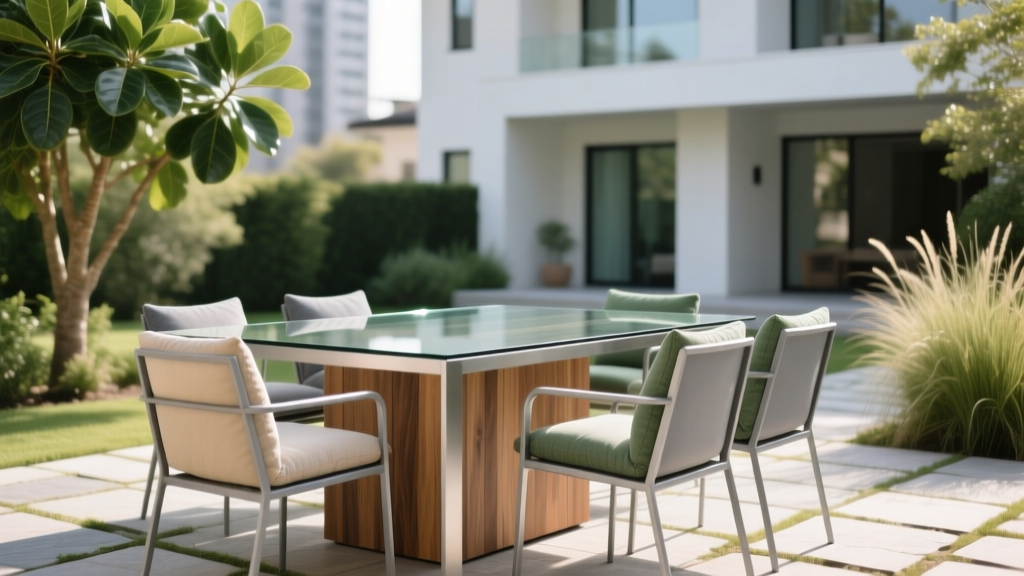
Best Outdoor Dining Table Materials - The Decor Mag
An outdoor dining table is more than a place to set plates—it’s the anchor for patio living. It’s where summer dinners stretch into dusk, where friends gather for weekend brunch, and where you’ll inevitably end up working outside “just for an hour” when the weather is perfect. Because it plays such a central role in outdoor living spaces, the material you choose affects everything: comfort, style, maintenance, longevity, and how often you actually use your patio or garden.
The right table material also helps your landscape design feel intentional. A modern paver patio and a coastal garden might call for a different table than a rustic stone terrace tucked under mature trees. Add climate factors—scorching sun, salty air, heavy rain, freeze-thaw winters—and the choice becomes even more important. Below, you’ll find the most reliable outdoor dining table materials, how they perform, what they cost, and which designs pair beautifully with common backyard landscaping styles.
How to Choose the Right Outdoor Dining Table Material
Before comparing materials, narrow your needs. A table that thrives on a covered porch in a mild climate may fail fast on an exposed, south-facing deck.
Quick decision checklist
- Climate exposure: Full sun? Frequent rain? Coastal salt? Snow and freeze-thaw?
- Placement: Open patio vs. pergola-covered dining area vs. screened porch.
- Use pattern: Daily family meals, occasional entertaining, or year-round outdoor dining.
- Maintenance tolerance: Wipe-and-go vs. seasonal sealing and refinishing.
- Weight and mobility: Do you move furniture for parties or store it in winter?
- Design style: Modern, coastal, farmhouse, Mediterranean, desert contemporary, woodland.
Recommended sizes for comfortable patio dining
- 4 people: 36–48" round or 48" rectangular
- 6 people: 60–72" rectangular or 48–54" round
- 8 people: 84–96" rectangular (or an extendable table)
Layout tip: Leave 36" minimum clearance around the table; 42–48" feels luxurious and works better with garden paths, outdoor kitchens, and sliding doors.
Top Outdoor Dining Table Materials (Pros, Cons, Best Uses)
1) Teak: The gold standard for outdoor wood
Teak is the classic choice for luxury outdoor furniture because its natural oils make it highly resistant to moisture, rot, and insects. It can live outdoors year-round in many climates, even without constant babying.
- Best for: Coastal patios, poolside dining, uncovered decks, year-round outdoor living
- Look: Warm, timeless, pairs with natural stone, brick patios, and lush landscaping
- Maintenance: Low to moderate. It will weather to a silvery gray if left untreated. Use a teak cleaner/brightener annually if you want a golden tone.
- Budget range: $800–$3,500+ (depending on size and quality)
Design recommendation: Pair a teak table with black powder-coated aluminum chairs for a crisp, modern-heritage contrast. Add a large outdoor rug (polypropylene) to visually “room out” the dining zone on a big patio.
Plant pairing: Teak’s warmth looks stunning with soft, architectural greenery—boxwood spheres, rosemary standards, hydrangeas, and upright grasses like feather reed grass.
2) Powder-Coated Aluminum: Lightweight, modern, and weather-smart
For homeowners who want minimal maintenance and a clean contemporary look, powder-coated aluminum is one of the best outdoor dining table materials. It won’t rust, it’s easy to move, and it handles rain well.
- Best for: Rainy climates, covered patios, modern patios, smaller decks where weight matters
- Look: Sleek, streamlined, often in matte black/white/bronze
- Maintenance: Very low. Wash with mild soap; touch up chips quickly to protect the coating.
- Budget range: $300–$1,800
Design recommendation: Use aluminum for a tight, well-planned patio layout: dining table closest to the kitchen door, a slim console or bar cart against a wall, and a grill zone off to the side. Add a pergola or shade sail to keep surfaces cooler in hot sun.
Plant pairing: Mediterranean vibe: lavender, olive (in containers), salvia, and dwarf citrus in warmer zones. Modern desert vibe: agave, yucca, and feather grass in gravel beds.
3) Stainless Steel: High-performance for coastal and contemporary spaces
Stainless steel outdoor dining tables can look stunning and last for decades, but quality matters. In salty coastal air, choose marine-grade stainless (often labeled 316) for the best corrosion resistance.
- Best for: Coastal outdoor living, contemporary landscapes, rooftop patios
- Look: Crisp, architectural, pairs well with glass railings and modern pavers
- Maintenance: Low to moderate. Wipe salt spray, avoid harsh chlorides, clean with stainless-safe products.
- Budget range: $900–$4,000+
Design recommendation: Combine stainless with a teak or ceramic tabletop insert for a warmer touch. Surround with slim-profile sling chairs for a polished, resort feel.
4) Wrought Iron & Steel: Beautiful, heavy, and best with the right finish
Metal tables made from wrought iron or steel are solid, wind-resistant, and often ornate. The main drawback is rust—especially where moisture sits or the finish gets chipped.
- Best for: Windy areas, traditional gardens, smaller bistro setups, covered patios
- Look: Classic and romantic; great for European courtyard-style patios
- Maintenance: Moderate. Inspect annually; sand and touch up paint where needed.
- Budget range: $250–$2,000
Design recommendation: If you love metalwork, keep the table smaller and use it as a flexible garden dining spot near fragrant plants. Add cushions in performance fabric and a patio umbrella for comfort.
Plant pairing: Climbing roses on a trellis, jasmine near seating, and containers of geraniums or herbs for a courtyard mood.
5) High-Pressure Laminate (HPL): Durable, design-forward, and easy to clean
HPL tabletops are made from resin-infused layers pressed under high heat. They’re popular for modern outdoor dining because they resist stains, scratches, and moisture better than many wood alternatives.
- Best for: Busy families, frequent entertaining, covered or semi-covered patios
- Look: Can mimic concrete, wood, or stone; clean lines for modern patio design
- Maintenance: Very low. Wipe clean; avoid placing scorching pans directly on the surface.
- Budget range: $500–$2,500
Design recommendation: Choose an HPL “concrete look” top to complement a paver patio without the weight and sealing needs of real concrete.
6) Concrete: Sculptural and tough (but heavy and temperature-sensitive)
Concrete outdoor dining tables deliver serious style. They look incredible in modern landscaping, desert contemporary yards, and minimalist garden design. They’re also heavy—great for wind, not great if you like to rearrange.
- Best for: Modern patios, high-wind areas, permanent outdoor dining zones
- Look: Monolithic, architectural, pairs with gravel, large-format pavers, and corten steel accents
- Maintenance: Moderate. Seal to help prevent stains; clean spills quickly. In freeze-thaw climates, quality and sealing matter.
- Budget range: $800–$4,500+
Seasonal tip: Concrete can get hot in summer sun and cold in shoulder seasons. Add comfortable chairs with cushions and consider a pergola, umbrella, or shade tree to moderate temperatures.
Plant pairing: Bold, structural plants: dwarf conifers, alliums, ornamental grasses, sedum, and large ceramic planters with trailing rosemary.
7) Stone (Granite, Travertine, Slate): Elegant, substantial, and climate-dependent
Natural stone tabletops bring a luxe, resort feel to outdoor dining. Performance depends on the stone type. Granite is typically more stain-resistant; travertine is porous and benefits from sealing; slate can flake in harsh freeze-thaw cycles if lower quality.
- Best for: Mediterranean patios, pool terraces, upscale outdoor kitchens
- Look: Timeless and natural; coordinates with stone retaining walls and garden hardscaping
- Maintenance: Moderate. Seal porous stone; use coasters; avoid acidic cleaners.
- Budget range: $1,000–$6,000+
Design recommendation: If you already have stone in your landscape design (retaining wall, outdoor fireplace, or paver border), matching undertones (warm beige vs. cool gray) makes the outdoor dining area feel cohesive.
8) Recycled Plastic & HDPE: Budget-friendly, eco-minded, and surprisingly tough
HDPE (often made from recycled plastics) is a smart pick for homeowners who want low-maintenance patio furniture that can handle sun, rain, and kids. It won’t rot or rust, and many brands offer solid warranties.
- Best for: Family-friendly backyards, pool areas, wet climates, casual patio living
- Look: Often thicker profiles; available in many colors
- Maintenance: Very low. Soap and water; occasional deep clean.
- Budget range: $400–$2,000
Design recommendation: Choose neutral tones (white, graphite, driftwood) for a more elevated look, then add style with planters, lighting, and outdoor textiles.
Best Material by Climate: A Practical Match Guide
- Coastal / salt air: Teak, marine-grade stainless (316), powder-coated aluminum, HDPE
- Hot, intense sun: Powder-coated aluminum, teak, HPL, HDPE (use shade to prevent heat buildup)
- Rainy / humid regions: Aluminum, teak, HPL, HDPE (avoid untreated softwoods)
- Freeze-thaw winters: Teak, aluminum, HDPE; choose high-quality sealed concrete/stone if you love that look
- High wind: Concrete, wrought iron/steel (properly finished), heavier stone tops
Year-round outdoor living setup
If you want four-season patio living, combine material choice with smart comfort upgrades:
- Add a pergola or roof extension to reduce sun and rain exposure
- Use furniture covers that breathe (avoid trapping moisture)
- In cool seasons, add outdoor-rated heaters or a fire pit nearby (with safe clearance)
- Install layered lighting: string lights + wall sconces + pathway lights for safer navigation
Outdoor Dining Design Recommendations (Layouts, Materials, and Planting)
Layout ideas that feel designer-approved
- Kitchen-to-table “straight shot”: Place the dining table within 10–20 feet of the back door for easy serving. Add a slim console for platters and drinks.
- Dining under a canopy: Pergola + climbing vines (like star jasmine in warm climates) creates a natural ceiling and a more comfortable microclimate.
- Garden destination dining: Put a smaller table deeper in the yard—near a water feature or under a shade tree—and connect it with a clear paver or gravel path.
Plants that make outdoor dining areas feel lush (without constant mess)
- Low-litter evergreens: Boxwood, Japanese holly, podocarpus (warm zones)
- Fragrant picks near seating: Lavender, rosemary, thyme, scented geraniums (in pots)
- Ornamental grasses for movement: Feather reed grass, blue fescue (drier areas)
- Pollinator-friendly but patio-appropriate: Salvia, nepeta (catmint), gaura (place a few feet away from the tabletop)
- Shade-makers: Small trees like olive (warm climates), crepe myrtle (many regions), or serviceberry (cooler climates)
Planting tip: Keep buzzing flowers 5–8 feet from the table to reduce insects during meals, and use containers to control placement.
Maintenance Tips That Actually Extend Table Life
- Use the right cover: Choose a fitted, vented cover to prevent trapped moisture and mildew.
- Protect the surface: Use placemats for textured stone/concrete and trivets for hot dishes (even outdoors).
- Rinse coastal furniture: A quick freshwater rinse reduces salt buildup on metal frames.
- Keep table legs off constant puddles: Slightly regrade or add a thin furniture pad under feet on uneven pavers.
- Seasonal refresh: Spring wash + late-summer inspection (chips, loose hardware) prevents small issues from becoming replacements.
Common Mistakes to Avoid
- Buying indoor materials for outdoor use: Veneers, untreated woods, and low-grade steel won’t last on a patio.
- Ignoring heat and glare: Glass and dark metal can get uncomfortably hot in full sun; plan shade or pick cooler-touch surfaces.
- Choosing a table that’s too big for the patio: If chairs scrape walls or block walkways, the space won’t feel relaxing.
- Overlooking wind: Lightweight tables can become a hazard on breezy decks—choose heavier bases or add wind-smart placement.
- Assuming “rust-proof” means maintenance-free: Powder coating still needs chip repairs; stainless still needs cleaning in coastal conditions.
- Not planning for storage: If you live with snow or heavy storms, decide now whether you’ll cover, store, or leave furniture out.
Budget Ranges: What to Expect for a Quality Outdoor Dining Table
- Budget-friendly ($250–$700): Basic aluminum, steel (better under cover), smaller HDPE tables
- Mid-range ($700–$1,800): Larger aluminum tables, entry-level teak, quality HPL tops
- Premium ($1,800–$4,500+): High-grade teak, marine stainless, concrete, natural stone, designer collections
Where to spend more: If your table will sit uncovered, prioritize a top-tier finish and proven materials (teak, quality aluminum, marine stainless). If it’s under a roof, you can stretch your budget further.
FAQ: Outdoor Dining Table Materials
What is the longest-lasting outdoor dining table material?
High-quality teak, powder-coated aluminum, and marine-grade stainless steel are among the longest-lasting choices for outdoor furniture. Longevity depends heavily on exposure (sun, salt, snow) and basic upkeep.
What’s best for a coastal patio with salty air?
Choose teak, marine-grade (316) stainless steel, powder-coated aluminum, or HDPE. Avoid low-grade steel and be cautious with porous stone unless you’re diligent about sealing and cleaning.
Do I need to seal a concrete or stone outdoor table?
Sealing is strongly recommended for concrete and many natural stones to help prevent stains and moisture intrusion. Reseal on the schedule recommended by the manufacturer (often every 1–3 years, depending on exposure).
Is teak hard to maintain?
Teak is fairly easy. If you like the weathered gray look, maintenance can be minimal. If you want it to stay golden, plan on periodic cleaning and a teak protector. Avoid heavy varnishes outdoors—they tend to peel.
What material stays coolest in hot weather?
In direct sun, most surfaces warm up. Lighter colors and shaded placement help the most. Teak and HPL are often more comfortable than dark metal or glass, and aluminum performs well when paired with shade and lighter finishes.
Is a glass outdoor dining table a good idea?
Glass can work in covered, low-wind areas, but it shows dirt and water spots quickly, can create glare, and may feel too hot in sun. For most patios, homeowners find teak, aluminum, HPL, concrete, or stone more practical.
Next Steps: Pick Your Material, Then Finish the Space
Start by matching your table material to your climate and how you actually use your outdoor living space. If you want a forever classic, choose teak. If you want low-maintenance patio furniture that looks sharp year-round, go with powder-coated aluminum or HPL. If you’re building a statement-making outdoor dining room, consider concrete or stone—paired with the right seating, shade, and lighting.
Once the table is selected, complete the patio design with:
- Shade: umbrella, pergola, or strategically placed small tree
- Lighting: warm string lights + path lighting for safe flow
- Greenery: containers of herbs, evergreen structure plants, and low-litter textures
- Comfort: performance cushions and an outdoor rug to define the dining zone
For more patio living inspiration, landscaping ideas, and outdoor dining design tips, explore more guides at thedecormag.com.
More Articles
 Best Outdoor Bar Orange Twist Station - The Decor Mag
 How to Design a Shade Tolerant Border - The Decor Mag
 Outdoor Pergola Fairy Light Draping Guide - The Decor Mag
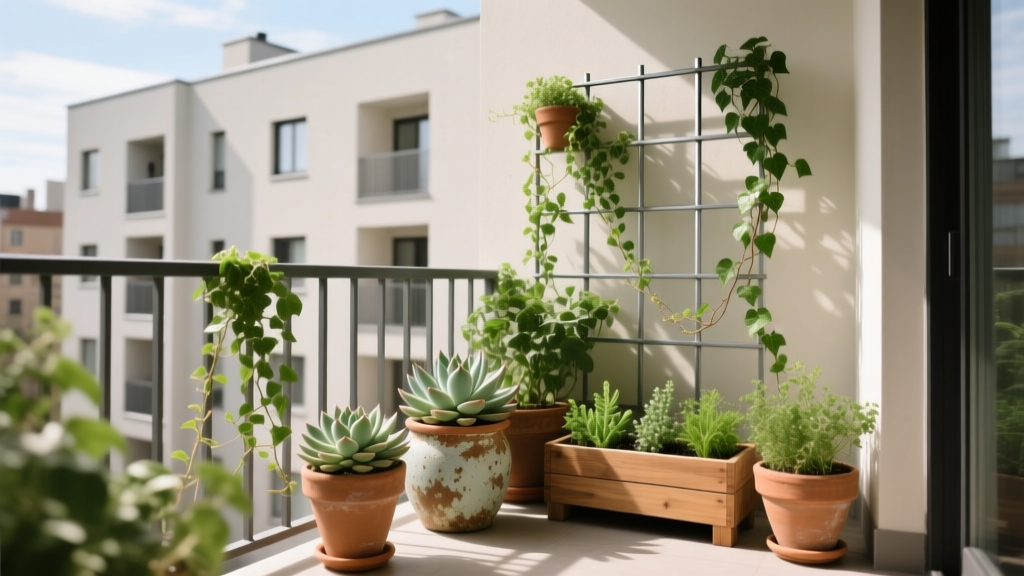 Small Balcony Garden Design Inspiration - The Decor Mag
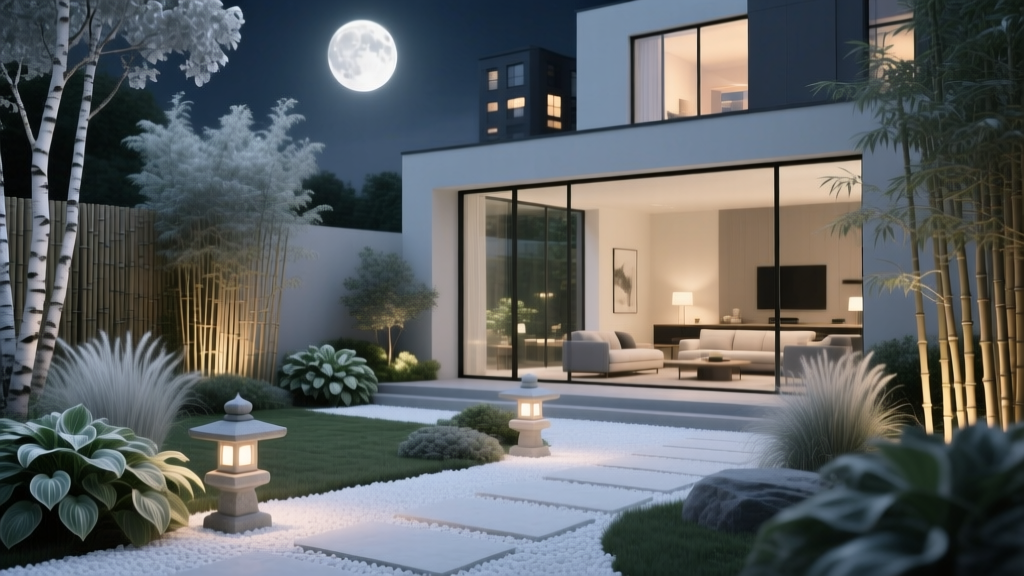 How to Design a Moonlight Garden - The Decor Mag
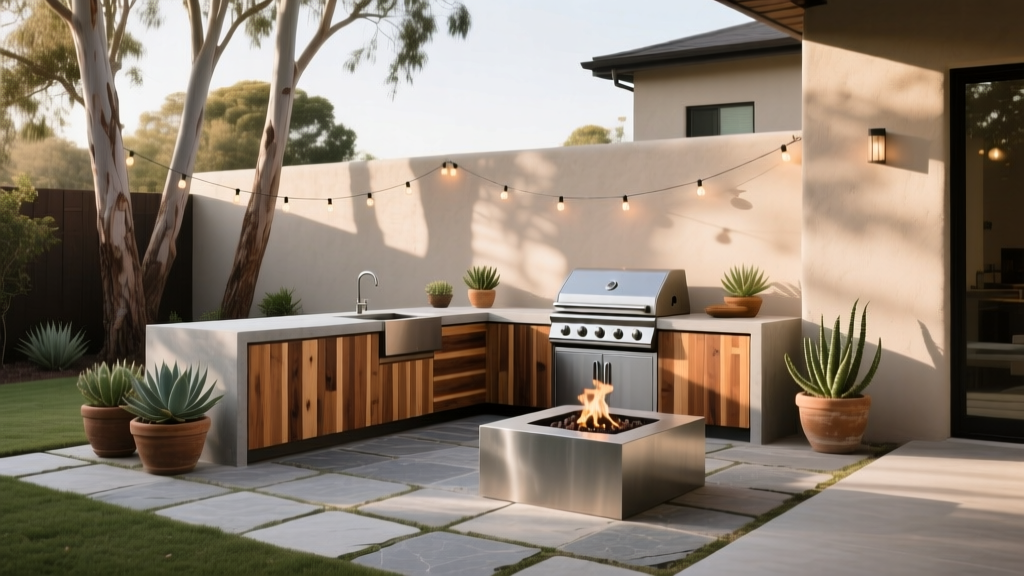 Outdoor Kitchen Cedar Plank Grill Setup - The Decor Mag
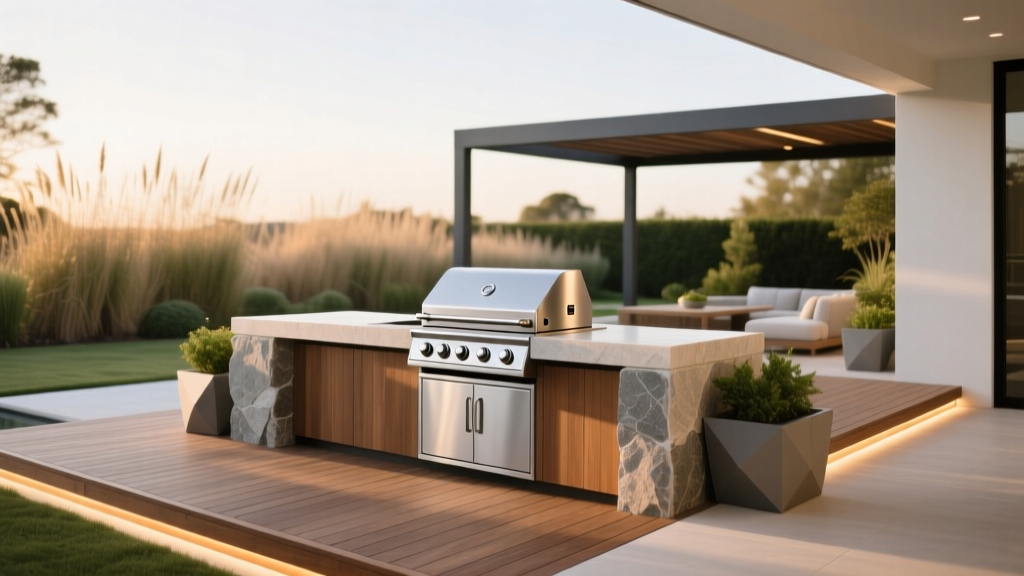 Outdoor Built-In Grill Station Ideas - The Decor Mag
 Best Outdoor Adirondack Chair Styles - The Decor Mag
 Modern Outdoor Living Space Ideas for 2026 - The Decor Mag
 Outdoor Pergola Post Base Options - The Decor Mag