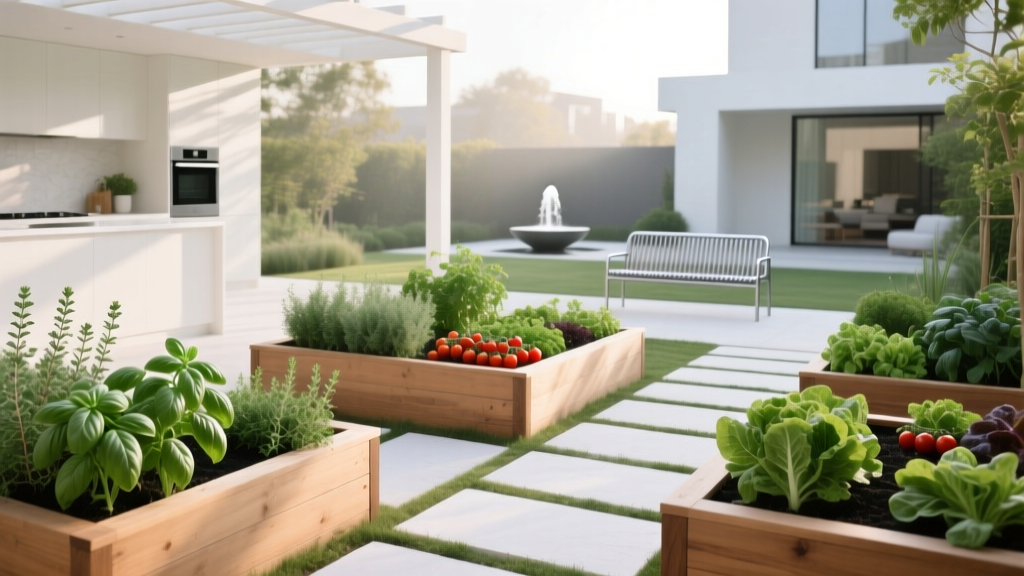
How to Design a Kitchen Garden Layout - The Decor Mag
A kitchen garden is one of the smartest upgrades you can make to your outdoor living space. It brings the best parts of landscaping and patio living together: beauty, fragrance, daily usefulness, and the simple pleasure of stepping outside to pick what you’ll cook tonight. Whether you’re working with a compact patio, a suburban yard, or a larger property, a well-designed edible garden can look as polished as any ornamental landscape—while reducing grocery runs and elevating how you use your outdoor space year-round.
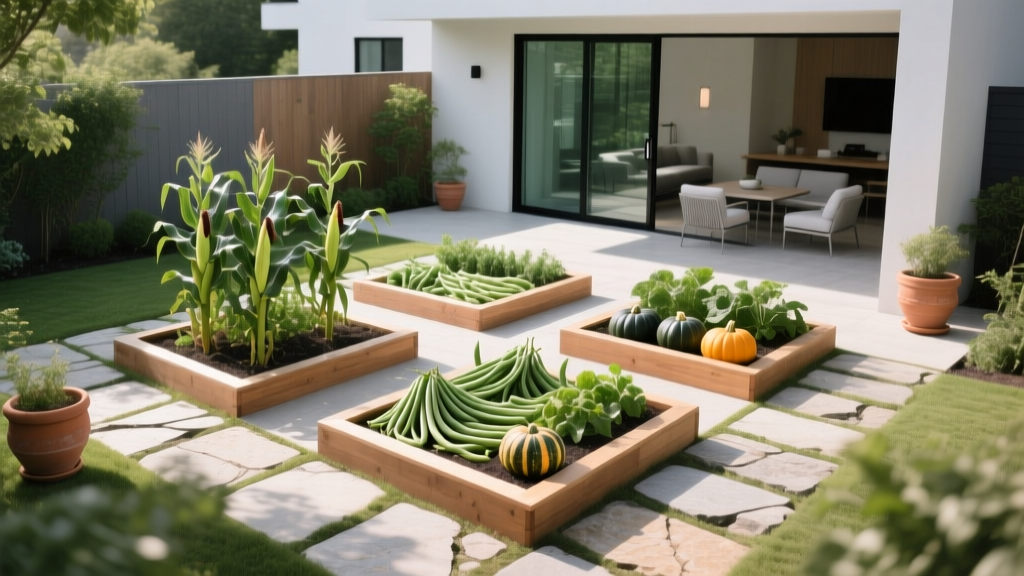
The secret is layout. A kitchen garden thrives when it’s planned like an outdoor room: easy to access, comfortable to work in, and styled to complement your home’s architecture and hardscape materials. With the right paths, raised beds, planting plan, and a few outdoor furniture choices, you can create a space that feels as inviting as a patio lounge—only greener, more fragrant, and delicious.
Start with the Purpose: What Do You Want from the Space?
Before you sketch a single bed, decide what “success” looks like for your household. The most beautiful garden won’t get used if it doesn’t match your cooking habits and schedule.
Pick your kitchen garden style
- Everyday edible garden: Herbs, salad greens, tomatoes, peppers—high-use, high-reward crops.
- Entertainer’s garden: Edible landscaping near the patio for cocktails and grilling (basil, rosemary, citrus, strawberries).
- Family learning garden: Easy, fast crops (peas, cherry tomatoes, radishes) plus space for kids to explore.
- Preserving garden: Larger area for canning/freezing staples (paste tomatoes, cucumbers, beans, onions).
Set a realistic size
A kitchen garden can be productive at any scale. A good rule: design for the time you can commit.
- Small (25–60 sq ft): 2–4 raised beds or large containers on a patio.
- Medium (80–200 sq ft): 4–8 beds, dedicated paths, compost area.
- Large (250+ sq ft): Multiple zones, seating nook, potting bench, fruit shrubs/trees.
Choose the Best Location for Sun, Access, and Outdoor Living Flow
Kitchen gardens work best when they’re close enough to use daily. Think of it as an extension of your kitchen and patio design.
Sunlight requirements
- 6–8+ hours of sun: Ideal for tomatoes, peppers, cucumbers, squash, basil.
- 4–6 hours: Great for leafy greens, parsley, cilantro, chives, some root crops.
- Less than 4 hours: Focus on shade-tolerant herbs (mint in a pot), lettuce in warm climates, and ornamental edibles.
Place it where you’ll actually harvest
- Within 20–50 feet of the kitchen door if possible.
- Along a natural route: garage-to-kitchen, patio-to-grill, back door-to-play area.
- Near a hose bib or plan for drip irrigation.
Wind, heat, and microclimates
- Use a fence, hedge, or trellis to reduce wind for tender plants.
- South-facing walls create warmth for early-season herbs and tomatoes in cooler climates.
- In hot climates, afternoon shade from a pergola edge, fruit tree canopy, or shade sail can protect greens from bolting.
Pick a Layout That Matches Your Yard and Your Routine
Great garden layout is about minimizing steps and maximizing harvest. These tried-and-true designs work beautifully in modern outdoor design and traditional landscapes alike.
1) Classic grid (clean, efficient, easy to expand)
Best for medium to large yards and homeowners who like structure.
- Use 3–4 foot wide raised beds with straight paths.
- Add an arbor or trellis at the entrance for a “garden room” feel.
- Ideal for crop rotation and tidy maintenance.
2) L-shaped kitchen garden (perfect near patios and outdoor kitchens)
Best for patio living areas where you want edibles within reach.
- Build raised beds along two edges of the patio or along a fence line.
- Keep the inside corner for a potting bench, grill prep counter, or herb table.
- Use matching hardscape materials to tie it into the patio design.
3) Keyhole bed (high yield in small spaces)
A keyhole garden is a circular or horseshoe-shaped bed with a path that cuts in, letting you reach everything without stepping in soil.
- Great for compact backyards and side yards.
- Works well with a central compost basket in some designs.
- Softens the look with curves—beautiful for landscaping-style edible gardens.
4) Container and vertical garden (best for decks, balconies, and small patios)
- Use large planters (15–25 gallons) for tomatoes and peppers.
- Install wall-mounted planters for herbs near an outdoor dining area.
- Add a sturdy trellis for cucumbers, peas, beans, and climbing squash varieties.
Build Raised Beds and Paths Like You’re Designing a Patio
The materials you choose affect the garden’s style, longevity, and maintenance—just like any outdoor living renovation.
Raised bed sizing (comfort first)
- Width: 3–4 feet max (so you can reach the center).
- Length: 6–12 feet is manageable; longer beds can feel imposing.
- Height: 12–18 inches is standard; 24–30 inches for more ergonomic gardening.
- Path width: 36 inches for comfortable walking; 42–48 inches for wheelbarrows and accessible design.
Best materials for raised beds
- Cedar or redwood: Naturally rot-resistant, warm and classic. Budget: $150–$500 per bed depending on size and thickness.
- Galvanized metal kits: Modern look, long-lasting, quick to install. Budget: $120–$400 per bed.
- Stone or masonry: Most permanent and high-end; excellent thermal mass for season extension. Budget: $800–$3,000+ depending on stone and labor.
- Avoid: Old railroad ties or unknown treated lumber where you grow edibles.
Path materials that feel good underfoot
- Decomposed granite: A favorite in landscape design; compacted and clean-lined. Budget: $2–$6/sq ft installed.
- Gravel (pea gravel or 3/8” crushed): Excellent drainage, easy DIY. Budget: $1–$4/sq ft plus edging.
- Pavers: Polished patio look, low mud factor. Budget: $8–$25/sq ft installed.
- Mulch: Soft and inexpensive, but needs replenishing. Budget: $0.50–$2/sq ft.
Pro tip: Use steel, stone, or paver edging to keep paths crisp and prevent gravel from migrating into beds.
Plant Choices That Look Beautiful and Cook Even Better
A kitchen garden should be productive, but it can also be styled like a showpiece. Mix textures, heights, and colors the way you would in ornamental landscaping.
High-impact, high-use plants (great for beginners)
- Herbs: Basil, parsley, chives, thyme, oregano, rosemary (rosemary is great as a low hedge in mild climates).
- Greens: Lettuce mixes, arugula, spinach, Swiss chard (chard adds bold color).
- Fruit veggies: Cherry tomatoes, peppers, bush cucumbers, zucchini (give it room), eggplant in warm climates.
- Roots: Radishes (fast), carrots (deep soil), beets (greens + roots).
Edible plants that double as landscaping
- Blueberries: Beautiful shrubs with seasonal interest; need acidic soil.
- Thyme and creeping oregano: Edible edging near paths.
- Globe artichoke: Dramatic, architectural foliage (best in mild climates).
- Strawberries: Great groundcover in beds or hanging planters.
- Bay laurel: Excellent in a pot near an outdoor kitchen; bring indoors in cold climates.
Smart bed zoning: plant by height and access
- Put tall crops (trellised tomatoes, beans) on the north side of beds to avoid shading others.
- Place harvest-often herbs and greens closest to paths and the patio.
- Group plants with similar water needs together (Mediterranean herbs prefer drier conditions than lettuce).
Design Features That Make the Garden Feel Like an Outdoor Room
When a kitchen garden is comfortable, it becomes a destination—part of your year-round outdoor living routine, not a chore.
Furniture and work zones
- Bistro set or garden bench: Place at the edge for coffee breaks and quick harvest sessions. Budget: $150–$800.
- Potting bench or outdoor prep counter: A simple stainless table or weatherproof cabinet creates a “garden kitchen” feel. Budget: $120–$1,500.
- Storage: A small deck box keeps pruners, gloves, and twine handy. Budget: $60–$300.
Vertical elements that add style and yield
- Trellises and arbors: Train peas, beans, cucumbers, and climbing roses (if you want ornamental fragrance nearby).
- Espalier fruit trees: Ideal along fences for a designer look with edible payoff.
- Cattle panels: Affordable, sturdy arches for vines—great for modern garden design. Budget: $30–$80 per panel.
Lighting for evening patio living
- Low-voltage path lights: Safer harvesting and a polished landscape look.
- String lights on an arbor: Warm ambiance for dinners near the garden.
- Solar spotlights: Highlight a rosemary hedge or citrus in pots.
Watering, Soil, and Maintenance Planning (So You Don’t Burn Out)
Maintenance is where kitchen gardens succeed or fail. Build ease into the design from day one.
Best watering approach
- Drip irrigation: Most efficient and reduces leaf disease. Budget: $50–$200 for DIY kits; more for multi-zone systems.
- Soaker hoses: Simple and effective for straight beds.
- Hand watering: Works for small containers, but plan for travel and hot weeks.
Soil setup for raised beds
- Fill beds with a blend of quality topsoil + compost (and a little aeration material like pine fines if needed).
- Top-dress with compost each season to keep soil fertile.
- Mulch with straw or shredded leaves to reduce weeds and conserve water.
Seasonal strategy for year-round outdoor living
- Spring: Cool crops (peas, lettuce, spinach) and herb planting; refresh mulch.
- Summer: Heat lovers (tomatoes, peppers); shade cloth for greens in hot climates.
- Fall: Second round of greens; plant garlic; tidy beds for a clean landscape look.
- Winter: Use low tunnels/cold frames in mild climates; plan layout updates and order seeds.
Climate Considerations: Design for Your Region
- Hot and dry (Southwest, interior heat): Prioritize drip irrigation, deeper mulch, and partial afternoon shade. Choose heat-tolerant varieties (okra, eggplant, peppers, basil). Consider light-colored gravel to reduce heat islands.
- Humid and rainy (Southeast): Wider spacing for airflow, trellising, and mulching to prevent soil splash. Choose disease-resistant tomato varieties; water at the base.
- Cool/short season (upper Midwest, mountain regions): Raised beds warm earlier. Add frost cloth, cloches, or cold frames. Grow fast producers (greens, peas) and short-season tomatoes.
- Coastal/windy: Windbreak hedges and sturdy trellises; select salt-tolerant plants where applicable and protect seedlings.
Common Kitchen Garden Layout Mistakes to Avoid
- Placing the garden too far from the house: Convenience drives daily harvesting.
- Making beds too wide: If you can’t reach the center comfortably, you’ll compact soil and avoid tending it.
- Skipping paths and edging: Muddy, weedy walkways make the space feel unfinished and harder to maintain.
- Overplanting: Crowded plants invite disease and lower yields—give crops breathing room.
- Ignoring water access: Dragging hoses across patios and furniture gets old fast; plan irrigation early.
- Planting without a seasonal plan: Empty beds mid-year can look messy—stagger plantings and keep a few “gap fillers” like basil, dill, and marigolds.
FAQ: Kitchen Garden Layout Questions Homeowners Ask
How big should a kitchen garden be for a family of four?
A practical starter size is 80–150 square feet (for example, four 4' x 8' beds). Expand after you learn what your household actually eats and what you enjoy growing.
What is the best layout for a small patio kitchen garden?
Choose containers + vertical trellising or an L-shaped bed along the patio edge. Keep herbs closest to the door and add a slim prep surface or potting bench for convenience.
What materials are safest for raised beds?
Cedar, redwood, and food-safe galvanized metal are popular, durable options for edible garden design. If you’re painting or sealing wood, use products labeled for garden or food-safe use.
How do I make a kitchen garden look polished, like part of my landscaping?
Repeat materials from your patio design (pavers, gravel, stone), add crisp edging, use symmetrical bed spacing, and include vertical structure like an arbor. Mix in edible landscaping plants such as rosemary, blueberries, and chard for color.
What are the easiest vegetables and herbs for beginners?
Start with basil, chives, parsley, lettuce, radishes, cherry tomatoes, and peppers. They’re productive, forgiving, and rewarding for everyday cooking.
Can I design a kitchen garden that works in winter?
Yes. In mild climates, grow cool-season greens and herbs year-round. In colder regions, use cold frames, low tunnels, and raised beds that warm early in spring, and keep the space visually appealing with evergreen herbs in pots and tidy paths.
Actionable Next Steps: Your Simple Plan for a Great Kitchen Garden
- Walk your yard and identify the sunniest, most convenient spot near your patio or back door.
- Choose a layout (grid, L-shape, keyhole, or container/vertical) based on space and how you cook.
- Lock in bed and path dimensions for comfort: 3–4' bed width and 36–48" paths.
- Pick materials that match your outdoor design style—cedar, metal, or stone—and a path surface that stays clean in wet seasons.
- Start with 6–10 staple plants you’ll harvest weekly, then add seasonal favorites as confidence grows.
- Install drip or soaker irrigation to protect your time and keep the garden thriving during heat waves and travel.
A thoughtfully designed kitchen garden layout doesn’t just grow food—it upgrades your entire outdoor living experience, turning a corner of the yard into a destination that supports patio dining, weekend gatherings, and everyday routines. For more inspiring landscaping ideas, patio design guides, and outdoor garden upgrades, explore the latest on thedecormag.com.
More Articles
 How to Create Privacy in Your Yard - The Decor Mag
 Outdoor Pavilion and Cabana Structures - The Decor Mag
 How to Design a Sensory Herb Garden - The Decor Mag
 How to Create a Butterfly Garden - The Decor Mag
 Trends for Height: Elevating Outdoor Living with Smart Vertical Design
 Best Bedroom Inspiration for Cozy: Science-Backed Design Strategies That Warm Your Space and Improve Sleep
 How to Create an Outdoor Dining Area - The Decor Mag
 Best Outdoor String Light Arrangements - The Decor Mag
 Outdoor Living Style Buying Guide: Matching Aesthetics, Function, and Climate for Lasting Impact
 How to Create a Three Sisters Garden - The Decor Mag