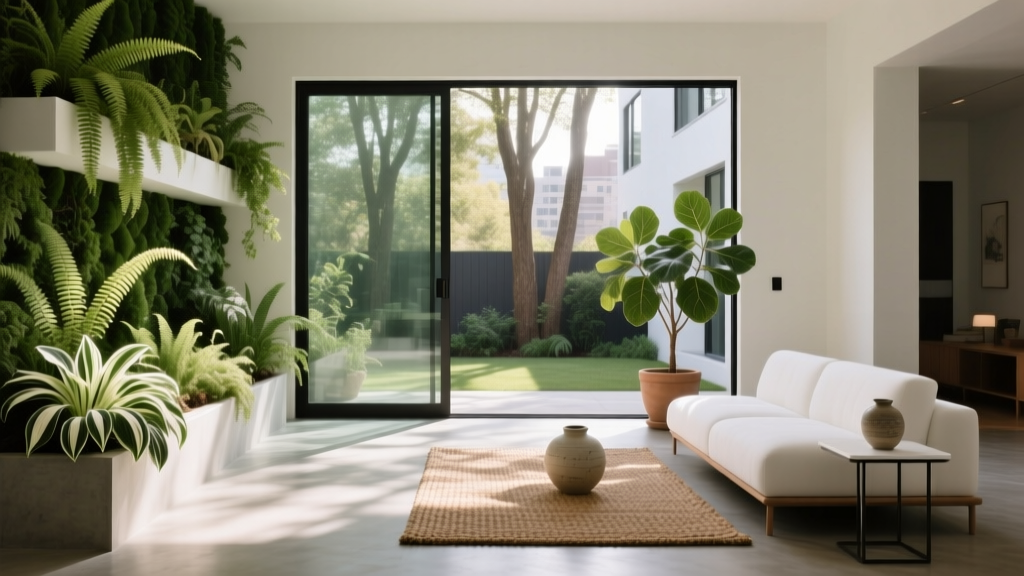
How to Create a Shade Garden - The Decor Mag
A shady yard doesn’t have to feel like a compromise—it can become the most inviting “outdoor room” on your property. When the sun is blazing, a well-designed shade garden stays cooler, feels calmer, and naturally encourages you to linger with a book, a drink, or friends around the patio. It’s also one of the smartest ways to elevate outdoor living where turf struggles, where trees dominate, or where homes cast deep shadows across the landscape.
Shade gardens shine because they’re layered, textural, and lush. Instead of relying on flowers alone, they lean into foliage, structure, and seasonal shifts—glossy leaves, feathery fronds, dramatic shapes, and blooms that pop in low light. With the right plants, hardscape materials, and a comfortable seating area, shade becomes an advantage you can design around for year-round patio living.
Below is a practical, designer-approved roadmap for creating a shade garden that looks intentional, supports outdoor entertaining, and stays beautiful through the seasons.
Step 1: Read the Shade—Know What You’re Working With
Types of shade
- Dappled shade: Filtered light under open-canopy trees. Ideal for many flowering shade plants.
- Part shade: 3–6 hours of sun, usually morning or late afternoon. Great for hydrangeas, heuchera, and many perennials.
- Full shade: Less than 3 hours of sun. Focus on foliage, texture, and shade-tolerant groundcovers.
- Deep/dry shade: Under dense evergreens or large trees where roots compete for moisture. Requires the toughest plant palette and better soil prep.
Quick site checklist
- Soil moisture: Is it damp, average, or bone-dry under trees?
- Drainage: Does water pool after rain (common on north sides)?
- Wind: Shady corners can be sheltered or surprisingly gusty near structures.
- Traffic: Where do you walk from house to patio, garage, or gate?
Step 2: Build Great Soil (Shade Gardens Are Won in the Ground)
Many shade areas suffer from compacted soil, tree root competition, or years of leaf litter that breaks down unevenly. Your plants will only look as good as the soil you give them.
Soil upgrades that make a visible difference
- Top-dress with compost: Add 1–2 inches of high-quality compost in spring and again in fall.
- Use shredded leaf mulch: It mimics woodland conditions and improves soil texture over time.
- Amend clay: Mix compost plus fine pine bark to loosen structure.
- Boost sandy soil: Compost + leaf mold helps hold moisture longer.
Pro tip for tree-root areas
Avoid aggressive digging that can damage roots. Instead, build up with organic matter and plant smaller plugs or bare-root plants in pockets. Over time, the soil improves and plants establish with less stress.
Step 3: Choose a Layout That Feels Like an Outdoor Living Space
The most successful shade gardens don’t look like “leftover space.” They connect to the patio, frame a view, and create destinations—especially if you want true outdoor living and not just landscaping.
Three shade-garden layout approaches that work
- Woodland path + seating nook: A stepping-stone or gravel path leading to a bench or bistro set under trees.
- Patio-edge border: Deep planting beds around a shaded patio, using layers for privacy and softness.
- Courtyard shade garden: For narrow side yards: vertical vines on trellis, slim planters, wall lighting, and a small café table.
Hardscape materials that look great in shade
- Decomposed granite (DG): Natural, permeable, and budget-friendly. Best with proper edging.
- Natural stone: Bluestone, flagstone, or limestone—adds timeless texture and grip in damp areas.
- Brick: Warm and classic, especially for cottage-style shade gardens.
- Composite decking (for low-light patios): Resists moisture, rot, and algae better than many woods.
Safety note: Shaded patios can stay damp. Choose textured pavers or honed stone with slip resistance, and keep leaf litter swept off walkways.
Step 4: Pick Shade Plants That Create Layers, Texture, and Season-Long Interest
Think like an interior designer: start with the “walls” (shrubs), then the “furniture” (large perennials), then the “decor” (groundcovers and accents). In shade, foliage is the star—flowers are the bonus.
Top shrubs for shade (structure + privacy)
- Hydrangea (Hydrangea macrophylla, H. quercifolia): Big impact near patios; oakleaf offers strong fall color.
- Azalea/Rhododendron: Spring color and evergreen presence in many climates.
- Holly (Ilex): Many shade-tolerant varieties; great for year-round structure.
- Camellia: Glossy leaves and winter-to-spring blooms in mild climates.
- Mountain laurel (Kalmia latifolia): Beautiful blooms, woodland feel, part shade.
Go-to perennials for shade (texture + reliable performance)
- Hosta: Bold leaves, tons of varieties; great edging and massing.
- Heuchera (coral bells): Colorful foliage—plum, caramel, lime—ideal for contrast.
- Ferns (Japanese painted fern, lady fern, autumn fern): Instant woodland atmosphere and soft movement.
- Astilbe: Feathery blooms; loves consistent moisture.
- Brunnera: Silvery leaves that brighten dim corners; tiny spring flowers.
- Hellebore: Late winter/early spring blooms; evergreen in many regions.
- Japanese forest grass (Hakonechloa): Cascading form that looks designer-level along paths.
Groundcovers that reduce weeding and soften edges
- Wild ginger (Asarum): Dense, glossy leaves; excellent under shrubs.
- Foamflower (Tiarella): Pretty spring blooms and spreading habit.
- Sweet woodruff: Fragrant and fast in moist shade (can spread quickly).
- Sedges (Carex): Grass-like texture that handles shade better than turf.
Small trees and vertical interest (for layered landscaping)
- Japanese maple: Sculptural branching, vivid fall color, perfect near patios.
- Serviceberry: Spring blooms, berries for birds, fall color (part shade).
- Climbing hydrangea: Incredible on shady walls or pergola posts; slow to start, worth the wait.
Planting combinations that look polished
- Modern shade border: Hostas + black mondo grass (where hardy) + white hydrangea + silver brunnera.
- Woodland cottage: Ferns + astilbe + hellebores + foamflower + oakleaf hydrangea.
- Dry shade under trees: Epimedium + sedges + hellebores + hardy geranium (part shade) + mulch.
Step 5: Make Shade Feel Bright—Color, Contrast, and Lighting
Shade can read “flat” if everything is the same green. The trick is contrast: light foliage against dark evergreens, large leaves against fine textures, matte leaves next to glossy ones.
Design tricks that instantly lift a shady landscape
- Use light-reflecting foliage: Silver, chartreuse, and variegated plants make corners feel sunlit.
- Add dark anchors: Deep greens and burgundies create depth (think heuchera or dark-leaf shrubs).
- Repeat shapes: Drift hostas in groups of 3–7; repeat ferns along a path.
- Layer heights: Tall shrubs in back, mid perennials, low groundcover at edges.
Outdoor lighting ideas for year-round patio living
- Low-voltage path lights: Improves safety and highlights textures at night.
- Uplighting on trunks: Makes trees feel architectural and adds ambient glow.
- String lights under a canopy: Cozy for dining and entertaining without harsh glare.
- Step lights and wall sconces: Ideal for shaded patios and stair transitions.
Step 6: Choose Furniture and Accessories That Thrive in Shade
Shade gardens are made for lounging. The key is selecting outdoor furniture and fabrics that can handle moisture, leaf debris, and lower airflow.
Best furniture materials for shaded patios
- Powder-coated aluminum: Rust-resistant, lightweight, easy to clean.
- All-weather wicker (HDPE resin): Looks warm, performs well in humid shade.
- Teak: Premium and long-lasting; will silver over time. Great for benches.
- Concrete or fiberstone tables: Stable and stylish; pair with lighter chairs.
Soft goods that stay fresh
- Solution-dyed acrylic cushions (Sunbrella-style fabrics): Resists mildew and fading.
- Quick-dry foam inserts: A game-changer in damp shade.
- Outdoor rug in polypropylene: Adds comfort; choose a breathable weave and lift periodically to dry.
Simple layout ideas for comfort
- Conversation zone: 2 lounge chairs + small sofa + 36–42" coffee table, anchored by an outdoor rug.
- Bistro moment: 24–30" round table + two chairs tucked into a shady corner for morning coffee.
- Bench on a path: Place a bench where you naturally pause—near a gate, under a tree, or facing a focal plant.
Budget Ranges: What a Shade Garden Can Cost
Costs depend on the size, whether you’re adding hardscape, and how mature your plants are at installation.
- Starter refresh ($300–$1,000): Mulch, compost, 10–25 perennials/groundcovers, a simple bench, and solar path lights.
- Mid-range makeover ($1,500–$6,000): Expanded beds, edging, drip irrigation, larger shrubs, a bistro set, and low-voltage lighting.
- Full outdoor living upgrade ($7,000–$20,000+): New patio or decking, built-in seating, premium lighting, specimen trees, and a cohesive planting design.
Climate and Maintenance Considerations (Shade Isn’t “No Maintenance”)
Watering
- Moist shade: Watch for soggy soil; improve drainage with organic matter and avoid overwatering.
- Dry shade: Install drip irrigation or soaker lines under mulch, especially under mature trees.
Mulch strategy
- Apply 2–3 inches of shredded bark or leaf mulch; keep it a few inches away from stems and tree trunks.
- Refresh lightly each spring; top-dress with compost in fall for a more natural woodland cycle.
Seasonal care for year-round appeal
- Spring: Clean up winter debris, divide overcrowded perennials, add compost, check irrigation.
- Summer: Watch for slugs, powdery mildew, and drought stress in dry shade; deadhead where needed.
- Fall: Use leaves as mulch (shred first), plant bulbs where you get spring light, add new shrubs.
- Winter: Highlight evergreens, bark texture, and lighting; protect tender plants with leaf mulch in cold climates.
Common Mistakes to Avoid
- Planting “sun” flowers in shade: They’ll stretch, flop, and bloom poorly. Choose true shade plants for better results.
- Ignoring soil compaction: Poor soil leads to weak growth and constant replacements.
- Overcrowding: Shade plants often look small in year one—give them room to mature or plan for dividing.
- Using slick materials: Smooth stone or sealed surfaces can get slippery with algae in shaded patios.
- Skipping lighting: Shade gardens can disappear at night; a few well-placed lights make the space usable after dark.
- Fighting tree roots: Work with them—top-dress, plant smaller, and water deeply during establishment.
FAQ: Shade Garden Design and Care
What are the best low-maintenance shade plants?
Hosta, ferns, hellebores, brunnera, sedges (Carex), and many heucheras are dependable choices. Pair them with mulch and drip irrigation for a low-effort landscape.
Can I grow flowers in full shade?
Yes, but choose plants that bloom with limited light—hellebores, astilbe (with moisture), some hydrangeas in part shade, and shade-tolerant groundcovers with spring blooms like foamflower.
How do I keep a shaded patio from feeling dark and damp?
Use light-colored hardscape (limestone, pale gravel, light composite decking), add layered lighting (path + uplights + ambient string lights), and improve airflow by pruning lower tree branches or thinning dense shrubs.
What’s the best mulch for shade gardens?
Shredded leaf mulch or fine shredded bark works beautifully in shade, breaks down naturally, and supports soil health. Avoid thick layers of large nuggets that can trap moisture around stems.
How do I handle dry shade under mature trees?
Top-dress with compost, mulch consistently, use drip irrigation, and pick plants known for dry shade tolerance (epimedium, hellebores, sedges, some hardy geraniums in part shade). Start with smaller plants so they establish around roots.
When is the best time to plant a shade garden?
Early fall is ideal in many climates—cooler temperatures help roots establish without summer stress. Spring also works well if you can water consistently through the first hot season.
Next Steps: Turn Your Shade Into Your Favorite Outdoor Room
Start by mapping your light and moisture, then choose one clear goal: a seating nook, a lush patio border, or a woodland path. Improve the soil, pick a layered plant palette built around foliage, and finish with lighting and furniture that invites you outside even on the hottest days. Within a season, that “too shady” corner can become the coolest, calmest space in your entire landscape design.
For more outdoor living ideas, patio upgrades, and landscaping inspiration, explore the latest guides and design trends on thedecormag.com.
More Articles
 Outdoor Gazebo Design Inspiration - The Decor Mag
 How to Create a Raised Bed Garden - The Decor Mag
 Outdoor Kitchen Sink Apron Front Ideas - The Decor Mag
 How to Choose the Best Patio Furniture Set - The Decor Mag
 Best Outdoor Bar Vinegar Collection Display - The Decor Mag
 How to Design a Drought-Tolerant Landscape - The Decor Mag
 The Best Reading Color for Outdoor Living Spaces: Science, Design, and Real-World Performance
 How to Create a Succulent Garden - The Decor Mag
 Small Patio Makeover: Big Style, Tiny Footprint
 How to Design a Sensory Herb Garden - The Decor Mag