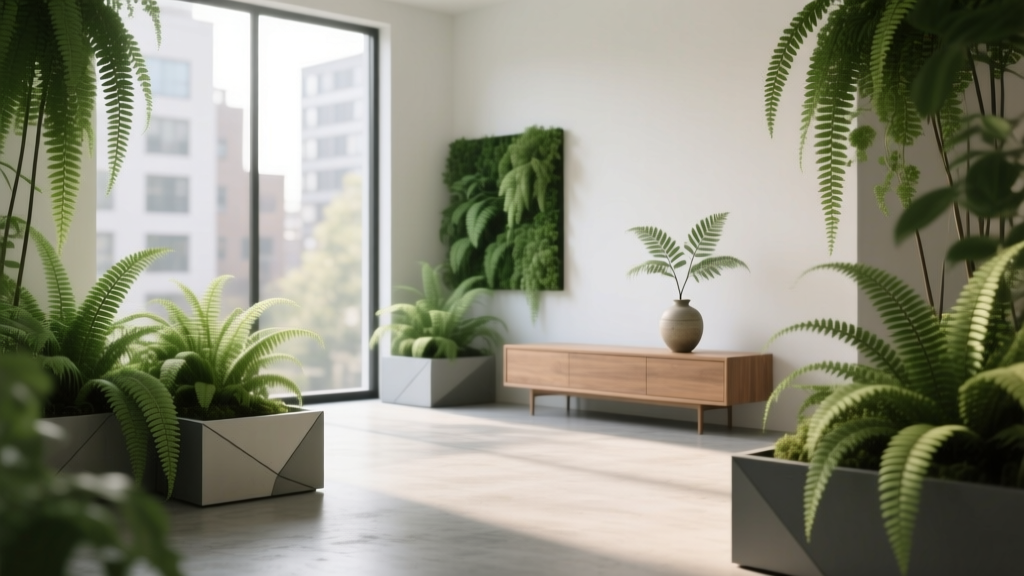
How to Design a Fern Garden - The Decor Mag
A fern garden is one of the easiest ways to make an outdoor living space feel calmer, cooler, and more layered—especially if your yard has shade, dappled light, or a north-facing side that never seems to work for sun-loving plants. Ferns bring a lush, architectural look without loud flowers, which makes them perfect for homeowners who want a timeless landscape design that complements patios, decks, and outdoor rooms.
They’re also incredibly practical for real life. Many ferns thrive where grass struggles, they soften hardscapes like stone paths and retaining walls, and they create a sense of privacy without needing tall fences. Whether you’re building a shady retreat off the back patio or refreshing an underused side yard, a fern-focused planting plan can turn “problem areas” into your favorite outdoor destination.
Best of all, a well-designed fern garden looks intentional year-round. Even in colder climates where fronds die back, the textures of rocks, mulch, evergreen companions, and structural elements (benches, lighting, and pathways) keep the space inviting for four-season outdoor living.
What Makes a Great Fern Garden? (Design Principles That Always Work)
Think in layers: ground, mid-level, and backdrop
The most beautiful fern gardens feel like a natural woodland—thick with texture and depth. Aim for three layers:
- Ground layer: moss, mulch, woodland groundcovers, low ferns.
- Mid layer: clumping ferns, hostas, heuchera, small shrubs.
- Backdrop: larger ferns, evergreen shrubs, shade-tolerant small trees, fences, or walls.
Repeat a few varieties for a designed (not “collected”) look
Instead of planting one of everything, choose 3–5 fern types and repeat them in drifts. Repetition is a classic landscape design trick that instantly makes a garden look curated and higher-end.
Use hardscape to make shade feel like a destination
Ferns shine when there’s somewhere to sit, stroll, or pause. Add at least one of the following:
- A compact seating nook with a bench or lounge chairs
- A stepping-stone path through the planting
- A small patio pad for a bistro set
- A water feature (even a simple bubbler) for sound and cooling effect
Step-by-Step: How to Design Your Fern Garden
1) Choose the right location (and read the light correctly)
Most ferns prefer shade to partial shade, especially morning sun and afternoon shade. Before you buy plants, observe your yard:
- Full shade: 0–3 hours of sun. Great for many woodland ferns, but growth may be slower.
- Dappled shade: filtered light through trees—ideal for lush fronds and richer color.
- Part shade: 3–6 hours (preferably morning). Works for tougher ferns and mixed planting palettes.
Pro tip: If you have bright shade near a patio or deck, that’s prime real estate for a fern garden because it feels cooler during summer entertaining.
2) Test and amend the soil for moisture without waterlogging
Ferns generally want evenly moist soil with good drainage. Start with a simple soil test and then improve texture:
- Amend with: compost, shredded leaf mold, fine pine bark, or well-aged manure (sparingly).
- Avoid: heavy clay left unamended (can rot crowns), or sandy soil that dries too fast.
- Ideal mulch: shredded hardwood mulch, pine fines, or leaf mulch (2–3 inches).
If your area stays soggy after rain, consider building a subtle berm (4–8 inches) or adding a French drain to protect plant crowns.
3) Pick a layout that supports outdoor living
Match the garden plan to how you’ll use the space:
Layout A: Fern border along a patio or fence
- Best for: small yards, townhouse patios, side yards
- Design idea: create a “green wall” effect with taller ferns at the back and low groundcovers at the edge
- Hardscape add-on: slim gravel strip or pavers for clean edging
Layout B: Woodland path garden
- Best for: larger yards, wooded lots, sloped areas
- Design idea: a curved stepping-stone path with fern drifts that “spill” toward the stones
- Hardscape add-on: boulders and a simple bench at the path’s end
Layout C: Courtyard shade oasis
- Best for: enclosed backyards, urban outdoor rooms
- Design idea: ferns in raised planters and beds around a small patio dining set
- Hardscape add-on: a water bowl feature and low-voltage lighting
4) Select fern varieties that fit your climate and style
Use your USDA hardiness zone and site conditions as your guide. Here are reliable choices for many home landscapes:
- Japanese painted fern (Athyrium niponicum): silvery fronds with burgundy tones; great for modern landscapes and container accents; prefers consistent moisture.
- Autumn fern (Dryopteris erythrosora): coppery new fronds; evergreen to semi-evergreen in mild climates; sturdy for borders.
- Lady fern (Athyrium filix-femina): classic feathery look; excellent for naturalized woodland gardens.
- Ostrich fern (Matteuccia struthiopteris): tall and dramatic (3–6 ft); ideal for backdrop planting and creating privacy; spreads in moist soil.
- Christmas fern (Polystichum acrostichoides): a favorite for year-round structure in many regions; great for edging paths.
- Maidenhair fern (Adiantum spp.): delicate texture; stunning near water features; needs steady moisture and protection from hot wind.
- Cinnamon fern (Osmundastrum cinnamomeum): bold, native feel; thrives in wetter spots and rain gardens.
Design tip: Mix frond shapes for a high-end look—combine feathery (lady fern), upright (ostrich), and glossy evergreen types (Christmas fern) for contrast.
5) Add companion plants for color, structure, and four-season appeal
Ferns are the headliners, but companions give you contrast and seasonal interest for year-round patio living:
- Hosta: broad leaves that read as “luxury” in shade gardens; pairs beautifully with fine fern fronds.
- Heuchera (coral bells): foliage colors from lime to burgundy; great edging around seating areas.
- Brunnera: heart-shaped leaves; blue spring flowers that light up shade.
- Hakonechloa (Japanese forest grass): graceful mounding grass for movement and golden tones.
- Hellebores: winter-to-early-spring blooms; perfect near patios for off-season interest.
- Hydrangea (shade-tolerant varieties): a soft flowering counterpoint for summer entertaining.
- Evergreen structure: boxwood, yew, inkberry holly, or compact rhododendron depending on climate.
Materials and Hardscape Ideas That Make Fern Gardens Feel Finished
Paths and edging
- Stepping stones: bluestone, slate, or large concrete steppers for a clean modern look.
- Gravel paths: decomposed granite or pea gravel with steel or stone edging; excellent drainage and budget-friendly.
- Edging options: corten steel (modern), natural stone (woodland), brick (traditional patio landscapes).
Seating and furniture recommendations
A fern garden becomes an outdoor room when you add seating. Choose furniture that handles shade moisture and feels comfortable for lingering:
- Bench: teak, acacia (sealed), powder-coated aluminum, or composite lumber. Place it where you can look into layers of fronds.
- Bistro set: powder-coated steel or aluminum for low maintenance; ideal for small patios beside a fern border.
- Lounge chairs: all-weather resin wicker or aluminum frames with quick-dry cushions (especially in humid climates).
Placement rule: Keep furniture 18–24 inches away from the densest plantings so fronds don’t constantly brush guests and cushions stay cleaner.
Lighting for nighttime patio living
- Low-voltage path lights: guide movement and reduce tripping hazards.
- Uplights: aim at a specimen fern, textured tree trunk, or boulder for dramatic shadow play.
- Warm color temperature: 2700K–3000K keeps the space inviting and natural-looking.
Budget Ranges: What a Fern Garden Typically Costs
Your cost depends on size, hardscape, and whether you DIY. Here are realistic ranges homeowners can plan around:
- Budget refresh ($150–$500): mulch, 6–15 ferns in 1–2 gallon pots, a few companion perennials, simple edging touch-ups.
- Mid-range upgrade ($600–$2,500): larger plant quantities, stepping stones or gravel path, basic landscape lighting, a bench.
- Full outdoor living transformation ($3,000–$12,000+): new patio pad or expanded patio, boulders/stonework, water feature, layered plantings with shrubs, professional lighting design.
Climate, Watering, and Seasonal Care
Watering and irrigation
- First season: water deeply 1–2 times per week depending on rainfall and heat.
- Established beds: many ferns are moderate water users, but they dislike drying out completely.
- Best system: drip irrigation or soaker hoses under mulch to keep foliage drier and reduce fungal issues.
Seasonal considerations for year-round outdoor living
- Spring: clean up old fronds before new growth unfurls; top-dress with compost.
- Summer: monitor moisture during heat waves; refresh mulch to keep roots cool near patios and hardscapes.
- Fall: add shredded leaves as a natural mulch; plant new ferns early so roots establish.
- Winter: in cold climates, leave some fronds for crown protection; rely on evergreens, stones, and lighting for structure.
Regional notes
- Hot/humid climates: prioritize airflow and morning sun; choose tougher varieties and avoid constant overhead watering.
- Dry climates: create shade with pergolas or trees, use thicker mulch, and commit to drip irrigation.
- Cold climates: select hardy ferns (like Christmas fern where suitable) and use wind protection near exposed patios.
Common Mistakes to Avoid
- Planting ferns in full, hot afternoon sun: fronds scorch quickly and the garden looks tired by midsummer.
- Skipping soil prep: ferns can survive, but they won’t look lush without organic matter and consistent moisture.
- Overcrowding: tight spacing traps moisture and invites disease; read plant tags and give mature clumps room.
- Ignoring spreaders: some ferns (like ostrich fern in ideal conditions) can run—use edging or plan for naturalized drifts.
- No hardscape “destination”: without a path, bench, or patio connection, the garden feels like background instead of a usable outdoor living space.
- Using the wrong mulch: avoid thick, matted layers that repel water; keep mulch a few inches away from crowns.
FAQ: Designing and Maintaining a Fern Garden
Are ferns good for beginners?
Yes—especially hardy, shade-tolerant types like autumn fern, lady fern, and Christmas fern. Start with a small bed, improve the soil with compost, and focus on consistent watering the first season.
Can I grow a fern garden in containers on a shaded patio?
Absolutely. Use wide containers with drainage holes, a moisture-retentive potting mix (with added pine bark or compost), and pair ferns with heuchera or creeping groundcovers. Water more often than in-ground beds, especially in summer.
How do I keep my fern garden looking good in winter?
Combine ferns with evergreen shrubs, winter-blooming hellebores (where suitable), and stone elements. Add warm low-voltage lighting to highlight trunks, boulders, and garden edges when fronds die back.
Do ferns attract mosquitoes?
Ferns don’t attract mosquitoes, but consistently wet areas can. Prevent standing water, improve drainage, and use drip irrigation. A small circulating water feature is typically better than a stagnant one.
What’s the best mulch for a fern garden?
Shredded hardwood mulch, pine fines, or leaf mold are top choices. They hold moisture, look natural in woodland landscaping, and improve soil structure as they break down.
How close can I plant ferns to a patio or walkway?
Leave 12–24 inches between the edge of hardscape and mature fronds, depending on variety size. This keeps pathways clear and makes patio furniture easier to use and maintain.
Next Steps: Build Your Fern Garden with Confidence
Start by identifying your shadiest, most underused area—beside the patio, along a fence line, under trees, or on the north side of the house—then choose a simple layout: a border, a path garden, or a courtyard oasis. Improve the soil with compost, pick 3–5 fern varieties to repeat, and add one feature that supports outdoor living (a bench, stepping stones, or soft lighting). Within a season, you’ll have a cooler, greener space that feels like a retreat every time you step outside.
For more patio ideas, outdoor design inspiration, and practical landscaping guides, explore the latest on thedecormag.com.
More Articles
 How to Create a Starlight Garden - The Decor Mag
 Performance Alternatives to Styling: Why Functionality Should Anchor Outdoor Living Design
 Best Outdoor Lighting Ideas for Ambiance - The Decor Mag
 The Ultimate Paint Guide for Outdoor Living Spaces: Durability, Color Science, and Real-World Performance
 Premium Alternatives to Paint: Durable, Sustainable, and Aesthetic Solutions for Outdoor Living Surfaces
 DIY Summer Porch Makeover: Budget Refresh Under $100
 Best Outdoor Bar Bottle Opener Mount - The Decor Mag
 Outdoor Kitchen Warming Drawer Install - The Decor Mag
 Outdoor Kitchen Side Burner Setup - The Decor Mag
 Outdoor Pergola Post Base Options - The Decor Mag