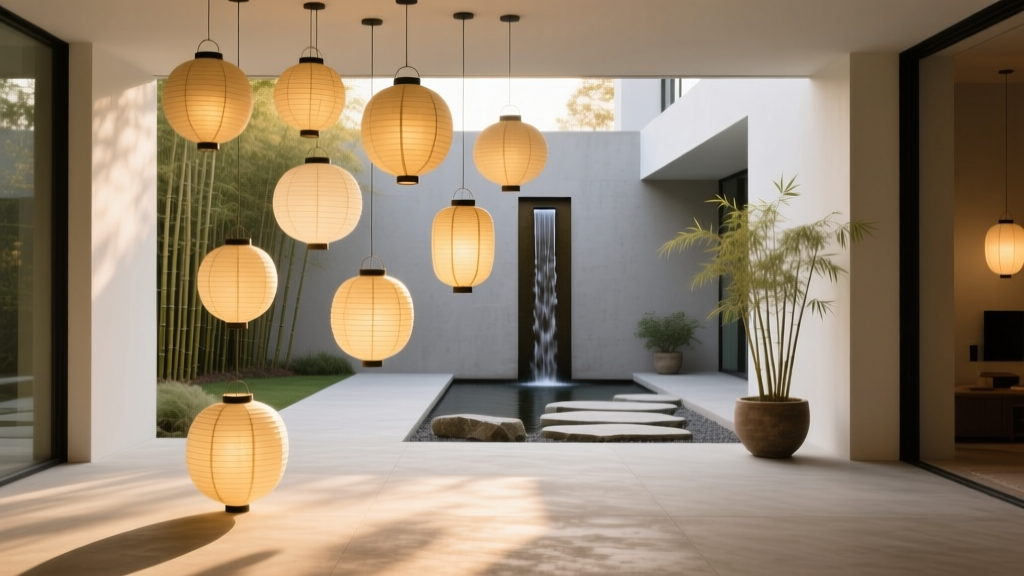
How to Create a Lantern Garden - The Decor Mag
A lantern garden is one of those outdoor living upgrades that feels instantly transformative. With the right mix of lighting, plants, and thoughtful layout, even a modest patio or backyard corner can become a warm, glowing destination—perfect for late dinners, quiet reading, or hosting friends well after sunset. Lantern light flatters everything: foliage looks richer, textures feel more tactile, and hardscape surfaces take on a softer, more inviting character.
What makes a lantern garden especially appealing for homeowners is its flexibility. You can build one around a small patio, a winding garden path, a pool deck, or a balcony. You can keep it minimalist with a few statement lanterns and sculptural plants, or layer it like a “lightscape” with multiple heights, materials, and seasonal accents. Best of all, lantern gardens elevate year-round outdoor living—brightening winter evenings, guiding foot traffic in fall, and turning summer nights into an outdoor room.
Below is a practical, designer-minded guide to creating a lantern garden that looks intentional (not cluttered), performs in your climate, and feels effortless to maintain.
What Is a Lantern Garden (and Why It Works)?
A lantern garden is a landscaped area where lantern-style lighting is a key design feature. Instead of relying only on overhead fixtures, the lighting is layered at human scale—along paths, near seating, and within planting beds—to create ambiance, safety, and a sense of depth.
- Ambiance: Warm light makes outdoor spaces feel like an extension of your home’s interior.
- Wayfinding: Lanterns guide guests through paths, steps, and transitions between zones.
- Highlighting: Light catches ornamental grasses, textured leaves, stone walls, water features, and planters.
- Seasonal flexibility: You can adjust lantern placement as plants grow or as you shift to winter entertaining.
Step 1: Choose Your Lantern Garden Location and “Glow Zone”
Start by deciding where you want the lantern garden experience to happen. Think about how you actually use your outdoor space: evening meals on the patio, a fire pit area, the walkway from driveway to front door, or a secluded corner for relaxing.
Best Places for a Lantern Garden
- Patio perimeter: Lanterns along the edge create a cozy boundary and improve visibility.
- Garden path: A lantern-lit path is practical and instantly magical for outdoor living.
- Entry courtyard: Adds curb appeal and a welcoming, high-end look.
- Under a pergola or tree canopy: Hang lanterns overhead and layer ground lanterns below.
- Near water: Lantern reflections beside a pond, fountain, or pool elevate the atmosphere.
Quick Layout Tip: Define a Focal Point
Strong lantern gardens have a “reason” for the light to gather. Choose one:
- A bistro set or lounge seating area
- A water bowl/fountain
- A specimen plant (Japanese maple, olive tree, clumping bamboo)
- A sculpture, large planter, or outdoor fireplace
Step 2: Pick Lantern Types That Match Your Outdoor Design Style
Not all lanterns perform the same. Decide how permanent you want the installation to be and how much you want to rely on wiring vs. rechargeable options.
Lantern Power Options
- Solar lanterns: Great for easy setup and low operating costs. Choose high-lumen models with dusk-to-dawn sensors. Best in sunny yards; less reliable in shaded gardens or long winters.
- Rechargeable LED lanterns: Ideal for covered patios, pergolas, and consistent brightness. Many offer dimming and warm-color settings.
- Low-voltage wired lanterns: Best for homeowners who want a polished, permanent landscape lighting plan (paths, steps, beds). Requires a transformer and planning.
- Real flame lanterns (candles or oil): Unbeatable ambiance, but use carefully and never leave unattended. Best for calm evenings and sheltered areas.
Material Recommendations (What Holds Up Outdoors)
- Powder-coated aluminum: Lightweight, rust-resistant, excellent for rainy climates.
- Stainless steel: Sleek and durable, but choose marine-grade in coastal areas.
- Copper/brass: Develops patina; looks high-end with classic landscaping and stone.
- Teak or acacia with sealed finish: Warm, natural look—best under cover or with seasonal storage.
- Tempered glass: Safer than thin glass panes; withstands temperature changes better.
Style Pairings for Cohesive Patio Living
- Modern outdoor living: Matte black lanterns, clean lines, warm 2700K LEDs.
- Mediterranean courtyard: Aged bronze, pierced metal lanterns, olive trees, terracotta.
- Coastal patio: Natural rope handles, weathered metal, airy grasses, white gravel.
- Cottage garden: Antique-style lanterns, climbing roses, boxwood edging, soft paths.
Step 3: Design the Lighting Layers (Height, Rhythm, Warmth)
Professional-looking landscape lighting uses layers. Lantern gardens should feel balanced—bright enough for safe movement, warm enough for relaxation.
Use the “Rule of Three Heights”
- Ground level: Path lanterns, stake lanterns, lanterns set on low steps or stones.
- Table level: Lantern centerpieces on dining tables, side tables, outdoor bars.
- Overhead: Hanging lanterns under a pergola, from shepherd’s hooks, or tree branches (using safe, non-damaging methods).
Recommended Light Temperature and Output
- Color temperature: 2200K–2700K for a candle-like glow (best for ambiance).
- Brightness: Use higher lumens for paths/steps, lower for planting beds and mood lighting.
- Dimming: Choose lanterns with dimmers or multiple modes to adapt across seasons.
Spacing Guidance
- Paths: Place lanterns 6–10 feet apart, staggered side-to-side for a natural rhythm.
- Steps: Add a lantern at the top and bottom, plus midpoints on longer stair runs.
- Seating areas: Cluster 2–3 lanterns of different heights rather than lining them up.
Step 4: Choose Plants That Look Incredible by Lantern Light
Lantern gardens shine when plants bring texture, movement, and reflective surfaces into the glow. Prioritize foliage and structure, then add seasonal color as accents.
Best Plant Traits for a Lantern Garden
- Variegated leaves: Reflect light and brighten dark corners.
- Glossy foliage: Creates highlights and depth.
- Architectural shapes: Read clearly at night (agaves, boxwood, grasses).
- Fragrance: Night-blooming or evening-scented plants elevate patio living.
Plant Suggestions by Look and Performance
- Evergreen structure: Boxwood, dwarf yaupon holly, inkberry, Podocarpus (warm climates).
- Soft movement: Fountain grass (Pennisetum), Mexican feather grass (use responsibly where invasive), switchgrass (Panicum virgatum).
- Bold texture: Hostas (shade), fatsia japonica, agave (dry climates), phormium (mild climates).
- Variegated brighteners: Variegated ivy (in containers), euonymus, variegated sedge (Carex).
- Night fragrance: Jasmine (star jasmine in mild climates), nicotiana, gardenia (humid/mild), lavender (sunny/dry).
- Container-friendly color: Caladium (shade), begonias, petunias, geraniums, dwarf hydrangeas (part shade).
Seasonal Planting Ideas
- Spring: Tulips and alliums in beds; pansies in containers for early color.
- Summer: Heat-tolerant annuals, citrus in pots (where climate allows), lush foliage plants for a resort feel.
- Fall: Ornamental kale, mums, asters; add grasses for movement in cool nights.
- Winter: Evergreen boughs in planters, red twig dogwood, holly berries, and warm-white lanterns for cozy evenings.
Step 5: Select Hardscape Materials That Enhance the Glow
Great outdoor design considers what lantern light lands on. The right hardscape and surfaces amplify warmth instead of swallowing it.
Materials That Work Beautifully in Lantern Gardens
- Natural stone: Bluestone, limestone, and slate look rich under warm light.
- Gravel paths: Decomposed granite or pea gravel reflect light and add a soft crunch underfoot.
- Brick pavers: Classic, warm-toned, and forgiving in transitional landscapes.
- Wood decking: Pairs well with black lanterns; keep finishes matte to avoid glare.
- Corten steel edging: Adds a modern, earthy boundary and looks dramatic at night.
Budget-Friendly Upgrades That Feel High-End
- Edge a gravel path with steel or stone for a clean, intentional line
- Add one large statement planter (24–30 inches wide) to anchor lantern clusters
- Use a consistent lantern finish (all black or all bronze) for a designer look
Step 6: Add Furniture That Invites You to Stay Outside Longer
A lantern garden is most successful when it supports outdoor living—not just looks pretty from the window. Create a seating moment so you’ll actually use it.
Furniture Recommendations
- Small patios: Bistro set (24–30 inch table) plus two chairs; add a lantern centerpiece.
- Lounge zones: Two club chairs with a side table, or a loveseat with a coffee table.
- Dining: Outdoor table with space for lanterns (or a slim runner) and a nearby lantern cluster for ambient spill light.
Materials That Last
- Powder-coated aluminum: Low maintenance, great in wet climates.
- Teak: Premium and weather-resistant; allow it to silver or maintain with oil.
- All-weather wicker: Works well under cover; choose UV-resistant resin.
Comfort Extras for Year-Round Patio Living
- Outdoor throw blankets stored in a deck box
- Weather-resistant cushions in performance fabric
- A tabletop fire bowl (where permitted) or a freestanding patio heater for shoulder seasons
Climate and Maintenance Considerations
Rainy or Humid Climates
- Choose lanterns rated for outdoor exposure (look for weather-resistant construction)
- Avoid unsealed steel; prioritize powder-coated aluminum or marine-grade stainless
- Trim plants to maintain airflow and reduce mildew around lanterns
Hot, Sunny Climates
- Use UV-resistant finishes and outdoor-rated plastics
- Consider drought-tolerant planting: lavender, rosemary, agave, salvia, ornamental grasses
- Place solar lanterns where they receive at least 6 hours of direct sun
Cold or Snowy Climates
- Opt for wired low-voltage lighting for reliability in short winter days
- Bring rechargeable lanterns inside during hard freezes to extend battery life
- Keep paths clear and avoid placing lanterns where snow removal will damage them
Simple Maintenance Checklist
- Wipe lantern glass monthly for maximum glow
- Recharge or swap batteries on a predictable schedule
- Prune plants away from lantern vents and light panels
- Check stakes/hooks after storms
Common Mistakes to Avoid
- Mixing too many lantern styles: Stick to one finish and two complementary shapes for a cohesive outdoor design.
- Overlighting the space: Bright isn’t better. Aim for warm pools of light and darker negative space for contrast.
- Ignoring safety: Real flame lanterns need stable placement, wind protection, and clearance from plants and furniture.
- Placing lanterns randomly: Create rhythm along paths and clusters near seating—avoid the “scattered decor” look.
- Choosing plants that disappear at night: Too much dark foliage without texture can flatten the scene.
Budget Ranges: What It Costs to Build a Lantern Garden
- Starter (approx. $100–$300): 3–6 solar or rechargeable lanterns, 1–2 planters, refresh mulch or gravel.
- Mid-range (approx. $300–$1,000): Coordinated lantern set, quality planters, new plants for structure, improved path edging, small bistro or lounge setup.
- Premium (approx. $1,000–$5,000+): Low-voltage landscape lighting, upgraded hardscape (pavers/stone), specimen plants, pergola accents, full patio living zone.
FAQ: Lantern Garden Design and Lighting
How many lanterns do I need for a lantern garden?
For a small patio corner, start with 3–5 lanterns in mixed heights. For a path, plan one lantern every 6–10 feet, staggered. It’s easier to add more than to fix an overlit, cluttered look.
Are solar lanterns bright enough for patio living?
They can be, especially in sunny climates. Use solar lanterns for ambiance and backup them with rechargeable or wired lights for seating areas, steps, and winter reliability.
What’s the best lantern light color for outdoor spaces?
Warm light (about 2200K–2700K) feels inviting and flattering. Cooler white lighting can look harsh against plants and stone, especially in cozy garden seating zones.
How do I make my lantern garden look cohesive year-round?
Use evergreen structure (boxwood, holly, grasses) and keep lantern finishes consistent. Then rotate seasonal containers—spring bulbs, summer color, fall mums, winter greens—without changing the core layout.
Can I hang lanterns from trees or pergolas safely?
Yes, if you use outdoor-rated hooks/hardware and avoid damaging tree bark. Keep lanterns away from dry leaves and branches, and skip real flame in windy conditions or under low canopies.
Actionable Next Steps: Build Your Lantern Garden This Weekend
- Pick one zone (patio edge, path, or seating corner) and define a focal point.
- Choose a lantern finish (black, bronze, copper) and commit to it for a clean outdoor design story.
- Layer lighting with at least one ground lantern, one table-height lantern, and one taller element (hook or hanging lantern).
- Add two plant types: one evergreen structure plant plus one texture/movement plant (like grasses or variegated foliage).
- Refine the surface with fresh mulch, gravel, or a defined edge so the glow reads intentional.
A lantern garden doesn’t require a full landscape overhaul—just thoughtful lighting layers, a few strong plant choices, and a layout that supports how you want to live outside. Keep tweaking with the seasons, and you’ll end up with an outdoor space that feels welcoming every single night.
Looking for more patio living, landscaping, and outdoor design ideas? Explore fresh inspiration and expert guides on thedecormag.com.
More Articles
 How to Design a Garden Pathway - The Decor Mag
 How to Create a Hugelkultur Garden Bed - The Decor Mag
 Outdoor Pavilion Projector Screen Setup - The Decor Mag
 Cheap vs Premium Precision in Outdoor Living: What Really Matters for Durability, Safety, and Long-Term Value
 How To Clean Living: A Practical Guide to Healthier Outdoor Spaces and Sustainable Habits
 Outdoor Living Essentials on a Budget: Smart, Stylish, and Sustainable Solutions
 Best Outdoor Bench Options for Entryways - The Decor Mag
 Garden Room and Greenhouse Design - The Decor Mag
 Safety Alternatives to Aging: Practical, Evidence-Based Outdoor Living Solutions for Older Adults
 How to Create a Three Sisters Garden - The Decor Mag