How to Create a Three Sisters Garden - The Decor Mag
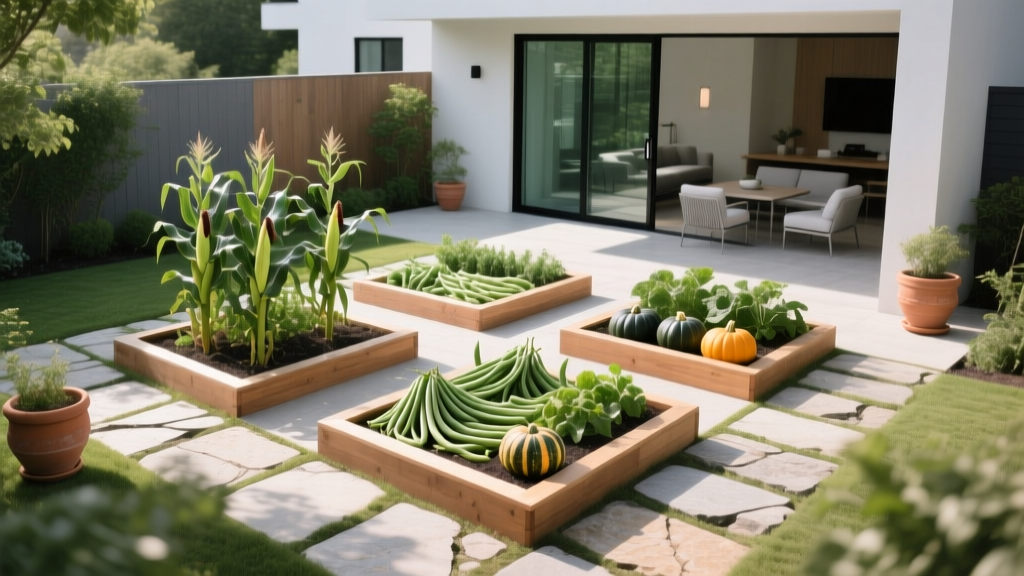
A great outdoor living space isn’t just about pretty patio furniture and fresh pavers—it’s about creating a yard that feels alive, productive, and connected to the seasons. A Three Sisters garden does exactly that. This traditional companion-planting method pairs corn, beans, and squash in a mutually supportive layout that looks lush, saves space, and delivers a harvest that feels as satisfying as a new outdoor room.
For homeowners, the Three Sisters approach is a smart landscaping move: it creates vertical height (corn), a living trellis (beans), and a sculptural groundcover (squash) that shades soil like a natural mulch. The result is a garden bed that’s visually dynamic from early summer through fall, while also supporting pollinators and reducing weeds—perfect for anyone who wants a low-fuss, high-reward backyard garden near a patio, pergola, or outdoor kitchen.
Whether you’re carving out a sunny corner of your yard, upgrading a tired planting bed, or building raised beds beside your patio seating area, a Three Sisters garden can become a true centerpiece of outdoor design—one that brings color, texture, and purpose to your landscape.
What Is a Three Sisters Garden (and Why It Works So Well)?
The Three Sisters garden is a planting technique developed by Indigenous communities across North America. Each “sister” plays a role:
- Corn grows tall and sturdy, acting as a natural trellis.
- Pole beans climb the corn and help enrich soil by fixing nitrogen.
- Squash sprawls along the ground, shading soil to reduce weeds and retain moisture.
Outdoor design benefits for homeowners
- Beautiful structure: Tall stalks + climbing vines + broad leaves = layered garden design.
- Space efficiency: Ideal for smaller yards, side yards, and raised beds.
- Soil-friendly: Better moisture retention and fewer weeds means less maintenance.
- Seasonal interest: A changing look from early summer growth to late summer abundance.
Planning Your Three Sisters Garden: Location, Layout, and Style
Choose the right spot
For strong growth and reliable harvests, prioritize:
- Full sun: 6–8+ hours daily (corn especially needs it).
- Room for airflow: Helps prevent mildew on squash leaves.
- Convenient access: Place it within easy reach of your patio or outdoor living area so watering and harvesting feel effortless.
Decide on a layout that fits your landscape design
The classic Three Sisters method is done in mounds, but you can adapt it beautifully for modern backyard landscaping.
- Traditional mound clusters (best for in-ground beds): A natural, cottage-garden feel that blends with informal landscaping.
- Raised bed grid (best for patios and clean outdoor design lines): Great for tight control over soil quality and a neat look near paved areas.
- Keyhole or curved bed (best for design-forward yards): Adds movement and softens hardscape edges around patios and walkways.
Recommended sizes
- Beginner-friendly: One 4’ x 8’ raised bed or a 6–8’ diameter in-ground bed.
- Ideal for pollination: Corn prefers blocks over single rows. Aim for at least a 4’ x 4’ planting area of corn within your design.
Materials and Build Options: Raised Beds, Edging, and Paths
Raised bed material recommendations
- Cedar (best overall): Naturally rot-resistant, attractive next to patio living spaces. Expect $250–$700 for a quality 4’ x 8’ kit or DIY build depending on lumber prices.
- Galvanized metal beds (modern look): Crisp lines, long lifespan. Typically $150–$500.
- Stone or block (premium, permanent): Blends with outdoor kitchens and retaining walls; higher labor cost. Often $600–$2,500+.
Edging and pathways that keep it patio-friendly
- Decomposed granite (DG): A classic landscape material for a tidy garden path; pairs well with modern and Mediterranean outdoor design. Budget $2–$6/sq ft installed.
- Gravel with stepping stones: Great drainage and low maintenance. Budget $3–$10/sq ft installed.
- Mulch paths (budget-friendly): Soft, natural, and inexpensive; refresh yearly. Budget $0.50–$2/sq ft.
Plant Selection: Best Corn, Beans, and Squash for Home Gardens
Choosing varieties that mature reliably in your climate makes the whole system easier.
Corn (the “support beam”)
- Sweet corn: Popular for eating fresh; choose a variety suited to your season length (early/mid/late).
- Flint or dent corn: Sturdier stalks and great fall décor appeal (and for grinding). Excellent if you want a more traditional look.
Tip: Avoid very short “mini” corn varieties—they can struggle to support vigorous pole beans.
Pole beans (the climber)
- Kentucky Wonder (classic, productive)
- Blue Lake Pole (tender pods)
- Scarlet runner beans (stunning red flowers for pollinators; also highly ornamental)
Squash (the living mulch)
- Winter squash: Butternut, acorn, kabocha—great storage for fall/winter meals.
- Pumpkins: Adds a festive seasonal design element in autumn.
- Summer squash: Zucchini can work, but it’s often bushy rather than vining—choose vining types when possible.
Tip: If powdery mildew is common in your region, look for mildew-resistant varieties and give squash extra space at the bed edge.
How to Plant a Three Sisters Garden (Step-by-Step)
Timing: plant by soil temperature, not the calendar
- Corn: Plant when soil is consistently 60°F+.
- Beans: Add 1–3 weeks later, once corn is 6–12 inches tall.
- Squash: Plant after beans or at the same time as beans, once nights are reliably warm.
Step-by-step planting in mounds (classic method)
- Build mounds about 12–18 inches tall and 18–24 inches wide, spaced 3–4 feet apart.
- Plant corn first: 4–6 seeds per mound, about 1 inch deep.
- Thin corn to the strongest 3–4 plants per mound.
- Plant pole beans around the corn: 4–6 seeds per mound, a few inches away from corn stems.
- Plant squash on the mound edge: 1–2 seeds per mound (or between mounds), giving vines room to run.
Step-by-step in a raised bed (patio-friendly method)
- Plant corn in a block near the center/back of the bed (not just a single line).
- Once corn is established, plant beans at the base of corn clusters.
- Plant squash at bed corners or edges so vines can cascade outward, softening the raised bed and creating a lush border near paths.
Soil Prep, Watering, and Fertility (Without Overcomplicating It)
Soil that supports strong stalks and big leaves
- Add compost: 2–3 inches worked into the top 6–10 inches of soil.
- Target pH: Roughly 6.0–7.0 is ideal for most gardens.
- Boost for corn: Corn is nutrient-hungry; consider mixing in an organic fertilizer at planting.
Fertilizer recommendations (practical and homeowner-friendly)
- Compost + balanced organic fertilizer (such as 4-4-4) at planting for steady growth.
- Side-dress corn when it’s knee-high with compost or a nitrogen-leaning organic option (follow label rates).
Watering for outdoor living ease
To keep maintenance simple—especially in summer when you’re using your patio daily—set up a system that runs quietly in the background.
- Drip irrigation: Best for raised beds and water efficiency. Budget $50–$200 DIY for a small setup.
- Soaker hoses: Affordable and easy; great under mulch. Budget $20–$60.
- Mulch: Straw or shredded leaves help stabilize moisture and reduce splashing on leaves.
Designing Around the Garden: Patio Seating, Screens, and Style
A Three Sisters garden can be both productive and polished—especially when you treat it like a design feature, not an afterthought.
Furniture recommendations for garden-adjacent patio living
- Compact dining set (3–5 pieces): Perfect for “garden-to-table” dinners. Budget $300–$1,200.
- Weather-resistant lounge chairs: Place them with a view of the bed for a relaxing outdoor living moment. Budget $200–$800 per chair.
- Storage bench or deck box: Keeps gloves, pruners, and harvest baskets out of sight. Budget $100–$400.
Layout ideas that elevate landscaping
- Frame the bed with a simple path: DG or gravel makes the area feel intentional and keeps shoes clean.
- Add a trellis arch at the entry: Even though the corn acts as a trellis, an arch nearby can visually connect the garden to your patio design.
- Use lighting for year-round enjoyment: Low-voltage path lights or solar stakes keep the garden area usable in evenings. Budget $50–$400.
Seasonal and Climate Considerations
Cooler climates (short growing seasons)
- Choose early-maturing corn and squash varieties.
- Warm soil with black landscape fabric or cloches early in the season, then remove once heat arrives.
- Start squash indoors 2–3 weeks early if your season is very short (harden off carefully).
Hot or dry climates
- Prioritize drip irrigation and a thicker mulch layer (2–4 inches).
- Consider afternoon shade for squash if extreme heat causes blossom drop.
- Improve soil water-holding with compost and (optionally) coconut coir.
Humid climates
- Give squash more space and avoid wetting leaves to reduce mildew.
- Use mulch to prevent soil splash and fungal spread.
- Scout weekly for pests like squash vine borers and cucumber beetles.
Year-round outdoor living angle
- Spring: Prep beds, refresh paths, update patio cushions, start irrigation.
- Summer: Enjoy the living “green wall” effect and dine outdoors with homegrown produce.
- Fall: Harvest pumpkins and winter squash for seasonal porch décor; add string lights for cozy evenings.
- Winter: Clear vines, compost debris (disease-free only), and top-dress beds—your future garden becomes next year’s landscape upgrade.
Maintenance Checklist: Keep It Looking Good (and Producing)
- Thin seedlings: Strong plants beat crowded plants.
- Mulch early: Once seedlings are established, add straw mulch to reduce weeds.
- Water deeply: Aim for consistent moisture—especially during corn tasseling and ear formation.
- Hand-pollinate if needed: If ears are poorly filled, gently shake corn stalks mid-morning to distribute pollen.
- Harvest often: Beans become more productive with frequent picking.
Common Mistakes to Avoid
- Planting corn in a single row: Poor pollination leads to disappointing ears. Plant in a block.
- Starting beans too early: Beans can overwhelm young corn; wait until corn is 6–12 inches tall.
- Overcrowding squash: Squash needs breathing room; crowded leaves invite mildew and pests.
- Underfeeding corn: Weak, thin stalks won’t support beans well. Compost and a balanced fertilizer help.
- Ignoring pathways: If access is awkward, maintenance feels like a chore. Build a simple path from the patio.
- Skipping irrigation planning: In peak summer, inconsistent watering can derail harvests fast.
FAQ: Three Sisters Garden Questions Homeowners Ask
Can I grow the Three Sisters in a raised bed?
Yes—raised beds are ideal for a clean, patio-friendly layout. Just ensure corn is planted in a block (not a single line) and let squash spill over the edges to save space.
How much space do I need for a successful Three Sisters garden?
A 4’ x 8’ bed is a great starter size. If planting in-ground, aim for at least a 6–8’ diameter area so corn can pollinate well and squash has room to roam.
What’s the best mulch for this garden?
Straw is a favorite because it’s lightweight, tidy, and helps suppress weeds. Shredded leaves work well too. Keep mulch a couple inches away from stems to reduce rot.
Do I need to fertilize if beans fix nitrogen?
Beans help over time, but corn still benefits from compost and a balanced organic fertilizer—especially early in the season when growth is rapid.
What if pests or mildew are common in my area?
Improve airflow, water at the soil line (drip or soaker hose), and choose disease-resistant squash varieties. For pests, scout weekly and remove affected leaves or use row covers early in the season (remove when flowering for pollination).
Can I substitute plants (like sunflowers instead of corn)?
You can experiment, but corn is sturdy and traditionally reliable. Sunflowers can work as a trellis in some gardens, but they may not provide the same density for pollination and support.
Your Next Steps: Build a Garden That Looks as Good as It Grows
Pick a sunny spot near your patio or outdoor seating, choose a raised bed or mound layout that suits your landscape design, and start with reliable varieties of corn, pole beans, and vining squash. Add a simple path, automatic watering, and a comfortable place to sit nearby—your Three Sisters garden will feel less like a chore and more like an extension of your outdoor living space.
For more landscaping ideas, patio living inspiration, and backyard design guides, explore the outdoor articles on thedecormag.com.
More Articles
 Best Pergola and Shade Structure Ideas - The Decor Mag
 Outdoor Trellis and Climbing Plant Ideas - The Decor Mag
 Outdoor Kitchen Drawer Slide Materials - The Decor Mag
 Best Outdoor Chaise Lounge Picks - The Decor Mag
 Outdoor Pergola Lattice Roof Pattern - The Decor Mag
 Outdoor Bar and Beverage Station Ideas - The Decor Mag
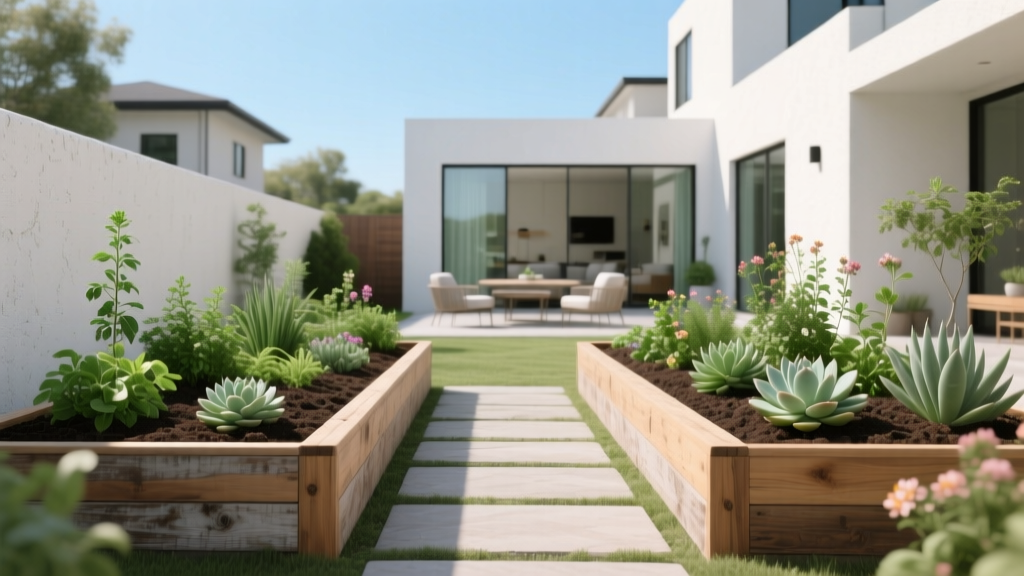 How to Create a Raised Bed Garden - The Decor Mag
 Outdoor Pergola Integrated Speaker System - The Decor Mag
 Cheap vs Premium Precision in Outdoor Living: What Really Matters for Durability, Safety, and Long-Term Value
 How to Design a Fern Garden - The Decor Mag