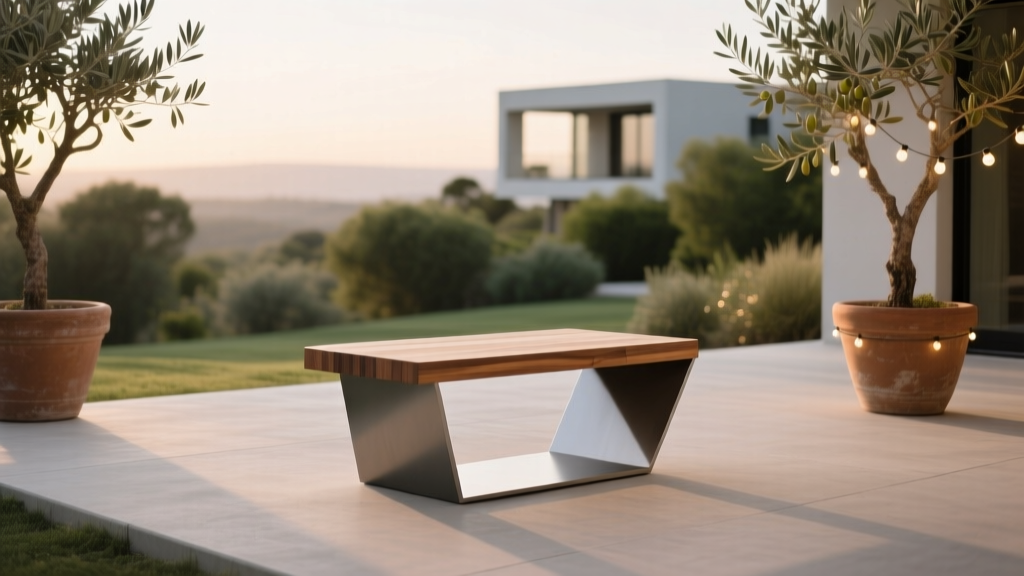
Best Outdoor Side Table Options - The Decor Mag
An outdoor side table seems like a small detail—until you live without one. It’s the spot where your iced tea lands, where sunscreen stays within reach, where a lantern glows after sunset, and where you set a book down before taking a dip in the pool. In a well-designed patio living space, a side table is the quiet workhorse that makes lounging, entertaining, and everyday outdoor living feel effortless.
Beyond convenience, the right outdoor side table can upgrade the entire look of your patio, deck, porch, or garden seating area. It helps anchor furniture layouts, adds texture and color, and creates “moments” throughout the landscape—those little vignettes that make a yard feel styled and intentional. Whether you’re designing a cozy balcony nook or a sprawling backyard entertaining zone, choosing the right table pays off in comfort, durability, and style all year long.
This guide breaks down the best outdoor side table options by material, function, and climate—plus what to pair them with, what to avoid, and how to shop smart for your budget.
How to Choose the Right Outdoor Side Table
Start with the job your table needs to do
Outdoor side tables come in many shapes and heights, and the best choice depends on how you use your space. Before you shop, decide which role matters most:
- Everyday lounging: A stable surface for drinks, snacks, and books next to a chair or chaise.
- Entertaining: Extra landing space near a conversation set or outdoor sectional.
- Poolside: Waterproof, easy-to-clean materials and enough weight to resist wind.
- Small-space living: Narrow, lightweight, or nesting tables for balconies and compact patios.
- Garden styling: A decorative accent near a bench, pergola, or fire pit zone.
Get the height and scale right
A side table that’s too low feels awkward; too tall can look like an afterthought. Use these design-proven targets:
- Ideal height: Within 1–2 inches of your chair or sofa arm height.
- Diameter/width: 14–22 inches works for most lounge chairs; 18–24 inches for sectionals and deeper seating.
- Spacing: Leave 12–18 inches between the table edge and the seat for easy reach and foot traffic.
Think through sun, rain, and winter storage
Your climate is just as important as your style. If you get heavy sun, frequent rain, salty coastal air, or freeze-thaw winters, choose materials that won’t crack, rust, warp, or fade quickly. If you don’t have storage space, prioritize low-maintenance, weatherproof patio furniture materials.
Best Outdoor Side Table Materials (Pros, Cons, and Best Uses)
Powder-Coated Aluminum: Lightweight, Modern, Low-Maintenance
Powder-coated aluminum is one of the most reliable choices for patio living. It resists rust, handles rain well, and is easy to move around when you’re rearranging layouts for guests.
- Best for: Contemporary patios, rooftops, pool decks, coastal climates.
- Pros: Rust-resistant, light, affordable, widely available.
- Watch for: Very lightweight pieces can tip in strong wind—choose wider bases or slightly heavier designs.
Budget range: $60–$250 for most quality options; $250–$500 for premium designer styles.
Teak and Hardwood: Warm, Classic, and Built to Age Beautifully
Teak is the gold standard for outdoor wood furniture. It’s naturally resistant to rot and insects, and it weathers to a silvery gray if left untreated—perfect for a relaxed, resort-inspired outdoor design.
- Best for: Natural, coastal, or modern-organic landscapes; year-round outdoor living with proper care.
- Pros: Long lifespan, timeless look, strong and stable.
- Watch for: Needs occasional cleaning; optional teak oil if you want to maintain the honey tone.
Budget range: $150–$600+ depending on thickness and craftsmanship.
Concrete and Fiber Cement: Sculptural, Wind-Resistant, and Luxe
If your patio gets breezy or you want an architectural statement, concrete side tables are hard to beat. They double as small stools in a pinch and look especially striking in minimalist garden layouts.
- Best for: Modern landscaping, fire pit areas, windy locations, Mediterranean-inspired patios.
- Pros: Heavy and stable, visually impactful, great outdoors year-round.
- Watch for: Can chip if dragged; in freeze-thaw climates, choose sealed, outdoor-rated concrete or fiber cement.
Budget range: $120–$450; artisan pieces may run $500–$1,200.
Ceramic and Glazed Garden Stools: Colorful, Versatile Accent Tables
Ceramic garden stools function like side tables with personality—great for adding pattern and shine to a neutral patio set. They’re also a smart solution when you want a movable surface near multiple seating spots.
- Best for: Covered patios, porches, eclectic garden seating areas.
- Pros: Gorgeous color options, easy to wipe clean, doubles as décor.
- Watch for: Can crack in freezing conditions; avoid leaving unprotected in harsh winters.
Budget range: $70–$300 (hand-glazed options often cost more).
Wicker/Resin Woven: Cozy, Classic, and Patio-Friendly
Resin wicker (all-weather wicker) brings that relaxed, vacation vibe and pairs beautifully with cushioned seating. It’s a top choice for covered outdoor rooms and family-friendly lounge areas.
- Best for: Traditional patios, screened porches, outdoor living rooms.
- Pros: Comfortable look, generally lightweight, plenty of matching sets available.
- Watch for: Cheaper resin can become brittle in intense sun; look for UV-stabilized material and a sturdy aluminum frame.
Budget range: $50–$250 typical; higher-end woven tables $250–$600.
Stainless Steel: Sleek and Strong for Coastal-Ready Style
For a clean-lined, contemporary patio, stainless steel looks sharp and performs well—especially in coastal environments, if you choose the right grade.
- Best for: Modern outdoor kitchens, coastal patios, high-end decks.
- Pros: Durable, strong, upscale look.
- Watch for: Choose marine-grade (often 316) for salty air; regular cleaning prevents spotting.
Budget range: $150–$700+.
Outdoor Side Table Styles That Make Patio Layouts Work Harder
Nesting tables for flexible entertaining
Nesting side tables slide together when you want open floor space and spread out when guests arrive. They’re ideal for smaller patios and multi-use decks.
- Design tip: Choose a set with two heights (about 16" and 19") to serve both lounge chairs and sofas.
C-shaped and pull-up tables for sectionals and deep seating
A C-shaped side table tucks under a sofa or sectional, bringing your drink closer without crowding your layout—especially useful for compact patio living spaces.
- Best materials: Powder-coated aluminum or teak with a slim profile.
Drum, pedestal, and hourglass tables for a statement moment
For outdoor design impact, sculptural shapes add visual weight without needing more furniture. These look incredible near a fire pit or next to a modern lounge chair.
- Best materials: Concrete, ceramic, fiber cement.
Storage side tables for tidy, family-friendly patios
Storage tables keep outdoor living essentials—matches, citronella, coasters, throws—organized and protected from dew.
- Look for: Weather-sealed lids, drainage holes, and easy-clean interiors.
Design Pairings: Side Tables + Plants + Lighting
Create a “patio vignette” that feels styled, not cluttered
The best outdoor rooms use repetition and layering. A simple formula works across nearly any patio design style:
- One side table (texture or color)
- One light source (lantern, cordless lamp, or candle)
- One living element (plant or small arrangement)
Plant suggestions that look great beside outdoor seating
Choose plants that match your climate and sunlight exposure. These options are stylish, accessible, and well-suited to patio and garden living:
- Full sun, heat-tolerant: Lavender, rosemary, salvia, lantana, dwarf olive (in suitable zones).
- Part shade patios: Ferns, heuchera (coral bells), hydrangea in pots, coleus for color.
- Low-water landscapes: Agave, aloe, echeveria, blue fescue, sedum.
- Bug-smart options: Lemongrass, mint (in pots), basil, lavender.
Practical styling tip: Keep plants slightly behind or to the side of the tabletop so guests have room for drinks and plates.
Lighting that works with side tables for year-round outdoor living
- Cordless outdoor lamps: Perfect for patios without outlets; recharge and move as needed.
- Lanterns: Choose metal or teak lanterns for durability; add LED candles for wind-safe glow.
- String lights: Use as ambient background light, then rely on side-table lighting for task-level brightness.
Climate and Maintenance Considerations
Hot sun and high UV regions
- Choose UV-stabilized resin wicker, powder-coated aluminum, or sealed concrete.
- Avoid bargain plastics that get chalky or brittle after one season.
- Use furniture covers or shade from umbrellas/pergolas to extend finish life.
Rainy climates and humid summers
- Prioritize rust-resistant metals (aluminum) and quick-drying designs with slatted or perforated tops.
- For wood, pick teak or other outdoor-rated hardwoods; clean mildew early with gentle soap and water.
Coastal salt air
- Go for teak, marine-grade stainless steel, or powder-coated aluminum.
- Rinse metal surfaces occasionally to remove salt residue and prevent corrosion.
Freeze-thaw winters
- Bring ceramic and unglazed concrete indoors or into a protected shed/garage.
- If the table stays outside, choose sealed, outdoor-rated concrete and avoid standing water on surfaces.
Best Outdoor Side Table Options by Budget
Under $100: Simple, functional upgrades
- Powder-coated aluminum bistro side table (often 16–18" round)
- UV-stable resin side table (choose thicker legs and a wider base)
- Small acacia wood table for covered patios (plan on seasonal sealing)
$100–$300: The sweet spot for durability and style
- Higher-quality aluminum with a textured matte finish
- Resin wicker with aluminum frame
- Ceramic garden stool for covered porches or mild climates
- Nesting side table set for flexible patio layouts
$300–$800+: Investment pieces for long-term outdoor living
- Solid teak side table with substantial joinery
- Fiber cement or sealed concrete sculptural table
- Marine-grade stainless steel for coastal modern patios
Common Mistakes to Avoid
- Buying indoor tables for outdoor use: Many finishes can’t handle moisture, UV, or temperature swings.
- Ignoring height: A table that sits far below the armrest becomes a constant annoyance.
- Choosing style over stability: Tiny bases tip easily—especially on lawns, gravel, or windy decks.
- Overcrowding the seating area: One great side table is better than three that block circulation.
- Not planning for seasonal storage: If winters are harsh, pick pieces you can move or safely cover.
- Skipping protective feet: Add felt or outdoor rubber pads to prevent scratching composite decking or tile.
FAQ: Outdoor Side Tables
What’s the most weatherproof material for an outdoor side table?
Powder-coated aluminum is one of the most weatherproof, low-maintenance options for most climates. For windy patios, sealed concrete is extremely durable and stable.
Can I leave a teak side table outside year-round?
Yes. Teak is naturally suited to year-round outdoor living. It will weather to a silver-gray patina unless you clean and oil it periodically. In snowy regions, covering it or storing it extends its life and keeps it looking cleaner.
Are ceramic garden stools safe outdoors?
They’re great outdoors in mild climates and covered areas. In freeze-thaw regions, ceramic can crack if moisture penetrates and freezes. If your winters are cold, bring them inside or store them in a dry place.
How many side tables do I need for a patio seating area?
A practical rule: one side table for every 1–2 seats. For sectionals, consider one larger side table at the open end plus a pull-up table for the middle seats.
What shape is best for a small patio or balcony?
Round tables save space and improve traffic flow. Nesting tables and C-shaped pull-up tables are also excellent for compact patio layouts.
How do I keep outdoor side tables from blowing over?
Choose a wider base, heavier materials (like concrete), or position tables in sheltered corners. On very windy decks, avoid ultralight tables or pair them with a lower-profile design.
Next Steps: Upgrade Your Outdoor Living Setup This Weekend
Pick one seating zone—your patio conversation set, porch rockers, or pool loungers—and add the right side table to make it feel complete. Match the table height to your chair arms, choose a material suited to your climate, and style it with a lantern and a hardy potted plant for an instant outdoor design refresh. With the right choice, your outdoor side table becomes a year-round companion for morning coffee, summer entertaining, and cozy evenings by the fire pit.
For more patio living inspiration, landscaping ideas, and outdoor furniture guides, explore the latest outdoor features on thedecormag.com.
More Articles
 Best Outdoor Bar Mint Sprig Glass Ideas - The Decor Mag
 Best Outdoor Sectional Sofa Sets - The Decor Mag
 Outdoor Kitchen Flat Top Grill Setup - The Decor Mag
 Warm Lighting vs. Lighting Checklists: Why Relying Solely on Lists Compromises Outdoor Ambiance and Safety
 How to Design a Candlelit Garden Path - The Decor Mag
 How to Create a Medicinal Herb Garden - The Decor Mag
 How to Design a Food Forest - The Decor Mag
 Best Color Guides for Summer: Science-Backed Palettes for Outdoor Living Spaces
 12 Practical DIY Style Ideas for Outdoor Living Spaces That Deliver Professional Results
 Best Outdoor Loveseat Options - The Decor Mag