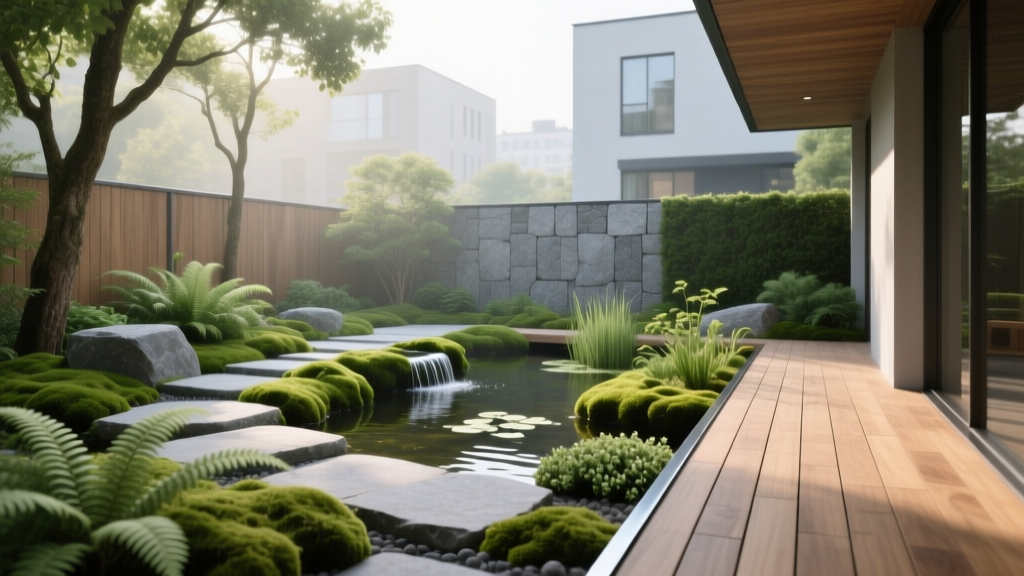
How to Design a Bog Garden - The Decor Mag
A bog garden is one of the most satisfying upgrades you can make to an outdoor living space because it turns a “problem area” into a feature. If you have a soggy corner, a low spot that collects runoff, or a downspout zone that never quite dries out, a bog garden transforms that constant dampness into lush, intentional landscaping—complete with texture, blooms, and wildlife value.
Even if you don’t have naturally wet soil, a constructed bog garden offers a fresh design tool for patio living and backyard landscaping. It creates a cooling, serene microclimate in summer, delivers standout foliage in spring and fall, and can look striking in winter when grasses and seed heads catch frost. Done well, a bog garden feels like a resort-style water feature—without the complexity of a full pond.
Below is a practical, expert guide to planning layout, choosing materials, selecting plants, and styling the area so it complements your patio, deck, or outdoor seating zone year-round.
What Is a Bog Garden (and What It Isn’t)?
A bog garden is a deliberately water-retentive planting bed designed for plants that prefer consistently moist to wet soil. Unlike a pond, it doesn’t require open standing water (though it can be adjacent to a pond or water feature). Unlike a rain garden, which drains within 24–48 hours after rain, a bog garden stays damp most of the time.
- Best for: Low-lying yards, downspout exits, naturally moist soils, or homeowners who want bold foliage and moisture-loving perennials.
- Not ideal for: Areas right against a home’s foundation, or places with high foot traffic where soggy soil becomes messy.
Plan the Location Like a Pro
Choose a spot that supports outdoor living
A bog garden should feel like part of your landscape design, not a forgotten wet patch. Good placements include:
- Along the edge of a patio or near a pergola where it can be enjoyed from seating.
- At the end of a walkway as a “destination” planting bed.
- Between a lawn and a fence line where it can soften boundaries and add privacy layers.
- Near a downspout outlet—with a plan for overflow and safe drainage away from structures.
Mind the sun exposure
- Full sun (6+ hours): Ideal for many bog perennials and grasses; more blooms.
- Part shade: Great for hostas, ferns, and woodland moisture lovers; calmer, “retreat” vibe.
- Deep shade: Harder to get flowers; focus on foliage textures and a bright mulch/stone edge.
Keep it safely away from the foundation
For most homes, place a bog garden at least 10 feet from the foundation (more if your yard slopes toward the house). If you’re directing roof runoff, include a controlled overflow route to a safe drainage point.
Design Approaches: Naturalistic vs. Architectural
Choose a style that matches your patio design and overall landscaping.
Naturalistic bog garden (soft edges, layered planting)
- Curved outline with stone or planted edging.
- Drifts of grasses and flowering perennials.
- Works beautifully in cottage, woodland, and meadow-inspired yards.
Architectural bog garden (clean lines, modern materials)
- Rectangular or geometric bed shapes.
- Steel or stone edging for crisp boundaries.
- Pairs well with modern patio pavers, minimalist furniture, and structured planting repeats.
Hybrid (best for most homeowners)
Use a clean, durable edge along the patio side (to keep wet soil contained) and let the outer edge feather into the lawn or planting borders with more naturalistic plant groupings.
How to Build a Bog Garden (Two Reliable Methods)
Method 1: In-ground lined bog (most consistent moisture)
This is the go-to approach when your soil drains quickly or you want predictable performance.
- Size it: A practical starter bog is 6' x 8' to 10' x 12'. Bigger feels more natural and is easier to plant in layers.
- Excavate: Dig 12–18 inches deep. Keep the excavated soil nearby if it’s not heavy clay.
- Line it: Use a 45-mil EPDM pond liner (durable and flexible). Avoid thin plastic sheeting; it tears easily.
- Add drainage “insurance” holes (optional): If you’re in a very wet climate, you can poke a few small holes higher up on the liner sides (not the bottom) to prevent flooding. For dry climates, keep it intact.
- Fill with a bog mix: Aim for a moisture-retentive but root-friendly soil blend (see below).
- Create an overflow point: Install a discreet outlet or shallow swale so heavy rain doesn’t turn the bed into a muddy mess.
Method 2: Unlined bog in naturally wet or clay soils (simpler, lower cost)
If your yard stays moist and drains slowly, you may not need a liner.
- Excavate 8–12 inches, loosen compacted soil, and amend with organic matter.
- Shape the bed with a slight bowl profile so moisture collects in the center.
- Add edging to keep lawn grasses from creeping in.
Best soil mix for a bog garden
- 40% topsoil (or existing soil if it’s not contaminated/compacted)
- 40% compost (improves structure and supports healthy roots)
- 20% coconut coir (or peat moss if preferred) for water retention
If your bog will host acid-loving plants like pitcher plants or some iris varieties, you can dedicate a section with a more acidic, low-nutrient medium.
Materials That Look Great Next to Patios and Decks
A bog garden often sits near outdoor living zones, so choose materials that handle moisture and look intentional.
- Edging: Steel edging (modern and long-lasting), natural stone setts (timeless), or brick soldier course (classic patio coordination).
- Path/stepping areas: Large flat flagstone, thermal-finished granite pavers, or composite decking stepping platforms.
- Mulch: Shredded hardwood mulch (best all-around), pine fines (nice for woodland style), or pea gravel in the driest perimeter zones.
- Boulders and accents: Moss rock, river stone, or basalt pieces to anchor the planting visually.
Budget ranges (typical DIY)
- Small bog (30–60 sq ft): $250–$900
- Medium bog (80–150 sq ft): $900–$2,500
- Large bog (200+ sq ft): $2,500–$6,000+
Costs vary by liner choice, stone edging, and plant size. Hiring a landscaper for excavation and edging typically adds $1,500–$6,000+ depending on access and materials.
Plant Palette: Reliable Bog Garden Plants (By Role)
The best bog garden plants combine bold foliage, long bloom windows, and strong structure so the bed looks good from your patio in every season. Group plants in odd numbers (3, 5, 7) for a natural rhythm, and repeat key varieties for cohesion.
Structural “backbone” plants
- Joe-Pye weed (Eutrochium spp.): Tall, pollinator magnet; late summer presence.
- Swamp milkweed (Asclepias incarnata): Monarch host; fragrant blooms.
- Cardinal flower (Lobelia cardinalis): Vivid red spikes; great near seating for drama.
- Blue flag iris (Iris versicolor): Spring color; elegant foliage afterward.
Mid-layer color and texture
- Turtlehead (Chelone lyonii): Late-season blooms; thrives in damp soil.
- Marsh marigold (Caltha palustris): Early spring gold; brightens shady edges.
- Astilbe: Excellent for part shade; feathery plumes.
- Ligularia (e.g., ‘The Rocket’): Bold leaves; striking vertical flowers in summer.
Grasses and sedges for movement (and winter interest)
- Tussock sedge (Carex stricta): Great clumping form; looks good year-round.
- Sweet flag (Acorus gramineus): Low, grassy accent; tidy along edges.
- Switchgrass (Panicum virgatum): Handles moisture and adds fall color; keep to the drier perimeter if your center stays very wet.
Groundcovers and edge softeners
- Creeping jenny (Lysimachia nummularia): Bright trailing edge; contain it where it can spread.
- Marsh fern (Thelypteris palustris) or cinnamon fern (Osmundastrum cinnamomeum): For shade and lush texture.
- Hostas: Ideal for part shade bog edges; choose slug-resistant varieties if needed.
Design tip: create moisture zones
- Wettest center: Iris, lobelia, marsh marigold, sedges.
- Moist mid-zone: Astilbe, turtlehead, swamp milkweed.
- Drier rim: Switchgrass, hardy geraniums, and shrubs that tolerate occasional wet feet.
Layout Ideas That Make a Bog Garden Feel Like an Outdoor Room
1) The “patio-side ribbon” bog
Create a long, narrow bog bed along one edge of a patio to soften hardscape and add privacy.
- Use steel edging to keep lines crisp.
- Plant taller varieties at the back (Joe-Pye, grasses) and lower plants at the front (acorus, creeping jenny).
2) The “view-from-seating” focal point
Place a rounded or kidney-shaped bog garden where it’s visible from your favorite outdoor lounge chairs.
- Anchor with 2–3 boulders and a small ornamental bridge board or stepping stones.
- Choose a signature plant color—deep red (cardinal flower) or soft pink (swamp milkweed)—and repeat it.
3) Bog + water feature combo
Pair a small pondless waterfall or recirculating fountain with a bog garden for sound and cooling ambience.
- Use river rock and flagstone to transition between wet planting and patio pavers.
- Keep electrical connections weather-safe and up to code.
Outdoor Furniture and Styling Around a Bog Garden
Because bog gardens increase humidity and attract butterflies, birds, and frogs, they’re fantastic near patio living spaces. Choose furnishings and finishes that handle moisture.
- Furniture materials: Powder-coated aluminum (low maintenance), teak (ages beautifully), HDPE resin wicker (weather-resistant), and marine-grade stainless hardware.
- Seating placement: Set chairs 3–6 feet from the bog edge to avoid soggy foot traffic while keeping a close view of blooms and pollinators.
- Lighting: Low-voltage path lights along stepping stones, or warm uplights aimed at grasses/iris for evening drama.
- Accessories: Outdoor rugs on the patio (not on soil), side tables in concrete or teak, and a slim bench facing the bog for a “garden pause.”
Climate and Seasonal Considerations
Hot and dry climates
- Use a lined bog to retain water efficiently.
- Mulch 2–3 inches to reduce evaporation.
- Consider a drip line on a timer to maintain consistent moisture.
Humid, rainy climates
- Prioritize overflow planning so the bog doesn’t flood and rot crowns.
- Choose plants that tolerate saturated periods (sedges, iris, lobelia).
- Keep airflow in mind—avoid overpacking plants.
Cold-winter climates
- Leave seed heads and grasses standing through winter for structure and wildlife value.
- Cut back in late winter/early spring before new growth starts.
- Use freeze-thaw tolerant edging (stone and steel perform well).
Year-round outdoor living tip
If you use your patio in shoulder seasons, add a small fire pit or patio heater on the hardscape side and orient seating toward the bog garden. The contrast of firelight and glowing grasses is stunning in fall.
Maintenance Checklist (Simple, Predictable)
- Weekly (during peak season): Check moisture levels and remove obvious weeds.
- Monthly: Thin aggressive spreaders, refresh mulch where soil shows, and inspect edging for shifting.
- Spring: Cut back last year’s growth, divide crowded perennials, top-dress with compost.
- Summer: Deadhead where appropriate; monitor pests (slugs in shade, aphids on tender growth).
- Fall: Decide what to leave standing for winter interest; plant bulbs or add evergreens nearby for cold-season structure.
Common Mistakes to Avoid
- Building too close to the house: Wet soil near foundations can cause moisture issues—keep a safe buffer.
- No overflow plan: Heavy rain can turn a bog into a mud pit without a controlled exit route.
- Using flimsy liner materials: Thin plastic tears quickly; EPDM is worth it.
- Overloading with thirsty plants only: Include sedges and structure plants for stability and winter appeal.
- Ignoring access: Plan stepping stones or a dry perimeter so you can maintain and enjoy the space without trampling wet soil.
- Letting aggressive plants take over: Creeping jenny and some grasses can spread—contain with edging and routine thinning.
FAQ: Bog Garden Design
Do I need standing water for a bog garden?
No. A bog garden is about consistently moist to wet soil. It can sit beside a pond or water feature, but open water isn’t required.
Is a bog garden the same as a rain garden?
They’re different. A rain garden drains within a day or two after storms. A bog garden is meant to stay damp most of the time, making it ideal for moisture-loving plants.
What’s the best edging to keep a bog garden tidy next to a patio?
Steel edging is a top choice for clean lines and durability. Natural stone works beautifully too, especially if your patio uses stone or pavers and you want a cohesive outdoor design.
Will a bog garden attract mosquitoes?
Mosquitoes breed in standing water, not moist soil. If your bog garden is designed with proper overflow and doesn’t leave pools of stagnant water, mosquito issues are usually minimal.
Can I add carnivorous plants like pitcher plants?
Yes, but create a dedicated zone with the right medium (often low-nutrient and more acidic) and avoid fertilized compost there. Many homeowners keep carnivorous plants in containers set into the bog for better control.
How big should a bog garden be to look intentional?
A 6' x 8' area is a strong starting point. If you’re placing it near a patio or outdoor seating area, slightly larger often looks more natural and gives you room for layered planting.
Next Steps: Bring Your Bog Garden to Life
Start by identifying where water naturally collects in your yard, then decide whether you want a naturalistic retreat or a crisp, architectural feature that complements your patio. Sketch a simple plan with a wet center, a slightly drier rim, and a clear seating view. Choose durable edging, invest in a reliable liner if your soil drains quickly, and plant in repeating groups for a polished landscape design.
For more outdoor living inspiration—patio upgrades, backyard landscaping ideas, and garden design that feels truly livable—explore the latest guides and trends on thedecormag.com.
More Articles
 How to Create a Kitchen Garden - The Decor Mag
 Best Outdoor Rocking Chair Picks - The Decor Mag
 Practical and Aging-Resilient Outdoor Living: Designing Spaces That Serve Today and Endure Tomorrow
 Outdoor Built-In Grill Station Ideas - The Decor Mag
 Outdoor Pergola Lattice Roof Pattern - The Decor Mag
 Best Outdoor Bar Tool Storage Ideas - The Decor Mag
 Best Outdoor Bar Cabinet Ideas - The Decor Mag
 Outdoor Pavilion Ceiling Fan Wiring - The Decor Mag
 How to Create a Keyhole Garden - The Decor Mag
 How to Create a Square Foot Garden - The Decor Mag