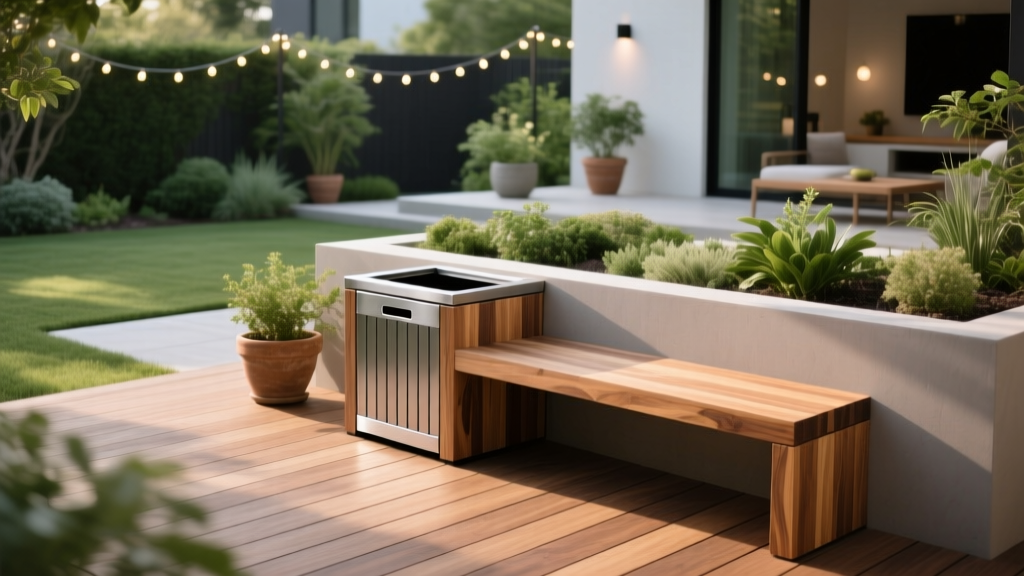
Best Outdoor Bar Trash Bin Hideaway - The Decor Mag
An outdoor bar is one of the fastest ways to make a patio feel like a destination. Cold drinks, a place to gather, and that easy “stay awhile” vibe—until the trash becomes the visual (and sometimes smelly) centerpiece. A trash can parked beside the grill or under the bar top can undermine even the most beautifully designed outdoor living space.
The right outdoor bar trash bin hideaway solves more than aesthetics. It supports better entertaining flow, keeps pests away, reduces odors, and makes cleanup quick—especially during peak hosting seasons like summer cookouts or fall football parties. With smart materials and a thoughtful layout, your patio living area stays polished year-round, whether you’re sipping iced tea in July or running a cozy winter fire pit setup with warm cider.
Below, you’ll find the best hideaway styles, design approaches, and practical tips—plus climate considerations, budget ranges, and common mistakes to avoid—so your backyard bar looks intentional from every angle.
What Makes a Great Outdoor Bar Trash Bin Hideaway?
The best solutions blend seamlessly into your outdoor kitchen or patio design while standing up to weather, spills, and daily use. Before choosing a hideaway, consider these must-haves:
- Weather resistance: Materials that won’t swell, rust, or delaminate in sun, rain, or humidity.
- Odor and pest control: Lids, liners, and airflow that reduce smell without inviting raccoons or insects.
- Easy access: Guests and hosts should find it without hunting—yet it shouldn’t dominate sightlines.
- Capacity: A 13-gallon kitchen can works for small gatherings; 20–32 gallons is better for frequent entertaining.
- Simple cleanup: Removable liners, washable interiors, and drainage features for accidental spills.
- Design cohesion: Match your bar’s finishes: teak, ipe, powder-coated aluminum, stone veneer, or composite.
Top Outdoor Bar Trash Bin Hideaway Options (Best Styles for Patios and Decks)
1) Built-In Pull-Out Trash Drawer (Best for Outdoor Kitchens)
If you have (or are planning) an outdoor kitchen, a pull-out trash and recycling drawer is the most seamless option. It hides clutter completely and keeps the footprint minimal—perfect for compact patio layouts.
Best materials and specs:
- 304 stainless steel for coastal or humid climates (better corrosion resistance than 201).
- Full-extension, soft-close glides for smooth operation.
- Dual bins (trash + recycling) or a bin + compost insert for eco-friendly entertaining.
- Gasketed edges or tight door fit to help reduce odors and pests.
Budget range: $250–$900 for the drawer system (not including cabinet framing).
Design tip: Place the pull-out within one step of the prep zone and bar garnish station. People throw away lime wedges, napkins, and bottle caps constantly—make it effortless.
2) Side Cabinet Hideaway (Best for Freestanding Outdoor Bars)
For freestanding bars or bar carts, a weatherproof side cabinet gives you a “built-in look” without a full renovation. Choose a cabinet with a front door and a vented back panel or discreet side louvers.
Recommended materials:
- HDPE (marine-grade polymer): won’t rot, peel, or crack; ideal for sun and rain.
- Powder-coated aluminum: lightweight, modern, and rust-resistant.
- Composite boards: good durability; pair with stainless hinges and hardware.
Budget range: $150–$700 depending on size and material.
Pro layout move: Put the cabinet on the “service side” of the bar (where the host stands), so guests don’t constantly open it. Add a second, smaller lidded bin on the guest side only if you host large groups frequently.
3) Lattice or Slatted Screen Enclosure (Best Budget-Friendly Upgrade)
A simple three-sided enclosure with a slatted front panel hides the bin while letting air move through—helpful in hot climates to reduce smell buildup. This is a great DIY approach for patios, decks, and garden bars.
Best materials for slatted enclosures:
- Cedar (naturally rot-resistant; stains beautifully).
- Redwood (excellent outdoors; pricier but long-lasting).
- Thermally modified wood (high stability, premium feel).
- Composite decking boards (low maintenance, consistent color).
Budget range: $60–$250 DIY; $250–$800 professionally built.
Design tip: Match slat spacing to your bar’s style. Tight spacing looks more modern; wider spacing reads casual and coastal.
4) Planter-Wrap Hideaway (Best for Garden Patios)
If you want the trash to disappear into the landscaping, a planter-wrap is a beautiful trick: a U-shaped planter surround or tall planters flanking the bin, creating a green “visual wall.” This works especially well in garden-forward outdoor living spaces.
Great planter materials:
- Fiberstone or fiberglass (lightweight, durable, modern).
- Corten steel (rusted patina, bold and architectural; great for desert and temperate climates).
- Glazed ceramic (use in mild climates or covered patios; protect from freeze/thaw).
Budget range: $120–$600 depending on planter size and plant selection.
Best plants for screening (by vibe and conditions):
- Evergreen structure: Boxwood (mild climates), dwarf yaupon holly, podocarpus (warm zones), dwarf Alberta spruce (cold zones).
- Modern + drought tolerant: Blue fescue, agave (warm zones), rosemary, lavender.
- Lush + tropical feel: Bird of paradise (warm), hardy hibiscus (seasonal), elephant ear (warm, moisture-friendly).
- Shady patios: Ferns, cast iron plant, hellebores, hostas (seasonal).
5) Bench Seat Hideaway (Best Dual-Purpose Patio Solution)
A storage bench with a hidden bin compartment is a smart move for small decks and narrow patios. You get extra seating and a concealed trash solution in one footprint—great for townhouse yards or condo terraces.
Material recommendations:
- All-weather resin wicker over aluminum (classic patio look).
- HDPE lumber benches (maintenance-light, very durable).
- Teak (premium, needs periodic cleaning; let it silver naturally or oil for color).
Budget range: $120–$500 for most benches; $600–$1,400 for premium teak or custom builds.
Tip: Add a removable tray under the bin to catch drips and make cleaning easier after parties.
Placement and Layout: Where the Trash Hideaway Should Go
Even the best outdoor bar trash bin hideaway fails if it’s in the wrong spot. Use these layout rules to keep your patio design looking refined and your entertaining flow smooth:
- Keep it within 3–6 feet of the prep zone (where you open snacks, slice citrus, and prep drinks).
- Hide it from the main sightline—typically the view from indoor sliding doors or the primary seating area.
- Avoid placing it beside heat (grill, pizza oven) to reduce odor amplification and protect materials.
- Plan for traffic: Don’t force guests to squeeze behind stools to toss trash.
- Pair it with a recycling solution if you serve bottles and cans often.
Smart outdoor bar layout combo: trash hideaway + towel hook + small counter landing zone. This trio makes hosting feel effortless and keeps clutter from migrating across the bar top.
Materials That Hold Up Outdoors (And Look Good Doing It)
Outdoor design is only as strong as the materials you choose—especially near food and drink. Here are top-performing options for an outdoor trash bin enclosure or cabinet:
- 304 stainless steel: Best for outdoor kitchens, coastal patios, and high humidity. Wipe down regularly to prevent salt buildup.
- HDPE (poly lumber): A standout for year-round outdoor living; doesn’t absorb moisture and cleans easily.
- Powder-coated aluminum: Sleek and modern; choose reputable finishes to avoid chipping.
- Cedar/redwood: Warm and classic; stain or seal for longer life, especially in wet climates.
- Composite decking: Great for matching a deck; minimal maintenance and consistent color.
- Stone veneer surrounds: Excellent for permanent outdoor bars; pair with a stainless or HDPE door system for access.
Odor, Drainage, and Pest Control: The Details That Make It Work
A hideaway should solve problems, not create them. Focus on these practical upgrades:
- Use a lidded bin inside the enclosure (step-lid or swing-top). The enclosure door alone isn’t enough for odor.
- Add a washable bin liner or heavy-duty bag with a snug rim to prevent slipping.
- Include airflow with discreet vents or slats—especially in summer heat.
- Create a “drip plan”: A shallow tray, rubber mat, or sealed base keeps spills from soaking wood.
- Block pests: Use tight-fitting doors, magnetic catches, and avoid gaps larger than 1/4 inch.
Quick hosting tip: Sprinkle baking soda in the bottom of the bin or add a charcoal odor absorber pouch inside the cabinet (kept dry). It’s a small move that makes a big difference during busy weekends.
Climate and Seasonal Considerations for Year-Round Outdoor Living
Hot and Humid Climates
- Prioritize ventilation (slats, louvers) to prevent odor buildup.
- Choose HDPE, aluminum, or 304 stainless to avoid swelling and mildew.
- Rinse sticky spills quickly—sugary drinks attract ants fast.
Coastal Yards (Salt Air)
- Use 304 stainless steel hardware and hinges; avoid bare steel screws.
- Wipe down metal surfaces monthly with fresh water to remove salt film.
- Consider HDPE cabinetry for a nearly worry-free option.
Cold Winters and Freeze/Thaw
- Avoid porous materials that can crack (some ceramics, low-grade concrete) unless rated for freeze/thaw.
- Use composite, HDPE, or sealed wood with a raised base to prevent sitting water from freezing.
- In winter, switch to smaller bins more frequently to prevent lingering odors when lids freeze shut.
Dry, High-UV Regions
- Choose UV-stabilized HDPE or high-quality powder coating to prevent fading.
- For wood, reapply UV-protective stain as needed (often every 1–2 years depending on exposure).
- Drought-tolerant screening plants like rosemary, lavender, agave, and ornamental grasses thrive with less water.
Common Mistakes to Avoid
- Hiding the trash too well: If guests can’t find it, they’ll leave napkins on tables. Make it discreet, not invisible.
- Using indoor furniture materials outdoors: MDF, untreated pine, and standard cabinet hinges fail quickly in weather.
- No ventilation: A sealed box traps heat and smell—especially during summer entertaining.
- Placing it in the splash zone: Too close to the sink or drink station leads to constant sticky mess.
- Skipping a recycling plan: Outdoor bars generate lots of cans and bottles; overflow makes any patio look messy.
- Forgetting clearance: Doors and pull-outs need room to open without hitting stools, planters, or railings.
Design Ideas That Make the Hideaway Look Intentional
These design approaches help your trash solution feel like part of the patio decor—not an afterthought:
- Match finishes: Repeat bar materials (teak, black aluminum, stone veneer) on the hideaway front panel.
- Use symmetry: Flank a center cabinet with two planters or two bar stools for a balanced look.
- Add task lighting: A small, warm LED under the bar overhang helps guests find the trash at night.
- Integrate a “service strip”: Mount a slim rail with hooks for a bar towel and bottle opener near the hideaway.
- Go monochrome: Black-on-black (bin + cabinet) visually disappears in modern outdoor living spaces.
Budget Guide: What You Can Expect to Spend
- $50–$150: DIY slatted screen, simple lidded bin upgrade, basic outdoor cabinet.
- $150–$500: HDPE cabinet, storage bench hideaway, planter-wrap with sturdy containers.
- $500–$1,200: Premium cabinetry, dual-bin systems, custom carpentry with weatherproof finishes.
- $1,200+: Full outdoor kitchen integration, stone surround with stainless drawer, professional installation.
FAQ: Outdoor Bar Trash Bin Hideaway
What size trash bin is best for an outdoor bar?
For occasional entertaining, a 13-gallon bin can work. If you host often or serve meals outdoors, aim for 20–32 gallons or use a dual-bin setup (trash + recycling) to prevent overflow.
How do I keep my outdoor trash hideaway from smelling?
Use a lidded bin inside the enclosure, add baking soda or a charcoal absorber, and prioritize ventilation (louvers or slats). Empty more frequently in hot weather, especially after seafood, dairy, or sugary drinks.
What’s the most weatherproof material for a patio trash cabinet?
HDPE (marine-grade polymer) is one of the most weatherproof, low-maintenance choices. For outdoor kitchens, 304 stainless steel is excellent—especially in coastal climates.
Can I hide a trash bin with plants without attracting pests?
Yes—keep the bin lidded, avoid letting food residue accumulate, and choose planters that don’t create hidden cavities behind them. A tight enclosure door and regular cleanouts are the real pest deterrents.
Where should I place the trash hideaway in an outdoor bar layout?
Put it near the prep zone (3–6 feet) but out of the main sightline from indoor views and primary seating. Avoid placing it directly beside the grill or in a tight walkway.
Do I need ventilation holes in a trash cabinet?
If the cabinet is fully enclosed, yes—discreet ventilation helps reduce odor buildup and humidity that can cause mildew. Slats, louvers, or small side vents are usually enough.
Your Next Steps: A Cleaner, More Beautiful Outdoor Bar
Start by choosing the hideaway style that matches your space: a pull-out drawer for outdoor kitchens, a weatherproof side cabinet for freestanding bars, a slatted screen for budget-friendly patio upgrades, or a planter-wrap if you want the trash to blend into your landscaping. Then fine-tune it with the details that matter—ventilation, pest control, easy-clean surfaces, and placement that supports smooth entertaining.
Want more patio living upgrades, outdoor design trends, and landscaping ideas that make your backyard feel like a retreat? Explore more outdoor inspiration at thedecormag.com.
More Articles
 How to Design a Rain Garden - The Decor Mag
 DIY Summer Porch Makeover: Budget Refresh Under $100
 12 Practical DIY Style Ideas for Outdoor Living Spaces That Deliver Professional Results
 Cheap vs Premium Outdoor Living: A Data-Driven Checklist for Smart Investment Decisions
 How to Design a Gravel Garden - The Decor Mag
 How to Create an Outdoor Dining Area - The Decor Mag
 How to Design a Permaculture Garden - The Decor Mag
 Practical and Aging-Resilient Outdoor Living: Designing Spaces That Serve Today and Endure Tomorrow
 Safety vs Scheme: Balancing Aesthetic Vision with Real-World Outdoor Living Protection
 Best Outdoor Adirondack Chair Styles - The Decor Mag