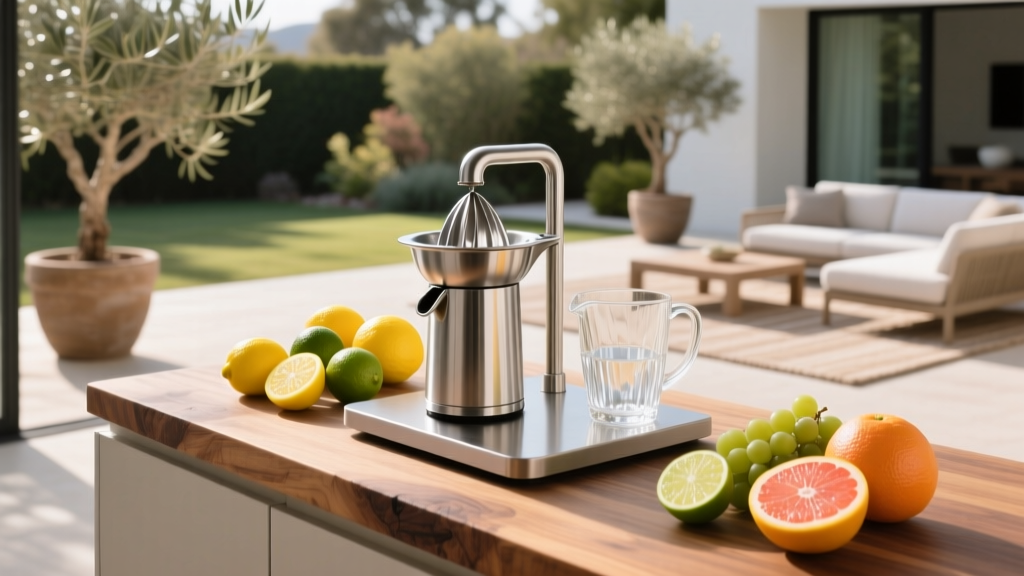
Best Outdoor Bar Citrus Squeezer Station - The Decor Mag
A great outdoor bar isn’t just about a cooler full of ice and a pretty countertop—it’s about flow, freshness, and the small rituals that make hosting feel effortless. A dedicated citrus squeezer station turns everyday patio living into a true outdoor entertaining experience: you can squeeze limes for margaritas, lemons for spritzes, oranges for brunch cocktails, and grapefruit for summer palomas without running in and out of the kitchen.
Homeowners are investing in outdoor living spaces that feel like extensions of the home—complete with outdoor kitchens, pergolas, fire pits, and lounge seating. A citrus squeezer station is a smart “micro-zone” that adds both function and charm. It keeps sticky prep mess contained, supports better-tasting drinks, and encourages guests to gather in one place while you stay part of the conversation.
If you want your patio, deck, or garden bar to feel professional and polished, this guide breaks down the best layouts, materials, storage ideas, plant pairings, and climate-smart details—plus budget ranges and common mistakes to avoid.
What Makes an Outdoor Citrus Squeezer Station Worth It?
Fresh citrus is the backbone of outdoor cocktails and mocktails, and it’s also a secret weapon for grilled food, marinades, and garnishes. A purpose-built station helps you:
- Improve outdoor bar workflow: cut, squeeze, strain, garnish, and rinse in one place.
- Keep outdoor countertops cleaner: contain drips, peels, and sticky juice.
- Elevate presentation: a beautiful setup with cutting board, citrus bowl, and herbs looks styled, not cluttered.
- Support year-round outdoor living: with weather-resistant materials and smart storage, it works in every season.
Planning Your Layout: The Best Placement for a Citrus Squeezer Station
Choose a “working edge” near the action
For the best outdoor design, place your citrus station where it supports the natural flow between seating, grilling, and serving. Ideal spots include:
- Beside the outdoor bar sink (best for quick rinse and cleanup)
- Adjacent to the grill or pizza oven (great for marinades and finishing citrus)
- At the end of a bar counter (keeps prep out of the main serving zone)
- Under a pergola or covered patio (protects tools and cutting surfaces from sun and rain)
Space guidelines that feel roomy (not crowded)
- Counter length: 24–36 inches minimum for cutting + squeezing
- Depth: 18–24 inches
- Standing clearance behind: 36–42 inches for comfortable movement
- If adding a mini sink: plan 18 inches of landing space on at least one side
Best micro-zone layouts
- Bar-Extension Station: A small add-on counter at the end of your bar for dedicated prep.
- Cart-Based Station: A rolling bar cart with a built-in cutting surface and storage—perfect for small patios.
- Built-In Niche: A recessed counter area with shelves above for tools, glassware, and citrus bowls.
The Core Components: What Your Citrus Station Needs
1) The right citrus squeezer (handheld vs. press)
- Heavy-duty handheld press: Best for limes and lemons; quick for weeknights and small gatherings.
- Countertop lever press: Best for frequent entertaining; faster, less hand fatigue, and a “bar-quality” moment guests love.
Outdoor tip: Choose stainless steel or coated metal tools. Avoid bare cast iron unless you’re committed to drying and oiling to prevent rust.
2) A dedicated prep surface
The cutting surface matters in outdoor kitchens because sun, moisture, and temperature swings can warp weaker materials.
- Best cutting boards: teak, acacia, or commercial-grade HDPE (dishwasher safe if you bring it inside)
- Best countertop materials:
- Granite: durable and classic; seal annually.
- Concrete: customizable; needs sealing and occasional reseal.
- Porcelain slab: highly stain- and UV-resistant; excellent for year-round outdoor living.
- Stainless steel: commercial look; can show scratches but cleans easily.
3) Smart containment for juice, peels, and tools
- Catch tray: a shallow stainless tray under the press keeps drips contained.
- Compost bowl: lidded ceramic or stainless container for peels (also helps with pests).
- Bar towel hook: mount a hook or small rod under the counter for quick wipe-down.
4) Storage that survives weather
- Outdoor-rated cabinets: powder-coated aluminum or marine-grade polymer.
- Sealed bins: clear gasketed containers for strainers, jiggers, and spare citrus.
- Drawer liners: non-slip, washable liners keep tools from sliding and reduce rattling.
Design Recommendations: Furniture, Materials, and Style That Feels Intentional
Furniture and station base options
- Built-in bar island: best for permanent outdoor kitchen layouts; pairs well with stone veneer and a pergola.
- Outdoor console table: a slim, weather-resistant console behind seating can double as a citrus/garnish zone.
- Rolling cart: ideal for small patios and renters; choose powder-coated steel with outdoor casters and a handle.
Material recommendations (station base):
- Powder-coated aluminum: rust-resistant, modern, low maintenance.
- Teak: warm and timeless; requires seasonal oiling if you want to preserve color.
- HDPE “poly lumber”: great for wet climates; won’t rot or peel.
- Stone veneer + masonry base: best for built-ins; durable and high-end.
Lighting for evening patio entertaining
- Task lighting: under-counter LED strip lights or a small directional sconce.
- Ambient lighting: string lights under a pergola or bistro lights across the patio.
- Flame option: a tabletop lantern placed away from citrus and towels for safe glow.
Color and styling that looks like a resort bar
- Palette idea: white + natural wood + matte black accents for a crisp outdoor kitchen look.
- Textiles: outdoor fabric runner (Sunbrella-style) for a softer, styled presentation.
- Serving pieces: a heavy ceramic citrus bowl and a small tray for salt, sugar, and bitters.
Plant Pairings: The Best Herbs and Citrus-Friendly Landscaping Around Your Bar
Plants make your citrus station feel integrated into the garden rather than “stuck on” the patio. They also provide garnish, fragrance, and privacy.
Best garnish plants for an outdoor bar station
- Rosemary: hardy, aromatic, great with grapefruit and gin; can be trained as a small hedge.
- Mint (in a pot): essential for mojitos; keep contained so it doesn’t take over beds.
- Basil: perfect for lemon-forward cocktails; grows well in sunny spots with regular water.
- Thyme: drought-tolerant; delicate garnish that looks elegant in a small pot.
- Lemongrass: bold texture for tropical-style patios; great near seating for scent.
Best landscaping plants for ambiance + privacy
- Dwarf olive (warm climates): silvery foliage, Mediterranean vibe.
- Clumping bamboo (select non-invasive varieties): fast privacy screen for urban patios.
- Boxwood or ilex (cooler climates): evergreen structure near outdoor kitchens.
- Lavender (sunny, dry areas): pollinator-friendly and pairs beautifully with citrus scents.
Design tip: Place herbs in matching containers (terracotta, matte black, or glazed ceramic) to create a cohesive outdoor living look.
Climate-Smart Choices for Year-Round Outdoor Living
Hot and sunny climates
- Choose UV-stable materials: porcelain countertops, powder-coated metals, HDPE furniture.
- Add shade: pergola, cantilever umbrella, or shade sail to protect citrus and tools from heat.
- Hydration plan for plants: drip irrigation or self-watering planters for herbs.
Rainy and humid climates
- Prioritize rust resistance: stainless steel (304 or better), aluminum, sealed cabinetry.
- Use lidded storage: keep ants and moisture away from bar tools and napkins.
- Plan drainage: slightly sloped countertop or a drip tray to avoid standing water.
Cold and freeze-prone climates
- Bring portable tools inside: citrus press, cutting boards, bitters, and glassware.
- Winterize the sink: shut off water lines and drain to prevent freeze damage.
- Choose freeze-thaw-friendly materials: porcelain slab or properly sealed concrete; avoid porous stone that can spall.
Maintenance Checklist: Keep It Clean, Safe, and Ready for Guests
- After each use: wipe surfaces, empty compost bowl, rinse squeezer and dry fully.
- Weekly: sanitize cutting boards (food-safe cleaner), check for sticky buildup around handles and hinges.
- Monthly: inspect cabinet seals, clean drawer liners, oil teak if maintaining color.
- Seasonally: reseal stone/concrete as needed, refresh grout, deep clean and reorganize.
Pest prevention tip: Avoid leaving cut citrus out overnight. Use a lidded container and wipe spills immediately to discourage ants and fruit flies.
Budget Ranges: What You Can Expect to Spend
- Budget-friendly ($75–$300): rolling cart or small outdoor side table, handheld citrus press, trays, and sealed bins.
- Mid-range ($300–$1,200): quality outdoor console or bar cart, upgraded countertop insert, better storage, lighting, and herb planters.
- High-end ($1,200–$6,000+): built-in outdoor bar station with stone/porcelain counter, cabinets, optional sink, and integrated lighting.
Common Mistakes to Avoid (and What to Do Instead)
- Mistake: Putting the citrus station too far from water.
Do instead: Keep it near a sink or add a water dispenser and a rinse bin for quick cleanup. - Mistake: Using indoor-only materials outdoors (MDF, untreated wood, non-UV plastics).
Do instead: Choose powder-coated aluminum, HDPE, teak, porcelain, or sealed stone. - Mistake: No containment for peels and drips.
Do instead: Add a drip tray and a lidded compost bowl to keep the area tidy. - Mistake: Ignoring lighting.
Do instead: Install task lighting so slicing and squeezing is safe after sunset. - Mistake: Leaving tools exposed to weather.
Do instead: Use a small bin system and bring key tools indoors during storms or winter.
FAQ: Outdoor Bar Citrus Squeezer Stations
What’s the best countertop material for an outdoor citrus prep station?
Porcelain slab is a top pick for stain resistance, UV stability, and easy cleaning. Granite is also excellent if you seal it regularly. Stainless steel is the easiest for sanitation and pairs well with modern outdoor kitchens.
Do I need a sink at my outdoor bar citrus station?
A sink is a major convenience, especially for frequent entertaining. If adding plumbing isn’t realistic, use a rinse bin setup: a small tub of clean water for quick rinses and a second bin for used tools, then carry everything inside to wash.
How do I keep ants and fruit flies away from fresh citrus outdoors?
Use lidded containers for cut citrus, wipe spills right away, and keep a sealed compost bowl for peels. In heavy pest areas, store citrus in a cooler drawer or insulated bin between rounds.
Which herbs are easiest for beginners near a patio bar?
Rosemary, thyme, and mint (kept in a pot) are the most forgiving. They handle heat well and bounce back quickly with regular trimming.
Can I build a citrus station on a small balcony or compact patio?
Yes. Use a narrow outdoor console (12–16 inches deep) or a compact rolling cart. Focus on vertical storage (a small shelf or rail) and keep the tool kit minimal: handheld press, cutting board, knife, towel, and a peel bowl.
Your Next Steps: Build a Citrus Station That Makes Outdoor Hosting Effortless
Start by choosing where your citrus station will live—near the sink, grill, or at the end of your outdoor bar. Then select weather-ready materials (porcelain, sealed stone, stainless, powder-coated aluminum) and add the essentials: a quality squeezer, a prep surface, containment for peels, and storage that keeps tools clean and dry. Finish with garnish-friendly plants like rosemary and mint to tie the station into your landscaping and patio design.
Pick one upgrade you can do this weekend—set up a cart, add task lighting, or create a herb-and-citrus corner—and you’ll feel the difference at your very next gathering. For more outdoor living space ideas, patio upgrades, and landscaping inspiration, explore the latest guides on thedecormag.com.
More Articles
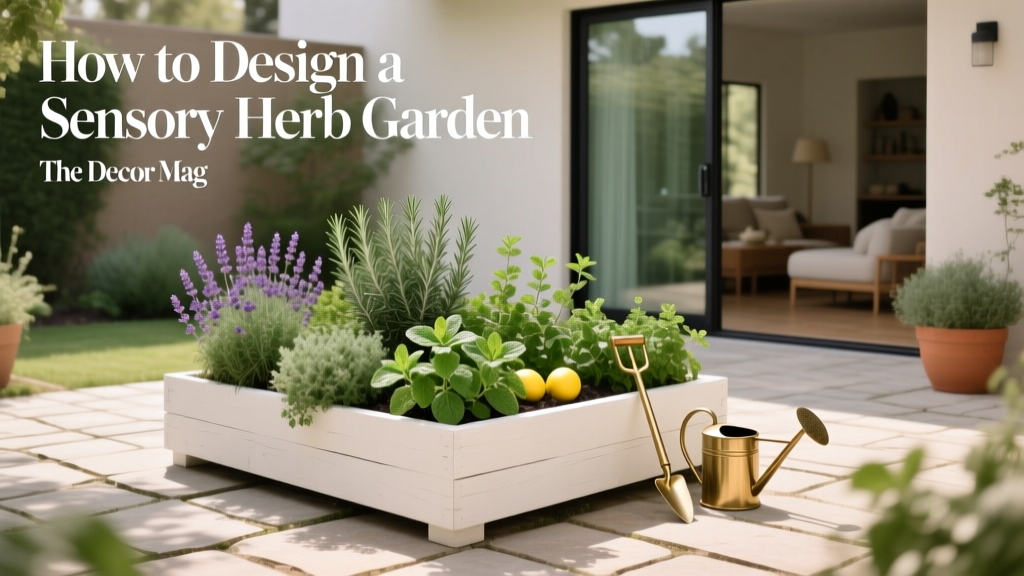 How to Design a Sensory Herb Garden - The Decor Mag
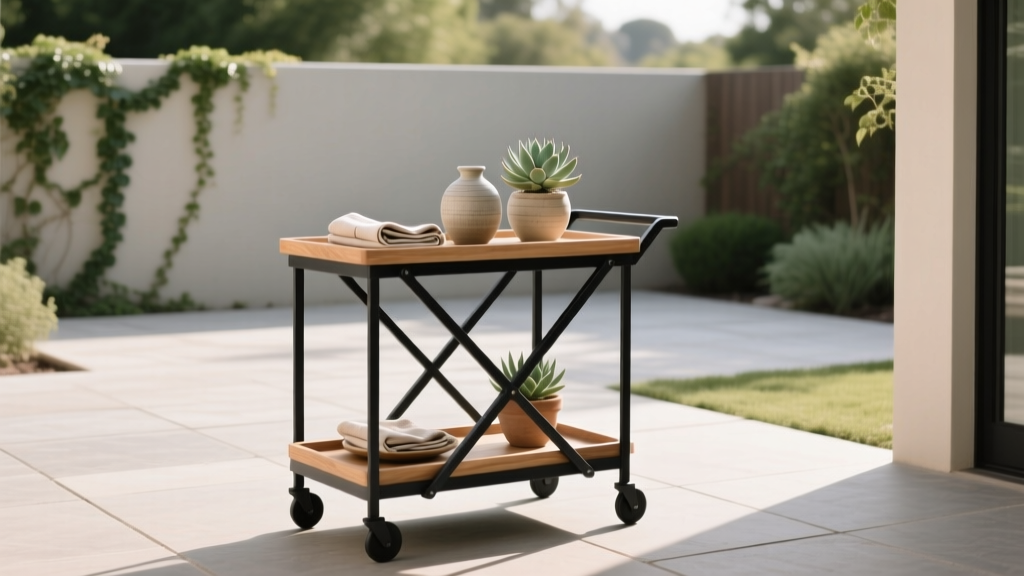 Best Outdoor Serving Cart Options - The Decor Mag
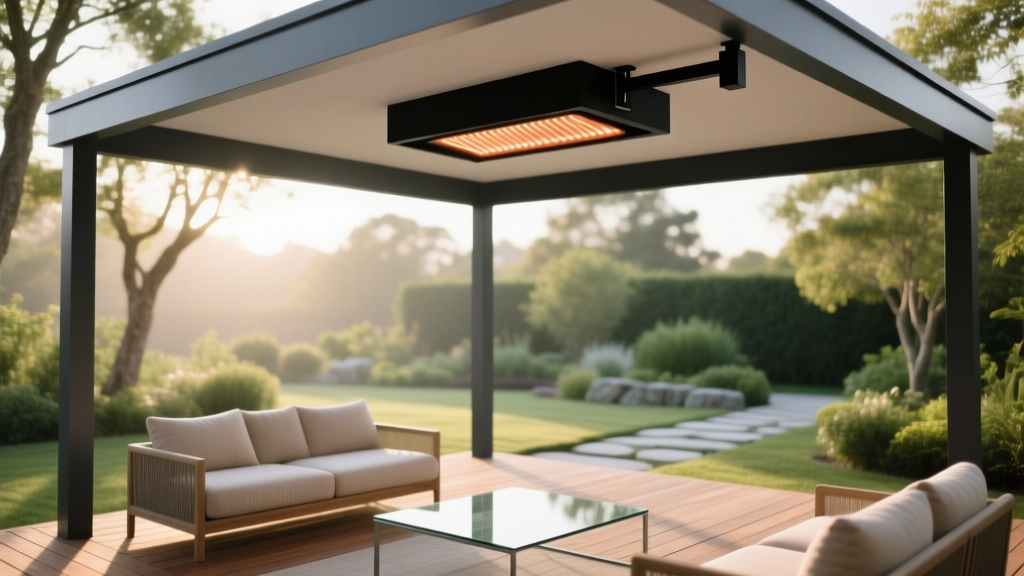 Outdoor Pavilion Infrared Heater Mount - The Decor Mag
 Trends for Height: Elevating Outdoor Living with Smart Vertical Design
 Best Outdoor Bar Bread Basket Station - The Decor Mag
 Best Outdoor Bar Nut Bowl Collection - The Decor Mag
 Warm Lighting vs. Lighting Checklists: Why Relying Solely on Lists Compromises Outdoor Ambiance and Safety
 Best Outdoor Bar Lemon Wedge Bowl - The Decor Mag
 Safety vs Living: Reconciling Outdoor Security with Authentic Lifestyle Experience
 How to Create a Bat Friendly Garden - The Decor Mag