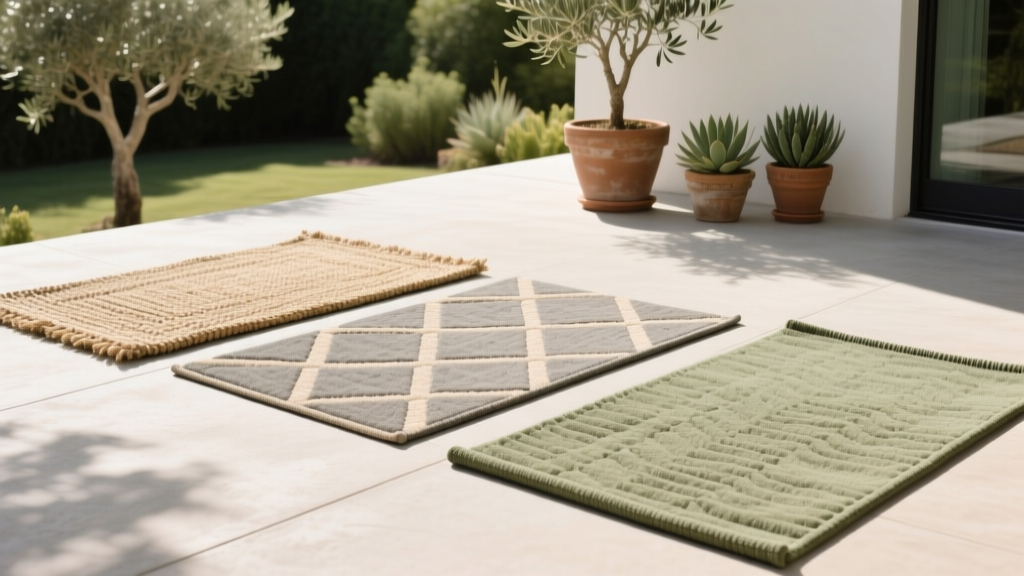
Best Outdoor Rug Options for Durability - The Decor Mag
An outdoor rug can be the difference between a patio that feels like a pass-through and one that feels like a true outdoor room. It anchors furniture, softens hard surfaces, reduces glare, and adds color and pattern without committing to permanent changes. For homeowners upgrading patios, gardens, decks, or pool areas, a durable outdoor rug is one of the quickest design moves with the biggest payoff.
Durability matters because outdoor living is tough on textiles: UV rays fade dyes, rain and irrigation keep fibers damp, pollen and leaf litter stain, and foot traffic (plus muddy paws) grinds grit into the weave. The best outdoor rug options balance performance with style so your patio living space stays inviting across seasons—from spring entertaining to summer pool days, fall gatherings around the fire pit, and even winter use in mild climates.
This guide breaks down the most durable outdoor rug materials, what to buy for different climates, how to size and place rugs for outdoor design, and the maintenance habits that keep them looking sharp year-round.
What Makes an Outdoor Rug Truly Durable?
Outdoor rugs vary widely. “Outdoor-safe” isn’t the same as “built for years of weather.” Look for these durability markers when shopping:
- UV resistance: Solution-dyed fibers generally outperform printed or surface-dyed options for fade resistance.
- Quick-drying construction: Flatweave and low-pile styles dry faster and resist mildew better than thick piles.
- Mold/mildew resistance: Synthetic fibers (especially polypropylene) handle moisture and humidity well.
- Stain resistance: Tight weaves resist spills; darker colors and heathered patterns disguise dirt.
- Edge binding quality: Look for reinforced borders and secure stitching to reduce fraying.
- Ventilation underneath: The right rug pad (or breathable placement) prevents trapped moisture on decks and concrete.
Quick Checklist Before You Buy
- Measure your seating or dining zone first; then choose the rug size.
- Decide if the rug will face full sun, partial shade, or near constant moisture (pool, sprinklers, coastal mist).
- Pick a pattern that hides everyday mess (stripes, geometrics, mottled solids).
- Confirm it’s labeled for outdoor use and check cleaning instructions.
Best Outdoor Rug Materials for Durability
1) Polypropylene (Olefin): The Workhorse for Patios
If you want the best blend of affordability, weather resistance, and style options, polypropylene is the go-to. It’s common in outdoor area rugs because it resists moisture, stains, and fading better than many fibers in the same price bracket.
- Best for: High-traffic patio living areas, decks, outdoor dining spaces, family-friendly yards
- Durability strengths: Mold/mildew resistance, easy cleaning, fast drying
- Watch-outs: Can feel less plush; extreme heat can warp cheaper versions
- Typical budget: $60–$250 for 5' x 7'; $150–$600 for 8' x 10'
Design tip: Pair a polypropylene rug with outdoor furniture in powder-coated aluminum or teak. The mix reads polished and modern, and it holds up beautifully for year-round outdoor living.
2) Recycled Plastic (PET): Great for Sustainability + Texture
Many outdoor rugs made from recycled PET (often from plastic bottles) offer surprisingly soft, textile-like texture while staying durable outdoors. These are a strong option for homeowners who want eco-conscious outdoor design without sacrificing performance.
- Best for: Covered patios, screened porches, moderate climates, style-forward outdoor rooms
- Durability strengths: Fade resistance, stain resistance, soft feel underfoot
- Watch-outs: In persistently damp areas, ensure quick drainage and ventilation to prevent odor or mildew
- Typical budget: $100–$350 for 5' x 7'; $250–$900 for 8' x 10'
Layout idea: On a covered porch, use a PET rug to define a lounge zone with a sectional, a low coffee table, and two planter “bookends” for structure (try tall pots with dwarf fountain grass or rosemary standards).
3) Solution-Dyed Acrylic: Premium Fade Resistance for Full Sun
Solution-dyed acrylic is a top-tier choice when your patio or pool deck gets intense sun. Because color is locked into the fiber during manufacturing, it stands up to UV better than many alternatives.
- Best for: Full-sun patios, rooftop decks, bright poolside areas
- Durability strengths: Excellent color retention, soft feel, upscale look
- Watch-outs: Higher price; choose low-pile for easier outdoor cleaning
- Typical budget: $200–$600 for 5' x 7'; $600–$1,500+ for 8' x 10'
Style recommendation: If you love bold stripes or Mediterranean-inspired patterns, solution-dyed acrylic is where those colors stay crisp season after season.
4) Bamboo or Seagrass-Style Outdoor Rugs: Best for Covered Spaces
Natural-fiber looks (or synthetics designed to mimic them) bring warmth and a resort feel to outdoor living spaces. True natural fibers are typically best under cover where they won’t stay wet.
- Best for: Screened porches, covered decks, dry climates, low-mess zones
- Durability strengths: Great texture, hides minor debris, natural aesthetic
- Watch-outs: Moisture can cause warping, mold, or dark spots if exposed to rain
- Typical budget: $80–$300 for 5' x 7'; $200–$800 for 8' x 10'
Practical swap: Want the seagrass vibe with better weather resistance? Choose a polypropylene “natural weave” pattern and you’ll get the look with easier maintenance.
5) Indoor/Outdoor Performance Blends: For High-Design Patios
Some premium rugs blend fibers or use advanced weaves to achieve designer patterns with outdoor durability. These can be excellent for homeowners treating their patio like an extension of interior design.
- Best for: Outdoor living rooms, entertaining patios, spaces with coordinated decor
- Durability strengths: Elevated design options, good fade resistance when solution-dyed
- Watch-outs: Check cleaning requirements; avoid thick piles in wet climates
- Typical budget: $250–$800 for 5' x 7'; $700–$2,000+ for 8' x 10'
Choosing the Right Rug for Your Climate
Hot, Sunny Climates (Desert, High-UV مناطق)
- Best materials: Solution-dyed acrylic, high-quality polypropylene
- Color strategy: Mid-tones and patterned designs hide dust and resist the “washed out” look
- Seasonal tip: Rotate rugs once or twice per season to even out fading where furniture blocks sun
Humid, Rainy, or Coastal Climates
- Best materials: Polypropylene flatweave; avoid thick piles that hold moisture
- Placement strategy: Use a breathable outdoor rug pad or ensure the rug can drain and dry
- Plant pairing: Use mildew-resistant landscaping plants nearby to reduce soggy leaf litter—try society garlic, liriope, agave (where appropriate), or daylilies for tidy edges
Cold Climates with Freeze/Thaw
- Best materials: Polypropylene; low-profile rugs that dry quickly
- Winter approach: If your patio is exposed, roll the rug up and store it during snow season to prevent ice buildup and prolong lifespan
- Year-round living tip: If you use a covered heater area in winter, keep a smaller outdoor rug there to make the zone feel cozy without exposing a large rug to harsh conditions
Outdoor Rug Sizing, Layouts, and Design Moves That Look Professional
Right-Size Your Rug for Patio Furniture
Undersized rugs are the most common patio design mistake. A rug should feel like a “platform” for your furniture, not a small mat floating in the middle.
- Outdoor living room: Front legs of all seating should sit on the rug (or all legs, if space allows).
- Outdoor dining: Rug should extend 24–30 inches beyond the table on all sides so chairs stay on the rug when pulled out.
- Small balcony: Use a rug that covers most of the floor area to visually enlarge the space.
Layering for Depth (Yes, Outdoors Too)
Layering adds a designer look and increases durability where traffic is highest.
- Start with a large, neutral flatweave base (polypropylene).
- Add a smaller patterned rug on top in a seating zone (choose a similarly weather-rated piece).
- Keep layers low-profile to avoid trip hazards and moisture traps.
Color and Pattern That Stay Looking Clean
- Best dirt-disguising patterns: Geometric, stripe, border patterns, small-scale repeats
- Best practical colors: Charcoal, navy, taupe, heathered grays, terracotta tones
- Poolside tip: Choose a rug with a tighter weave so sunscreen and pool chemicals wipe up faster
Maintenance That Extends Rug Life (Without Making It a Chore)
Weekly / Quick-Clean Routine
- Shake out or sweep debris (especially under trees).
- Spot-clean spills with mild soap and water.
- Lift corners occasionally to let the surface underneath dry and breathe.
Monthly / Deep-Clean Routine
- Hose down the rug on a slope or driveway.
- Scrub gently with a soft brush and a solution of mild dish soap.
- Rinse thoroughly to remove residue (soap can attract dirt if left behind).
- Dry fully—drape over a railing or hang it so both sides dry.
Rug Pads: The Unsung Hero of Outdoor Durability
A quality outdoor rug pad helps prevent slipping, reduces wear, and improves drainage. Choose a pad labeled for outdoor use (open weave) and trim it 1–2 inches smaller than the rug so it doesn’t show.
Smart Pairings: Outdoor Rugs + Furniture + Plants
Furniture Materials That Complement Durable Rugs
- Powder-coated aluminum: Rust-resistant, lightweight, great with modern patterns.
- Teak: Handles sun and rain, looks elevated against neutral woven rugs.
- All-weather wicker (resin): Cozy texture; pair with striped or border rugs for structure.
- Concrete or stone tables: Add visual weight; balance with a softer, warmer rug palette.
Plants That Make Outdoor Rugs Look Intentional
Rugs look best when they feel “framed” by greenery. Use planters and planting beds to create edges and repeat color from the rug into the landscape.
- Low-maintenance planter picks: Lavender, rosemary, boxwood (in pots), snake plant (warm climates), dwarf olive (where appropriate)
- For color near seating: Geraniums, lantana, salvia, mandevilla (climbing on a trellis)
- For movement and softness: Fountain grass, blue fescue, sedge (choose varieties suited to your region)
Design trick: Pull one rug color into cushions and another into planters (for example, navy rug + cream cushions + terracotta pots). This creates a cohesive outdoor living space without over-matching.
Common Mistakes to Avoid
- Buying an indoor rug for outdoor use: It can trap moisture, mildew, and fade quickly.
- Choosing thick, high-pile rugs in rainy climates: They stay wet longer and can smell musty.
- Ignoring drainage: Placing a rug on a surface that puddles shortens its life and can stain decks or concrete.
- Going too small: Undersized rugs make outdoor furniture look disconnected and “temporary.”
- Skipping a rug pad: Slipping, curling, and accelerated wear are common without one.
- Not considering seasonal storage: In snowy regions, leaving rugs out all winter can lead to cracking, stiffness, or trapped ice.
Budget Ranges: What to Expect at Every Price Point
- Budget ($50–$200): Smaller polypropylene rugs, simple patterns, great for balconies and patios on a budget.
- Mid-range ($200–$700): Better UV stability, larger sizes, more refined patterns, often the best value for most homeowners.
- Premium ($700–$2,000+): Solution-dyed acrylics, designer performance blends, elevated textures and long-term color payoff for full-sun or high-design outdoor rooms.
FAQ: Outdoor Rugs for Patios, Decks, and Gardens
What is the most durable material for an outdoor rug?
High-quality polypropylene (olefin) is often the most durable all-around choice for patios and decks because it resists moisture, mildew, and stains while staying budget-friendly. For maximum fade resistance in full sun, solution-dyed acrylic is a premium option.
Can I put an outdoor rug on a wood deck?
Yes, but use a breathable outdoor rug pad and lift the rug periodically so moisture doesn’t get trapped against the deck boards. Choose a flatweave or low-pile style for faster drying.
How do I keep an outdoor rug from blowing away?
Use an outdoor rug pad for grip, add heavier furniture legs on top of the rug edges, and consider corner weights for windy rooftop decks. Flatweave rugs typically stay put better than lighter, looser weaves.
Do outdoor rugs get moldy?
They can if moisture gets trapped underneath or if the rug stays wet for long periods. Choose polypropylene, avoid thick piles in humid climates, improve drainage, and let the rug dry fully after storms or deep cleaning.
Should an outdoor rug match my patio cushions?
Matching perfectly can feel flat. Aim for coordination: pick one color from the rug to repeat in cushions, then introduce a complementary tone through planters, throws, or umbrella fabric for a layered outdoor design.
When should I replace an outdoor rug?
Replace when the backing breaks down, edges fray heavily, the rug won’t lie flat, or persistent odors/mildew remain after cleaning. With good care, many durable outdoor rugs last 3–7 years, and premium options can last longer in covered spaces.
Next Steps: Choose, Place, and Enjoy Your Outdoor Room
Start by measuring your patio seating or dining layout, then pick a rug material that matches your climate—polypropylene for everyday durability, solution-dyed acrylic for full sun, or recycled PET for a softer, sustainability-minded upgrade. Add a breathable outdoor rug pad, frame the space with planters, and build a simple seasonal routine: shake out debris weekly, hose down as needed, and store it during harsh winter weather if your region demands it.
Ready to keep upgrading your patio living and landscaping style? Explore more outdoor design ideas, planting inspiration, and backyard layout guides on thedecormag.com.
More Articles
 How to Design a Backyard Oasis - The Decor Mag
 Best Outdoor Side Table Options - The Decor Mag
 How to Design a Fragrant Garden Path - The Decor Mag
 Practical Aging Safety Tips for Outdoor Living Spaces
 Best Outdoor Cocktail Cart Picks - The Decor Mag
 How to Design a Japanese-Inspired Garden - The Decor Mag
 Outdoor Kitchen Corner Cabinet Ideas - The Decor Mag
 Outdoor Kitchen Gas Line Planning - The Decor Mag
 Best Outdoor Bench Options for Entryways - The Decor Mag
 How to Create a Cut Flower Garden - The Decor Mag