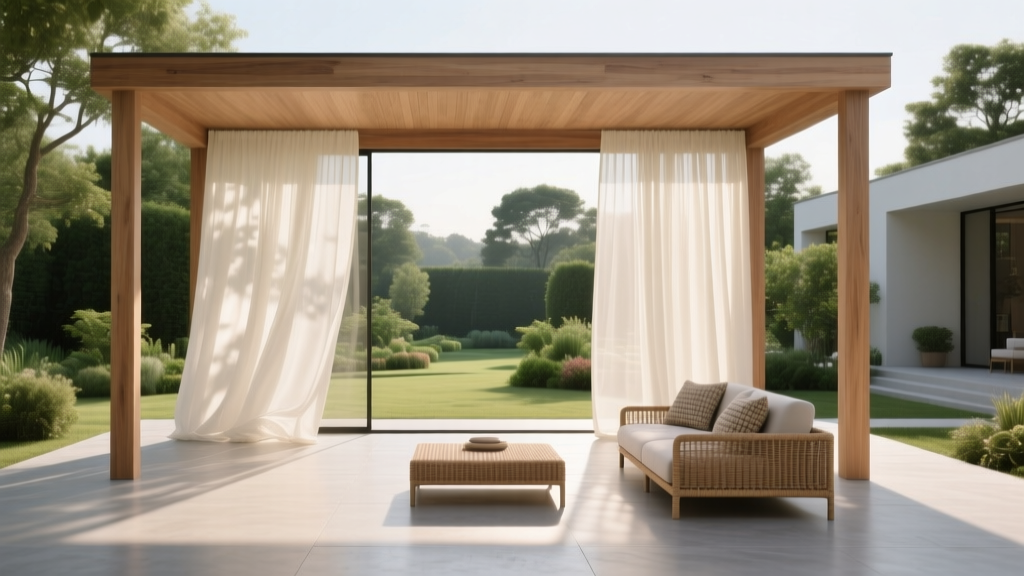
Outdoor Gazebo with Screen Curtains - The Decor Mag
A great outdoor living space should feel as comfortable as your favorite room indoors—only with better light, fresher air, and a view of your garden. That’s exactly why an outdoor gazebo with screen curtains has become a go-to feature for homeowners upgrading patios, decks, and backyard landscapes. It creates a defined “room” outside, offering shade, privacy, and a welcome barrier between you and mosquitoes, flies, drifting leaves, and even harsh afternoon sun.
Screen curtains take a standard gazebo from “pretty structure” to a truly functional outdoor retreat. They’re the difference between a patio you use occasionally and an outdoor space you live in—from spring dinners and summer parties to cozy autumn mornings with coffee. With the right materials, furniture, and plantings, a screened gazebo can support year-round outdoor living, whether you’re aiming for a casual garden lounge or an elevated outdoor dining room.
This guide covers design choices, layout strategies, furniture recommendations, climate-specific tips, maintenance, budget ranges, and the most common mistakes to avoid—so your gazebo looks intentional, performs well, and adds real value to your home and landscape.
Why Screen Curtains Are a Game-Changer for Outdoor Design
Comfort, Without Compromise
Screen curtains deliver practical benefits that directly impact how often you’ll use your outdoor space:
- Bug control: Helps block mosquitoes, gnats, and flies—especially near lawns, ponds, or wooded edges.
- Improved privacy: Screens soften sightlines while keeping the space airy.
- Better shade and glare control: Many screens reduce harsh sunlight without feeling dark.
- Cleaner seating area: Cuts down on windblown leaves and debris landing on cushions and rugs.
- More flexible “rooms” outdoors: Turns a patio living area into a protected lounge, dining room, or reading nook.
More Ways to Use Your Patio and Garden
A screened gazebo supports multiple outdoor living zones—perfect for modern landscaping where homeowners want distinct spaces:
- Outdoor dining and entertaining
- Poolside shade lounge
- Hot tub enclosure (with proper ventilation)
- Outdoor office or yoga space
- Kids’ craft and game zone
Choosing the Right Gazebo Structure: Size, Style, and Placement
Pick the Right Size for How You Entertain
Start with how you’ll use the gazebo most often, then size up slightly for comfort and circulation.
- 8' x 8' or 8' x 10': Best for a bistro set or two lounge chairs (small patio or courtyard).
- 10' x 10' or 10' x 12': Ideal for a conversation set or four-person dining.
- 12' x 12' to 12' x 16': Comfortable for 6–8 people, sectional seating, or dining plus a serving console.
- 12' x 20' or larger: Outdoor kitchen adjacency, large gatherings, or multi-zone layouts (dining + lounge).
Placement Tips That Make It Feel Like an Outdoor Room
Where you locate your gazebo shapes how inviting it feels and how well it performs through the seasons.
- Anchor it to a hard surface like a paver patio, concrete pad, or deck for stability and cleaner furniture placement.
- Consider sun angles: morning sun is cozy; late-day west sun can be harsh. Screens help, but orientation still matters.
- Connect it with a walkway (pavers, decomposed granite, or stepping stones) to make it feel intentional in your landscape design.
- Use it to frame a view: a garden bed, water feature, fire pit, or a favorite tree.
- Plan for drainage: avoid low spots where water pools; add grading or a French drain if needed.
Screen Curtain Options: Materials and Features That Perform
Best Screen Materials for Outdoor Use
Not all outdoor screens hold up equally to sun, wind, and pets. Look for these proven options:
- Fiberglass mesh: Budget-friendly, good visibility, resists rust. Great for mild climates and light use.
- Polyester/PVC-coated mesh: More durable, better tear resistance, often easier to clean.
- Textilene or solar screen fabric: Blocks more sun and glare—excellent for hot climates and west-facing patios.
- Pet-resistant mesh: Thicker and tougher; ideal if dogs lean or scratch.
Hardware and Operation: Zippers, Tracks, and Tiebacks
- Track-mounted screens slide smoothly and look tailored (best for frequent use and windy areas).
- Zippered panels are common in pop-up and midrange gazebos; choose heavy-duty zippers and reinforced seams.
- Weighted hems reduce flapping and gaps along the bottom edge.
- Magnetic closures are convenient for high-traffic entry points—great for families and entertaining.
- UV-resistant thread (often polyester) improves seam life in sunny climates.
Layering Screens with Outdoor Curtains
For a more finished look and added privacy, pair screen curtains with outdoor drapery panels. Choose solution-dyed acrylic (like Sunbrella-style fabrics) for fade resistance, and use curtain tiebacks to keep airflow moving on hot days.
Furniture and Layouts That Work Best Inside a Screened Gazebo
Layout Ideas for Different Outdoor Living Goals
1) Conversation Lounge (Most Popular)
- One outdoor sectional or a sofa + two lounge chairs
- Center coffee table (round tables improve traffic flow)
- Corner side table for drinks and lanterns
- Outdoor rug to define the zone
2) Outdoor Dining Room
- Rectangular table for 6–8 (allow 36" clearance around)
- Stackable or sling dining chairs for easy cleaning
- Outdoor buffet/console for serving
- Pendant-style battery or solar lighting for ambience
3) Bistro + Garden Viewing Nook
- 30"–36" round bistro table
- Two comfortable chairs with cushions
- Planters at corners to soften posts
- Small bar cart or plant stand
Best Furniture Materials for Screened Gazebos
- Powder-coated aluminum: Lightweight, rust-resistant, great for humid climates.
- All-weather wicker (resin): Classic patio look; choose UV-stabilized styles and quick-dry cushions.
- Teak: Premium, durable, ages beautifully; ideal for coastal or high-sun areas with proper care.
- Poly lumber (HDPE): Heavy, extremely weather-resistant, low maintenance—excellent for year-round outdoor living.
Cushions, Rugs, and Comfort Upgrades
- Quick-dry foam cushions reduce mildew risk in humid zones.
- Outdoor rug materials: polypropylene (budget-friendly), PET recycled fiber (soft and durable).
- Throw blankets: store in a deck box for cool nights in spring and fall.
Plants and Landscaping Around a Screened Gazebo
Plants That Enhance Privacy and Ambience
Strategic planting makes a gazebo feel integrated into the landscape rather than dropped onto a patio.
- Evergreen structure: boxwood, inkberry holly, arborvitae (great for privacy screens)
- Ornamental grasses: feather reed grass, fountain grass (movement and softness)
- Fragrant favorites: lavender, rosemary, gardenia (climate dependent), jasmine (warm climates)
- Shade-friendly options: hosta, ferns, heuchera (for gazebos near trees or north-facing yards)
Pollinator Gardens—With Smart Placement
Love butterflies and bees? Place pollinator beds a bit away from the gazebo entrance so they don’t cluster where people walk.
- Salvia, coneflower, catmint, milkweed (regional availability varies)
- Keep flowering beds 6–10 feet from main entry points
Planter Styling Inside or at the Perimeter
- Use tall, narrow planters at corners to soften posts without blocking circulation.
- Choose self-watering planters for hot climates or vacation homes.
- Try herbs near dining setups: basil, thyme, mint (in pots to prevent spreading).
Material Recommendations for a Gazebo That Lasts
Gazebo Frame and Roof Materials
- Cedar or redwood: Naturally rot-resistant; warm, classic garden look. Plan for periodic sealing.
- Pressure-treated wood: Cost-effective and strong; paint or stain for a finished look.
- Powder-coated steel or aluminum: Sleek, modern, low maintenance; great in humid areas.
Roof choices:
- Hardtop polycarbonate: Durable and lighter than metal; lets in some light depending on opacity.
- Metal roof (aluminum/steel): Best longevity; choose insulated or add a ceiling to reduce rain noise.
- Fabric canopy: Budget option; plan to replace every few seasons in high sun or wind.
Flooring Under Your Gazebo
- Pavers: High-end look, excellent drainage with proper base prep.
- Stamped concrete: Durable and clean; consider control joints and a non-slip finish.
- Decking: Works well when gazebo sits on an existing deck; add an outdoor rug for warmth.
- Decomposed granite (DG): Natural and budget-friendly; best with stabilizer and edging for containment.
Seasonal and Climate Considerations for Year-Round Outdoor Living
Hot and Sunny Climates
- Choose solar screen fabric to reduce heat and glare.
- Add a ceiling fan rated for damp locations (verify electrical code and install professionally).
- Opt for light-colored cushions and UV-resistant fabrics to reduce fading.
Humid and Rainy Regions
- Prioritize rust-resistant frames (aluminum) and quick-dry cushions.
- Use mildew-resistant outdoor curtains and avoid heavy fabric that holds moisture.
- Keep screens taut; sagging screens trap water and debris.
Windy Areas
- Choose track systems and weighted screen hems.
- Anchor the gazebo properly to a slab, deck, or footings.
- Avoid lightweight furniture that shifts; consider HDPE or heavier aluminum frames.
Cold Winters and Shoulder Seasons
- Add an infrared electric patio heater (safer for enclosed/screened spaces than many fuel options; follow manufacturer clearance requirements).
- Layer comfort with weatherproof throws and a lidded storage bench.
- Consider removable clear vinyl panels to block wind while keeping light (check ventilation and condensation).
Maintenance Checklist: Keep Screens Clean and Operating Smoothly
- Monthly (in peak season): Brush off pollen and dust; vacuum screens with a soft brush attachment.
- Seasonally: Wash screens with mild soap and water; rinse thoroughly to prevent residue.
- Hardware care: Lubricate tracks with a silicone-based product; inspect zippers for snags.
- Before winter: If removable, store fabric panels dry and rolled (not folded) to prevent creases and mildew.
- After storms: Check for pulled seams, bent tracks, and screen gaps near the base.
Budget Ranges: What to Expect
Costs vary by size, materials, installation, and whether you’re adding utilities like lighting or fans.
- Budget (approx. $300–$1,500): Pop-up or light-frame gazebo with basic zippered screen curtains; best for seasonal use.
- Midrange (approx. $1,500–$6,000): Hardtop gazebo, better mesh, improved hardware, stronger anchoring; ideal for most patio living upgrades.
- Premium (approx. $6,000–$20,000+): Custom wood or metal gazebo, track screens, electrical, heaters, designer finishes, and upgraded flooring.
Common Mistakes to Avoid
- Choosing style over performance: Screens that flap, snag, or gap at the bottom won’t get used.
- Skipping a solid base: Uneven ground leads to wobbly furniture, puddles, and premature wear.
- Underestimating traffic flow: Plan at least one easy entry/exit route that doesn’t require squeezing past furniture.
- Ignoring sun orientation: A gazebo placed for looks alone can become a heat trap in late afternoon.
- Using indoor fabrics outdoors: They fade, mildew, and deteriorate quickly—stick to true outdoor-rated textiles.
- Planting too close: Vines and shrubs brushing screens cause staining, pests, and tears.
FAQ: Outdoor Gazebos with Screen Curtains
Do screen curtains really keep mosquitoes out?
They significantly reduce mosquitoes and flies, especially when panels close fully and the bottom edge is weighted or sealed near the floor. For best results in mosquito-heavy areas, pair screens with a ceiling fan (air movement helps) and eliminate standing water nearby.
What’s better: zippered screen curtains or track-mounted screens?
Track-mounted screens are smoother, more durable, and better in wind—ideal for frequent daily use. Zippered panels cost less and work well for occasional use, but they tend to wear faster at stress points.
Can I add screen curtains to an existing gazebo?
Often yes. Many standard gazebos can accept retrofit kits, especially if they have consistent post spacing. Measure post-to-post dimensions carefully and choose outdoor-rated mesh and hardware designed for your frame material.
How do I keep screens from blowing in the wind?
Look for weighted hems, secure tiebacks, and a track system. Proper anchoring of the gazebo itself makes a major difference. In very windy locations, consider partial wind panels or more rigid side systems.
What plants look best around a gazebo without attracting too many bugs?
Try low-maintenance greenery and lightly fragrant plants like lavender, rosemary, boxwood, and ornamental grasses. Keep nectar-heavy pollinator plants slightly farther from entrances to reduce insect activity right at the seating area.
Can a screened gazebo work for winter use?
Yes, with the right approach: add an outdoor-rated heater, layer textiles, and consider removable clear wind panels for cold drafts. Also plan storage for cushions and fabric components during snow or extended wet weather.
Next Steps: Plan Your Screened Gazebo Like a Pro
Start by defining how you want to use the space—lounging, dining, entertaining, or all three—then choose a gazebo size that supports comfortable circulation. Prioritize durable screen materials, a stable base, and weather-smart furniture, and finish with landscaping that frames the structure and makes it feel like a natural extension of your home.
- Measure your intended location and sketch a simple layout
- Decide on screen type (zippered vs. track) based on wind and usage
- Select outdoor-rated seating and fabrics designed for your climate
- Enhance the setting with privacy plantings and pathway connections
For more inspiring outdoor design, landscaping ideas, patio living tips, and backyard upgrades, explore the latest guides and trends on thedecormag.com.
More Articles
 How to Create a Square Foot Garden - The Decor Mag
 How to Create an Outdoor Dining Area - The Decor Mag
 Outdoor Pavilion Fireplace Insert - The Decor Mag
 Outdoor Kitchen Trash Pull Out Drawer - The Decor Mag
 How to Design a Tropical Garden Oasis - The Decor Mag
 Science vs Summer: How Thermal Physics, Material Science, and Bioclimatic Design Shape Outdoor Living
 How to Create a Lantern Garden - The Decor Mag
 Outdoor Kitchen Corner Cabinet Ideas - The Decor Mag
 Outdoor Arbor and Gate Design Ideas - The Decor Mag
 How to Design a Moonlight Garden - The Decor Mag