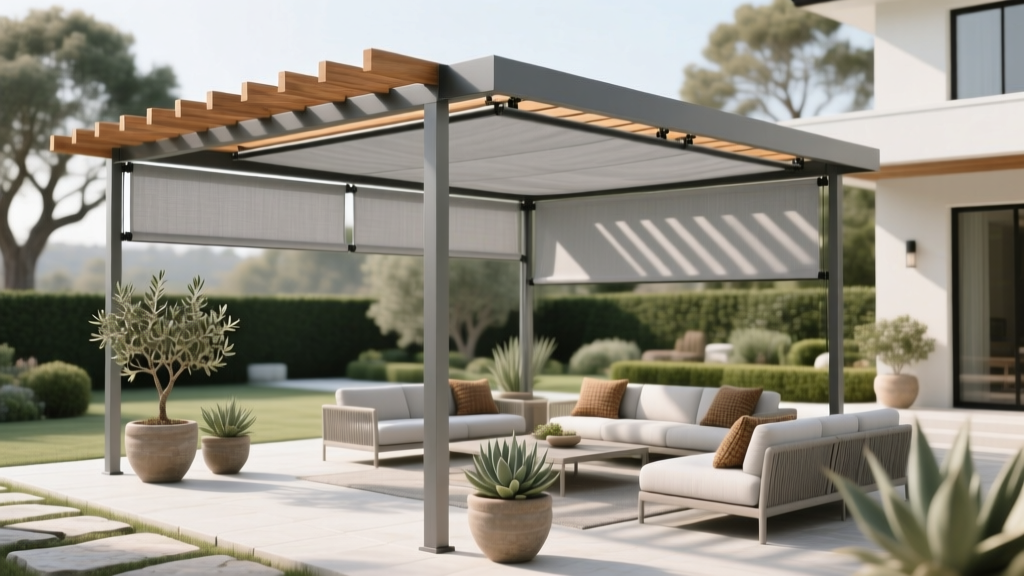
Best Pergola and Shade Structure Ideas - The Decor Mag
A great outdoor living space doesn’t just look inviting—it feels comfortable at the exact moments you want to use it. Whether you’re hosting friends on a sunny Saturday, enjoying morning coffee on the patio, or stretching your outdoor season well into fall, the right pergola or shade structure can be the difference between “pretty to look at” and “impossible to enjoy.”
Shade is also one of the smartest upgrades you can make for your backyard. It protects outdoor furniture, reduces glare and heat, adds privacy, and creates a defined “room” for dining or lounging. With today’s materials and designs—from modern aluminum pergolas to vine-covered garden arbors—you can find an option that fits your style, climate, and budget.
Below are inspiring, practical pergola and shade structure ideas you can adapt to patios, decks, gardens, pool areas, and small yards, with expert tips on layouts, materials, plants, maintenance, and common mistakes to avoid.
Start With the Right Shade Strategy (Function First, Then Style)
Before choosing a pergola design, clarify what you need the shade to do. A structure that looks perfect in photos can underperform if it isn’t planned around sun angles, wind, and how you actually use your patio living space.
Ask These Planning Questions
- When do you need shade most? Morning coffee, midday pool time, late-afternoon dinners?
- How much shade do you want? Dappled light (classic pergola), full shade (solid roof or canopy), or adjustable (louvers/shade sails)?
- Is rain protection required? For year-round outdoor living, a roofed pavilion or louvered pergola with gutters is a game changer.
- What’s the wind like? Coastal and open yards need robust posts, anchoring, and wind-rated fabrics.
- Do you need privacy? Consider curtains, slat walls, or climbing plants.
Quick Budget Ranges (Installed)
- Shade sail: $300–$2,000 (size + posts/footings)
- Pop-up canopy / temporary gazebo: $150–$1,200
- Wood pergola kit: $2,000–$6,000
- Custom wood pergola: $6,000–$15,000+
- Aluminum pergola (manual louvers): $6,000–$18,000+
- Motorized louvered pergola: $12,000–$35,000+
- Pavilion / solid-roof structure: $10,000–$50,000+
Top Pergola and Shade Structure Ideas for Patios, Decks, and Gardens
1) Classic Wood Pergola for Outdoor Dining
A wood pergola is a timeless patio upgrade: architectural, warm, and easy to customize. It’s ideal for defining a dining area and supporting string lights, heaters, and climbing plants.
Best materials:
- Cedar: Naturally rot-resistant, great for most climates; stains beautifully.
- Redwood: Premium look and durability; higher cost.
- Pressure-treated pine: Budget-friendly; plan to stain/paint and maintain.
Design tips:
- Size for furniture clearance: leave 36–48 inches around the table for chairs and traffic flow.
- Add a retractable canopy (UV-rated fabric) for stronger shade in summer, open beams for winter sun.
- Include two circuits: one for lighting (dimmable) and one for a fan/heater.
Furniture recommendation: A weather-resistant dining set in powder-coated aluminum or teak, plus an outdoor rug in polypropylene to anchor the “room.”
2) Modern Aluminum Pergola for Low Maintenance Patio Living
If you want a sleek look with minimal upkeep, aluminum pergolas are hard to beat. They resist rot, warping, and insects, and pair beautifully with modern landscaping and contemporary outdoor furniture.
Best for: Hot climates, humid regions, homeowners who don’t want annual sealing or staining.
Upgrades worth it:
- Adjustable louvers: Tune sun and ventilation throughout the day.
- Integrated gutters/downspouts: Better rain handling for shoulder seasons.
- Motorized controls + wind sensor: Useful in gusty areas.
Layout idea: Float a deep seating set (sofa + two lounge chairs) under the pergola and place a linear gas fire table at the center for year-round outdoor living.
3) Retractable Awning for Small Patios and Townhomes
For compact spaces where posts would feel crowded, a wall-mounted retractable awning offers instant shade without sacrificing floor area. It’s a smart outdoor design solution for narrow patios, balconies, and row-home yards.
Choose: Solution-dyed acrylic fabric (excellent UV resistance), a semi-cassette or full-cassette housing for fabric protection, and wind-rated arms.
Maintenance tip: Retract during storms and high winds; clean pollen and tree debris monthly during peak season.
4) Pergola + Privacy Wall Combo (The Outdoor Room Effect)
Want your pergola to feel like a destination, not an add-on? Pair it with a privacy wall or slatted screen. This approach is perfect for suburban patios with close neighbors and for creating a cozy microclimate on breezy days.
Materials that look elevated:
- Horizontal cedar slats (stained in a warm tone)
- Composite cladding for ultra-low maintenance
- Black aluminum screens for a modern edge
Plant pairing: Place tall planters at the base with dwarf bamboo (clumping varieties), podocarpus (warm climates), or arborvitae (cooler regions) for layered privacy.
5) Shade Sails for a Contemporary, Budget-Friendly Statement
Shade sails bring a sculptural look to modern landscaping, especially over pool decks, play areas, and open patios. They’re also one of the best budget options for big shade coverage.
Pro tips for success:
- Use HDPE knitted shade fabric (breathable, mold-resistant, UV-stable).
- Angle the sail so rain sheds off (avoid a “water pocket”).
- Anchor properly: stainless hardware, reinforced posts, and concrete footings if needed.
Design idea: Layer two sails at different heights for a high-end look and better sun blocking as the sun shifts.
6) Garden Arbor or Trellis Tunnel for Romantic Shade
For garden lovers, a vine-covered arbor creates the kind of dappled shade that feels magical in spring and summer. It’s especially effective for walkway transitions—like from the back door to the patio—or for defining a seating nook among plantings.
Climbing plant suggestions (choose by climate):
- Grapes (edible + dense summer shade; needs pruning)
- Wisteria (stunning blooms; very strong growth—requires a sturdy structure)
- Clematis (beautiful flowers; mixes well with other vines)
- Climbing roses (classic cottage-garden look; seasonal pruning)
- Star jasmine (warm climates; fragrance + evergreen coverage)
Maintenance note: Vines can add weight and trap moisture; choose rot-resistant materials and plan for annual pruning so the structure stays healthy and safe.
7) Solid-Roof Pavilion for True All-Weather Comfort
If your goal is year-round outdoor living—rain or shine—a pavilion or roofed structure offers real shelter. This is a top choice for outdoor kitchens, outdoor TVs, and homeowners who want to extend patio season into fall and winter.
Smart build details:
- Standing seam metal roof for durability and modern style
- Ceiling fan for summer air movement and bug reduction
- Infrared heaters to stretch shoulder seasons
- Downlights + perimeter lighting for a layered evening glow
Furniture recommendation: Outdoor sectionals in quick-dry cushions, a concrete or stone-top coffee table, and weather-resistant storage benches for throws and accessories.
Materials Guide: What to Choose for Your Climate and Lifestyle
Best Materials by Priority
- Lowest maintenance: Aluminum pergolas, composite-wrapped posts, powder-coated steel (with quality finish)
- Natural look: Cedar, redwood, stained Douglas fir
- Coastal durability: Aluminum + stainless hardware; avoid untreated steel that can corrode quickly
- Budget-friendly: Pressure-treated lumber with high-quality exterior stain/paint
Seasonal Considerations
- Summer: Add UV-rated canopies, fans, and light-colored fabrics to reduce heat gain.
- Fall: Plan lighting early (dusk arrives sooner). Add a fire table or heater and wind-blocking curtains.
- Winter: In snowy regions, confirm roof loads and remove fabric canopies; consider a solid roof if you want winter use.
- Spring: Prep for pollen and storms—wash fabrics, inspect anchors, and re-seal wood if needed.
Furniture, Layout, and Styling Tips That Make Shade Structures Feel Luxurious
Design Layout Rules That Work
- Match structure size to furniture scale: A pergola should feel like it “belongs” to the seating group, not hover awkwardly above it.
- Create at least two zones: Dining + lounging, or lounging + grilling, especially in larger backyards.
- Plan pathways: Keep a clear 36-inch walking route to doors, grills, and garden gates.
- Anchor with lighting: String lights on a dimmer, integrated LED strips, or sconces on nearby walls.
Easy Upgrades With Big Impact
- Outdoor curtains: Add softness, sun control, and privacy (choose mildew-resistant fabric).
- Roll-down shades: Great for low-angle afternoon sun.
- Planters at corners: Use large containers to visually “ground” posts and add greenery.
- Outdoor rug + pillows: Coordinate 2–3 colors max for a designer look.
Maintenance and Longevity: Keep Your Pergola Looking New
- Wood pergolas: Clean annually; re-stain/seal every 2–4 years depending on sun exposure and product quality.
- Aluminum pergolas: Rinse pollen and dust; check moving louver mechanisms and lubricate as directed by the manufacturer.
- Fabrics/canopies: Use gentle soap, avoid harsh bleach, let fully dry before storing.
- Fasteners and hardware: Choose stainless steel where possible, especially in humid or coastal climates.
Common Mistakes to Avoid
- Undersizing the structure: A pergola that’s too small feels cramped and won’t shade the seating area when the sun shifts.
- Ignoring sun angles: West-facing patios often need vertical shades or screens for late-day glare.
- Weak anchoring: Shade sails and pergolas need proper footings; wind can turn a DIY shortcut into expensive damage.
- Choosing the wrong plant: Aggressive vines can overwhelm a lightweight arbor; match plant vigor to structure strength.
- Overlooking drainage: Solid roofs and louvered systems need a water plan—gutters, slope, and safe runoff paths.
- Forgetting lighting and power: Add outlets and lighting early; retrofits cost more and look less polished.
FAQ: Pergolas, Shade Structures, and Outdoor Living Spaces
What’s the difference between a pergola and a pavilion?
A pergola typically has an open-slat roof that provides partial shade (often enhanced with canopies or vines). A pavilion has a solid roof designed for full weather protection, making it better for rain coverage and year-round patio living.
How do I choose the best pergola material?
Pick based on maintenance tolerance and climate. Cedar or redwood offers a warm, natural look with moderate upkeep. Aluminum is ideal for low maintenance, humidity, and modern outdoor design. Coastal areas benefit from aluminum and stainless hardware.
Are climbing plants safe for pergolas?
Yes—if the structure is built to handle the added weight and you commit to pruning. Grapes and wisteria can become heavy; they need strong beams and routine trimming. Clematis and jasmine are lighter options for many gardens.
What’s the most budget-friendly way to add shade to a patio?
Shade sails and retractable umbrellas deliver the most shade per dollar. Expect roughly $300–$2,000 for a sail setup depending on size, hardware, and whether you need posts and concrete footings.
How can I make my pergola comfortable in hot weather?
Add a UV-rated canopy or louvers, incorporate a ceiling fan, use breathable outdoor fabrics, and choose light-colored cushions. Surround the space with plants in large planters for cooling and privacy—without blocking airflow.
Can a pergola increase home value?
A well-designed pergola or covered patio can improve curb appeal and perceived livable square footage. The biggest value comes from a cohesive outdoor living space: thoughtful layout, durable materials, lighting, and comfortable furniture.
Next Steps: Choose Your Shade Upgrade and Build Your Outdoor Room
Start by tracking where the sun hits your patio across a day and deciding whether you want partial shade, adjustable shade, or full rain protection. From there, match the structure to your lifestyle—wood pergolas for warmth and charm, aluminum pergolas for sleek low maintenance, shade sails for modern affordability, or pavilions for true all-season comfort.
Once your structure is selected, finish it like a real room: a properly sized dining set or outdoor sectional, layered lighting, a couple of large planters, and fabrics that can handle your climate. Those details are what turn a backyard feature into your favorite place to spend time.
For more patio living, landscaping, and outdoor design inspiration, explore the latest guides and ideas on thedecormag.com.
More Articles
 Best Outdoor Bar Nut Bowl Collection - The Decor Mag
 Best Outdoor Lighting Ideas for Ambiance - The Decor Mag
 Best Outdoor Planters for Every Style - The Decor Mag
 Outdoor Kitchen Cedar Plank Grill Setup - The Decor Mag
 The Ultimate Paint Guide for Outdoor Living Spaces: Durability, Color Science, and Real-World Performance
 How to Create a Lasagna Garden Bed - The Decor Mag
 Outdoor Pergola Lattice Roof Pattern - The Decor Mag
 Pergola vs Awning vs Sail Shade: Best Patio Shade (2026)
 How to Create a Square Foot Garden - The Decor Mag
 Best Outdoor Bar Fruit Bowl Display - The Decor Mag