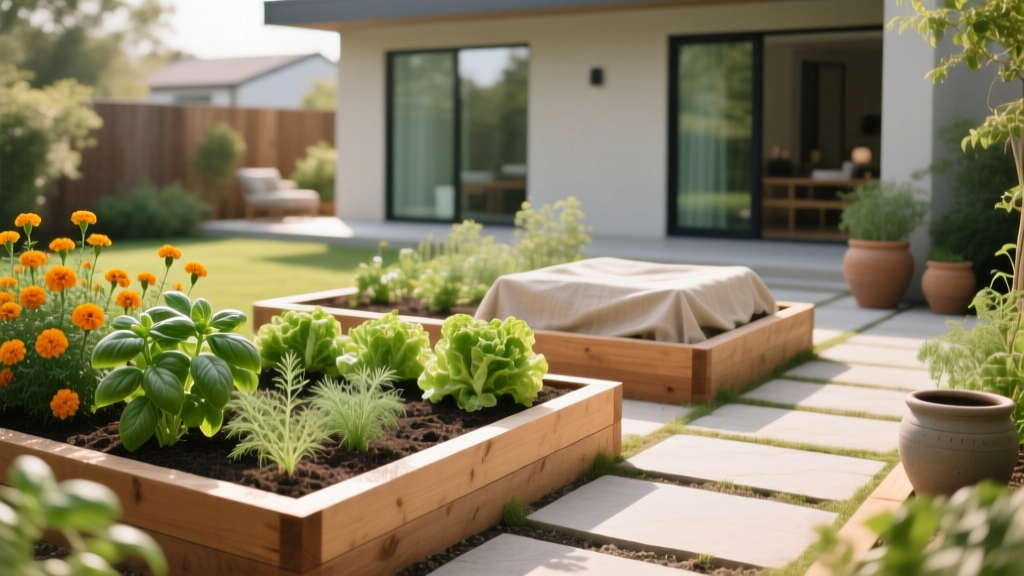
How to Create a Companion Planting Garden - The Decor Mag
A beautiful outdoor living space isn’t just about what you place on your patio—it’s also about what you grow around it. Companion planting is one of the smartest (and most satisfying) ways to design a garden that looks lush, produces better harvests, and feels alive with pollinators. When you pair plants that support each other—through pest deterrence, improved pollination, shade, or soil benefits—you create a landscape that works with nature instead of fighting it.
For homeowners, companion planting is a practical path to a healthier yard with fewer chemicals, fewer “mystery plant failures,” and more seasonal color. It also plays perfectly with outdoor design goals: layered planting beds that frame a patio, fragrant herbs near seating, and edible landscaping that turns a basic backyard into a year-round outdoor living experience.
If you’re upgrading your patio, refreshing raised beds, or planning a full backyard landscaping redesign, companion planting can be the organizing principle that makes your garden both stylish and resilient.
What Companion Planting Actually Means (and Why It Works)
Companion planting is the practice of growing certain plants near each other so they mutually benefit. Sometimes the benefit is obvious (marigolds helping deter pests). Other times it’s subtle (tall crops shading tender greens, or flowering herbs attracting beneficial insects).
Benefits you’ll notice in a home garden
- Fewer pests and diseases through natural deterrents and improved airflow.
- Better yields thanks to pollinator attraction and efficient space use.
- Reduced maintenance with living mulch, shade cover, and smarter watering.
- More beautiful beds because companion planting naturally creates layered, design-forward plant groupings.
- Healthier soil when you include nitrogen fixers and deep-rooted “soil openers.”
Start With an Outdoor Living Plan: Where Will the Garden Support Your Patio?
Before you pick plant pairs, decide how the garden should enhance your outdoor living space. Companion planting works best when it’s designed, not scattered.
Layout ideas that look intentional (and feel great to live with)
- Patio border beds: Frame seating areas with layered companions—taller plants at the back, pollinator flowers mid-layer, herbs at the edge.
- Raised bed kitchen garden: Keep edibles close to the grill or outdoor dining zone for easy harvesting.
- Container companion planting: Ideal for decks and small patios—mix one “anchor” plant, one herb, and one flower for function and style.
- Edible landscaping: Swap some ornamentals for rosemary hedges, blueberry shrubs, or rainbow chard tucked into foundation beds.
Design tip: Build a “garden-to-seating” transition
A companion planting garden feels more like a destination when it connects to a patio or pergola. Add a simple path (decomposed granite, stepping stones, or brick) that leads from seating to beds. It’s a small touch that upgrades your backyard landscaping instantly.
The Core Rules of Companion Planting (So It’s Not Guesswork)
You don’t need to memorize folklore to succeed. Use these practical rules and you’ll avoid most common problems.
- Mix plant families and bloom times: Diversity reduces pest pressure and keeps pollinators around.
- Pair heavy feeders with helpers: Tomatoes love basil and flowers that attract beneficial insects; legumes can support nitrogen needs nearby.
- Mind mature size: Crowding causes mildew, poor fruiting, and constant pruning.
- Use flowers as “insectary plants”: They invite lacewings, hoverflies, ladybugs, and native bees.
- Rotate annually in edible beds: Even great companions can’t outsmart soil-borne disease if you plant tomatoes in the same spot every year.
Best Companion Planting Combos for Home Gardens
These pairings are proven, easy to find at garden centers, and attractive enough to belong in a patio-forward landscape design.
Tomatoes (the patio garden superstar)
- Plant with: basil, parsley, chives, marigolds, nasturtiums
- Why it works: herbs can confuse pests, flowers attract pollinators and beneficial insects
- Avoid planting next to: potatoes (shared disease risks), fennel (can inhibit growth)
Peppers
- Plant with: basil, onions, oregano, marigolds
- Design bonus: peppers have a clean, upright form that looks great in raised beds near outdoor dining
Cucumbers
- Plant with: dill, nasturtiums, borage, beans
- Pro move: train cucumbers up a trellis to create a living privacy screen beside a patio
Squash and zucchini
- Plant with: nasturtiums, borage, radishes
- Spacing tip: give them room and use low companions at the edges to avoid a tangled jungle
Carrots
- Plant with: onions, leeks, chives, rosemary (nearby), sage
- Why it works: aromatic plants can reduce carrot fly issues
Leafy greens (lettuce, spinach, arugula)
- Plant with: radishes, green onions, calendula
- Shade strategy: tuck greens under taller crops (tomatoes on the south/west side) to extend the season
Herb companions that upgrade outdoor living
- Rosemary: drought-tolerant, evergreen in many climates, great near patios for fragrance
- Thyme: perfect edging plant; can soften paver borders and raised bed edges
- Chives: spring blooms feed pollinators; tidy form for decorative beds
- Dill and fennel: attract beneficial insects, but give them their own space (especially fennel)
Companion Planting Design Ideas: Make It Look Like a Landscape, Not a Vegetable Patch
The best companion planting gardens feel intentional—like part of your outdoor design, not an afterthought.
Use the “thriller, filler, spiller” approach in edible beds
- Thriller: tomatoes on a trellis, okra, trellised cucumbers
- Filler: peppers, bush beans, basil, kale
- Spiller: nasturtiums, thyme, strawberries (depending on sun and water)
Build structure with trellises and raised beds
For a patio-friendly garden, structure matters. Clean lines make the space feel designed and upscale.
- Raised bed materials: cedar (naturally rot-resistant), galvanized steel (modern look), composite (low maintenance)
- Trellis options: cedar lattice, powder-coated steel panels, cattle panels for an affordable arch
- Path materials: decomposed granite (DG), brick, concrete steppers with gravel joints
Recommended furniture placements for comfort and function
- Harvest bench: a simple outdoor bench (teak, acacia, or powder-coated aluminum) near beds for pruning and picking
- Outdoor dining proximity: place herbs within 10–20 feet of your grill or dining table for true “cook-and-cut” convenience
- Small-space solution: a bistro set on a patio corner beside containers of basil, rosemary, and edible flowers
Budget Ranges: What It Costs to Build a Companion Planting Garden
- Budget-friendly refresh ($75–$250): seeds, basic compost, marigolds/nasturtiums, a few containers, bamboo stakes
- Mid-range upgrade ($300–$900): one to two raised beds, drip irrigation kit, trellis, quality soil mix, mulch, starter plants
- Outdoor living expansion ($1,000–$3,500+): multiple beds, hardscape path, modern steel trellis panels, landscape lighting, built-in bench or potting station
Climate and Seasonal Considerations (So It Thrives Year-Round)
Companion planting shines when you plan by season. That’s how you get spring color, summer harvests, and fall texture—without constant rework.
Cool-summer or short-season climates
- Prioritize fast growers: radishes, lettuce, bush beans
- Use season extension: low hoops with frost cloth, wall-o-water for tomatoes
- Choose cold-tolerant companions: calendula, chives, dill (start early indoors)
Hot-summer or arid climates
- Use shade companions: plant greens under taller crops
- Mulch deeply with shredded bark or straw (avoid hay with weed seeds)
- Include drought-tolerant herbs: rosemary, thyme, oregano
- Plan irrigation: drip lines reduce evaporation and keep foliage dry
Humid climates
- Space plants for airflow; avoid overcrowding
- Choose disease-resistant varieties and prune tomatoes to improve circulation
- Favor companions that attract beneficial insects while keeping beds open and breathable
Four-season outdoor living tip
Keep your garden visually appealing even when beds rest. Add evergreen herbs (where hardy), winter containers, and simple landscape lighting so the patio still feels inviting after harvest season.
Maintenance Made Easy: Watering, Mulching, and Feeding
Simple companion-friendly maintenance checklist
- Water consistently: uneven watering invites stress and pests; drip irrigation is ideal for raised beds.
- Mulch 2–3 inches: shredded bark for ornamental-adjacent beds; straw for vegetable beds; keep mulch off stems.
- Feed the soil: add compost each season; use an organic vegetable fertilizer as needed (follow label rates).
- Deadhead flowers: calendula and marigolds will bloom longer and keep beneficial insects coming.
- Succession plant: replace finished spring crops with summer companions (and summer with fall greens).
Common Mistakes to Avoid
- Overcrowding “because it’s a small space”: tight spacing leads to mildew, fewer blooms, and more pests.
- Mixing incompatible water needs: rosemary hates wet feet; basil and tomatoes want more consistent moisture.
- Ignoring sunlight patterns: a patio shade sail or pergola can shift sun zones—watch where shadows fall in mid-summer.
- Planting fennel anywhere and everywhere: it’s a beneficial insect magnet, but it can suppress nearby plants; give it a dedicated spot.
- Skipping support structures: sprawling vines consume beds; trellises keep the garden tidy and patio-adjacent spaces usable.
- Depending on companion planting alone: it helps, but you still need healthy soil, crop rotation, and proper watering.
FAQ: Companion Planting Garden Basics
Does companion planting really prevent pests?
It can reduce pest pressure by confusing insects and attracting beneficial predators, but it won’t make your garden “pest-proof.” Think of it as a smart layer in an overall low-chemical garden strategy.
What are the easiest companion plants for beginners?
Marigolds, nasturtiums, basil, chives, and calendula are beginner-friendly, widely available, and useful in both edible beds and ornamental borders.
Can I do companion planting in containers on a patio or balcony?
Yes. Use one larger container per “team” (for example: a patio tomato + basil + nasturtium) and make sure the pot is big enough—often 10–20 gallons for tomatoes.
How close should companion plants be?
Close enough to share space and benefits, but not so close they compete heavily. Follow spacing guidelines for the main crop, then tuck companions at bed edges or between plants where airflow remains strong.
What’s a good companion planting plan for year-round interest?
Mix evergreen herbs (where climate allows), long-blooming flowers, and seasonal edibles. In winter, use hardy herbs, ornamental kale, and containers near the patio to keep the outdoor space feeling styled.
Do I still need fertilizer if I companion plant?
Usually, yes—especially for heavy feeders like tomatoes. Compost plus a balanced organic fertilizer (and mulch) keeps plants vigorous, which is the best natural pest defense.
Your Next Steps: Build a Companion Planting Garden That Feels Like an Outdoor Room
Start small and design with intention. Choose one sunny zone near your patio, add a raised bed or a trio of containers, and plant a simple companion combination: tomatoes with basil and marigolds, or cucumbers on a trellis with dill and nasturtiums. Add a comfortable seat nearby, a clear path underfoot, and a layer of mulch to keep maintenance easy.
Once you see how well companion planting performs—and how much it elevates your outdoor living space—you’ll naturally expand: more pollinator flowers along the patio edge, more herbs near the grill, and more seasonal succession planting for color and harvests from spring through fall.
Want more patio living, landscaping, and garden design ideas? Explore fresh outdoor inspiration and practical guides on thedecormag.com.
More Articles
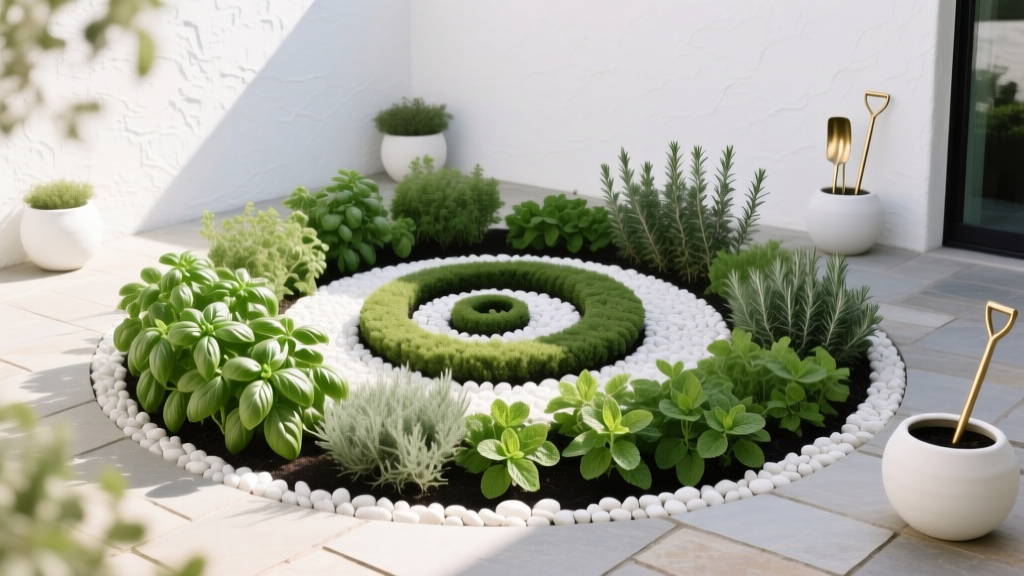 How to Create a Spiral Herb Garden - The Decor Mag
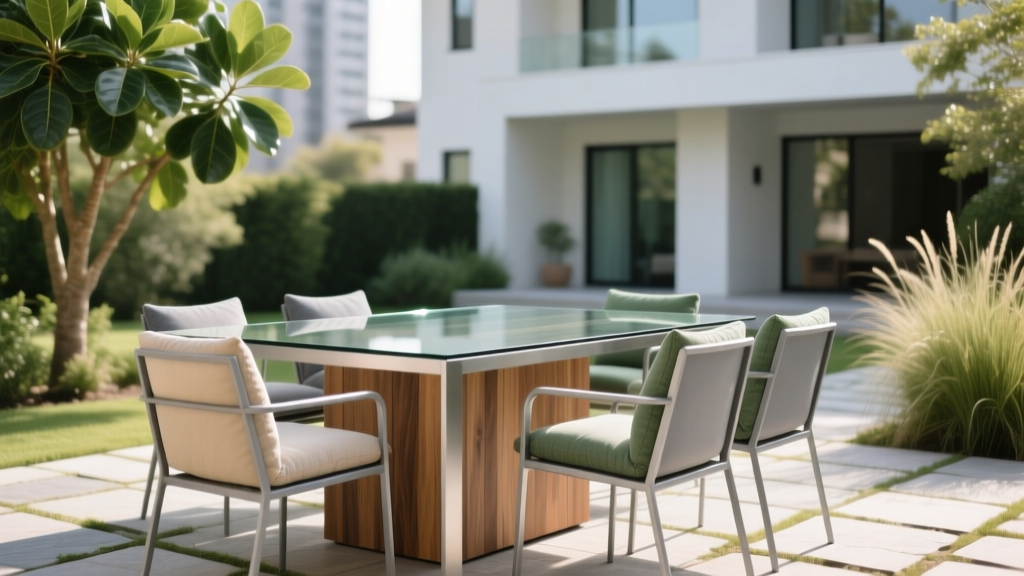 Best Outdoor Dining Table Materials - The Decor Mag
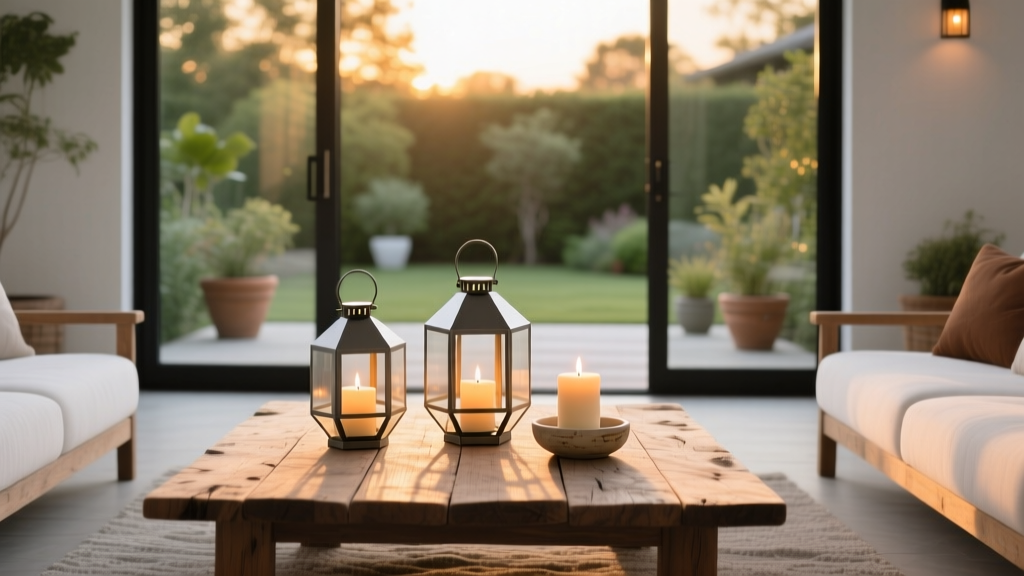 Best Outdoor Lantern and Candle Options - The Decor Mag
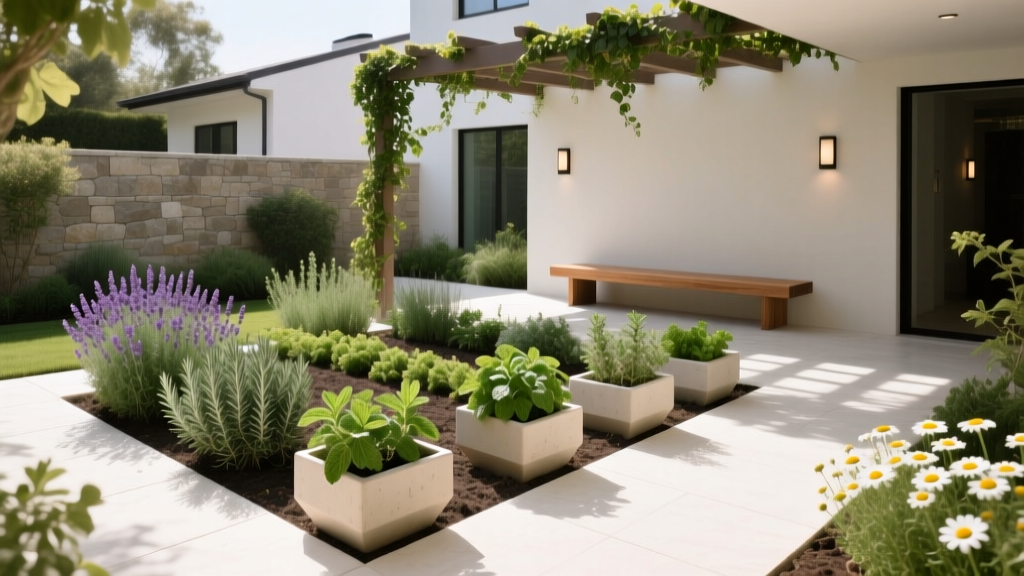 How to Create a Medicinal Herb Garden - The Decor Mag
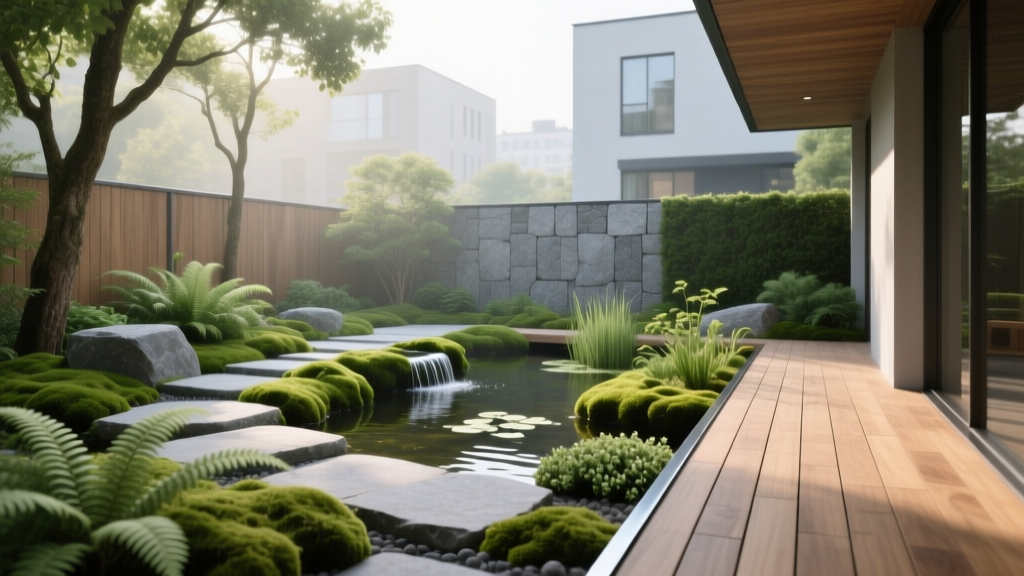 How to Design a Bog Garden - The Decor Mag
 Outdoor Pavilion Lighting Design - The Decor Mag
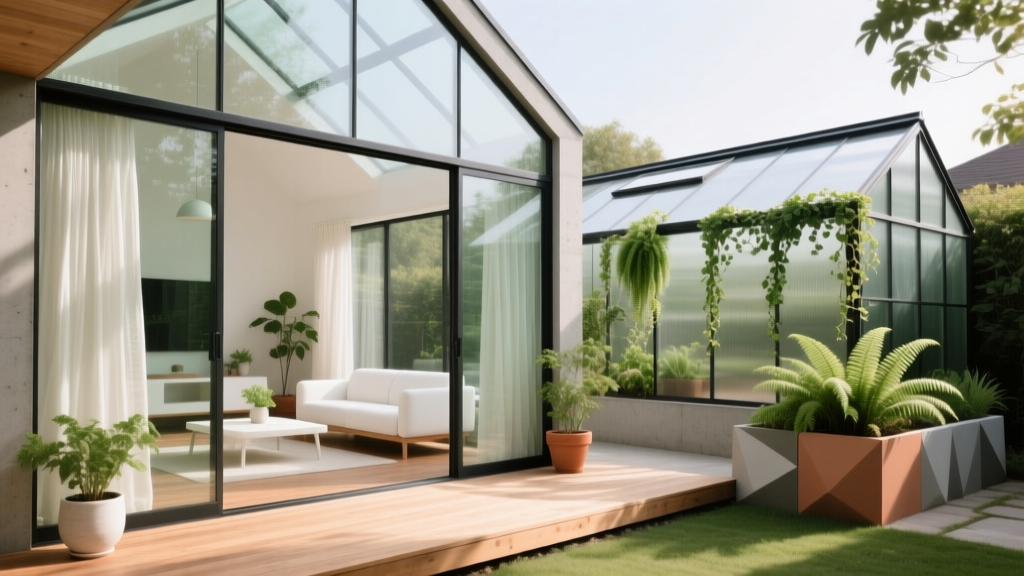 Garden Room and Greenhouse Design - The Decor Mag
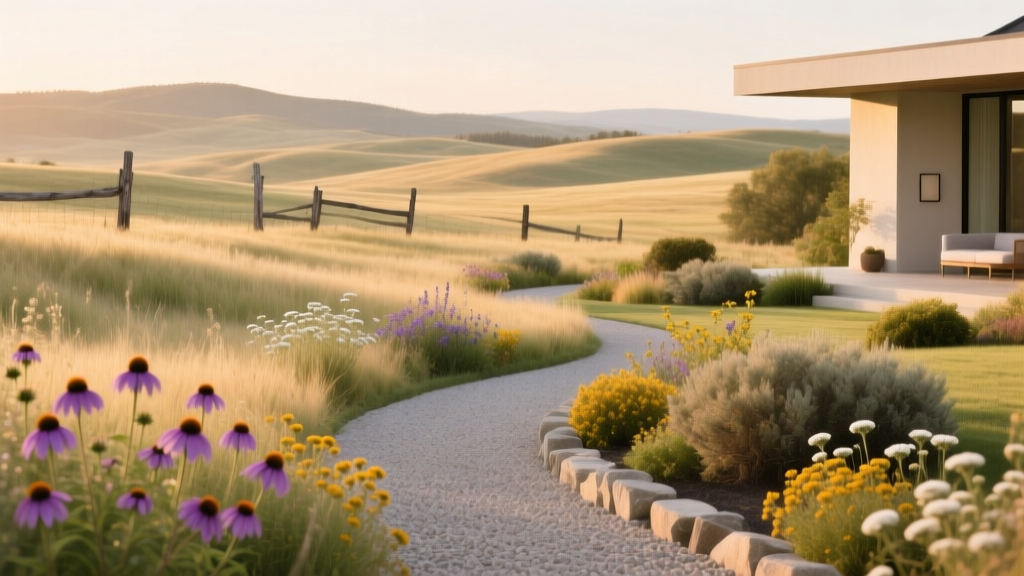 How to Design a Prairie Garden - The Decor Mag
 Best Outdoor Drink Tray Cart Ideas - The Decor Mag
 How to Create a Lantern Garden - The Decor Mag