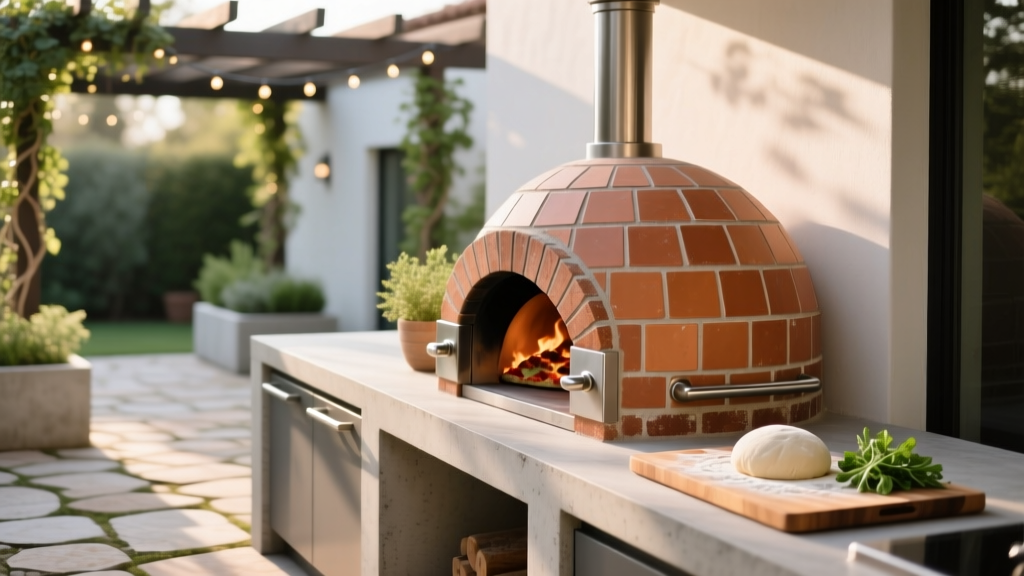
Outdoor Pizza Oven Installation Guide - The Decor Mag
A great outdoor living space isn’t just something you look at—it’s somewhere you gather, cook, and linger long after sunset. An outdoor pizza oven has a way of turning an ordinary patio into a destination: neighbors stop by, kids want to help, and weeknight dinners suddenly feel like a vacation ritual. The best part is that a pizza oven fits beautifully into many backyard styles, from modern outdoor kitchens to cozy cottage gardens.
This guide walks you through outdoor pizza oven installation with a designer’s eye and a homeowner’s practicality. You’ll learn how to choose the right oven type, plan a safe and attractive layout, pick durable materials, and style the surrounding patio living area with furniture, plants, and lighting—plus avoid the common mistakes that can turn a dream build into a do-over.
Step 1: Choose the Right Outdoor Pizza Oven for Your Space
The “best” pizza oven is the one that matches your cooking style, available space, local climate, and how permanent you want the installation to be.
Wood-Fired Pizza Ovens
- Best for: Authentic smoky flavor, high-heat pizza nights, entertaining
- Consider: Requires wood storage, ash cleanup, more smoke management
- Design tip: Pair with a nearby wood rack and a stone or brick surround for a cohesive outdoor kitchen look.
Gas Pizza Ovens
- Best for: Convenience, quicker start-up, consistent temperature control
- Consider: Gas line or propane tank placement, ventilation clearances
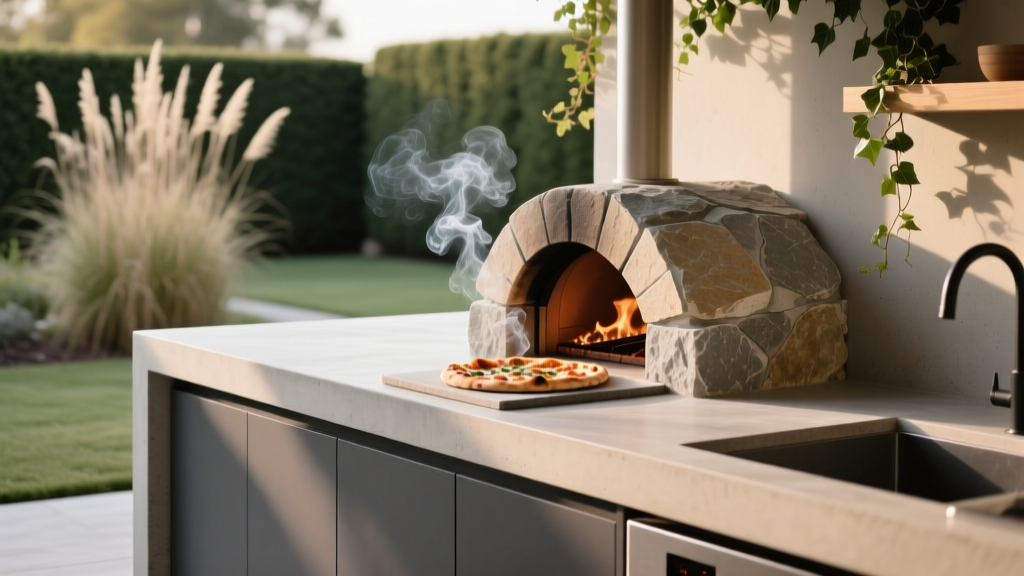
- Design tip: Integrates seamlessly into contemporary patios with stainless steel and smooth concrete finishes.
Hybrid (Wood + Gas) Pizza Ovens
- Best for: Flexibility—quick weeknights plus wood-fired weekends
- Consider: Higher upfront cost
Portable vs. Built-In
- Portable countertop ovens: Great for smaller patios, renters (where allowed), or those testing the lifestyle. Store during winter in harsh climates.
- Built-in / masonry ovens: A true outdoor living investment; ideal if you want a permanent outdoor kitchen zone and a focal-point feature.
Budget snapshot:
- Portable gas/wood units: $300–$1,200
- Premium portable/hybrid: $1,200–$2,500
- Built-in oven kit (oven + insulation + vent): $2,000–$6,000+
- Custom masonry build: $6,000–$20,000+ (varies widely by region, finishes, and site prep)
Step 2: Plan Placement Like a Pro (Safety + Flow + Comfort)
Outdoor design is all about how spaces connect. Your pizza oven should feel integrated—close enough to the party, but positioned for safe, comfortable cooking.
Smart Placement Guidelines
- Keep it close to the kitchen: A 10–25 foot path is ideal for carrying dough, toppings, and trays without trekking across the yard.
- Prioritize ventilation: For wood-fired ovens, avoid placing directly under low pergola roofs or dense tree canopies. Smoke should rise and dissipate easily.
- Use wind to your advantage: Position the oven so prevailing winds carry smoke away from seating areas and doors/windows.
- Protect high-traffic paths: Don’t place the oven where guests constantly pass behind the cook—create a “chef zone.”
Clearances and Surfaces
- Non-combustible zone: Build on concrete, pavers, brick, or stone—avoid wood decking unless you add an approved heat shield system and follow manufacturer requirements.
- Heat clearance: Follow your oven manual exactly. As a general design approach, keep the mouth of the oven away from flammable fencing, overhangs, and furniture.
- Comfort spacing: Allow at least 36 inches around the oven landing area for prep and movement; 42–48 inches is even better for entertaining.
Layout Ideas That Work
- The “L” Outdoor Kitchen Corner: Oven at one end, prep counter around the corner, mini fridge or cooler at the other end. Great for patios and pool decks.
- The Social Island: Oven faces outward with a bar-height counter for guests. Keep the hot opening away from stools; aim the “show” side toward the crowd.
- The Garden Nook: A smaller oven with a compact counter and bistro seating tucked into a sheltered corner—perfect for cottage gardens and smaller yards.
Step 3: Build the Right Foundation and Base
Most pizza oven problems trace back to poor support. Heat, weight, and weather demand a stable, non-combustible foundation.
Foundation Options
- Concrete slab: Best all-around for built-in or heavy ovens. Consider a thickened edge or reinforced slab in freeze-thaw climates.
- Reinforced paver patio: Works for lighter ovens and many modular setups, provided the base is compacted properly (and level).
- Structural stand or cabinet: For portable ovens, use a manufacturer stand or a welded steel cart rated for the oven’s weight and heat.
Base Materials That Look Good and Last
- Concrete block (CMU) + stone veneer: Durable, budget-friendly, and customizable.
- Poured-in-place concrete: Modern, clean lines; use a heat-resistant design strategy around the oven opening.
- Brick surround: Classic and forgiving in traditional landscapes.
Practical tip: Plan for a wood storage niche if you’re installing a wood-fired oven. Keep wood off the ground, sheltered from rain, and within arm’s reach—but not directly under the hottest parts of the oven.
Step 4: Choose Heat-Resistant Materials for Counters and Finishes
Outdoor kitchens live hard lives: sun, rain, spilled sauces, freezing temperatures, and heat from cooking appliances. Pick materials that can handle year-round outdoor living.
Countertop Recommendations
- Concrete: Excellent for outdoor kitchens; seal regularly. Choose a satin sealer for a natural look.
- Granite (select varieties): Durable and heat-tolerant; darker stones can get hot in direct sun.
- Porcelain slabs: Sleek, UV-stable, stain-resistant, and great for modern patio design. Often a premium choice.
- Avoid: Many quartz products (often not recommended outdoors due to UV exposure and heat).
Flooring and Surround Materials
- Natural stone (bluestone, limestone, granite): Beautiful, upscale, and grippy with the right finish.
- Clay brick pavers: Timeless and charming; pair with cottage or Mediterranean landscaping.
- Concrete pavers: Versatile, budget-friendly, and easy to match to existing patio living areas.
Step 5: Utilities—Gas, Electric, and Lighting
Even a simple outdoor pizza oven setup benefits from thoughtful utilities. The goal: fewer trips inside and safer, smoother hosting.
- Gas line vs. propane: A dedicated gas line is cleaner and more convenient long-term; propane is flexible and often cheaper to start.
- Electrical: Consider outlets for task lighting, a mini fridge, phone charging, or a small mixer for dough. Use outdoor-rated (GFCI) receptacles.
- Water: A small sink is a game-changer if you’re building a full outdoor kitchen, but it increases cost and complexity.
Lighting for year-round outdoor living:
- Task lighting: Downlights under a pergola beam or an adjustable wall sconce near the prep zone.
- Ambient lighting: String lights, lanterns, or low-voltage landscape lights along paths and planting beds.
- Flame-friendly mood: A fire pit or tabletop fire bowl creates a cohesive “warmth story” with your oven.
Step 6: Style the Zone—Furniture, Shade, and Outdoor Dining
An outdoor pizza oven is the anchor; the surrounding patio and landscaping make it feel like a complete outdoor room.
Furniture That Works with a Pizza Oven Setup
- Dining table: Choose powder-coated aluminum, teak, or all-weather wicker with quick-dry cushions. Size for your typical crowd.
- Prep-friendly sideboard or serving cart: Great for toppings, peels, and drinks—especially if your oven is slightly away from the main kitchen.
- Heat-smart seating: Place lounge seating far enough from the oven opening to avoid radiant heat. Create a conversation circle that still “sees” the oven.
Shade and Weather Protection
- Pergola: Ideal for defining a patio living area; add a shade canopy or slatted roof for filtered light.
- Umbrella: Flexible and budget-friendly. Keep fabric and poles away from heat and sparks.
- Roof extension or pavilion: Best for all-season outdoor living, especially in rainy or very sunny climates—work with a pro for ventilation and clearance.
Budget range for styling: $500–$2,000 for a compact dining setup; $2,000–$8,000+ for a full outdoor dining and lounge zone with lighting and shade upgrades.
Landscaping Around Your Pizza Oven: Plants That Look Good and Behave Well
Plants soften hardscape and make the oven feel “placed,” not plopped. Choose varieties that handle heat, occasional smoke, and reflected sun from stone or pavers.
Planting Design Tips
- Create a green backdrop: Use shrubs or tall grasses behind the oven to frame it as a focal point.
- Keep plants out of the heat plume: Leave breathing room above and around the oven opening and chimney.
- Use herbs as functional landscaping: Basil, oregano, rosemary, thyme, and sage look great in raised planters and are always within reach.
Great Plant Choices (By Look and Durability)
- Mediterranean vibe: Lavender, rosemary, olive (in suitable climates or containers), thyme groundcover.
- Modern architectural: Boxwood (or boxwood alternatives in humid regions), dwarf grasses, agave (where hardy), yucca (where appropriate).
- Soft and relaxed: Fountain grass (check local guidance), salvia, catmint, sedum for sunny borders.
- For shady corners: Ferns, hellebores, hostas (place away from heat zones).
Practical tip: If you’re in a wildfire-prone region, follow local defensible space recommendations. Opt for firewise plant choices and keep the immediate area around the oven clear of dry mulch and debris.
Climate and Maintenance Considerations (So It Stays Beautiful)
Freeze-Thaw and Snowy Climates
- Use frost-rated materials: Choose exterior-rated stone, pavers, mortar, and grout.
- Cover or winterize: Use a fitted cover for portable units; for built-ins, protect openings from snow and ice.
- Avoid de-icing salts on some stone: They can cause spalling or discoloration—use sand or manufacturer-approved products.
Hot, Sunny Climates
- Plan shade: A pergola or shade sail improves comfort and protects finishes.
- Choose UV-stable materials: Porcelain and quality sealers perform well; outdoor fabrics should be solution-dyed acrylic.
Coastal and Humid Regions
- Corrosion resistance: Choose 304 or 316 stainless steel components where possible.
- Mold/mildew management: Ensure good airflow, keep cushions dry, and clean surfaces regularly.
Ongoing Care Checklist
- Brush out ash (wood-fired) and clean the oven floor once cool.
- Check seams, venting, and exterior finish annually—especially after winter.
- Reseal concrete or natural stone counters as recommended (often every 1–3 years depending on product and exposure).
- Keep surrounding hardscape swept to reduce slipping hazards from flour, cornmeal, or grease.
Common Outdoor Pizza Oven Installation Mistakes to Avoid
- Underestimating weight: Many ovens require serious structural support. Confirm total weight and base requirements before building.
- Poor placement in the wind: Smoke blowing into seating areas can ruin the experience. Test wind patterns at different times of day.
- Not enough prep space: You’ll want a landing zone for peels, trays, and toppings. Aim for at least 24–36 inches of counter near the oven.
- Using the wrong countertop material outdoors: Avoid surfaces that can discolor in UV or fail with temperature swings.
- Cramming seating too close: Radiant heat plus foot traffic near a hot oven is a safety issue. Design a clear “cook lane.”
- Skipping permits or code checks: Gas lines, electrical, and certain structures may require permits. Always verify local requirements.
FAQ: Outdoor Pizza Oven Installation
Do I need a permit to install an outdoor pizza oven?
It depends on your city and the scope. Portable ovens often don’t require permits, while built-in ovens, gas line work, electrical outlets, and roofed structures frequently do. Check local building codes and HOA rules before starting.
Can I put a pizza oven on a wood deck?
Some portable ovens can be used on a deck if the manufacturer allows it and you use proper heat shielding and clearance. Built-in and masonry ovens generally belong on non-combustible surfaces like concrete, brick, or stone. When in doubt, consult the oven manufacturer and a qualified installer.
How much space do I need around an outdoor pizza oven?
Aim for at least 36 inches of clear workspace around the oven landing area, plus room for a prep counter. For comfortable entertaining, design 42–48 inches of circulation space so guests aren’t bumping into the cook.
What’s the best countertop for an outdoor kitchen with a pizza oven?
Concrete, certain granites, and porcelain slabs are top performers for outdoor kitchens. Choose a finish and sealer rated for exterior use and heat exposure, and avoid materials that don’t handle UV well.
How do I make my pizza oven area feel like part of the landscape?
Repeat materials from your patio (matching pavers or stone), add a planting backdrop (shrubs or grasses), and include layered lighting. Herb planters and a dedicated dining zone instantly make the oven feel intentional and inviting.
Can I use my outdoor pizza oven year-round?
In many climates, yes—with a few upgrades. Add task lighting, wind protection (screens or strategic planting), and a nearby heat source like a fire pit or patio heater. In freezing regions, protect the oven from moisture intrusion and follow winter care guidelines to prevent cracking.
Your Next Steps: Build a Pizza Oven Patio You’ll Actually Use
Start by choosing the oven type that fits your cooking style, then map a layout that supports safe flow: prep space, serving space, and comfortable seating. From there, invest in the right foundation and weather-ready materials, and finish strong with thoughtful landscaping, lighting, and furniture that makes your outdoor kitchen feel like a true extension of your home.
- Measure your patio or yard and sketch a simple zone plan (oven + prep + dining).
- Confirm clearances, ventilation needs, and whether utilities or permits apply.
- Select finishes that match your home’s exterior and your landscape style.
- Add herbs, ambient lighting, and a serving station to make hosting effortless.
Ready for more outdoor living inspiration—from patio layouts and pergola ideas to planting plans and outdoor kitchen design? Explore more fresh ideas and expert guides on thedecormag.com.
More Articles
 How to Start Living Rooms: Building Functional, Weather-Resilient Outdoor Living Spaces from the Ground Up
 Outdoor Kitchen Side Burner Setup - The Decor Mag
 How to Create a Shade Garden - The Decor Mag
 Best Outdoor Ice Bucket Station Ideas - The Decor Mag
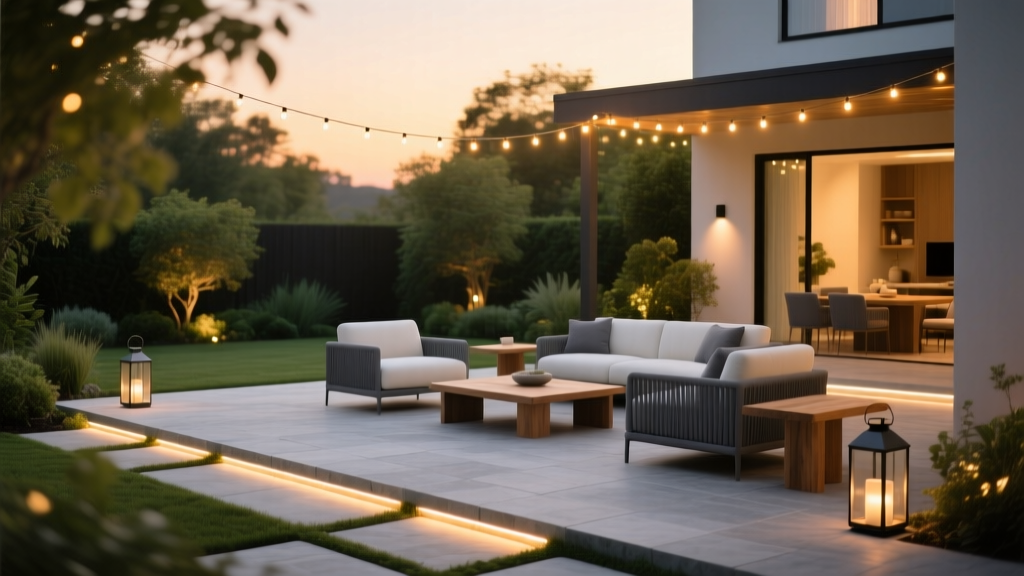 Best Outdoor Lighting Ideas for Ambiance - The Decor Mag
 Best Outdoor Chaise Lounge Picks - The Decor Mag
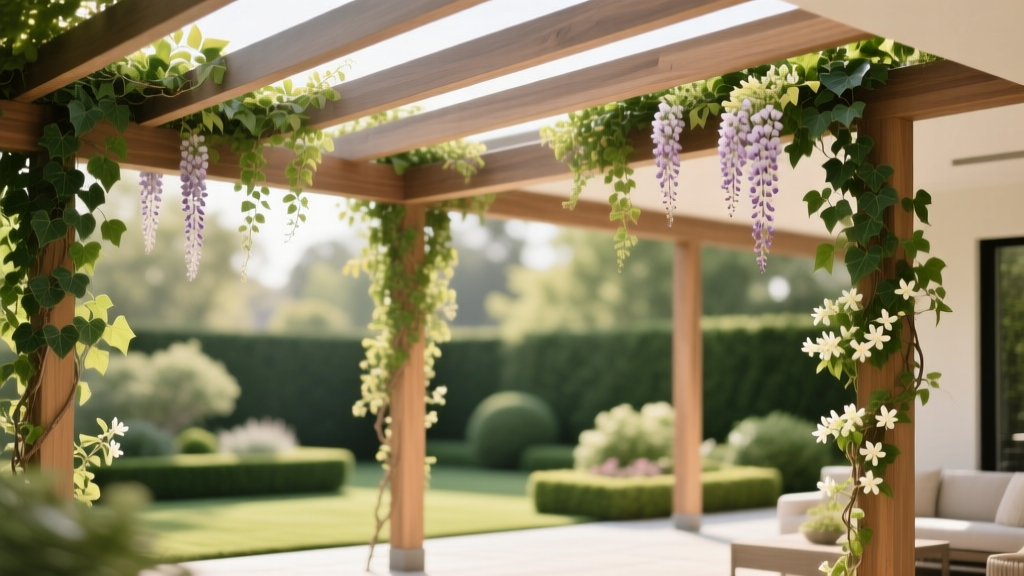 Outdoor Pergola Climbing Vine Selection - The Decor Mag
 12 Practical DIY Style Ideas for Outdoor Living Spaces That Deliver Professional Results
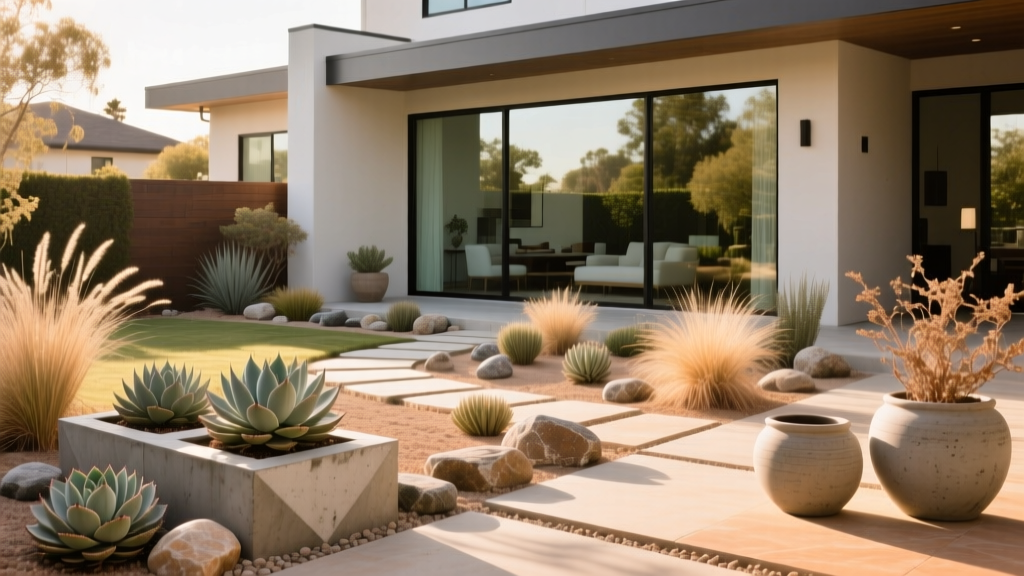 How to Design a Drought-Tolerant Landscape - The Decor Mag
 Outdoor Kitchen Pizza Stone Installation - The Decor Mag