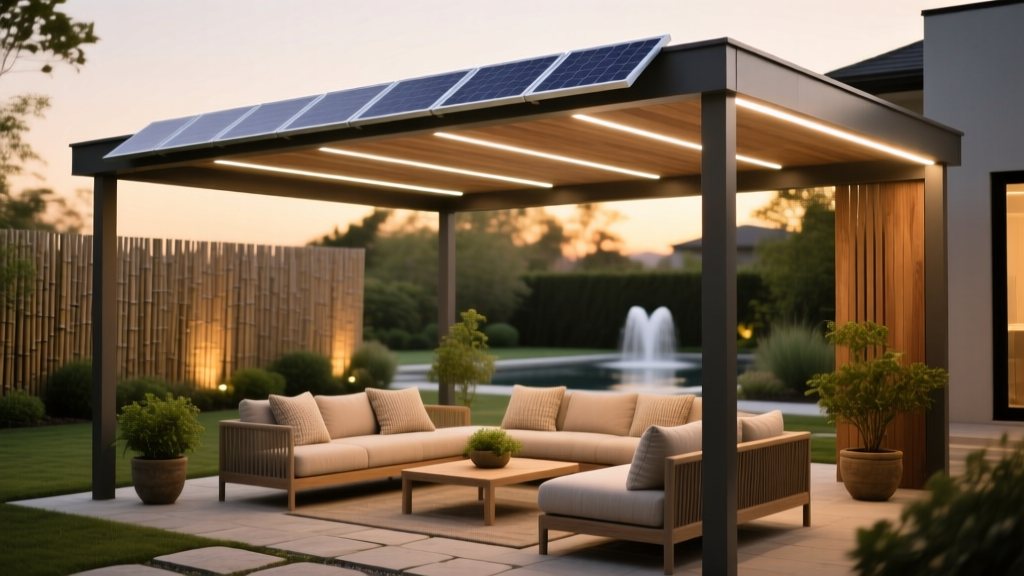
Outdoor Pergola Solar Light Integration - The Decor Mag
A pergola is one of the fastest ways to make a patio feel intentional—like an outdoor room instead of “just the backyard.” Add solar lighting to the mix, and that space becomes usable long after sunset, with less wiring, lower energy costs, and a softer, more inviting glow than a single harsh floodlight.
Outdoor pergola solar light integration matters because lighting is what stretches your patio living hours into the evening and turns seasonal outdoor design into year-round outdoor living. Whether you’re hosting friends, enjoying a quiet dinner, or simply walking safely across the deck, well-placed solar lighting improves ambiance, function, and curb appeal—without an electrician on speed dial.
The best results come from treating solar lights like part of the pergola’s architecture: layered, purposeful, and matched to your materials, climate, and lifestyle. Below you’ll find design approaches, product-style recommendations, layout tips, plant pairings, and common mistakes to avoid so your pergola lighting feels polished—not piecemeal.
Why Solar Lighting Works So Well on Pergolas
Less wiring, more flexibility
Solar pergola lights are ideal for patios, gardens, and yards where running power is expensive or disruptive. Because many fixtures are wireless, you can:
- Test layouts before committing
- Reposition lights seasonally (summer entertaining vs. winter walkway safety)
- Expand your lighting plan over time as budget allows
Better ambiance through layered lighting
Outdoor living spaces look best with layers—just like indoors. A pergola gives you overhead beams, posts, and edges that are perfect mounting zones for multiple light types: task lighting for dining, accent lighting for plants, and gentle perimeter lighting for safe circulation.
Energy savings and sustainability
Modern solar panels and LEDs offer brighter output and longer runtimes than early solar lights. Look for systems with:
- High-capacity lithium batteries
- Dusk-to-dawn sensors
- Warm-white LEDs (around 2700K–3000K) for a flattering outdoor glow
Start With a Lighting Plan: Function First, Then Atmosphere
Map your pergola “zones”
Before buying fixtures, sketch your outdoor layout. Identify the zones that need light:
- Dining zone: table, grill station, outdoor kitchen access
- Lounge zone: sofa seating, fire pit, coffee table
- Circulation paths: steps, transitions to lawn, gates, pool edges
- Feature zones: planters, vertical garden, water feature, statement tree
Choose your brightness targets
Solar lighting is most successful when you avoid expecting stadium brightness. Use these practical targets:
- Ambient pergola glow: 50–200 lumens per fixture (string lights, lanterns)
- Dining/task lighting: 200–600 lumens in the dining area (downlights or a solar pendant-style fixture)
- Path and step safety: 50–150 lumens per step or post light (glare-free)
- Accent uplighting: 100–300 lumens aimed at plants/columns
Best Solar Light Types for Pergolas (And Where to Use Them)
1) Solar string lights for instant charm
For most homeowners, solar string lights are the quickest win for patio living. They add sparkle, create a ceiling effect, and look great year-round.
- Best placement: zig-zag across rafters, perimeter outline, or a “floating canopy” above seating
- Style tip: choose warm-white “Edison” style bulbs for rustic pergolas; globe micro-lights for modern pergolas
- Pro move: select a model with a separate solar panel on a stake so you can place the panel in full sun while keeping lights under shade
2) Solar downlights for dining and cooking zones
Downlights provide functional light without ruining the mood. Look for compact puck-style solar lights or rail-mounted units designed for outdoor use.
- Best placement: on inner beams above a dining table or prep counter
- Glare control: pick frosted lenses or shielded fixtures so you don’t see harsh LED points
3) Solar post cap lights for structure and safety
Post caps add a finished look to pergola columns while defining edges and improving nighttime visibility—great for decks and elevated patios.
- Best placement: on each pergola post, especially near steps
- Material match: black powder-coated aluminum for modern; bronze tones for traditional; wood-tone caps for cedar
4) Solar spotlights for landscaping drama
If your pergola sits near planting beds, solar spotlights can connect your pergola to the landscape design. Aim them at:
- Climbing vines on posts
- A feature planter or sculpture
- A small ornamental tree (Japanese maple, olive, crepe myrtle depending on climate)
5) Solar lanterns and pendant-style fixtures for a “room” feel
Solar lanterns hung from hooks or beams create a layered, collected look. Choose weather-rated models with metal or UV-stable resin bodies.
- Best placement: one central fixture above a coffee table; pairs flanking a dining area
- Design note: lanterns look especially high-end when repeated in a consistent finish (matte black, aged brass, or natural rope accents)
Design Approaches That Look Built-In (Not Tacked On)
Layered lighting recipe for most pergolas
Use this straightforward formula for a balanced outdoor lighting plan:
- Ambient: solar string lights across the ceiling plane
- Task: 2–4 downlights focused on dining or prep areas
- Accent: 2–6 spotlights for plants/columns (depending on pergola size)
- Safety: post caps and/or step lights at transitions
Layout tips for different pergola sizes
- Small pergola (8x8 to 10x10): perimeter string lights + 1 lantern + 2 post caps near entry
- Medium pergola (10x12 to 12x14): zig-zag strings + 2 downlights above table + 4 post caps + 2 spotlights for landscaping
- Large pergola (12x16+ or multi-zone): separate circuits (or separate solar sets) per zone; add lighting symmetry to prevent dark corners
Hide hardware for a custom finish
A polished look comes down to tidy mounting:
- Use UV-rated zip ties in black or brown to match beams
- Choose stainless steel screws for brackets (less rust staining on cedar or composite)
- Route cables along the top edges of beams where they’re less visible
Materials and Fixture Recommendations (Built for Outdoor Living)
Best fixture materials
- Powder-coated aluminum: lightweight, corrosion-resistant, ideal for humid climates
- Stainless steel (304 or 316): best near coastal air; 316 is premium for salt exposure
- UV-stable resin: budget-friendly; look for thicker bodies that resist cracking
- Tempered glass lenses: better clarity and scratch resistance than plastic
Pergola material considerations
- Cedar/redwood: warm and forgiving for mounting; use stainless fasteners to avoid stains
- Pressure-treated lumber: seal it; avoid fixtures that trap moisture against the wood
- Aluminum pergolas: choose clamp-style mounts or manufacturer accessory tracks
- Vinyl pergolas: pre-drill carefully to prevent cracking; use lightweight fixtures
Furniture, Layout, and Plant Pairings That Shine Under Solar Light
Furniture that looks great at night
Lighting changes how materials read after dark. These perform beautifully under warm solar LEDs:
- Teak or acacia dining sets: the grain glows warmly
- All-weather wicker (PE rattan): adds texture and depth in low light
- Powder-coated aluminum seating: modern, clean lines; pair with warm cushions
- Outdoor rugs: choose low-pile polypropylene in geometric patterns for definition
Plant suggestions for pergola edges and posts
Climbers and fragrant plants make pergola lighting feel romantic and layered. Choose by climate and maintenance comfort:
- Easy, hardy climbers: star jasmine (warm climates), clematis (many zones), climbing roses (sunny spots)
- Fast coverage (use thoughtfully): wisteria can be heavy; only for sturdy pergolas and regular pruning
- Container-friendly accents: lavender, rosemary, dwarf boxwood, ornamental grasses (like fountain grass where appropriate)
- Low-light glow-up plants: silver-leaf plants (dusty miller, lamb’s ear) reflect light beautifully
Design tip: light the plants, not just the pergola
One or two solar spotlights aimed through foliage creates depth—your patio feels larger and more landscaped. Angle lights so beams skim leaves rather than blasting straight outward.
Seasonal and Climate Considerations for Year-Round Outdoor Living
Sun exposure and panel placement
Pergolas create shade—great for comfort, tricky for solar charging. Improve reliability by:
- Choosing lights with remote solar panels you can place in full sun
- Mounting panels on the sunny side of the pergola roofline or on a nearby fence
- Cleaning panels seasonally (pollen and dust reduce charging)
Winter performance
- Shorter days: expect fewer hours of runtime; prioritize path lights and entry illumination
- Snow: keep panels clear; consider adjustable panels you can tilt toward sun
- Cold temperatures: battery efficiency drops—choose lithium batteries and store removable units if deep freezes are common
Heat, humidity, and coastal air
- Hot climates: look for UV-resistant casings and avoid cheap plastic that becomes brittle
- Humid/rainy climates: aim for higher weather ratings (IP65+), and ensure water can drain from fixture housings
- Coastal areas: choose 316 stainless or powder-coated aluminum; rinse fixtures periodically to remove salt residue
Maintenance Checklist (Keep Your Pergola Lights Glowing)
- Monthly: wipe solar panels with a damp microfiber cloth
- Seasonally: check mounting hardware, tighten loose clips, replace UV-worn zip ties
- Twice per year: inspect battery performance; replace rechargeable batteries if output is fading
- After storms: re-aim spotlights, remove debris from fixtures, confirm water seals are intact
Budget Ranges: What Solar Pergola Lighting Typically Costs
Costs vary by pergola size, brightness needs, and whether you choose premium weatherproof systems.
- Budget ( $40–$150 ): basic solar string lights + a couple of post caps; best for small patios and casual ambiance
- Mid-range ( $150–$450 ): higher-quality strings, 2–4 downlights, several post caps, and 2 spotlights; ideal for most pergola setups
- Premium ( $450–$1,200+ ): modular solar systems with remote panels, stronger batteries, higher IP ratings, and multiple zones; great for large outdoor living spaces and year-round entertaining
Common Mistakes to Avoid
- Relying on one light type: only string lights often leaves dining areas too dim and pathways unsafe
- Choosing cool-white LEDs: 4000K+ can feel stark; warm-white (2700K–3000K) flatters skin tones and landscaping
- Mounting panels in shade: a pergola’s shade can starve the battery—use remote panels or sunny placement
- Ignoring glare: exposed LEDs at eye level ruin ambiance; shield downlights and aim spots carefully
- Overcrowding beams with fixtures: fewer, better-placed lights look more architectural
- Skipping weather ratings: bargain lights fail quickly in rain, heat, or freeze-thaw cycles—buy for your climate
FAQ: Outdoor Pergola Solar Light Integration
How many solar lights do I need for a pergola?
For a typical 10x12 pergola, start with 1–2 sets of solar string lights for ambient glow, 2 downlights for dining, and 4 post caps for structure and safety. Add 2 spotlights if you have nearby landscaping worth highlighting.
Do solar pergola lights work under a covered pergola or shade canopy?
They can, but charging may suffer if the panel is shaded. Choose products with a separate solar panel you can mount in a sunny spot, or position the panel on the sunniest outer beam.
Are solar lights bright enough for outdoor dining?
Yes—when you use the right type. String lights create mood, but you’ll want dedicated solar downlights or a pendant-style solar lantern above the table for comfortable dining visibility.
What color temperature looks best for outdoor living spaces?
Warm white (2700K–3000K) is the go-to for patio lighting design. It feels cozy, complements wood pergolas, and makes plants and stonework look richer.
How long do solar pergola lights last overnight?
Many run 6–10 hours after a full charge, but winter days and shade reduce runtime. If you entertain late, choose higher-capacity batteries and prioritize panel placement in direct sun.
Can I mix solar lighting with low-voltage landscape lighting?
Absolutely. Many homeowners use solar on the pergola for flexibility and low-voltage wired lighting for pathways or hardscape walls. The key is matching color temperature so the lighting feels cohesive.
Next Steps: Build Your Pergola Lighting Plan This Weekend
Walk your patio at dusk and note where you naturally gather, where you need safer footing, and which plants or features deserve a spotlight. Then choose a layered mix—string lights for ambiance, downlights for function, post caps for structure, and a few accents to connect your pergola to the surrounding landscape design.
If you’re ready to keep upgrading your outdoor living space with smart lighting, furniture pairings, and landscaping ideas, explore more backyard and patio inspiration on thedecormag.com.
More Articles
 How to Create a Rock Garden - The Decor Mag
 Best Outdoor Sectional Sofa Sets - The Decor Mag
 Outdoor Kitchen Design and Planning Guide - The Decor Mag
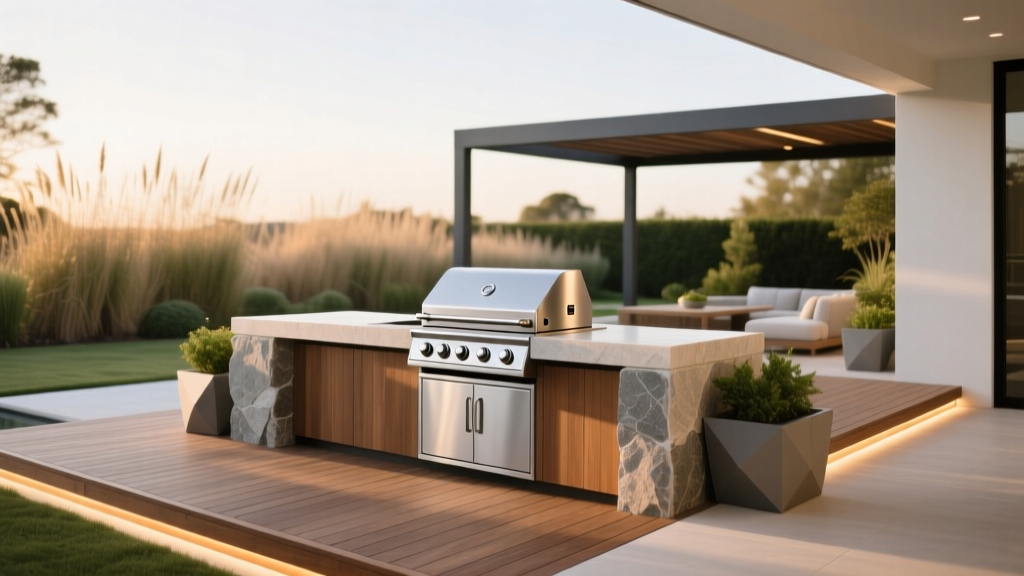 Outdoor Built-In Grill Station Ideas - The Decor Mag
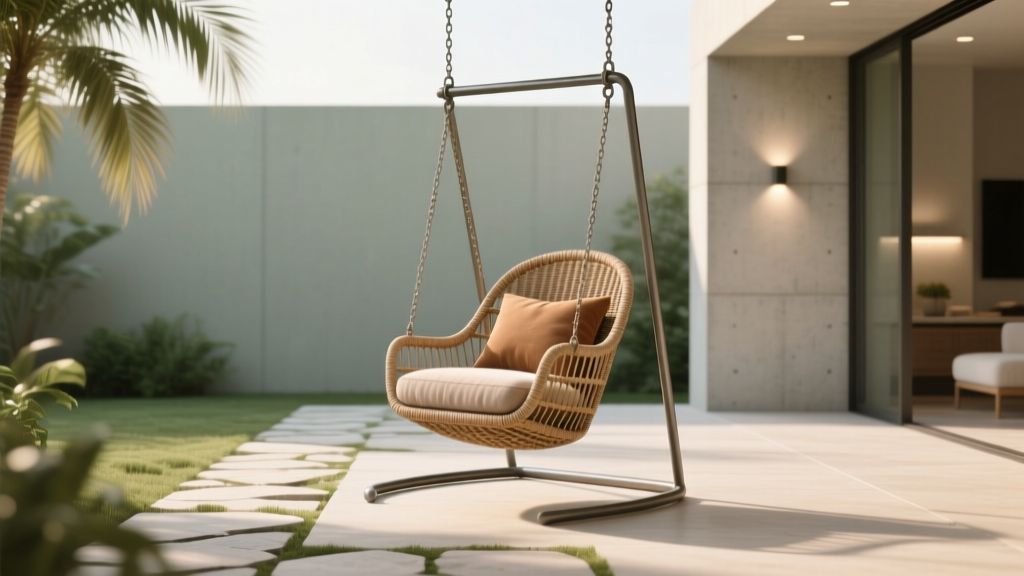 Best Outdoor Swinging Chair Picks - The Decor Mag
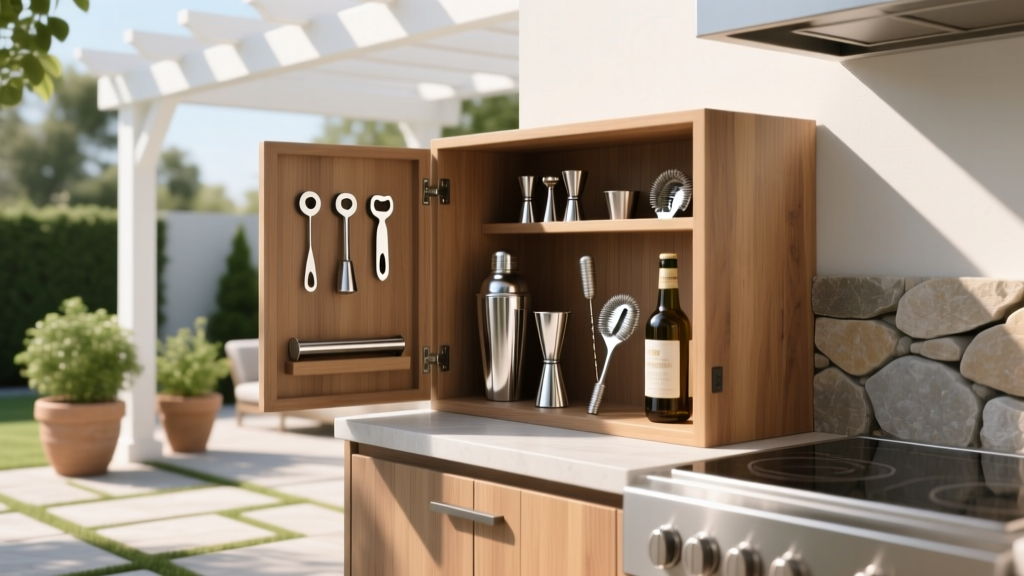 Best Outdoor Bar Tool Storage Ideas - The Decor Mag
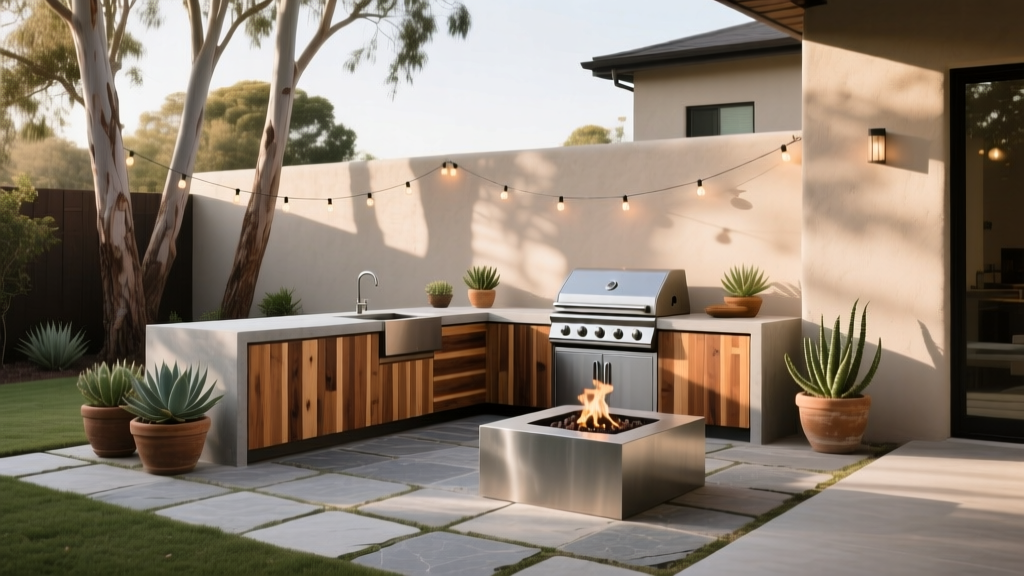 Outdoor Kitchen Cedar Plank Grill Setup - The Decor Mag
 How to Create a Dye Plant Garden - The Decor Mag
 Best Outdoor Bar Salt and Spice Station - The Decor Mag
 Outdoor Kitchen Ideas: Budget & Space Solutions