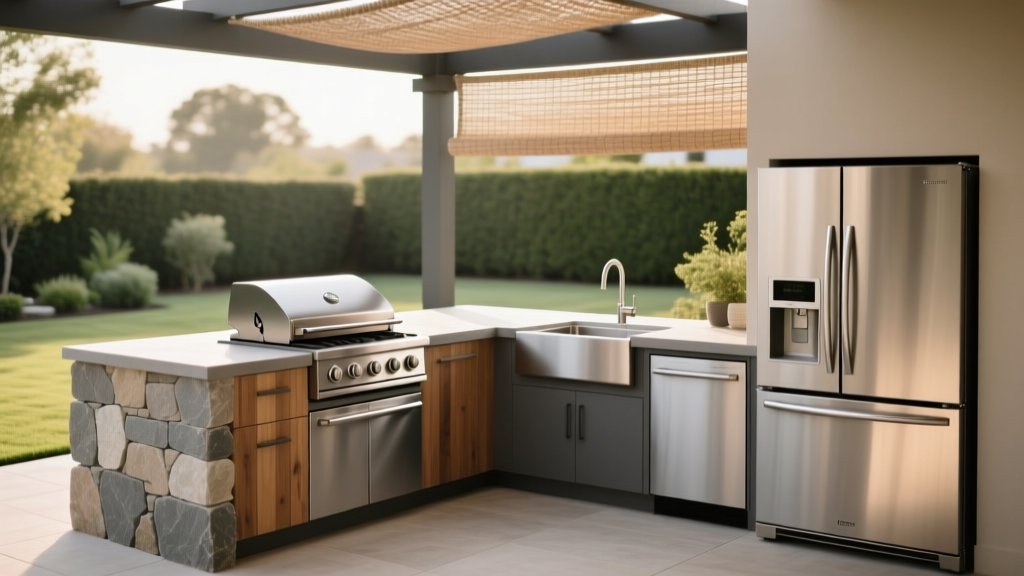
Outdoor Kitchen Appliance Weather Protection - The Decor Mag
An outdoor kitchen turns a patio into a destination—one that keeps friends lingering longer, makes weeknight dinners feel like a getaway, and adds serious value to backyard living. But outdoor cooking comes with a reality check: sun, rain, wind, salt air, freezing temps, and even pollen are constantly working against your appliances. A beautiful built-in grill can look tired in a single season if it’s exposed, while a well-protected setup can perform like new for years.
Weather protection isn’t just about buying a cover and calling it done. It’s a design strategy that blends smart layout, durable materials, and seasonal maintenance—so your outdoor kitchen stays inviting year-round. Whether you’re building a full outdoor living space with a pergola and dining zone or upgrading a small patio with a grill island, these expert tips will help you protect your investment and keep your outdoor kitchen ready for every season.
Why Weather Protection Matters for Outdoor Kitchen Appliances
Outdoor kitchen appliances are engineered for exposure, but “outdoor-rated” doesn’t mean “weather-proof forever.” Most performance issues come from moisture intrusion, corrosion, UV damage, and temperature swings—problems that can often be avoided with better planning.
- Moisture causes rust, electrical shorts, moldy insulation in refrigerators, and warped cabinetry.
- UV exposure fades plastics, cracks vinyl, and degrades gaskets and seals.
- Salt air accelerates corrosion dramatically—especially near coasts and pools.
- Freeze/thaw cycles can crack stone, split hoses, and damage beverage centers and ice makers.
- Wind and debris push dust, pollen, and grit into burners, vents, and fan intakes.
Protecting appliances also protects the comfort and beauty of your outdoor living space. A clean, well-kept grill station and bar area make patios feel polished—more “resort-style outdoor living” and less “tools stored outside.”
Start With Smart Outdoor Kitchen Layout and Shelter
Choose a Location That Naturally Reduces Exposure
Before buying covers or upgrading materials, place your outdoor kitchen where it works with your yard’s microclimate.
- Favor a leeward wall (the side protected from prevailing winds) to reduce wind-driven rain.
- Avoid low spots where water pools after storms; elevate islands slightly if needed.
- Keep distance from heavy tree drop zones (sap, seeds, leaves) unless you’re committed to frequent cleaning.
- Plan for drainage: slope hardscaping away from appliance bases and cabinetry.
Add Overhead Protection: Pergola, Roof Extension, or Pavilion
Nothing extends appliance life like overhead cover. It also improves year-round patio living by providing shade in summer and shelter during shoulder seasons.
- Pavilion or solid roof structure (best protection): ideal for full outdoor kitchens with refrigeration and sinks.
- Roof extension from the home: seamless design, great for outdoor entertaining and all-weather grilling.
- Pergola (moderate protection): excellent for UV and light rain, especially when paired with a louvered roof or polycarbonate panels.
- Retractable awning (flexible protection): great for compact patios; choose wind-rated models.
Design tip: If you’re using a pergola, consider a louvered system for summer shade and rain control. For budget-friendly upgrades, add corrugated polycarbonate panels on top (clear or bronze tint) to keep light while shedding water.
Plan for Ventilation and Clearances
Shelter is only helpful if smoke and heat can escape safely.
- Use a vent hood for covered outdoor kitchens, especially with a solid roof.
- Maintain manufacturer clearance requirements around grills and side burners.
- Include ventilation panels in island bases to prevent heat buildup and moisture trapping.
Appliance-by-Appliance Protection Strategies
Grills and Smokers
Grills face high heat, grease, and exposure—so their biggest enemies are corrosion and clogged burners.
- Choose marine-grade stainless steel (look for 304 stainless minimum; 316 stainless in coastal areas).
- Use a tailored, breathable cover that sheds water but allows moisture to escape (avoid tarp-style covers that trap condensation).
- Keep the grill clean: grease attracts moisture and accelerates rust.
Pro maintenance habit: After cooking, run burners 10–15 minutes to burn off residue, then brush grates. Once cooled, cover the grill.
Outdoor Refrigerators, Beverage Centers, and Kegerators
Cold appliances are sensitive to airflow, humidity, and power reliability.
- Buy outdoor-rated refrigeration (designed for wider temperature swings and better sealing).
- Install in a shaded location or under cover to reduce compressor strain.
- Provide proper ventilation around vents—blocked airflow shortens lifespan.
- Use GFCI-protected outlets and consider a weatherproof in-use cover for plugs.
Winter note: In freeze-prone climates, follow manufacturer guidance—some units should be powered down and left slightly open to prevent odor and mold.
Side Burners and Power Burners
- Keep them under cover if possible; burners are prone to water intrusion.
- Choose models with sealed burners and quality igniters.
- Use a cover that fits snugly to prevent wind-blown rain.
Pizza Ovens
- Select powder-coated steel or stainless steel exteriors for better corrosion resistance.
- Keep a weatherproof cover on when not in use; moisture can damage insulation and stone floors over time.
- If built-in, protect with a roofline or pergola and ensure water can’t pool around the base.
Sinks, Faucets, and Outdoor Plumbing
Plumbing failures can be costly—especially during freezes.
- In cold climates, use frost-free hose bibs and add a shutoff valve inside the home.
- Insulate exposed lines and consider a drain-down system for winterizing.
- Choose stainless steel or solid brass faucets with corrosion-resistant finishes.
Materials That Stand Up to Weather (and Look Great Doing It)
Best Countertop Materials for Outdoor Kitchens
- Leathered granite: highly durable, heat-resistant, and hides water spots; great for year-round outdoor living.
- Concrete (sealed properly): modern, customizable; requires ongoing sealing in harsh climates.
- Porcelain slabs: UV-stable, stain-resistant, sleek; excellent for contemporary patio design.
- Soapstone: naturally dense, strong performance outdoors; develops a patina many homeowners love.
Avoid: many indoor quartz products aren’t UV-stable and can discolor or crack in exterior conditions.
Cabinetry and Island Base Materials
- 304/316 stainless steel cabinets: top-tier durability; ideal near pools and coastal climates.
- Marine-grade polymer (HDPE): won’t rot, warp, or peel; excellent for humid regions.
- Concrete block with stone veneer: classic built-in look; choose quality veneers and proper sealing.
Design approach: Build islands with a ventilated cavity, raised toe-kick, and moisture-resistant backing to prevent trapped humidity—one of the most common causes of odor and corrosion inside enclosures.
Flooring and Hardscaping Around Appliances
- Porcelain pavers: low-absorption and slip-resistant—great for rainy climates.
- Textured concrete: durable and budget-friendly; add control joints for freeze/thaw regions.
- Natural stone (dense options like bluestone): beautiful, timeless; seal as recommended for your climate.
Furniture, Storage, and Design Details That Protect Appliances
Protective Add-Ons That Elevate Patio Living
- Outdoor-rated appliance covers (tailored fit): $50–$250 per piece, depending on size and brand.
- Built-in dry storage for grill tools and pellets: keeps accessories from absorbing moisture.
- Wind screens or side panels: reduce wind-driven rain and improve burner performance.
- Roll-down shades on pergolas: add storm protection and extend seasonal comfort.
Furniture Recommendations for All-Weather Entertaining
- Powder-coated aluminum dining sets: rust-resistant and lightweight for rearranging around the grill zone.
- Teak prep tables: naturally weather-resistant; apply teak protector to maintain color.
- All-weather wicker (HDPE) seating: holds up well in sun and humidity.
Layout tip: Keep upholstered lounge furniture at least 6–10 feet from the cooking line to reduce grease film on fabrics and cushions.
Landscaping That Supports Outdoor Kitchen Longevity
Great landscaping makes outdoor kitchens feel integrated—but plant selection and placement can also protect appliances by reducing debris and improving comfort.
Plant Choices That Behave Near Patios
- Low-litter evergreens: boxwood, inkberry holly (less leaf drop near hardscaping).
- Ornamental grasses (placed back from appliances): little bluestem, fountain grass for movement and privacy.
- Herb planters (in containers): rosemary, thyme, oregano—keep them near prep areas without planting directly against the island.
Planting tip: Avoid resinous, sticky, or heavy-drop trees (pines, sweetgum) directly over grills and fridges. If you love shade, use a pergola or pavilion instead of relying on messy canopy trees.
Wind and Sun Control With Greenery
- Hedges as wind buffers: arborvitae (non-coastal), podocarpus (warm climates), wax myrtle (salt-tolerant).
- Trellis vines near (not on) structures: star jasmine (warm climates), clematis (cooler climates) for shade and softness.
Climate-Specific Weather Protection Plans
Coastal and Salt-Air Backyards
- Prioritize 316 stainless steel, especially for fasteners and doors.
- Rinse stainless surfaces periodically with fresh water; dry to reduce salt residue.
- Use marine-grade covers and avoid scratches that expose metal to corrosion.
Cold Winters and Freeze/Thaw Regions
- Winterize plumbing: shut off supply lines, drain faucets, and remove hoses.
- Use porcelain pavers or properly installed concrete with correct base prep to reduce heaving.
- Store removable appliances (portable pizza ovens, countertop units) indoors if possible.
Hot, Sunny, and Desert Climates
- Build shade first: pergola, shade sail (wind-rated), or roof extension.
- Choose UV-stable materials (porcelain, powder-coated aluminum, HDPE polymer cabinetry).
- Protect seals and gaskets: covers reduce UV exposure and extend lifespan.
Humid and Rainy Climates
- Focus on ventilation inside islands; avoid sealing appliances into “moisture boxes.”
- Use breathable covers and avoid plastic tarps.
- Keep gutters and downspouts directed away from the outdoor kitchen zone.
Budget Ranges: What to Expect
- Starter protection upgrades ($150–$800): tailored covers, grill mats, small wind screens, weatherproof outlet covers, basic sealers.
- Mid-level improvements ($1,500–$6,000): pergola additions, roll-down shades, better drainage, upgraded countertops or cabinet fronts, outdoor-rated fridge swap.
- High-impact investments ($7,000–$25,000+): pavilion/roof structure, vent hood installation, full island rebuild with polymer or stainless cabinetry, coastal-grade appliance package.
Value tip: If you have to choose, spend first on overhead shelter and outdoor-rated refrigeration. Those two upgrades tend to deliver the biggest lifespan gains.
Common Mistakes to Avoid
- Using indoor appliances outdoors: they fail quickly in humidity and temperature swings and can be unsafe.
- Trapping moisture with the wrong cover: non-breathable covers can accelerate rust by holding condensation.
- Blocking ventilation: tight enclosures without vent panels create heat and humidity buildup.
- Ignoring drainage: water pooling at cabinet bases leads to rot, mold, and corrosion.
- Skipping seasonal maintenance: small routines prevent expensive repairs.
- Planting too close: shrubs pressed against islands restrict airflow and increase debris and pests.
A Seasonal Maintenance Checklist for Year-Round Outdoor Living
Spring Refresh
- Deep clean grill interior and check burners for clogs.
- Inspect gaskets, hinges, and stainless surfaces for early corrosion.
- Reseal stone countertops if recommended by your fabricator.
Summer Protection
- Use covers consistently after appliances cool down.
- Wipe down stainless weekly in coastal or pool environments.
- Trim nearby plants to maintain airflow and reduce pest harborage.
Fall Prep
- Clear leaves from behind appliances and vents.
- Check caulking around countertops and sink cutouts.
- Plan winterizing supplies (hose bib covers, insulation, shutoff access).
Winterizing
- Shut off and drain water lines where needed.
- Cover appliances and consider moving portable units indoors.
- Keep snow from piling against cabinetry bases and vents.
FAQ: Outdoor Kitchen Appliance Weather Protection
Do I really need appliance covers if everything is “outdoor-rated”?
Yes. Outdoor-rated appliances handle exposure better, but covers reduce UV damage, keep moisture off critical seams, and prevent debris from clogging burners and vents. Covers are one of the lowest-cost ways to extend appliance life.
What’s the best stainless steel for coastal outdoor kitchens?
316 stainless steel performs best in salt air. If you’re near the ocean or have a pool with frequent chemical exposure, 316 is worth the upgrade for doors, panels, and fasteners.
Can I put an outdoor kitchen under a pergola?
Yes, and it’s a popular patio design choice. For best results, use a louvered pergola or add roofing panels, and make sure your grill has proper clearances and ventilation (often a vent hood for solid roofs).
How do I protect outdoor kitchen plumbing in winter?
Install an indoor shutoff valve, drain lines, insulate exposed plumbing, and use frost-free fixtures when possible. In hard-freeze regions, a drain-down winterizing routine is essential.
What countertop material holds up best outdoors?
Granite and porcelain slabs are top performers for outdoor kitchens due to heat resistance, UV stability, and low maintenance. Concrete can work beautifully too, but it needs diligent sealing.
How close can plants be to my outdoor kitchen island?
Leave at least 18–24 inches between plantings and the island for airflow and cleaning access. Keep anything messy (heavy leaf drop, sap, thorns) farther away, especially near grills and refrigerators.
Next Steps: Make Your Outdoor Kitchen Truly All-Season
Start with a quick assessment: Where does rain hit first? Which appliances sit in full sun? Is water pooling near the island after storms? Then tackle protection in this order for the biggest payoff:
- Add overhead shelter (roof extension, pavilion, or upgraded pergola).
- Upgrade to breathable, tailored covers for every appliance.
- Improve drainage and ventilation around islands and cabinetry.
- Choose outdoor-durable materials like 316/304 stainless, HDPE cabinetry, granite, and porcelain.
- Create a seasonal maintenance routine so your patio stays guest-ready year-round.
With the right weather protection strategy, your outdoor kitchen won’t just survive the elements—it’ll stay beautiful, functional, and ready for every backyard gathering. For more inspiring outdoor living ideas, patio design upgrades, and landscaping tips, explore the latest guides on thedecormag.com.
More Articles
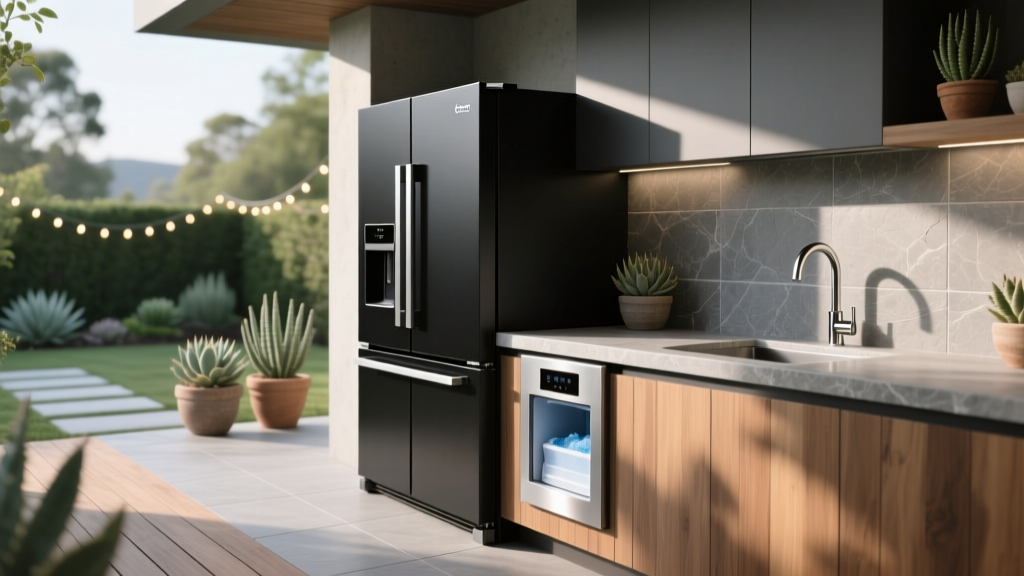 Outdoor Refrigerator and Ice Maker Setup - The Decor Mag
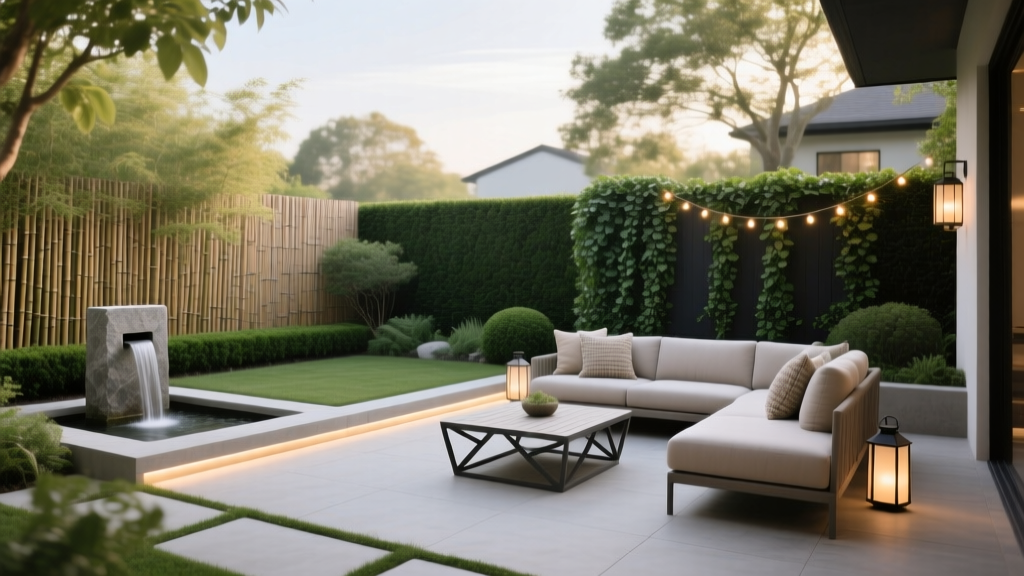 How to Create Privacy in Your Yard - The Decor Mag
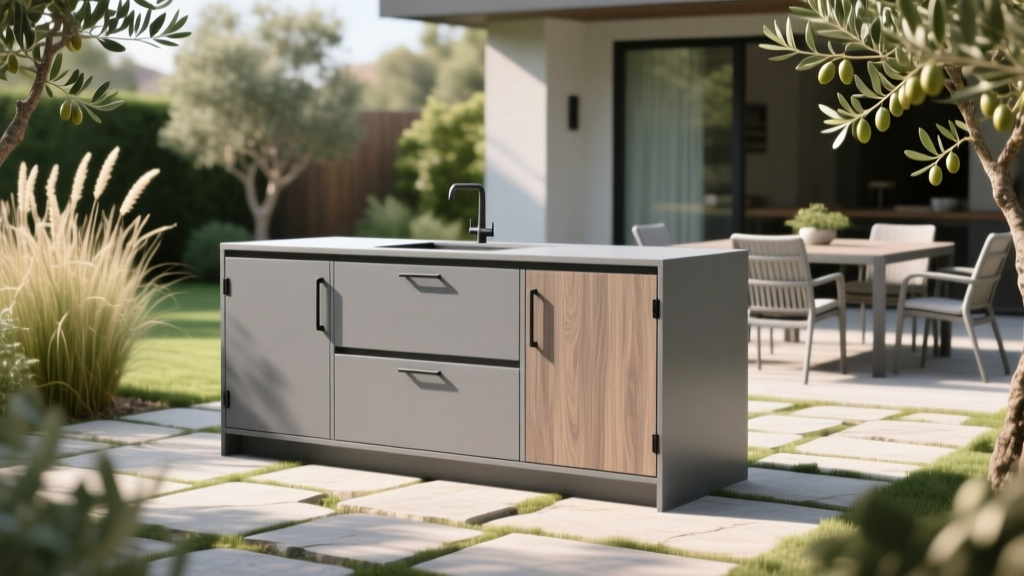 Outdoor Kitchen Storage Cabinet Guide - The Decor Mag
 Best Outdoor Bar Salt and Spice Station - The Decor Mag
 How to Create a Container Herb Garden - The Decor Mag
 Small Patio Makeover: Big Style, Tiny Footprint
 Rooms vs Headboard: Understanding the Critical Distinction in Outdoor Living Design
 Best Outdoor Planters for Every Style - The Decor Mag
 How to Design a Cottage Core Garden - The Decor Mag
 7 Bedside Common Mistakes That Sabotage Sleep, Safety, and Bedroom Functionality