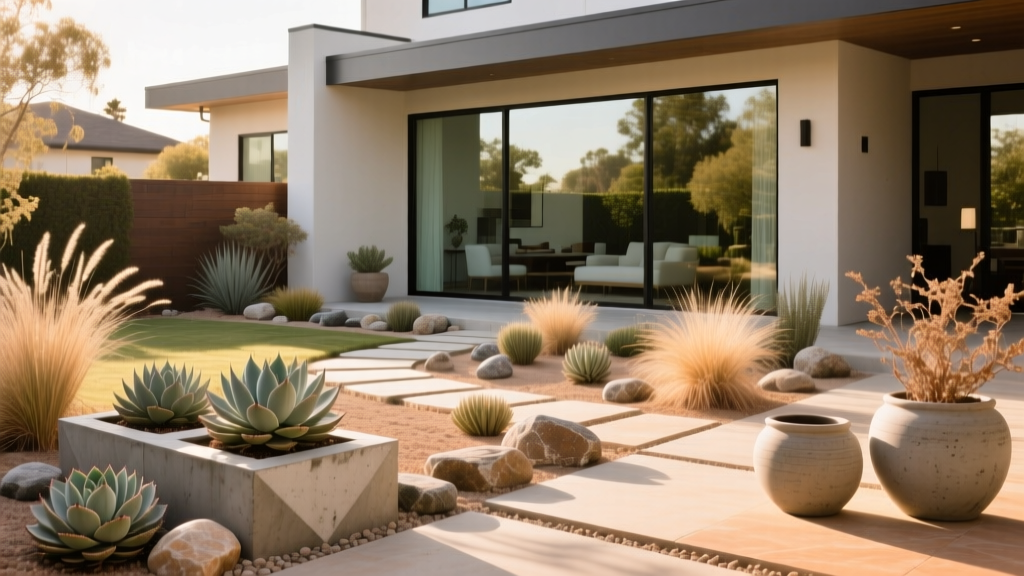
How to Design a Drought-Tolerant Landscape - The Decor Mag
Outdoor living is at its best when your yard feels effortless—welcoming patio seating, a little shade, a few beautiful plant moments, and enough greenery to make it feel alive. The challenge? Traditional landscapes often demand constant watering, weekly upkeep, and a steady stream of replacements when heat waves hit. A drought-tolerant landscape flips that script: it’s designed to look intentional, stylish, and lush enough to feel like an oasis—without relying on heavy irrigation.
Whether you’re refreshing a front yard for curb appeal, building a low-water backyard for entertaining, or trying to make your patio living space more resilient, drought-tolerant landscaping is one of the smartest upgrades you can make. It can reduce water bills, cut maintenance time, and keep your outdoor design looking strong through summer stress, shoulder seasons, and unpredictable weather.
The best part: drought-tolerant doesn’t mean “all gravel and cacti.” It means choosing the right plants, materials, and layout so your landscape thrives on less water and still feels comfortable, layered, and polished year-round.
Start with a Smart Plan: Your Site, Sun, and How You Live Outside
Map your outdoor living zones first
Before you pick plants, decide how you want to use the space. Drought-tolerant landscapes shine when they’re designed around lifestyle—because that helps you prioritize irrigation where it matters and simplify everything else.
- Entertaining zone: patio, outdoor dining, grill area, fire pit seating
- Everyday relaxation: lounge chairs, small bistro set, reading nook
- Play/pet area: durable groundcover, permeable paths, shade
- Garden moments: entry planting beds, focal planters, scent garden near seating
Observe sun, wind, slope, and drainage
A drought-tolerant landscape isn’t only about low-water plants—it’s about not fighting your site conditions.
- Full sun: perfect for lavender, rosemary, agave, yarrow, and ornamental grasses
- Hot reflected heat: along walls and driveways—use tough plants (agave, lantana, salvia) and add mulch
- Windy spots: choose flexible grasses or sturdy shrubs; add a slatted privacy screen to reduce drying wind
- Slopes: use groundcovers and drip irrigation to reduce runoff; stabilize with terraces or boulders
Set a realistic budget range
Drought-tolerant landscaping can be done in phases. Typical cost ranges vary by region and scope:
- Budget refresh ($500–$2,500): mulch, drip conversion for a small bed, a few statement plants, container updates
- Mid-range redesign ($2,500–$15,000): new planting plan, gravel or decomposed granite paths, larger shrubs/trees, lighting
- Full transformation ($15,000–$60,000+): new patio or pavers, retaining walls, pergola, outdoor kitchen, professional design + install
Design Principles for a Beautiful Low-Water Yard
Think “structure first,” flowers second
The most successful drought-tolerant landscapes rely on strong structure so they look great even when not in peak bloom. Build your design with:
- Evergreen shrubs for backbone (e.g., rosemary, Texas sage, manzanita where appropriate)
- Architectural plants for drama (agave, yucca, red hot poker)
- Ornamental grasses for movement and softness (blue fescue, muhly grass)
- Seasonal color accents used strategically near patios and walkways
Group plants by water needs (hydrozoning)
Hydrozoning is a game-changer for drought-tolerant landscaping. Create:
- Oasis zone: closest to the house/patio; slightly higher water for comfort and lushness (containers, herb beds)
- Transition zone: moderate water plants; mixed shrubs and perennials
- Arid zone: farthest areas; natives, succulents, and low-water groundcovers
Use repetition for a designer look
Instead of one of everything, repeat a few dependable plants for a cohesive, high-end feel. A simple formula:
- Choose 3–5 core plants and repeat them in drifts
- Add 1–2 statement plants as focal points
- Finish with two mulch textures (for example: gravel + shredded bark in different zones)
Best Drought-Tolerant Plants for Home Landscapes
The best plant list depends on your climate zone, soil, and sun exposure. These options are widely used in drought-tolerant landscape design; check local recommendations and invasive-species lists before planting.
Low-water shrubs (great for structure)
- Rosemary (Rosmarinus officinalis): evergreen, fragrant, great near patios; upright or trailing forms
- Lavender (Lavandula): sun-loving, pollinator-friendly, ideal along paths
- Texas sage (Leucophyllum frutescens): heat tolerant, silvery foliage
- Manzanita (Arctostaphylos): stunning bark and form (best in suitable regions)
- Rockrose (Cistus): tough, long-blooming in warm climates
Perennials and flowers (seasonal color without heavy watering)
- Salvia: long bloom season, loved by hummingbirds
- Yarrow (Achillea): flat-topped blooms, great for hot sites
- Gaura: airy flowers that look beautiful near seating
- Coreopsis: cheerful color, reliable in many regions
- Penstemon: excellent for xeriscape borders
Succulents and architectural plants (modern curb appeal)
- Agave: sculptural focal points; plant away from walkways due to spines
- Yucca: strong vertical lines and drought tolerance
- Aloe (in mild-winter climates): bold texture, great in containers
- Red hot poker (Kniphofia): dramatic spikes and drought tolerance once established
Ornamental grasses (softness + movement)
- Muhly grass (Muhlenbergia): incredible fall color; beautiful around patios
- Blue fescue (Festuca glauca): compact, tidy mounds for edging
- Feather grass (Stipa/Nassella): airy texture; check suitability in your region
Groundcovers (reduce weeds and watering)
- Creeping thyme: fragrant, great between pavers in sunny spots
- Ice plant (Delosperma): colorful and heat-tough (region-dependent)
- Trailing rosemary: excellent on slopes and walls
- Native groundcovers: often the most resilient option—ask your local nursery for top picks
Hardscape Materials That Save Water and Elevate Patio Living
Hardscape is where drought-tolerant landscape design becomes outdoor-living design. The right materials reduce water needs, cut maintenance, and make your yard feel like an extension of your home.
Top low-water hardscape choices
- Permeable pavers: allow water to infiltrate; great for patios and paths
- Decomposed granite (DG): natural look, budget-friendly, excellent for walkways (use stabilizer for best results)
- Gravel: modern and clean; pair with steel edging for a crisp finish
- Concrete: durable patio base; consider broom finish or exposed aggregate for traction
- Natural stone: timeless and heat-resistant; great for steps and seating walls
Mulch: the underrated drought-tolerant hero
Mulch reduces evaporation, keeps soil cooler, and suppresses weeds.
- Shredded bark mulch: best for planting beds; refresh annually
- Gravel mulch: excellent around succulents and in arid zones
- Leaf mulch/compost (thin layer): improves soil, especially in transition zones
Layout idea: “Patio + path loop + planting islands”
For many homeowners, this is the most practical drought-tolerant layout:
- A comfortable patio living area near the house
- A looping path (DG or pavers) that encourages strolling
- Planting islands with drip irrigation and bold, repeated plant choices
- Open gravel or mulch areas to reduce thirsty lawn space
Outdoor Furniture and Shade: Comfort Without Constant Water
Choose durable patio furniture that handles heat
- Powder-coated aluminum: lightweight, rust-resistant, great for sunny patios
- Teak: premium and long-lasting; let it weather silvery or maintain with oil
- All-weather wicker (resin): comfortable, classic; choose UV-rated versions
- Concrete or stone side tables: grounded and wind-resistant
Budget ranges for a patio refresh:
- $300–$900: bistro set or small conversation set (big-box and online retailers)
- $1,200–$3,500: quality sofa + chairs + coffee table
- $3,500–$10,000+: premium modular seating, dining set for 6–8, designer umbrellas
Add shade to reduce plant and people stress
- Cantilever umbrella: flexible shade for dining or lounge zones
- Pergola: architectural focal point; add a shade canopy for summer
- Shade sail: modern, budget-friendly; needs proper anchoring
- Small trees: a long-term investment for cooling and comfort
Irrigation and Soil: The Behind-the-Scenes Upgrades That Make It Work
Convert to drip irrigation where possible
Drip irrigation delivers water directly to roots with minimal evaporation—ideal for drought-tolerant plants that still need deep watering while establishing.
- Use pressure regulators and filters for reliability
- Add a smart irrigation controller that adjusts for weather
- Water early morning to reduce evaporation and disease risk
Build soil that holds moisture (without overwatering)
- Work in compost in planting beds to improve structure
- Avoid over-amending for native plants that prefer lean soil
- Use mulch consistently to stabilize moisture and temperature
Seasonal and Year-Round Outdoor Living Considerations
Spring: set up for success
- Plant during mild temperatures so roots establish before summer
- Refresh mulch and check irrigation lines for leaks
- Add container herbs near the kitchen door for easy outdoor living
Summer: design for comfort
- Prioritize shade over extra watering
- Deep water less frequently rather than daily sprinkling
- Use light-colored gravel or pavers in sunny spots to reduce heat buildup
Fall: the best planting window in many climates
- Install shrubs and trees so they establish through cooler months
- Enjoy fall interest from ornamental grasses and late bloomers like salvia
- Consider adding a fire pit zone for shoulder-season evenings
Winter: keep it attractive even when quiet
- Rely on evergreen structure, grasses, and sculptural plants
- Protect tender plants with frost cloth in cold snaps
- Add outdoor lighting to highlight textures and extend patio use
Common Mistakes to Avoid in Drought-Tolerant Landscape Design
- Planting without a plan: random plant selection often leads to mismatched water needs and cluttered beds
- Overusing gravel: too much hard, reflective surface can increase heat—balance with plants and shade
- Skipping mulch: even drought-tolerant plants struggle in bare soil
- Overwatering “drought-tolerant” plants: many prefer deep, infrequent watering; constant moisture can cause root rot
- Ignoring mature size: overcrowding increases maintenance and water demand
- Placing spiky plants near paths: agave and some yuccas need clearance for safe patio circulation
FAQ: Designing a Drought-Tolerant Yard
What is the difference between xeriscape and drought-tolerant landscaping?
Xeriscape is a specific approach focused on minimal water use through zoning, soil improvement, efficient irrigation, and climate-appropriate plants. Drought-tolerant landscaping uses similar principles but can be more flexible aesthetically—often blending low-water plants with comfortable outdoor living features like patios, shade, and small “oasis” areas.
Do drought-tolerant plants need watering at all?
Yes—especially during the first year. Most need regular watering while establishing roots. After that, many thrive with deep, infrequent watering depending on heat, soil type, and rainfall.
Can I keep some lawn in a drought-tolerant landscape?
Absolutely. The key is using lawn intentionally. Keep a smaller, functional patch (play area or pet zone) and replace the rest with planting beds, mulch, and permeable paths. In some regions, drought-tolerant turf alternatives or native groundcovers can also reduce watering.
What are the best low-water options for a small patio garden?
Use containers with drought-tolerant favorites like lavender, rosemary, salvia, and compact ornamental grasses. Add a drip kit for pots, and choose large containers that hold moisture longer. Pair with a shade umbrella to keep plants and seating comfortable in summer.
Is decomposed granite better than gravel for walkways?
DG creates a smoother, more walkable surface and can feel more “patio-friendly,” especially with a stabilizer. Gravel is excellent for drainage and a crisp modern look but can shift underfoot. The best choice depends on the look you want and how the path will be used.
How long does it take for a drought-tolerant landscape to look full?
Most landscapes take 1–3 growing seasons to fill in. You can speed up the “finished” look by repeating mid-sized plants, using ornamental grasses for quick volume, and adding boulders, large pots, and lighting for immediate structure.
Next Steps: Build Your Low-Water Outdoor Oasis
Start small and strategic: define your patio living zone, reduce thirsty lawn where it doesn’t serve a purpose, and upgrade one planting bed with drip irrigation, mulch, and a tight palette of drought-tolerant plants you can repeat. Add a shade element and a comfortable seating setup, and your yard will feel like a destination—even in the hottest months.
If you’re ready to keep refining your outdoor design, explore more patio ideas, low-maintenance landscaping tips, and outdoor living inspiration on thedecormag.com.
More Articles
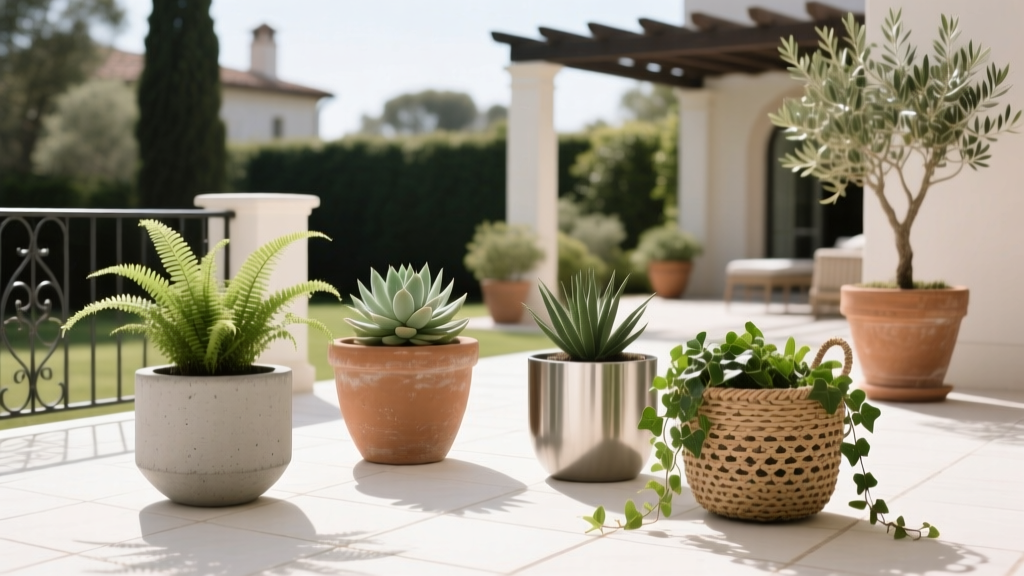 Best Outdoor Planters for Every Style - The Decor Mag
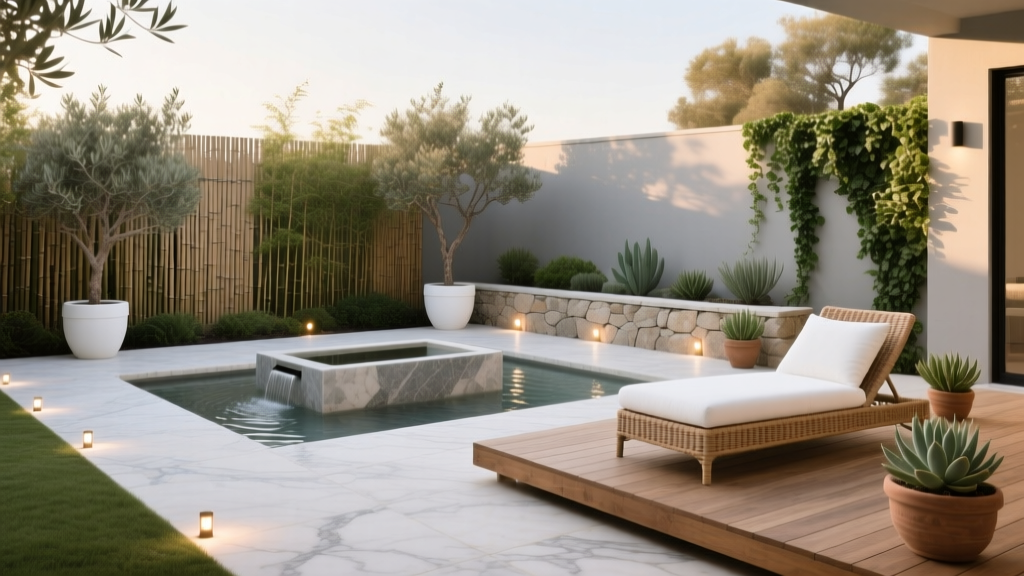 How to Design a Backyard Oasis - The Decor Mag
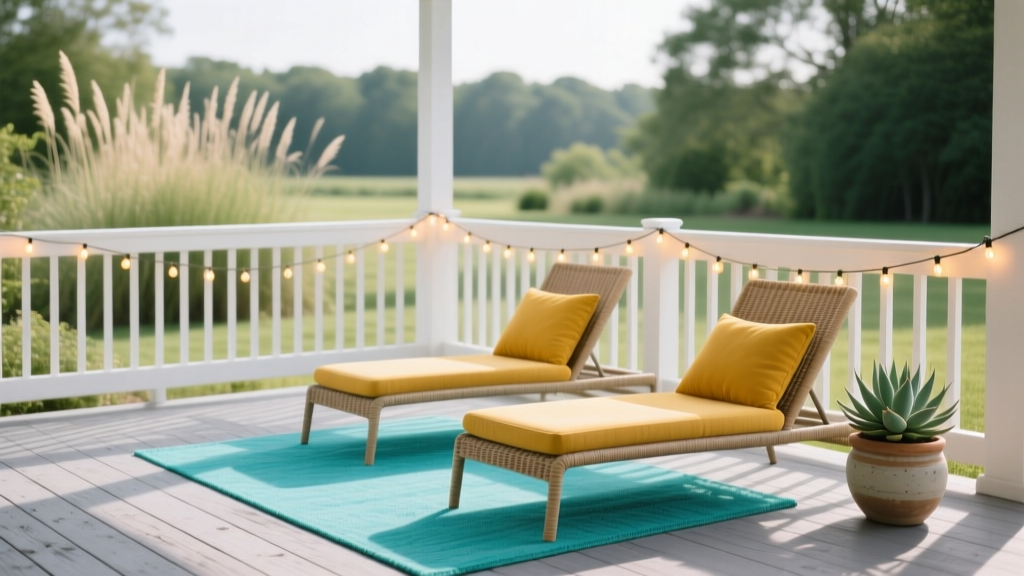 DIY Summer Porch Makeover: Budget Refresh Under $100
 How to Start Living Rooms: Building Functional, Weather-Resilient Outdoor Living Spaces from the Ground Up
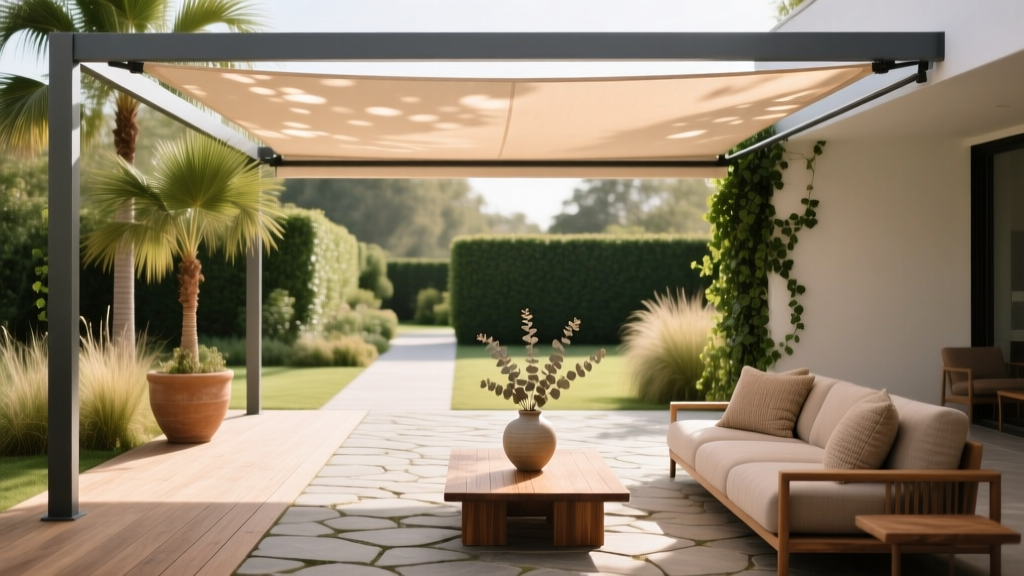 Outdoor Pergola with Retractable Canopy - The Decor Mag
 How to Create a Starlight Garden - The Decor Mag
 Best Outdoor Dining Chair Cushions - The Decor Mag
 How to Design a Kitchen Garden Layout - The Decor Mag
 How to Create a Cut Flower Garden - The Decor Mag
 Best Outdoor Drink Tray Cart Ideas - The Decor Mag