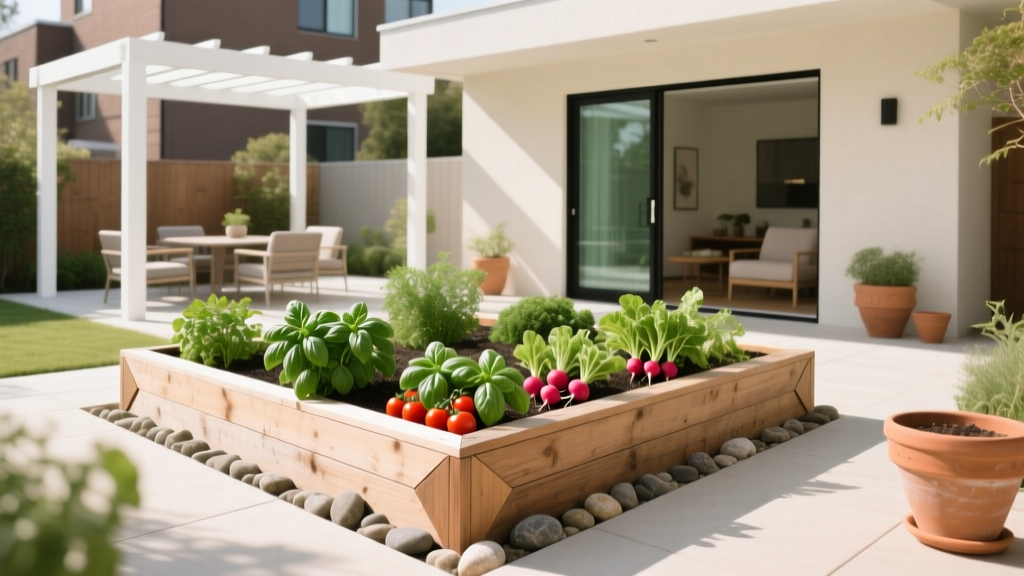
How to Create a Square Foot Garden - The Decor Mag
A beautiful outdoor living space isn’t only about a bigger patio or a showpiece pergola. Sometimes the most transformative upgrade is a small, highly productive garden that makes your yard feel alive—fresh herbs by the grill, crisp greens steps from the kitchen, and flowers that pull pollinators right to your seating area.
Square foot gardening is a smart, design-friendly approach that fits modern patio living and busy homeowner schedules. You grow more in less space, waste less water, and reduce weeding dramatically—all while creating an intentional landscape feature that looks polished next to a deck, pool, or outdoor kitchen.
If you’ve been wanting a garden but worry about time, space, or mess, this method is the sweet spot: structured, tidy, and satisfying. Here’s how to build a square foot garden that performs like a pro and complements your outdoor design year-round.
What Is Square Foot Gardening (and Why It Works for Outdoor Living)
Square foot gardening is a raised-bed method where you divide the growing area into 1-foot by 1-foot squares (a grid). Each square gets a specific number of plants based on spacing, so you avoid overplanting and sprawling rows. The result is a clean, efficient layout that’s ideal for small yards, patios, side yards, and even sunny courtyards.
- Less weeding: Dense planting shades soil, slowing weeds.
- Less water: Water goes to the bed, not pathways.
- Better soil control: You build high-quality soil once and maintain it.
- Design-ready: Beds look structured and pair beautifully with outdoor furniture and hardscaping.
Plan Your Location Like a Landscape Designer
Sunlight: The Non-Negotiable
Most vegetables and many herbs want 6–8+ hours of sun. If your yard has shade from trees, fences, or your home, choose a spot that gets strong morning to mid-afternoon light.
Great placement ideas for patio living:
- Along the edge of a patio to create a “garden border” that doubles as visual screening
- Near an outdoor kitchen or grill for a chef’s garden feel
- By a dining area to add fragrance (basil, thyme, lavender) and a lush backdrop
- In a side yard corridor to activate an underused space with greenery
Access, Water, and Comfort
A square foot garden should be close enough that you’ll actually use it. Aim for a location within a short walk of your kitchen door and within reach of a hose bib.
- Water access: If possible, add a quick-connect and a 25–50 ft hose.
- Pathway: Plan a stable path (gravel, pavers, decomposed granite) so you can garden after rain.
- Wind: In windy regions, position beds near a fence or add a simple slatted screen to protect tender plants.
Choose the Right Bed Size, Height, and Layout
Best Beginner Size
The classic starter bed is 4 ft x 4 ft (16 squares). It’s large enough for variety, small enough to manage, and easy to reach from all sides.
Proportions that work well in outdoor design:
- 4 ft x 4 ft: Best for beginners; perfect near patios
- 4 ft x 8 ft: Great for families; add a central path for easy access
- 2 ft x 6 ft: Ideal for narrow side yards or along a fence
Height Options (and How They Affect Maintenance)
- 8–12 inches: Budget-friendly, classic raised bed; good for most veggies
- 18–24 inches: Easier on backs and knees; excellent for patio gardens and seniors
- 30–36 inches: Counter-height “garden bar” feel; ideal for accessibility and a premium outdoor living look
Layout Tips for a Polished Backyard Look
- Align beds with existing hardscape lines (patio edge, fence line, pergola posts).
- Use symmetry (two matching beds flanking a path) for a high-end landscape feel.
- Leave 24–36 inches for paths if you’ll use a wheelbarrow; 18–24 inches works for foot traffic.
Materials That Look Great and Last Outdoors
Best Bed Materials
- Cedar (recommended): Naturally rot-resistant, attractive, and safe for edible gardens.
- Redwood: Premium look and longevity; higher price.
- Galvanized metal beds: Modern aesthetic, long lifespan; choose rolled edges for safety.
- Composite boards: Low maintenance; verify it’s rated for garden use and food-safe.
Avoid: old railroad ties and unknown treated lumber for edible gardens.
Hardware and Add-Ons Worth Buying
- Corner brackets for crisp lines and longevity
- Hardware cloth (1/4 inch) under the bed to deter gophers and rodents
- Drip irrigation kit on a timer for consistent watering
- Low hoops + frost cloth for shoulder seasons and year-round growing
Budget Ranges (Typical Homeowner Costs)
- Budget: $100–$250 for a 4x4 bed (cedar kit or basic lumber) + soil
- Mid-range: $250–$600 for sturdier materials, hardware cloth, and drip irrigation
- Premium: $600–$1,500+ for taller beds, multiple beds, metal planters, paver paths, and irrigation timers
Build the Bed and Prep the Site
- Mark the footprint with string and stakes; check that it’s square.
- Remove grass (sod cutter, shovel, or smother with cardboard).
- Level the site so water doesn’t pool at one end.
- Add hardware cloth (stapled to the bottom frame) if pests are an issue.
- Set the bed in place and verify it’s stable.
- Install irrigation now if you’re using drip lines.
Soil: The Secret to a Thriving Square Foot Garden
Square foot gardening shines because you start with a lightweight, nutrient-rich mix rather than struggling with compacted native soil. A reliable blend for raised beds is:
- 1/3 compost (use 2–3 different compost sources if possible)
- 1/3 coconut coir (or peat moss) for moisture retention
- 1/3 vermiculite for aeration and consistent moisture
Practical tip: For many homeowners, buying bagged ingredients is easiest for the first season. If you’re filling multiple beds, consider bulk delivery from a reputable landscape supply yard labeled for raised bed garden soil and amend with additional compost.
Seasonal Soil Care
- Spring: Top-dress each square with fresh compost before planting.
- Summer: Mulch lightly (straw, shredded leaves) to reduce evaporation.
- Fall: Add compost and plant cover crops in unused squares (like clover) where climate allows.
- Winter: Protect soil with mulch or frost cloth; avoid leaving it bare in rainy regions.
Create the Grid and Plan Your Plant Spacing
The grid is what makes square foot gardening so easy. Use thin wood lath strips, durable twine, or even a weatherproof marker on bed edges. Each square gets a set number of plants:
- 1 per square: tomatoes (trained), peppers, broccoli, eggplant, basil (large varieties)
- 4 per square: lettuce, Swiss chard, bush beans, larger onions
- 9 per square: spinach, beets, smaller onions
- 16 per square: carrots, radishes (depending on variety)
Design-Friendly Plant Combos (Looks + Function)
- Patio pizza garden: basil, oregano, thyme, cherry tomato (trellis), peppers
- Salad bar bed: mixed lettuces, arugula, radishes, scallions, dill
- Pollinator-friendly edible mix: nasturtiums, calendula, basil, beans, cucumbers (trellis)
Best Plants for Square Foot Gardens (By Goal)
High-Impact, Easy Wins for Beginners
- Lettuce and leafy greens: fast, forgiving, great for continuous harvest
- Radishes: quick turnaround; perfect for filling gaps
- Bush beans: productive and low-fuss
- Herbs: basil, parsley, chives, thyme (excellent near outdoor dining)
Plants That Maximize Vertical Space (Perfect for Small Yards)
- Cherry tomatoes: use a trellis; choose disease-resistant varieties
- Cucumbers: train upward for cleaner fruit and better airflow
- Peas: great for spring/fall in many climates
- Small melons (warm climates): only with strong support and adequate sun
Edible Flowers That Elevate Outdoor Design
- Nasturtiums: bold color, edible leaves and flowers
- Calendula: cheerful blooms; great companion plant
- Violas: cool-season charm for early spring and fall
Furniture and Outdoor Styling Around Your Garden
Square foot gardens can look intentional, not utilitarian. Treat your bed as a landscape feature and design the surrounding zone like an extension of your patio.
- Seating: A small bistro set ($150–$500) or a weather-resistant bench ($200–$800) placed nearby turns harvesting into a ritual.
- Work surface: Add a compact potting bench ($120–$400) or an outdoor-rated console table for tools and baskets.
- Lighting: Solar path lights ($30–$120) or low-voltage landscape lighting ($300–$1,200 installed) improves safety and makes the garden feel magical after dinner.
- Storage: A slim deck box ($80–$250) keeps gloves and pruners out of sight.
Material pairing tip: Match bed finishes to your existing outdoor design—cedar with natural stone, galvanized metal with modern pavers, and painted wood with cottage-style landscaping.
Climate-Smart Tips for Year-Round Outdoor Living
Hot, Dry Climates
- Use drip irrigation and mulch to reduce evaporation.
- Plant heat-tolerant options: peppers, eggplant, okra, sweet potatoes, basil.
- Add 30–40% shade cloth during extreme heat to prevent bolting.
Humid or Rainy Climates
- Prioritize airflow with trellises and proper spacing.
- Water early in the day; avoid wet foliage overnight.
- Choose disease-resistant tomato varieties and prune for ventilation.
Cold Winters / Short Growing Seasons
- Start with cool-season crops: peas, spinach, kale, radishes.
- Use low tunnels with frost cloth to extend spring and fall.
- Consider a mini hoop house look for winter greens in milder cold zones.
Maintenance: A Simple Weekly Rhythm
Square foot gardening is designed to be manageable. A little consistency beats marathon weekend work.
- 2–3x/week: Quick harvest and check moisture (daily in peak summer heat).
- Weekly: Refill empty squares with new seedlings for succession planting.
- Every 2–4 weeks: Add compost around heavy feeders (tomatoes, peppers).
- Seasonally: Replace tired plants, refresh mulch, clean and store supports.
Common Mistakes to Avoid
- Placing the bed too far from the house: Convenience drives consistency.
- Underestimating sun requirements: “Bright shade” won’t produce tomatoes.
- Using poor soil: Compacted bagged “topsoil” leads to weak growth and frustration.
- Overcrowding tall plants: Tomatoes and cucumbers need trellises and airflow.
- Skipping a pest barrier: If gophers are common, hardware cloth saves the season.
- No plan for watering: A timer-based drip setup is a game-changer for low-maintenance landscaping.
FAQ: Square Foot Gardening
How many square foot garden beds do I need for a family?
For fresh salads and herbs, one 4x4 bed can feel abundant. For a family that wants regular vegetables, plan on one to three 4x8 beds depending on what you grow and how often you cook at home.
Can I do square foot gardening on a patio or balcony?
Yes. Use raised planters or modular beds with a grid. Choose compact varieties and focus on high-value crops like herbs, greens, and cherry tomatoes. Confirm weight limits for balconies and use saucers or drainage control to protect surfaces.
What’s the best wood for raised garden beds?
Cedar is the top pick for durability, looks, and garden safety. Redwood is another excellent (but pricier) option. If you want a modern look, galvanized metal beds are long-lasting and low maintenance.
How do I keep my square foot garden productive all season?
Use succession planting: as soon as a square is harvested (radishes, lettuce), replant it. Mix quick crops with longer growers, and refresh each square with compost before replanting.
Do I need to rotate crops in a square foot garden?
Rotation helps reduce pests and nutrient depletion. Even in small beds, try to avoid planting the same family (like tomatoes/peppers/eggplant) in the exact same squares season after season. Compost additions also keep soil resilient.
Your Next Steps: Build a Garden That Enhances Your Patio Living
Pick a sunny spot you’ll pass every day, start with a simple 4x4 bed, invest in quality soil, and plant a mix of quick wins (greens and herbs) alongside one or two vertical showstoppers (tomatoes or cucumbers on a trellis). Add a small path and a seat nearby, and your square foot garden becomes part of your outdoor living space—not a separate chore zone.
For more outdoor design, landscaping, and patio living ideas that make your yard feel like a destination, explore the latest inspiration on thedecormag.com.
More Articles
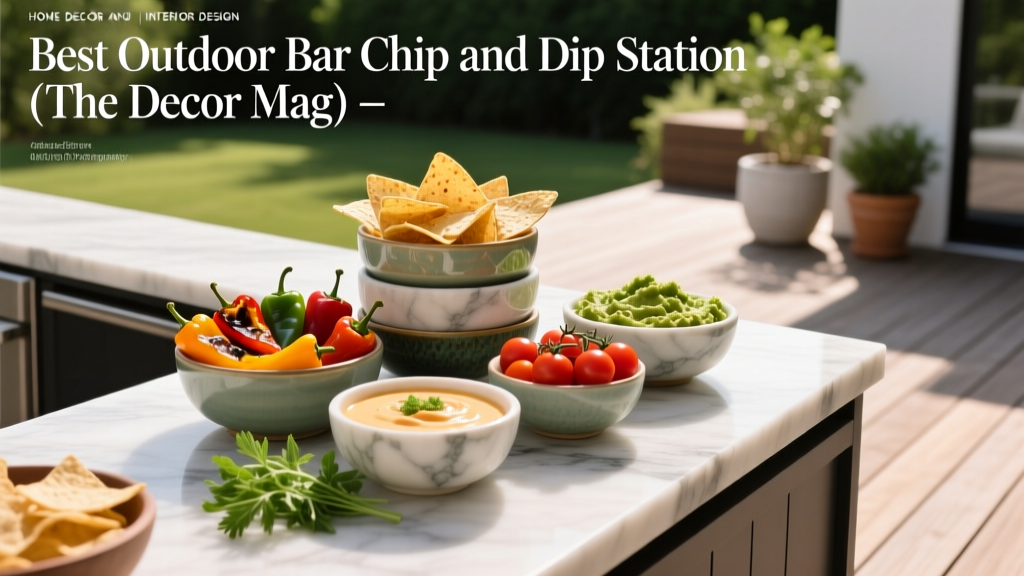 Best Outdoor Bar Chip and Dip Station - The Decor Mag
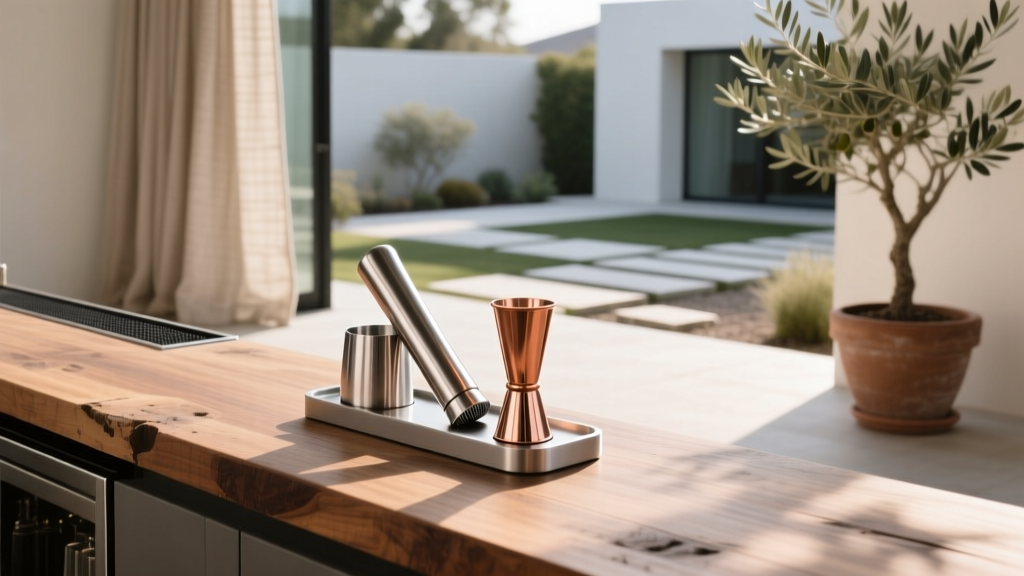 Best Outdoor Bar Muddler and Jigger Storage - The Decor Mag
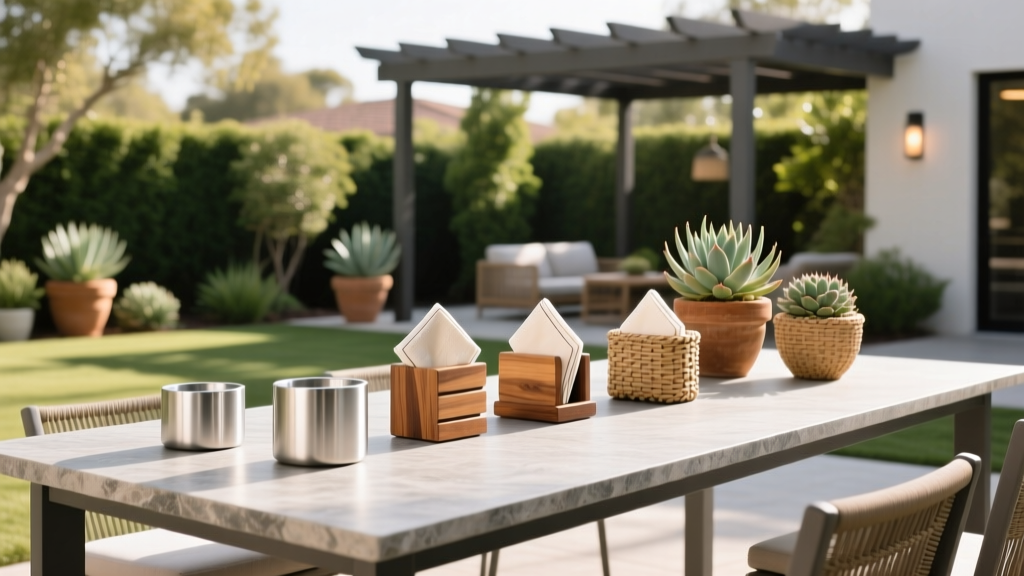 Best Outdoor Bar Napkin Holder Ideas - The Decor Mag
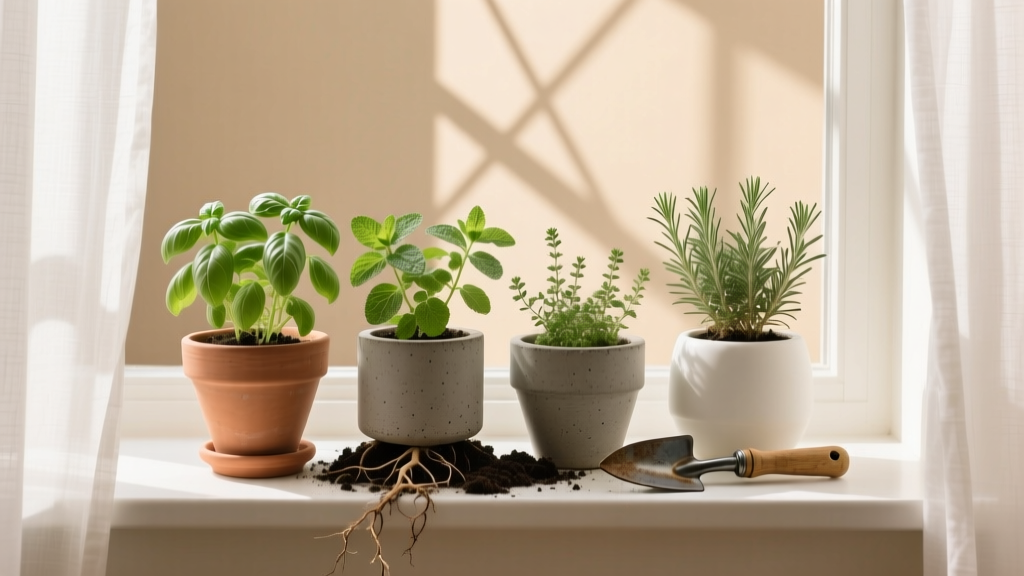 How to Create a Container Herb Garden - The Decor Mag
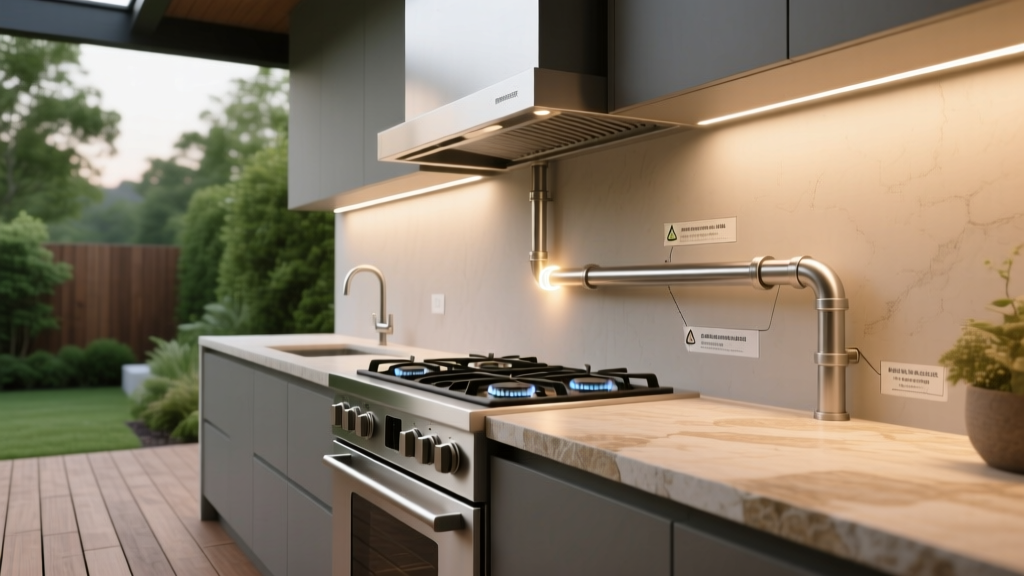 Outdoor Kitchen Gas Line Planning - The Decor Mag
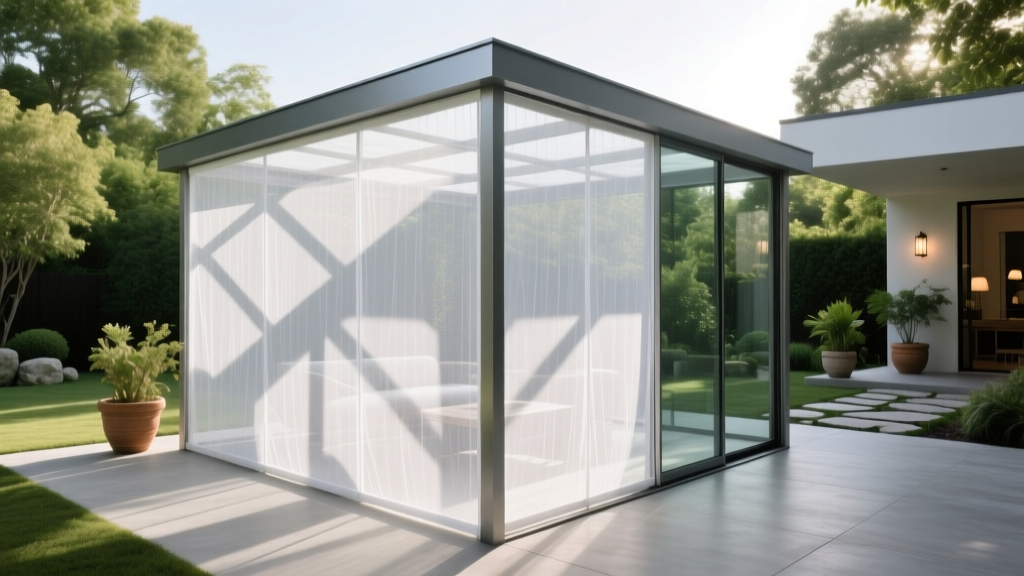 Outdoor Pavilion Insect Screen Options - The Decor Mag
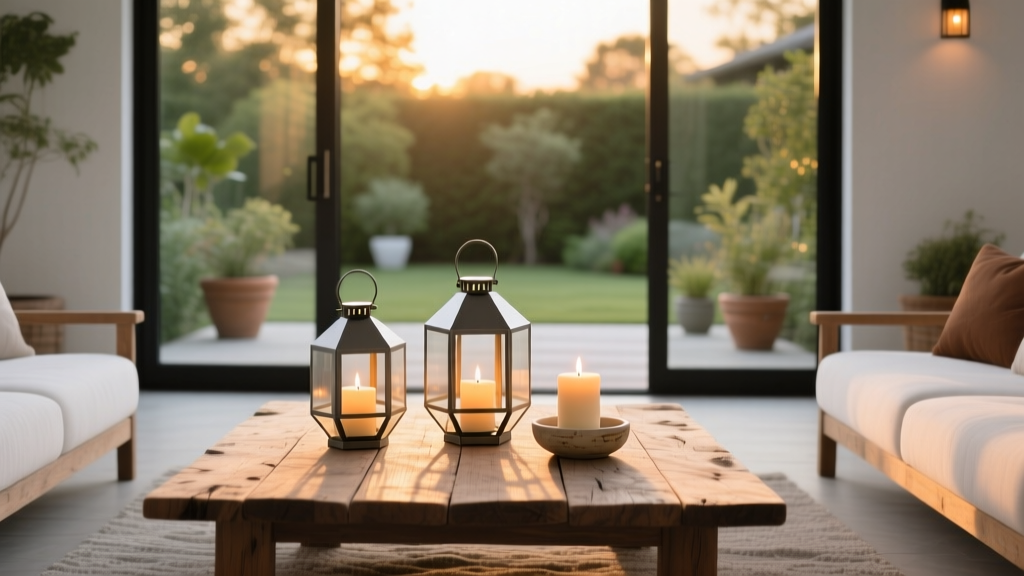 Best Outdoor Lantern and Candle Options - The Decor Mag
 Outdoor Kitchen Smoker Box Integration - The Decor Mag
 Outdoor Kitchen Countertop Sealant Guide - The Decor Mag
 Best Outdoor Bar Coaster Set Ideas - The Decor Mag