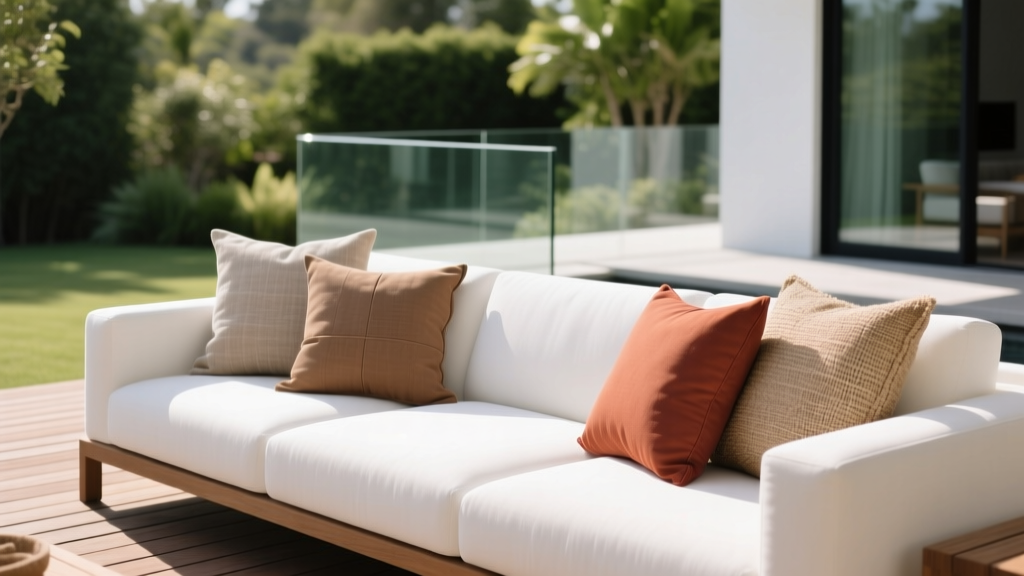
Best Outdoor Cushion Fabric Choices - The Decor Mag
The fastest way to make an outdoor space feel finished isn’t a new pergola or a fancy fire pit—it’s comfortable, inviting seating. Outdoor cushions do more than soften a chair; they set the color palette, define the vibe of your patio living area, and can make a modest backyard feel like a boutique resort. The catch? Outdoor spaces are tough on textiles. Sun, rain, pollen, mildew, sunscreen, and everyday spills all test your cushion fabric choices.
Pick the right fabric and your cushions stay bright, comfortable, and easy to maintain season after season. Pick the wrong one and you’ll be chasing stains, fading, funky odors, and sagging seams—often after just one summer. This guide breaks down the best outdoor cushion fabric options, how to choose based on climate and lifestyle, and how to style your patio, garden, or yard for year-round outdoor living.
What Makes a Great Outdoor Cushion Fabric?
Outdoor cushion fabrics are engineered differently than indoor upholstery. The best options combine performance and comfort, offering a soft hand-feel without sacrificing durability.
Key performance traits to look for
- UV resistance: Prevents fading and fiber breakdown from sun exposure.
- Water resistance: Helps the fabric repel moisture and dry faster after rain or dew.
- Mildew resistance: Critical in humid climates and shaded patios.
- Stain resistance: Makes spills, food, and sunscreen easier to clean.
- Colorfastness: Dye stays true even under harsh sunlight and frequent cleaning.
- Breathability: Improves comfort on hot days and reduces trapped moisture.
- Abrasion resistance: Helps cushions withstand daily use and pet traffic.
Quick reality check: “Waterproof” vs. “water-resistant”
Most patio cushion fabrics are water-resistant, not fully waterproof. That’s a good thing: fully waterproof materials can trap moisture inside cushions and create mildew issues. For everyday patio living, aim for a fabric that sheds water and dries quickly, paired with a fast-drying cushion insert.
Best Outdoor Cushion Fabric Choices (With Pros, Cons, and Ideal Uses)
Solution-dyed acrylic (best overall for outdoor living)
If you want the best balance of softness, style, and long-term performance, solution-dyed acrylic is the gold standard. Color is added at the fiber stage, so it’s far more fade-resistant than “piece-dyed” fabrics.
- Best for: Sunny patios, poolside lounge areas, everyday family use
- Pros: Excellent UV resistance, strong colorfastness, comfortable texture, wide range of patterns
- Cons: Higher upfront cost; some weaves can snag with pets if too loose
Design tip: Use a neutral solution-dyed acrylic base cushion (sand, oat, slate) and add patterned throw pillows for seasonal refreshes—swap in warm plaids for fall and breezy stripes for spring.
Solution-dyed polyester (best value for style on a budget)
Solution-dyed polyester has improved dramatically and can be a smart choice when you want performance at a more accessible price point. It’s often used in outdoor sectionals and dining chair pads.
- Best for: Covered patios, screened porches, moderate sun exposure
- Pros: Good fade resistance (when solution-dyed), typically more affordable, easy to clean
- Cons: Can run hotter to the touch in direct sun; may not last as long as acrylic in intense UV
Practical pick: For a family patio with frequent use, choose darker mid-tones (denim, graphite, olive) to reduce visible wear and everyday smudges.
Olefin (polypropylene) (best for hot, humid, and high-moisture climates)
Olefin is a workhorse in humid climates because it naturally resists moisture and mildew. It’s also highly stain-resistant, making it a strong option for casual backyard living.
- Best for: Coastal patios, humid regions, homes with kids and messy snacks
- Pros: Excellent moisture and mildew resistance, durable, value-friendly
- Cons: Can feel less “luxurious” than acrylic; may show crushing or pilling depending on weave quality
Layout idea: In humid areas, design your seating zone with airflow in mind—avoid pushing sofas tight against hedges or solid walls. Leave a few inches of breathing room for faster drying after rain.
Textilene / PVC-coated polyester mesh (best for sling seating, not plush cushions)
For chaise lounges and sling chairs, PVC-coated polyester mesh (often called Textilene) is a smart, low-maintenance material. While it’s not typically used for thick cushions, it excels for breathable, quick-drying seating.
- Best for: Pool decks, modern patios, ultra-low-maintenance homes
- Pros: Dries fast, resists mildew, easy to hose off
- Cons: Less cozy than cushion upholstery; can heat up in intense sun
Vinyl (best for commercial-style durability and rain-prone zones)
Vinyl is easy to wipe down and can be highly water-resistant. It’s common in restaurant patios and can work at home when you want a sleek, modern look with minimal upkeep.
- Best for: Rainy climates, outdoor bars, covered outdoor kitchens
- Pros: Wipe-clean convenience, strong water resistance
- Cons: Can feel sticky in heat; may crack over time with extreme temperature swings
Comfort upgrade: Pair vinyl seat pads with breathable back pillows in solution-dyed acrylic to keep the seating zone from feeling too “slick” in summer.
How to Choose the Right Fabric for Your Climate
Hot and sunny (high UV)
- Prioritize solution-dyed acrylic or high-quality solution-dyed polyester.
- Choose lighter colors to reduce heat buildup (ivory, sand, fog, pale gray).
- Use a shade strategy: umbrellas, pergolas, sail shades, or a vine-covered trellis.
Plant pairing: Add sun-loving plants that complement a resort-style palette—lavender, rosemary, ornamental grasses (like fountain grass), and dwarf citrus in pots for fragrance near seating.
Humid, coastal, or rainy
- Look for fabrics with strong mildew resistance like olefin or solution-dyed acrylic.
- Choose quick-dry cushion inserts (reticulated foam) and avoid overly thick cushions in uncovered areas.
- Plan for storage: a weather-resistant deck box or a bench with hidden storage.
Plant pairing: Layer lush, moisture-loving greenery—ferns (in shade), hydrangeas (part shade), and hardy evergreens for year-round structure.
Four-season climates (freeze/thaw, snow, big temperature swings)
- Fabrics must handle expansion/contraction; lean toward premium solution-dyed acrylic.
- Invest in protective covers and store cushions in winter to extend lifespan.
- Consider darker solids or textured weaves to hide spring pollen and early-season mud.
Year-round living tip: Create a “cold-season corner” with a fire pit table, outdoor-rated throws, and a wind-blocking screen (tall planters, lattice panels, or evergreen hedging).
Fabric Isn’t Everything: Cushion Inserts, Zippers, and Construction
Best cushion fill options
- Quick-dry foam (reticulated foam): Best for uncovered patios and rainy regions; drains and dries fast.
- High-density foam wrapped in polyester: Great comfort for covered patios; slightly slower to dry.
- Fiberfill: Soft and budget-friendly, but can clump and hold moisture longer.
Construction details that matter
- Marine-grade zippers for corrosion resistance.
- Piped edges for structure and a tailored look.
- Double-stitched seams (or reinforced stress points) for longevity.
- Removable covers for easier cleaning and seasonal swaps.
Outdoor Design Recommendations: Colors, Patterns, and Layouts
Easy color palettes that elevate patio living
- Coastal calm: White + navy + sea-glass green (pairs beautifully with hydrangeas and boxwood)
- Desert modern: Sand + terracotta + charcoal (great with agave, yucca, and ornamental grasses)
- Garden party: Soft gray + sage + floral accents (try salvia, lavender, and trailing sweet potato vine in pots)
- Contemporary retreat: Graphite + warm wood tones + olive (pairs with tall evergreens and black planters)
Pattern strategy that won’t overwhelm
- Keep main seat cushions in a solid or subtle texture.
- Add 1–2 patterned pillow styles (stripes, geometrics, botanicals).
- Introduce a seasonal accent color you can change easily (coral in summer, rust in fall, evergreen in winter).
Layout upgrades that make cushions feel intentional
- Define zones: Dining + lounging + a small garden “pause” (like a bench near a planting bed).
- Anchor with an outdoor rug: Helps keep cushions cleaner by reducing tracked-in grit.
- Include side tables: Fewer spills when drinks have a stable spot.
- Plan traffic flow: Leave 30–36 inches for main walkways around sectionals and dining sets.
Maintenance Tips for Outdoor Cushions (Season by Season)
Weekly (during peak season)
- Brush off pollen and crumbs before they grind into fibers.
- Flip and rotate cushions to distribute sun exposure and wear.
- Spot clean spills quickly with mild soap and water.
Monthly
- Deep clean with a soft brush and fabric-safe cleaner; rinse thoroughly.
- Let cushions dry fully in airflow—propped on edge—before putting them back.
End of season
- Wash and dry cushions completely, then store in a dry space or sealed cushion bag.
- Check seams and zippers; small repairs now prevent bigger blowouts next year.
Budget Ranges: What to Expect When Shopping
- Budget-friendly ($15–$40 per cushion cover): Basic polyester, often not solution-dyed; best for covered patios or short-term refreshes.
- Mid-range ($40–$90 per cover): Better weaves, some solution-dyed polyester/olefin, improved zippers and stitching.
- Premium ($90–$180+ per cover): Solution-dyed acrylic, higher colorfastness ratings, thicker construction, better longevity in full sun.
Where to invest: If your patio gets strong afternoon sun, put your budget into the main seat cushions (sofa, sectional, chaise). Accent pillows can be more affordable since they’re easier to replace or rotate seasonally.
Common Mistakes to Avoid
- Choosing indoor fabric for outdoor furniture: Even on a covered porch, indoor fabric can mildew and fade quickly.
- Ignoring cushion inserts: Great fabric over slow-drying fill still leads to musty cushions.
- Going too dark in full sun: Deep charcoal and black look sleek but can become uncomfortably hot.
- Skipping airflow: Cushions pressed against damp walls, dense hedges, or closed-in corners dry slowly.
- Overusing bold patterns: Busy prints on every cushion can make a patio feel cluttered; balance is key.
- Storing damp cushions: This is the fastest route to mildew and lingering odor.
FAQ: Outdoor Cushion Fabrics
What is the best fabric for outdoor cushions in full sun?
Solution-dyed acrylic is typically the top choice for UV-heavy patios because it resists fading and stays comfortable. Pair it with shade elements like umbrellas or a pergola for maximum longevity.
Is olefin good for outdoor cushions?
Yes—olefin is excellent for humid climates and families who need stain resistance. It’s a practical, durable option, especially for uncovered patios where moisture is a regular issue.
Should I choose waterproof outdoor cushion fabric?
Fully waterproof fabrics can trap moisture inside the cushion. For most outdoor seating, a water-resistant fabric with quick-dry inserts performs better and reduces mildew risk.
How do I keep outdoor cushions from getting moldy?
- Choose mildew-resistant fabric (solution-dyed acrylic or olefin).
- Use quick-dry foam inserts in rainy or humid climates.
- Increase airflow and dry cushions fully after storms.
- Store cushions when you expect multiple wet days in a row.
What colors last best outdoors?
Mid-tones and heathered textures (denim, slate, taupe, oatmeal) hide everyday dust and wear. If your patio gets intense sun, avoid very dark colors for comfort, and rely on UV-resistant fabrics to keep brights from fading.
How often should outdoor cushions be replaced?
With premium fabric and good maintenance, cushion covers can look great for 5–10 years depending on sun exposure and climate. Budget fabrics in full sun may show noticeable fading in 1–3 seasons.
Next Steps: Choose Fabric Like a Pro
Start by mapping your outdoor conditions: how many hours of direct sun, how exposed the cushions are to rain, and how often your patio is used for dining, lounging, or entertaining. Then choose a fabric that matches your lifestyle—solution-dyed acrylic for long-term beauty, olefin for humidity and easy cleanup, or solution-dyed polyester for value. Round it out with quick-dry inserts, smart shade, and an outdoor layout that encourages airflow and comfort.
For more outdoor design inspiration—patio layouts, landscaping ideas, plant pairings, and year-round outdoor living upgrades—explore the latest guides on thedecormag.com.
More Articles
 Best Outdoor Bar Cheese Board Display - The Decor Mag
 How to Design a Sensory Herb Garden - The Decor Mag
 How to Incorporate Water Features Outdoors - The Decor Mag
 How to Create a Keyhole Garden - The Decor Mag
 Outdoor Kitchen Sink Apron Front Ideas - The Decor Mag
 How to Design a Gravel Garden - The Decor Mag
 Ultimate Style Guide: Designing Outdoor Living Spaces That Reflect Your Personality and Elevate Everyday Life
 Outdoor Kitchen Ventilation Guide - The Decor Mag
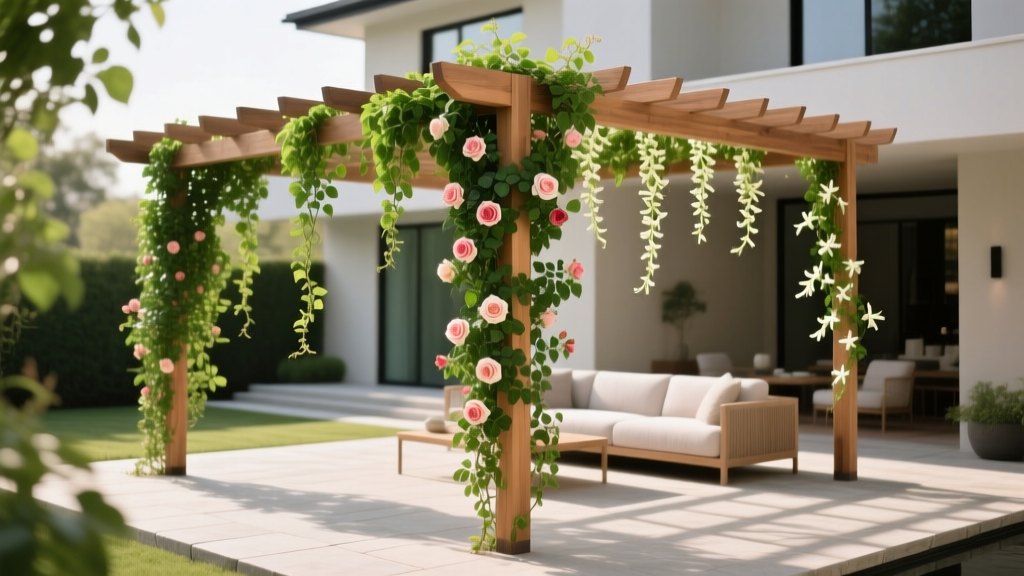 Outdoor Trellis and Climbing Plant Ideas - The Decor Mag
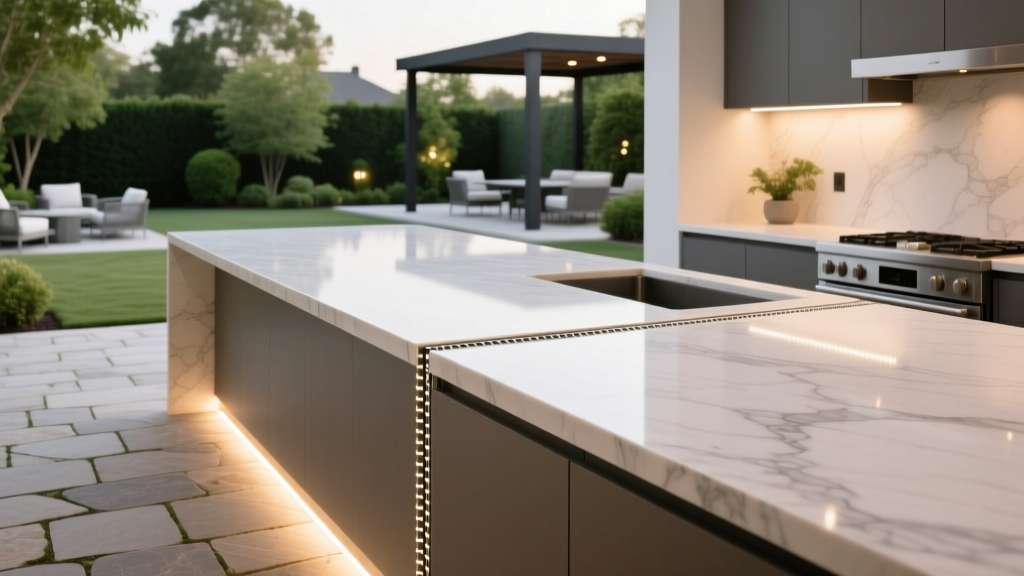 Outdoor Kitchen Countertop Expansion Joints - The Decor Mag