How to Design a Hummingbird Garden - The Decor Mag
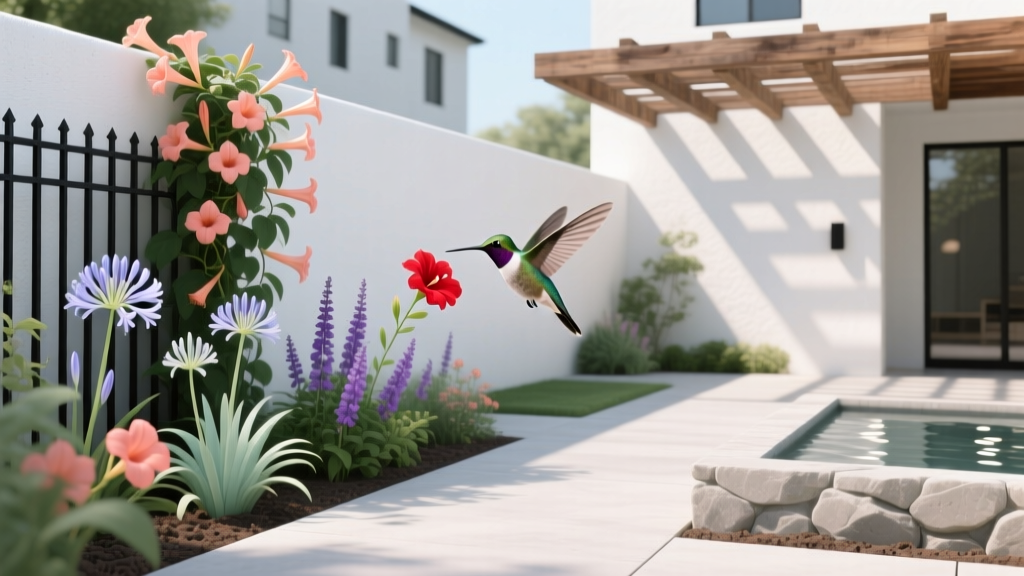
A hummingbird garden is one of the fastest ways to make your outdoor living space feel alive. These tiny birds bring movement, color, and sound to patios, porches, and backyards—often hovering just a few feet from where you sip coffee or host friends. When you design for hummingbirds, you’re not only planting flowers; you’re shaping a landscape experience that feels dynamic, layered, and intentional.
Better yet, hummingbird-friendly landscaping tends to be people-friendly landscaping. The same features hummingbirds love—vibrant blooms, comfortable microclimates, clean water, and pesticide-free planting—also create a healthier, more inviting yard. With the right layout, you can enjoy hummingbird activity from a dining set, a lounge chair, or even a kitchen window, turning wildlife watching into an everyday luxury.
This guide breaks down how to design a hummingbird garden with practical, expert strategies: plant choices, patio layout ideas, material recommendations, seasonal planning, maintenance routines, and common mistakes to avoid.
Start with the “Outdoor Living View”: Where You’ll Watch From
Before choosing plants, pick the primary viewing zones—because the best hummingbird garden is the one you actually see and use. Think like a landscape designer: frame the birds where your lifestyle happens.
Ideal viewing spots
- Patio dining area: Place nectar-rich containers and blooming borders 10–20 feet away to keep birds close without feeling crowded.
- Lounge seating: Position flowering shrubs and a small water feature within sightlines from a sectional or Adirondack chairs.
- Kitchen window or breakfast nook: Create a “pollinator pocket” with a trellis and tall flowers for easy daily viewing.
- Front porch: Add a hummingbird-friendly entry garden using containers and a compact ornamental tree for curb appeal.
Quick layout tip
Design in layers: tall background (small trees/trellises), mid-layer (shrubs and perennials), and front edge (low blooming plants). This creates depth, improves your patio living view, and gives hummingbirds multiple feeding heights.
Design Principles of a Hummingbird Garden (That Still Looks Polished)
1) Plant in drifts, not singles
Hummingbirds locate food faster when blooms are clustered. For a professional landscape look, repeat the same plant in groups of 3, 5, or 7 along borders and around patios.
2) Prioritize tubular blooms in red, orange, and hot pink
Hummingbirds are drawn to bright colors and nectar-rich, tubular flowers. You can absolutely mix in purples and blues for design balance, but make sure the “headline” plants include hummingbird favorites.
3) Create a continuous bloom calendar
One of the most common misses in hummingbird-friendly landscaping is planting for one peak month and leaving gaps. Aim for overlapping bloom times from spring through fall so your yard stays active and colorful.
4) Include perches and shelter
Hummingbirds need places to rest, preen, and watch territory. Incorporate:
- Thin-branched shrubs (they love twiggy perches)
- Small trees near feeding zones (not directly over them)
- Vines on trellises that double as privacy screens
Best Plants for a Hummingbird Garden (By Role)
The most successful hummingbird gardens mix native plants (often the best nectar sources) with a few showy ornamentals for structure and long bloom. Use this as a menu—choose what fits your climate and sun exposure.
Top hummingbird plants for nectar (sun-loving)
- Salvia (Salvia guaranitica, S. nemorosa, S. greggii): Long bloom, drought-tolerant once established.
- Bee balm (Monarda): Bold color, pollinator magnet; choose mildew-resistant varieties.
- Trumpet vine (Campsis radicans): Powerful attractor; best on a sturdy trellis away from delicate plantings.
- Penstemon: Excellent for naturalistic beds and slope plantings.
- Agastache (hyssop): Spikes of blooms, great for hot, dry gardens.
- Verbena: Continuous flowers; ideal for patio edge plantings.
- Zinnia (annual): Budget-friendly and easy from seed; great for beginners.
Part shade hummingbird plants
- Columbine (Aquilegia): Early-season color in partial shade.
- Fuchsia (in mild climates or containers): Perfect for shaded patios; protect from harsh heat.
- Coral bells (Heuchera): Adds foliage color plus spring blooms.
- Cardinal flower (Lobelia cardinalis): Stunning red spikes; likes consistent moisture.
Flowering shrubs and small trees (structure + habitat)
- Weigela: Spring bloom and repeat bloom in many varieties.
- Butterfly bush (Buddleja): Choose sterile/non-invasive varieties where recommended.
- Red buckeye (Aesculus pavia): A hummingbird favorite in suitable regions; great as a focal point.
- Desert willow (Chilopsis linearis): Excellent for hot climates; airy shade for patio zones.
Vines for vertical gardening and privacy screens
- Coral honeysuckle (Lonicera sempervirens): A safer choice than invasive honeysuckles; strong hummingbird draw.
- Scarlet runner bean: Fast seasonal screen on a fence panel or obelisk; edible bonus.
Container-friendly hummingbird plants
- Salvia, lantana (warm climates), zinnias, compact penstemon, fuchsia (shade), verbena, calibrachoa
Layouts That Work: From Small Patio to Full Backyard
Patio “Hummingbird Ring” (best for entertaining)
Create a planted ring around a seating/dining area so birds are visible without buzzing through the center of the party.
- Inner zone: Outdoor rug + dining set or lounge grouping
- Planting band (3–6 ft wide): Massed salvias, agastache, verbena, and a few taller spikes like bee balm
- Back anchor: Trellis with coral honeysuckle or a small flowering tree
Pollinator Border Along a Fence (best for narrow yards)
Use a layered border to soften fencing, add privacy, and build a long runway of blooms.
- Back row: shrubs/small trees (weიგela, red buckeye where suitable)
- Middle: perennials (salvia, penstemon, bee balm)
- Front: low bloomers/edgers (verbena, compact zinnias, thyme for fragrance)
Courtyard Container Garden (best for rentals and small spaces)
For a balcony, small patio, or courtyard, use containers and vertical features:
- Two to four 18–24 inch pots with salvia/verbena mixes
- One tall container (20–30 inch) with a trellis and flowering vine
- A shallow water dish with a solar bubbler for sparkle and sound
Furniture and Outdoor Living Features That Complement a Hummingbird Garden
Hummingbird gardens are meant to be lived in. Choose patio furniture and materials that feel calm and natural so the planting can shine.
Furniture recommendations
- Seating: Weather-resistant lounge chairs (teak, powder-coated aluminum, or all-weather wicker) placed facing bloom zones.
- Dining: A round or bistro table encourages conversation while keeping sightlines open.
- Side tables: Add one or two small tables for drinks and binoculars—yes, hummingbirds deserve binoculars.
- Umbrella or pergola: Creates shade for people and reduces plant stress in hot climates.
Materials that pair beautifully with hummingbird-friendly landscaping
- Natural stone pavers: Cool underfoot, timeless look; great for patios and stepping paths.
- Decomposed granite (DG): Budget-friendly path material; use stabilizer for cleaner patio living areas.
- Cedar or redwood trellises: Great for vines; naturally rot-resistant.
- Corten steel edging: Crisp lines that make cottage-style planting look intentional.
Budget ranges (typical homeowner projects)
- Budget-friendly ($100–$400): Seeds/annuals, 2–4 containers, a basic trellis, DIY drip kit.
- Mid-range ($500–$2,000): Perennial bed install, mulch, edging, 6–12 plants in drifts, a small water feature.
- Premium ($2,000–$8,000+): Patio refresh with pavers, custom planters, pergola/shade structure, irrigation zone, layered shrub/perennial design.
Water, Feeders, and Lighting: The Extras That Make a Big Difference
Water features hummingbirds actually use
Hummingbirds love moving water for bathing. Skip deep birdbaths and choose one of these:
- Dripper attachment on a shallow basin
- Solar bubbler in a dish (easy for patios)
- Misting nozzle near shrubs (in hot climates, this can be irresistible)
Feeder strategy (without making a mess)
- Place feeders 10–15 feet from seating to reduce traffic conflicts.
- Hang near shrubs for quick escape cover, but not inside dense branches.
- Use simple red feeders; avoid dyes in nectar.
Basic nectar recipe: 1 part white sugar to 4 parts water. Boil, cool, and refrigerate extra. Clean feeders every few days in hot weather.
Outdoor lighting that won’t disrupt wildlife
- Use warm LEDs (2700K) and downlighting for patio ambiance.
- Avoid bright floodlights aimed into planting beds.
- Put path lights on timers so your garden stays welcoming for year-round outdoor living without staying overly lit all night.
Seasonal Planning for Year-Round Outdoor Living
A hummingbird garden can support your patio lifestyle across seasons when you plan for changing light, temperature, and bloom cycles.
Spring
- Plant early bloomers (columbine, early salvias) to catch first arrivals.
- Refresh mulch and check irrigation before heat hits.
Summer
- Prioritize heat-tolerant workhorses (agastache, salvia, verbena).
- Add shade (umbrella, pergola, shade sail) to keep patio seating comfortable.
- Deadhead and water deeply to extend blooming.
Fall
- Keep late nectar going with salvias, zinnias, and any repeat bloomers.
- Reduce pruning—leave some seedheads and structure for habitat.
Winter
- Focus on structure: evergreen shrubs, trellises, ornamental grasses, and attractive hardscape lines.
- Clean and store feeders if hummingbirds have migrated from your area; in mild climates, maintain feeders and winter-blooming plants where applicable.
Climate Considerations: Design for Your Region
Hot, dry climates
- Choose drought-tolerant nectar plants: salvia, agastache, penstemon.
- Use drip irrigation and 2–3 inches of mulch to reduce evaporation.
- Add light shade near patio seating and delicate blooms.
Humid climates
- Prioritize airflow: avoid overcrowding and prune lightly for circulation.
- Select mildew-resistant varieties of bee balm and other prone plants.
- Use pine bark mulch or shredded hardwood to help regulate moisture.
Cold-winter climates
- Lean on hardy perennials and shrubs; use annuals for peak summer color.
- Plan for a strong mid-to-late summer bloom surge when hummingbird activity is highest.
- Use windbreak planting (shrubs, fencing, trellises) to create warmer microclimates near patios.
Maintenance: Keep It Beautiful Without Constant Work
A hummingbird garden doesn’t have to be high-maintenance. The trick is setting up smart systems.
Low-effort maintenance checklist
- Watering: Drip irrigation or soaker hoses; water deeply 1–2 times/week rather than daily sprinkles.
- Mulching: Reapply annually to suppress weeds and stabilize soil temperature.
- Deadheading: 10 minutes weekly keeps many flowers blooming longer.
- Seasonal cutback: Cut perennials back in late winter/early spring for fresh growth.
- Feeder cleaning: Every 2–3 days in hot weather; weekly in mild weather.
Common Mistakes to Avoid
- Planting one “hummingbird plant” and calling it done: You’ll get a few visits, not a reliable habitat. Build clusters and bloom succession.
- Using pesticides or spraying flowering plants: It reduces insect life and can harm pollinators. Use integrated pest management and targeted treatments only when necessary.
- Over-pruning shrubs and vines: You remove perches and shelter, and sometimes flower buds.
- Too much shade or too much sun without a plan: Match plant selection to site conditions; add shade structures where needed for patio comfort.
- Neglecting water quality and feeder hygiene: Dirty feeders can cause disease; moving water features need periodic cleaning too.
- Going invasive with certain vines/shrubs: Choose region-appropriate, non-invasive options and check local guidance.
FAQ: Hummingbird Garden Design
How close should hummingbird plants be to my patio?
Place the most active bloom clusters about 10–20 feet from seating. This keeps hummingbirds visible while avoiding constant flybys through your main traffic area.
Do I need a feeder if I plant hummingbird flowers?
No, but a feeder can help during bloom gaps or in early/late season. Think of it as a supplement, not the main attraction. Flowers also support a broader pollinator-friendly landscape.
What’s the best way to design a hummingbird garden in a small yard?
Use containers + a trellis, and plant in repetition. Two or three large pots with salvia/verbena, plus a vine on a privacy panel, can create a surprisingly active hummingbird zone.
Are native plants really better for hummingbirds?
Native plants are often the most reliable nectar sources and tend to thrive with less fuss once established. A mix of natives and well-behaved ornamentals usually gives the best look and longest bloom season.
How do I keep my hummingbird garden blooming all season?
Plan for spring + summer + fall bloomers, deadhead weekly, and water consistently during heat. A simple strategy is to choose 3–4 “foundation” nectar plants (like salvias) and rotate seasonal annuals (like zinnias) for extra color.
Will hummingbirds come back every year?
If you provide reliable food, water, and shelter, they often return season after season—especially when your garden becomes a consistent stop along their route.
Next Steps: Build Your Hummingbird Garden Plan This Weekend
- Pick your viewing zone: patio, porch, or window.
- Choose 5–7 plants suited to your sun and climate, then repeat them in clusters.
- Add one vertical element: trellis, arbor, or vine screen for height and habitat.
- Include moving water (dripper, bubbler, or mister) for bathing and sparkle.
- Commit to a simple routine: mulch, drip irrigation, and quick deadheading to keep blooms coming.
If you’re ready to keep upgrading your outdoor living spaces—patios, gardens, and backyard retreats—explore more design inspiration and landscaping ideas on thedecormag.com.
More Articles
 How to Create a Lantern Garden - The Decor Mag
 Practical and Aging-Resilient Outdoor Living: Designing Spaces That Serve Today and Endure Tomorrow
 Outdoor Kitchen Ideas: Budget & Space Solutions
 How to Create a Lasagna Garden Bed - The Decor Mag
 How to Design a Rooftop Terrace - The Decor Mag
 How to Design a Japanese-Inspired Garden - The Decor Mag
 How to Design a Pollinator Pathway - The Decor Mag
 Best Outdoor Swinging Chair Picks - The Decor Mag
 How to Design a Dragonfly Garden - The Decor Mag
 Best Outdoor Cocktail Cart Picks - The Decor Mag