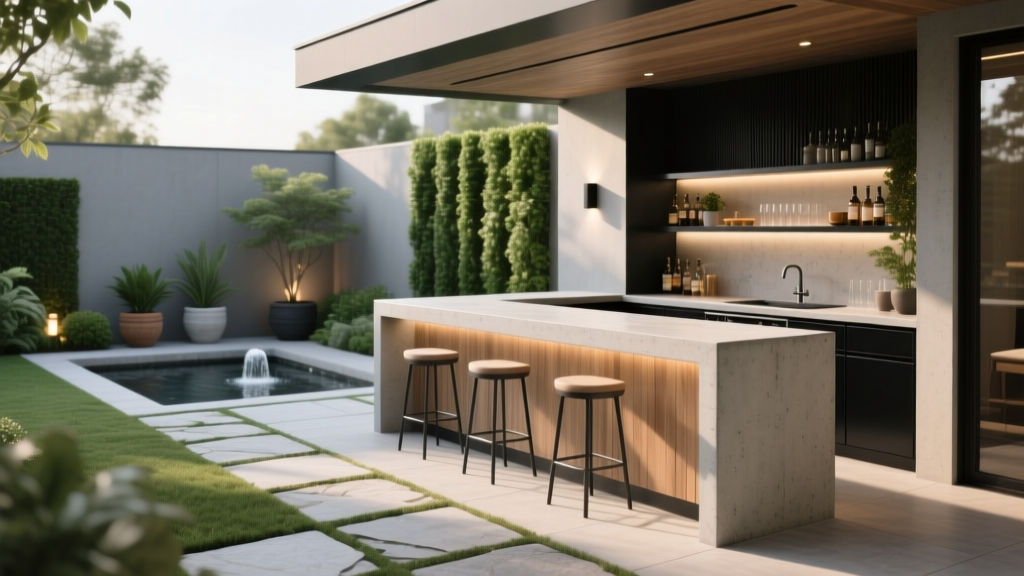
Outdoor Bar Counter Height Guidelines - The Decor Mag
An outdoor bar can turn a basic patio into a true destination—part entertaining hub, part everyday retreat. Whether you’re mixing summer cocktails, hosting game-day spreads, or setting up a cozy spot for morning coffee, bar counter height is one of those design details that quietly determines how comfortable (or awkward) your space feels.
Get the height right, and guests naturally gather, stools feel supportive, and the bar looks proportional to your outdoor kitchen, grill island, or pergola. Get it wrong, and you’ll notice it every time: hunched shoulders, knees hitting supports, drinks perched too close to the edge, and an outdoor living space that doesn’t flow.
This guide breaks down the best outdoor bar counter height guidelines—plus stools, overhangs, materials, layouts, plant pairings, and seasonal considerations—so your patio living area works beautifully year-round.
Standard Outdoor Bar Counter Heights (and When to Use Each)
Outdoor bar counters typically fall into three height categories. Your ideal choice depends on how you want to use the space (quick bites vs. long hangs), who will use it (kids, taller adults, aging-in-place), and how it connects to your outdoor kitchen layout.
1) Bar Height: 40–42 inches (Most Common for Outdoor Bars)
Best for: Socializing, entertaining, standing guests, and classic “bar” energy.
- Counter height: 40–42 in.
- Typical bar stool seat height: 28–30 in.
- Comfort gap (seat to counter): 10–12 in. (ideal range)
Bar height feels lively and keeps sightlines open over patio furniture and railings. It’s also forgiving when guests stand and mingle, which is common in outdoor living spaces.
2) Counter Height: 34–36 inches (Great for Dining + Prep)
Best for: Outdoor kitchen islands that double as prep space and casual dining.
- Counter height: 34–36 in.
- Typical stool seat height: 24–26 in. (counter stools)
- Comfort gap: 9–11 in.
If you want your patio bar to feel like an extension of an indoor kitchen island, counter height is a smart choice—especially if you’re serving meals more than mixing drinks.
3) Dining/Table Height: 28–30 inches (Relaxed, Family-Friendly)
Best for: Family patios, smaller yards, and spaces where you prefer chairs over stools.
- Surface height: 28–30 in.
- Chair seat height: 17–19 in.
This isn’t a “bar” in the traditional sense, but it’s a comfortable entertaining surface that works well near fire pits, pools, or garden patios where lounging takes priority.
Key Comfort Measurements: Overhang, Knee Room, and Spacing
Counter height is only part of the comfort equation. The most inviting outdoor bar designs nail the details below.
Recommended Bar Top Overhang (Seating Side)
- Minimum overhang: 10 in. (tight but workable)
- Comfortable overhang: 12 in. (most common recommendation)
- Extra-comfy for longer seating: 14–15 in. (great for relaxed patio living)
Tip: If your bar includes bulky supports (stone veneer, columns, corbels), you may need more overhang or careful stool placement so knees don’t collide with structure.
Legroom and Toe Kick Guidelines
- Knee clearance height: Aim for 9–12 in. from stool seat to underside of counter.
- Toe kick (if base cabinets are behind the bar): 3 in. deep x 3–4 in. high improves comfort.
Stool Spacing (So Guests Aren’t Elbow-to-Elbow)
- Allow 24 in. of linear counter width per stool (minimum for casual seating).
- Prefer 26–30 in. per stool for a more luxurious outdoor entertaining feel.
- Behind-stool clearance: 36 in. for pass-through; 44–48 in. if it’s a main walkway.
Choosing the Right Outdoor Bar Stools
Outdoor furniture choices can make or break the bar experience. Comfort, durability, and weather performance matter more outside than indoors.
Seat Height Cheat Sheet
- 42 in. bar top: 30 in. seat height
- 40 in. bar top: 29 in. seat height (or adjustable)
- 36 in. counter top: 24–26 in. seat height
Outdoor Stool Features Worth Paying For
- Footrest: Essential for comfort during longer hangs.
- Backrest (even low): Keeps the bar usable for dinners, not just drinks.
- Swivel: Great for conversation flow—especially around pools and open patios.
- Weight and stability: Windy climates benefit from heavier frames or wider bases.
Best Materials for Outdoor Bar Stools
- Powder-coated aluminum: Rust-resistant and lightweight; ideal for coastal and humid climates.
- Marine-grade stainless steel (304 or 316): Premium durability; 316 is best near salt air.
- All-weather wicker (HDPE resin): Softens the look; pair with quick-dry cushions.
- Teak: Naturally weather-resistant; expect silvery patina unless maintained with oil.
Cushion tip: Choose solution-dyed acrylic fabrics (like Sunbrella-style performance textiles) and quick-dry foam inserts for year-round patio living.
Outdoor Bar Counter Materials That Look Great and Last
Your bar top needs to handle UV, temperature swings, spills, and the occasional dropped tongs. Choose a surface that matches your outdoor kitchen and landscape design style.
Top Picks for Bar Countertops
- Concrete: Modern, customizable, and durable. Seal it well to resist staining.
- Porcelain slab: Highly UV-stable, stain-resistant, and sleek—excellent for sunny patios.
- Granite: Natural beauty and strong heat resistance; darker stones can get hot in direct sun.
- Quartzite: Often outperforms marble outdoors; great for upscale outdoor living spaces.
- Tile (porcelain preferred): Budget-friendly and design-flexible; choose tight grout lines and outdoor-rated grout/sealer.
Materials to Be Careful With Outdoors
- Quartz (engineered): Many quartz products can fade or discolor in UV exposure unless specifically rated for outdoors.
- Marble: Prone to etching and staining; requires diligent sealing and gentle cleaning.
Budget Ranges (Installed, Varies by Region)
- Budget: $60–$120/sq ft (tile, some concrete, simpler edges)
- Mid-range: $120–$200/sq ft (granite, upgraded concrete, some porcelain)
- Premium: $200–$350+/sq ft (porcelain slab installs, quartzite, complex fabrication)
Layout Guidelines: Making Your Patio Bar Feel Natural
Outdoor design works best when the bar fits into how people actually move through the yard. Think “flow” first, then features.
Popular Outdoor Bar Layouts
- Straight bar: Best for narrow patios or along a garden wall.
- L-shape: Creates a natural corner for serving and conversation.
- U-shape: Excellent for entertaining and multiple work zones; needs more square footage.
- Peninsula off a grill island: Keeps the cook connected to guests while maintaining prep space.
Design Proportions That Work
- Bar depth (top): 18–24 in. is typical. If you’re adding place settings, lean toward 24 in.
- Work aisle behind the bar (if there’s a cook zone): 42–48 in. is comfortable.
- Shade planning: If the bar faces west, prioritize pergolas, umbrellas, or shade sails for late-day sun.
Lighting for Year-Round Outdoor Living
- Under-counter LED strips: Adds ambience and safer footing.
- Pendant lighting (covered patios): Use outdoor-rated fixtures and warm color temps (2700–3000K).
- Path lights near bar approach: Prevents trips and subtly “guides” guests.
Planting Ideas: Soften the Bar and Tie It to the Landscape
The best patio living spaces blend hardscape and greenery. Plants can provide privacy, fragrance, and a more resort-like feel around your outdoor bar.
Great Plants for Privacy and Backdrops (Choose Based on Climate)
- Warm climates: Podocarpus, clumping bamboo (non-invasive types), bougainvillea on a trellis (sun-loving).
- Four-season regions: Arborvitae ‘Emerald Green’, boxwood hedges, switchgrass for movement and winter interest.
- Coastal zones: Pittosporum, rosemary hedges, ornamental grasses (salt-tolerant options).
Herbs Near the Bar (Practical and Beautiful)
- Rosemary: Drought-tolerant, fragrant, great for skewers and cocktails.
- Mint: Keep it in containers to prevent spreading.
- Thyme and oregano: Tough, low-growing, and happy in sunny planters.
- Lavender: Pollinator-friendly and elegant around patios.
Tip: Use large planters (18–24 in. diameter) to visually anchor bar corners and improve wind stability.
Climate & Maintenance Considerations
Outdoor bars live outside—so your design should respond to your weather, not fight it.
Hot/Sunny Climates
- Choose cooler-touch surfaces: Lighter granite, porcelain slab, or sealed concrete in light tones.
- Add shade: Pergola with slats, retractable canopy, or a cantilever umbrella positioned to cover stools.
- Prevent glare: Matte or honed finishes reduce harsh reflections.
Freeze-Thaw Regions
- Prioritize frost-rated materials: Porcelain tile/slabs and properly sealed concrete.
- Avoid water traps: Slightly pitch the countertop (subtle) so water doesn’t pool and freeze.
- Use flexible sealants: Outdoor-grade caulks at joints reduce cracking.
Coastal/Humid Environments
- Hardware matters: Use stainless steel fasteners (316 preferred) and rust-resistant frames.
- Rinse routine: Quick freshwater rinse weekly helps remove salt residue.
- Mold-resistant fabrics: Solution-dyed acrylics and quick-dry foam reduce mildew issues.
Maintenance Rhythm (Simple and Realistic)
- Weekly: Wipe surfaces, shake out crumbs, rinse salt/dust buildup.
- Monthly: Check grout/sealant lines; tighten stool hardware.
- Seasonally: Deep clean countertop; re-seal if needed (concrete and some stones).
Common Outdoor Bar Counter Height Mistakes to Avoid
- Choosing stools before finalizing counter height: Always verify the 10–12 in. comfort gap.
- Not planning enough overhang: Less than 10 in. often feels cramped.
- Forgetting walkway clearance: Crowded aisles make outdoor kitchens frustrating during parties.
- Oversizing the bar: A massive island can overwhelm a small patio and reduce usable lounge space.
- Picking indoor-only materials: UV and moisture ruin many interior finishes outdoors.
- Ignoring sun angles: West-facing bars without shade can become unusable in summer afternoons.
Quick Planning Checklist (Print-This-in-Your-Head Edition)
- Decide: bar height (40–42 in.) or counter height (34–36 in.)
- Confirm stool seat height to keep 10–12 in. between seat and counter
- Plan 12 in. overhang (more if you want extra comfort)
- Allow 24–30 in. of counter width per stool
- Keep 36–48 in. clearance behind stools depending on traffic
- Choose outdoor-rated materials, sealants, and fabrics
- Add shade + lighting for true year-round patio living
FAQ: Outdoor Bar Counter Height Guidelines
What is the standard outdoor bar counter height?
The most common outdoor bar counter height is 40–42 inches. Pair it with 28–30 inch bar stools for a comfortable seating gap.
How much overhang do I need for bar seating?
Aim for 12 inches of overhang on the seating side. You can go up to 14–15 inches for extra comfort, especially if guests will sit for long meals.
Is counter height better than bar height for an outdoor kitchen?
Counter height (34–36 inches) is often better if you want the surface to function as both prep space and casual dining. Bar height is better if your priority is mingling and cocktail-style entertaining.
How do I make an outdoor bar comfortable for kids and adults?
Consider a two-tier design (prep counter at 36 in., raised bar at 42 in.), or choose counter height and add sturdy counter stools. Another option is one adjustable-height stool at the end for flexibility.
What countertop material holds up best outdoors?
Porcelain slab is one of the most durable, UV-stable options. Granite, quartzite, and properly sealed concrete are also excellent choices for outdoor living spaces.
Should I cover my outdoor bar in winter or rainy seasons?
If you live in a region with heavy rain, snow, or freeze-thaw cycles, covering helps extend the life of stools and keeps surfaces cleaner. Use breathable covers to reduce trapped moisture and mildew.
Next Steps: Turn Measurements into a Bar You’ll Actually Use
Start by measuring your patio or deck and deciding how you want to host—cocktail-style gatherings, family dinners, or a mix of both. From there, choose your height (bar or counter), lock in stool sizing, and build your layout around clear walkways, shade, and durable outdoor-rated materials. Add a few aromatic herbs nearby, layer in warm lighting, and your outdoor bar becomes a year-round feature—not just a summertime novelty.
For more patio design tips, outdoor kitchen inspiration, and landscape design ideas that elevate everyday living, explore more guides on thedecormag.com.
More Articles
 Outdoor Living Performance: 7 Costly Mistakes That Sabotage Durability, Comfort, and Value
 Best Outdoor Loveseat Options - The Decor Mag
 Turn Your Tired Porch into a $100 Summer Oasis (DIY Guide)
 How to Create a Bird Friendly Garden - The Decor Mag
 Outdoor Kitchen Storage Cabinet Guide - The Decor Mag
 How to Choose the Best Patio Furniture Set - The Decor Mag
 Outdoor Kitchen Countertop Materials - The Decor Mag
 Outdoor Bar Top Material Comparison - The Decor Mag
 Outdoor Living Project Checklist: A Practical, Step-by-Step Workflow for Landscape Professionals
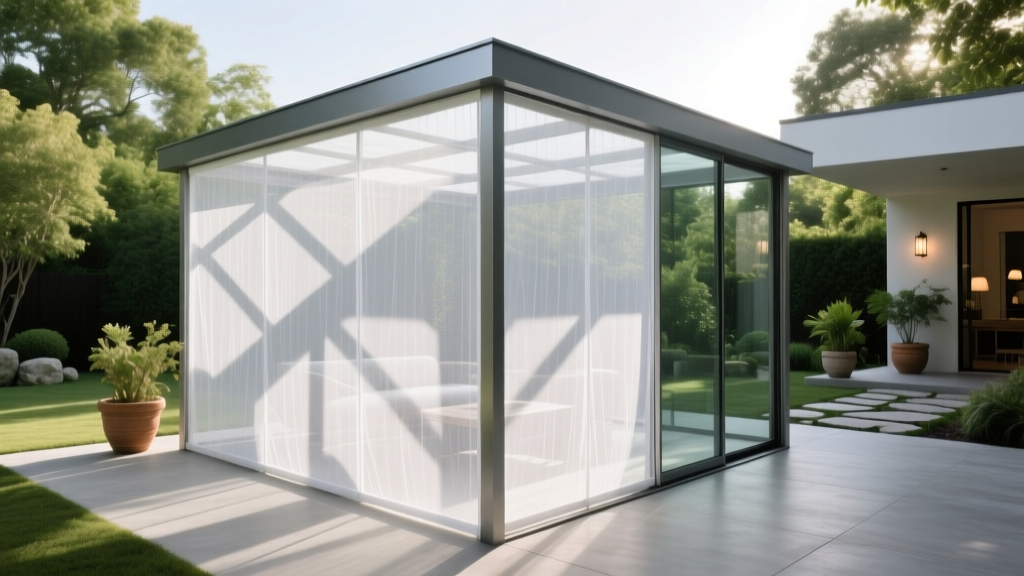 Outdoor Pavilion Insect Screen Options - The Decor Mag