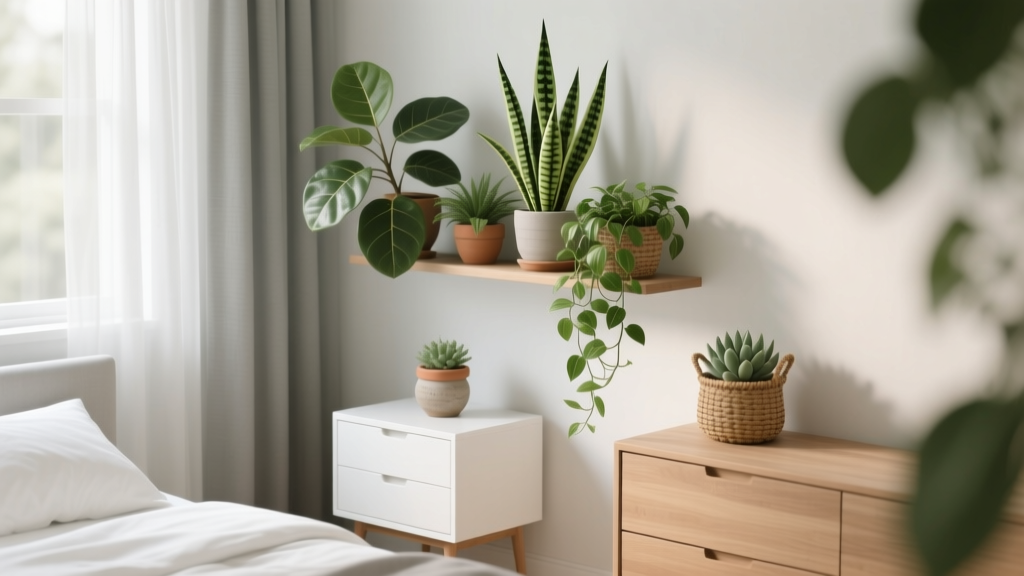
How to Incorporate Plants in Bedroom Decor - The Decor Mag
A bedroom should feel like an exhale—quiet, restorative, and gently supportive of sleep. The way your space looks and functions directly affects your sleep environment: clutter can raise stress, harsh lighting can delay melatonin release, and overly stimulating decor can make it harder to wind down. Thoughtful bedroom design, on the other hand, helps your mind associate the room with calm and rest.
Plants fit beautifully into this picture. They soften hard edges, add natural texture, and create a lived-in warmth that many bedrooms lack. While houseplants aren’t a magical cure for insomnia, they can improve how your bedroom feels—more grounded, less sterile—so your nightly routine becomes easier to keep. The key is incorporating greenery in a way that supports relaxation: right plant, right placement, and a layout that stays airy and low-maintenance.
Why Plants Belong in a Sleep-Friendly Bedroom
A calmer visual field
Natural shapes and greens tend to read as soothing and familiar. In bedroom decor, plants can reduce the “empty corners” effect and create gentle focal points—without the visual intensity of bold art or bright accessories.
Better bedroom design through texture and layering
If your bedroom feels flat, it’s usually missing layers: textile variety, warm lighting, and organic elements. Plants add:
- Soft contrast against hard furniture lines
- Texture through leaves, bark, and natural pots
- Color balance in neutral or monochrome palettes
A supportive bedtime routine
Taking two minutes to check soil moisture or mist a plant can become part of a calming pre-sleep ritual—similar to dimming lights or straightening bedding. Simple routines signal to your brain that sleep is coming.
Choose the Right Plants for Bedroom Decor (Low-Stress, High Impact)
The best bedroom plants are easy, tidy, and forgiving. For renters and homeowners alike, low-maintenance options prevent “plant guilt” and keep your sleep sanctuary from turning into a chore.
Top sleep-friendly, low-maintenance plant picks
- Snake plant (Sansevieria): Upright, architectural, tolerates low light, minimal watering.
- ZZ plant: Glossy leaves, thrives on neglect, great for darker bedrooms.
- Pothos: Trailing vine for shelves or high ledges; easy to prune and propagate.
- Heartleaf philodendron: Similar to pothos, slightly more delicate look, very forgiving.
- Peace lily: Softens a room with elegant leaves; likes consistent moisture (best if you enjoy routine care).
- Spider plant: Classic, pet-friendlier than many options (still best to keep out of reach).
Realistic note on air quality
You may have heard that plants “purify the air.” Plants can contribute to a fresher-feeling room, but a true improvement in indoor air quality typically comes from ventilation, cleaning habits, and managing humidity. For a better sleep environment, pair plants with practical basics: frequent bedding washes, dust control, and breathable materials.
Pet and allergy considerations
If you share your bedroom with pets or have sensitivities, choose cautiously:
- Pet safety: Many common plants (like peace lily and pothos) can be toxic if chewed. Use hanging planters or tall stands, or select safer varieties and confirm toxicity with a trusted source.
- Allergies: Avoid flowering plants with strong fragrance in the bedroom. Focus on foliage plants and keep leaves dust-free with a gentle wipe.
Where to Place Plants in the Bedroom (Layout That Supports Sleep)
Placement is where bedroom decor meets sleep wellness. The goal is to add greenery without blocking pathways, crowding surfaces you use nightly, or collecting dust in hard-to-clean corners.
1) Bedside table styling (the calmest approach)
A small plant on a nightstand can act like a soft visual anchor—especially when paired with warm lighting and a tidy surface.
- Best plant types: Small snake plant, mini ZZ, pothos in a compact pot.
- Pot size: 4–6 inches typically looks proportional.
- Tip: Keep at least half of your nightstand free for essentials (lamp, book, water). A crowded nightstand can feel mentally “busy” at bedtime.
2) Corner statement plant (adds height without clutter)
If your bedroom has a bare corner, a taller plant creates structure and makes the room feel intentionally designed.
- Best plant types: Snake plant, dracaena, or a full pothos on a tall stand.
- Placement tip: Keep it away from HVAC vents to prevent dry leaf tips and extra dust circulation.
3) Dresser or console greenery (balanced and practical)
A medium plant on a dresser brings life to a wall and looks polished, especially with a mirror above.
- Best plant types: Peace lily, philodendron, spider plant.
- Styling tip: Pair with a catch-all tray to reduce visual clutter and keep the surface easy to wipe clean.
4) Hanging planters (ideal for small bedrooms and renters)
When floor space is tight, go vertical. Hanging greenery adds softness without crowding your layout.
- Best plant types: Pothos, philodendron, string-style trailing plants (if you have adequate light).
- Hardware tip for renters: Use ceiling hooks only if allowed; otherwise try tension rods near a window, wall-mounted brackets with removable anchors, or a freestanding plant ladder shelf.
5) Window zone placement (works with natural light, helps routine)
Grouping plants near a window keeps care simple and reduces the chance you’ll overwater in a dark corner.
- Best approach: Create a “plant station” on a shallow bench, slim console, or sturdy sill extender.
- Sleep-friendly note: Keep window-area styling minimal if streetlights are an issue—use blackout curtains and position plants so you can fully close them.
Pair Plants with Sleep-Supportive Bedroom Decor Elements
Plants work best when the rest of your bedroom design is aligned with rest: calming color, comfortable bedding, gentle lighting, and a layout that feels effortless.
Furniture recommendations (what supports plants and sleep)
- Nightstands with drawers: Hide clutter to keep the visual field calm; top stays clean for a small plant and lamp.
- Plant stands (12–30 inches tall): Elevate greenery without taking up dresser space; look for sturdy metal or sealed wood.
- Slim console/bench under a window: Doubles as a plant ledge and a place to set tomorrow’s outfit, reducing bedtime chaos.
- Floating shelves (used sparingly): Choose one or two shelves only; too many can feel busy and collect dust.
Bedding that complements greenery (materials and palettes)
Plants look especially restful with natural textures and breathable bedding—also a win for sleep temperature regulation.
- Materials: Cotton percale (cool, crisp), linen (breathable, relaxed texture), or bamboo-derived viscose blends (soft, moisture-wicking—choose reputable brands).
- Colors: Soft white, oatmeal, warm gray, sage, muted clay, dusty blue. Greens read best when the rest of the palette is quiet.
- Styling tip: Add one textured throw (waffle knit or linen) and two pillow shams—then stop. Over-layering can become clutter visually and physically.
Lighting that flatters plants and protects sleep
Lighting affects both mood and circadian rhythm. For a bedroom sleep environment, prioritize warm, dimmable light at night.
- Bulbs: Warm white (around 2700K) for bedside lamps.
- Dimmers: Plug-in dimmers for lamps are renter-friendly and inexpensive.
- Plant-friendly option: If your room is very dark, use a small grow light on a timer earlier in the day (not late evening). Choose a subtle, warm-leaning full-spectrum style and position it away from direct line of sight from the bed.
Color and pot choices (how to keep it cohesive)
To make plants feel integrated rather than random, repeat materials and tones.
- Pot materials: Matte ceramic, terracotta, seagrass baskets with liners, concrete-look composite.
- Design rule: Pick 2–3 pot finishes and repeat them throughout the room for a calm, curated look.
- Drainage: Always prioritize drainage holes and saucers to protect floors, nightstands, and rugs.
Budget Ranges: What to Spend (and Where It Matters)
You can incorporate plants into bedroom decor at nearly any budget. The best strategy is to invest in the pieces that prevent mess: good pots, saucers, and a stand that won’t wobble.
Budget-friendly ($20–$75)
- 1–2 small plants (4–6 inch pots) and simple ceramic or terracotta pots
- Basic saucers, microfiber cloth for leaf dusting
- One warm bulb upgrade for a bedside lamp
Mid-range ($75–$200)
- One medium statement plant plus a sturdy plant stand
- Matching pot set (2–3 coordinated finishes)
- Plug-in dimmer or a second bedside lamp for balanced light
Investment ($200–$500+)
- Taller statement plant(s) in premium planters
- Window bench/console to create a clean plant zone
- Quality blackout curtains plus breathable bedding refresh to support sleep quality
Sleep-Friendly Wellness Tips When Decorating with Plants
- Keep the air comfortable: Aim for a moderate humidity level. If you use a humidifier for dryness, clean it regularly so your bedroom air stays fresh.
- Avoid strong scents at night: Skip heavily fragrant flowers. If you enjoy aromatherapy, use gentle, low-dose options earlier in the evening and keep your sleep space from smelling overpowering.
- Create a “clear path” layout: Ensure a safe walkway from bed to door/bathroom. Tripping hazards are the opposite of relaxing.
- Dust routine: Wipe leaves weekly and vacuum nearby surfaces. Less dust supports easier breathing and a cleaner sleep environment.
- Water earlier in the day: Nighttime watering can raise humidity and invite fungus gnats. Morning or afternoon care keeps the bedroom feeling crisp at bedtime.
Common Mistakes to Avoid
- Overcrowding the room: Too many plants can feel visually noisy and collect dust. For most bedrooms, 1–3 well-placed plants looks intentional and serene.
- Ignoring drainage: Pots without drainage holes often lead to root rot and water damage on wood furniture. Use a saucer, liner, or a nursery pot inside a decorative cachepot.
- Choosing high-maintenance plants: If you travel or forget watering, skip fussy varieties. A stressed, shedding plant is not calming bedroom decor.
- Placing plants too close to your pillow: Leaves brushing your face or dropping debris onto bedding can irritate sensitive sleepers. Keep plants slightly offset from the bed.
- Using harsh grow lights at night: Bright or blue-leaning light in the evening can interfere with wind-down. If you need supplemental light, schedule it for daytime.
- Letting plant accessories create clutter: Soil bags, fertilizer, and tools should live elsewhere. Store plant supplies in a lidded bin in a closet or utility area.
A Simple, Calming Plant Plan for Any Bedroom
If you want a clear starting point, use this straightforward setup that works in most bedroom layouts:
- Pick one anchor plant: A medium snake plant or ZZ plant in a matte ceramic pot.
- Choose one trailing plant: Pothos on a dresser or shelf to soften straight lines.
- Add one optional bedside mini: Only if your nightstand stays tidy and your lamp placement still feels functional.
- Match pot finishes: Keep to two tones (for example: terracotta + cream, or matte black + stone).
- Set your maintenance rhythm: Weekly leaf wipe, water check every 7–14 days (adjust based on light and season).
FAQ: Plants and Bedroom Decor
Do plants improve sleep quality?
Plants can support sleep indirectly by making your bedroom decor feel calmer and more inviting, which helps consistency with bedtime routines. Sleep quality is most strongly influenced by light, temperature, noise, and comfort—so pair plants with warm lighting, breathable bedding, and clutter control for the best results.
How many plants should I have in my bedroom?
For a restful, uncluttered sleep environment, most bedrooms look and feel best with 1 to 3 plants. If your room is large and bright, you can add more, but keep surfaces clear and pathways open.
What are the easiest bedroom plants for low light?
Snake plants and ZZ plants are top choices for low-light bedrooms. Pothos and heartleaf philodendron also do well in moderate indirect light and are easy to trim.
Are plants safe to keep in a bedroom with pets?
Some popular houseplants can be toxic if chewed. If pets sleep in your room, choose pet-safer options when possible, or place plants high on shelves/hangers and remove any fallen leaves promptly.
What pots work best for bedrooms (to prevent mess)?
Look for pots with drainage holes and a proper saucer. Matte ceramic is stable and quiet-looking, terracotta is breathable, and lined baskets add softness—just make sure there’s a waterproof inner liner.
Can I use artificial plants instead?
Yes—high-quality faux plants can still provide a calming green presence in bedroom decor, especially for very dark rooms or frequent travelers. Choose realistic materials, keep them dusted, and avoid overly shiny leaves that can look visually loud.
Next Steps: Bring Greenery Into Your Bedroom, Gently
Start small: choose one easy plant, give it a stable spot with good drainage, and build around it with sleep-friendly bedroom design essentials—warm lighting, breathable bedding, and a clutter-free layout. Within a week, you’ll feel the shift: a bedroom that looks softer, feels more grounded, and better supports rest.
For more calming bedroom decor ideas, sleep environment upgrades, and renter-friendly design inspiration, explore the latest guides on thedecormag.com.
More Articles
 Bedroom Fluted Headboard Panel Design - The Decor Mag
 Bedroom Fluted Panel Wardrobe Design - The Decor Mag
 Scandinavian Bedroom Design Essentials - The Decor Mag
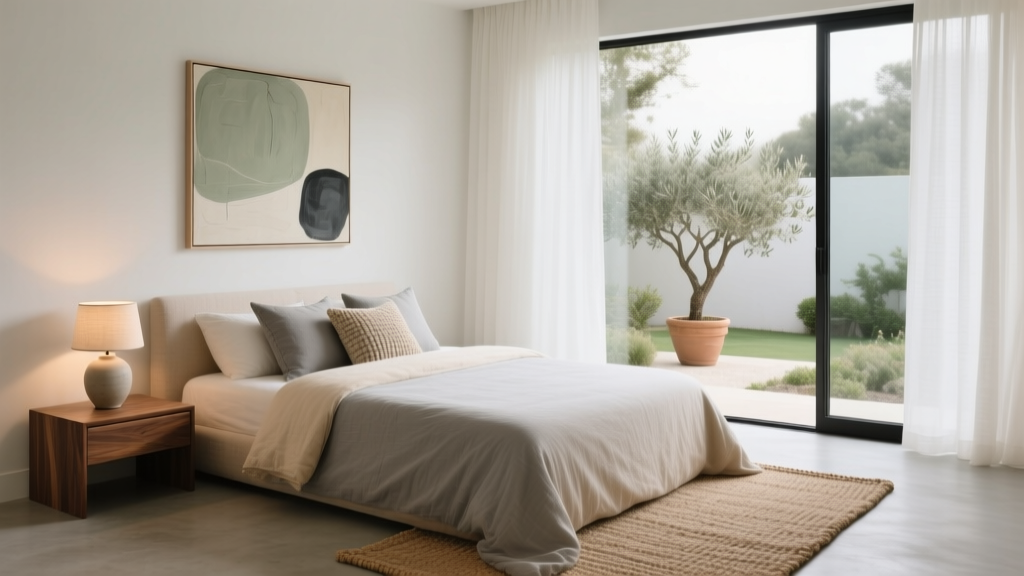 How to Create a Calming Bedroom Retreat - The Decor Mag
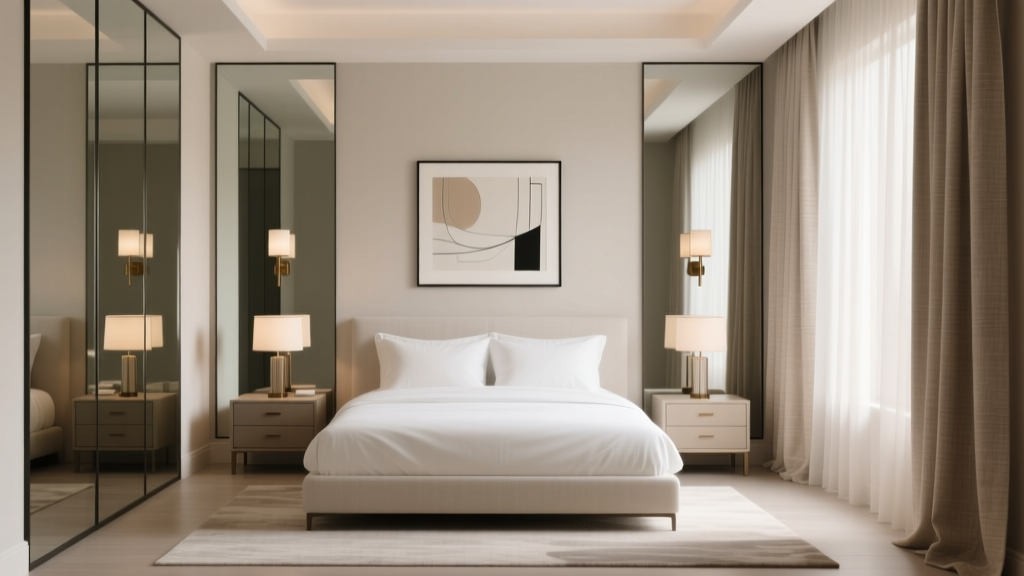 How to Create Symmetry in Bedroom Design - The Decor Mag
 Beyond the Accent Lamp: 7 Thoughtful, Functional Bedside Alternatives for Modern Bedrooms
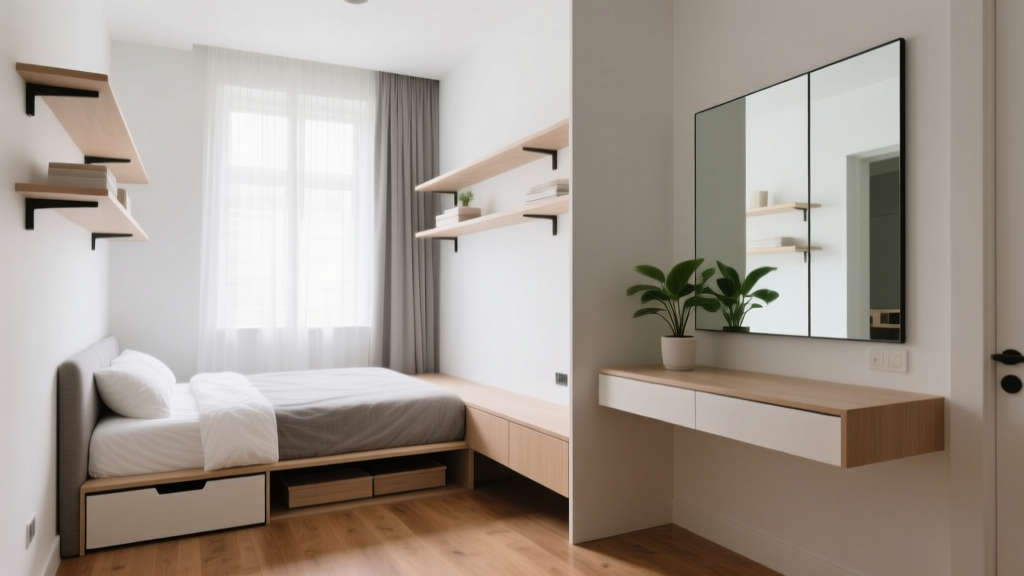 Small Bedroom Layout Hacks for Apartments (2026)
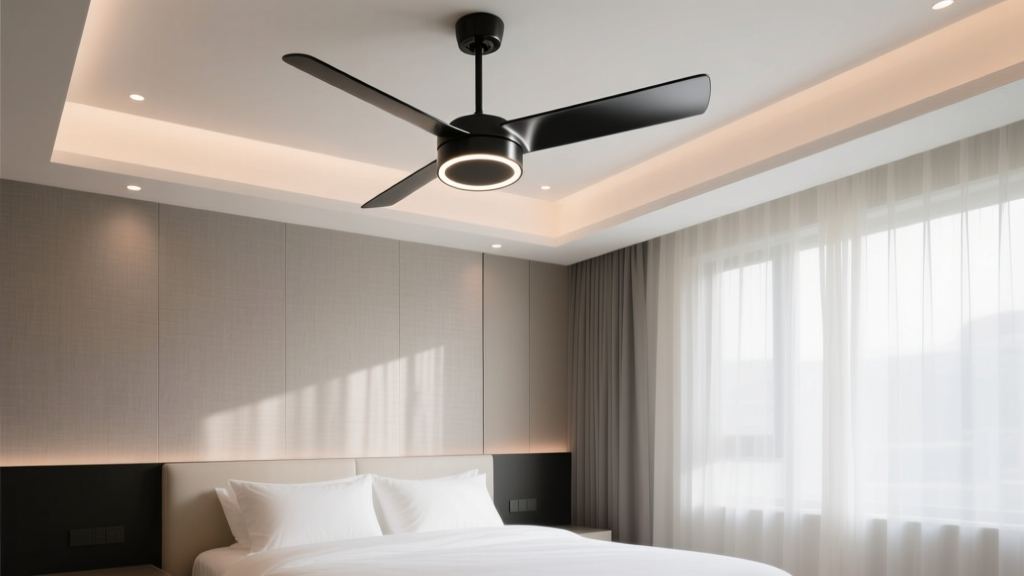 Best Bedroom Ceiling Fan Options - The Decor Mag
 Best Bedroom Lamp Styles for Nightstands - The Decor Mag
 Bedroom Reeded Wood Mirror Frame - The Decor Mag