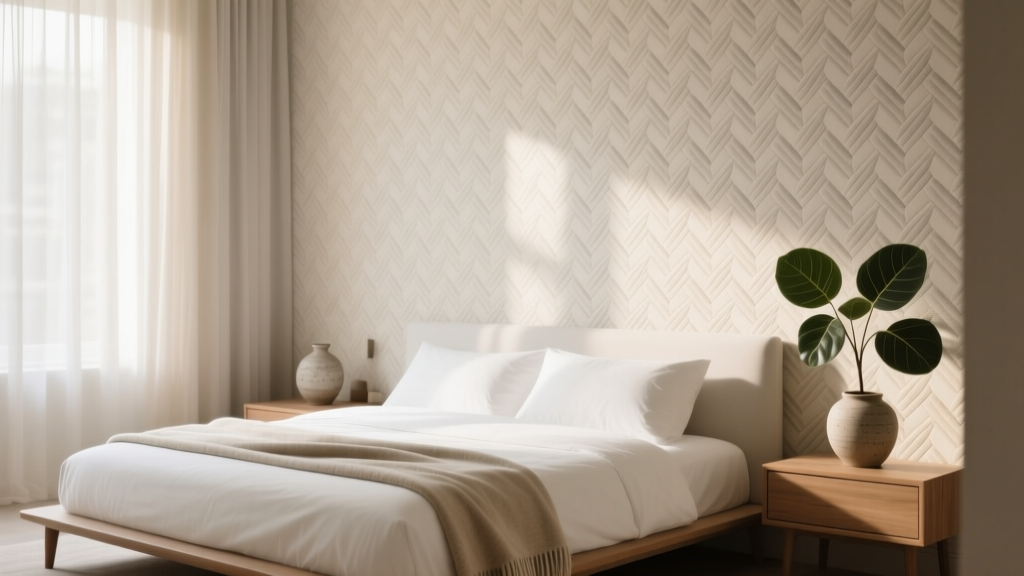
Bedroom Textured Wallpaper Ideas - The Decor Mag
A bedroom that supports deep rest rarely happens by accident. The colors you see at night, the surfaces your eyes land on when you wake, and even the subtle shadow play across a wall can influence how quickly your nervous system settles. Textured wallpaper is one of the most practical design tools for creating that calm—because it adds warmth and dimension without demanding visual noise.
Unlike bold patterns that can feel energizing, the right textured wallcovering works more like a soft backdrop. It absorbs and diffuses light, reduces the “flat” feeling of bare drywall, and can make a room feel cocooned—an environment your body associates with safety, comfort, and sleep. For renters, there are peel-and-stick options that remove cleanly; for homeowners, higher-end materials can elevate both the look and the acoustic comfort of the space.
Below are bedroom textured wallpaper ideas that balance style with sleep wellness, along with furniture, bedding, lighting, and layout recommendations to help you build a soothing sleep environment from the wall outward.
Why Textured Wallpaper Works for a Sleep-Friendly Bedroom
Texture affects a room in ways you can feel even when you’re not consciously thinking about it. In bedroom design, this matters because the brain reads harsh contrast and clutter as stimulation. Texture, when chosen thoughtfully, adds depth while staying quiet.
- Visual softness: Grasscloth, linen-look, plaster-effect, and subtle raised patterns create gentle shadowing that feels calmer than high-contrast prints.
- Perceived warmth: Textures mimic natural materials (woven fibers, clay, limewash), making a bedroom feel less sterile—especially in newer builds and rentals.
- Better light behavior: Matte textures reduce glare from lamps and morning sun, supporting a more relaxed wind-down environment.
- Potential acoustic benefits: Heavier wallcoverings and layered materials can slightly dampen echo in rooms with hard floors (not a replacement for insulation, but a helpful layer).
Choosing the Right Texture: Materials That Look Good and Sleep Better
1) Grasscloth and Faux Grasscloth
Grasscloth wallpaper adds organic warmth and subtle variation—ideal for a serene bedroom. Traditional grasscloth is made from natural fibers (jute, sisal, seagrass) and tends to be more delicate. Faux grasscloth (often vinyl) is easier to clean and more durable.
- Best for: Calm, spa-like bedrooms; Scandinavian or coastal styles
- Sleep-friendly color picks: Sand, oat, warm gray, misty blue-gray
- Care: Natural grasscloth is not scrub-friendly; faux versions wipe clean
- Budget range: $40–$120 per roll (faux); $120–$300+ per roll (natural), plus installation
2) Linen-Look and Woven Textiles (Vinyl or Non-Woven)
Linen-look wallpaper gives you that relaxed, breathable feel without the maintenance of fabric. Look for low-sheen, finely textured options to keep the mood quiet.
- Best for: Minimalist bedrooms, modern classic interiors, renters wanting a safe choice
- Sleep-friendly tip: Choose a matte finish to avoid lamp glare near the bed
- Budget range: $30–$90 per roll; peel-and-stick versions often $40–$100 per roll
3) Plaster, Limewash, and Concrete-Effect Wallpaper
These mimic the depth of hand-troweled walls—moody but still restful when the colors are soft. The key is avoiding high-contrast marbling or very dark, glossy versions that can feel heavy.
- Best for: Contemporary bedrooms, Japandi, warm modern styles
- Colors that support relaxation: Clay-beige, mushroom taupe, fog gray, muted sage
- Budget range: $35–$140 per roll (brand and realism vary)
4) Embossed Patterns (Subtle Damask, Geometric, or Strié)
Embossed wallpaper offers tactile depth. For a sleep environment, keep the pattern scale small to medium and the contrast low—think “whisper” rather than “statement.”
- Best for: Traditional and transitional bedrooms, small rooms needing dimension
- Lighting tip: Add a soft wall sconce or picture light to graze the texture gently
- Budget range: $25–$100 per roll; premium designer lines $150+
5) Cork and Wood-Veneer Looks (Real or Faux)
Cork-inspired textures read warm and grounded—excellent for a bedroom that needs to feel more “nest-like.” Real cork wallcoverings can also help soften sound slightly.
- Best for: Earthy, nature-inspired bedroom decor; mid-century modern spaces
- Sleep-friendly pairing: Warm white bedding and amber bedside lighting
- Budget range: $80–$250+ per roll/panel depending on material
Where to Use Textured Wallpaper: Placement Ideas That Feel Restful
Create a Calm Focal Point Behind the Headboard
The wall behind the bed is the most popular location for textured wallpaper—and for good reason. It anchors the room and keeps visual energy centered. Choose a texture that complements your bedding rather than competing with it.
- Best textures here: Linen-look, faux grasscloth, plaster-effect
- Layout tip: Center the wallpapered section to the bed and nightstands; asymmetry can feel subtly unsettling in a sleep space
Wrap the Room for a Cocoon Effect (Great for Small Bedrooms)
If you’re using a light, low-contrast texture, wrapping all four walls can make a small bedroom feel cohesive and calm—like a quiet envelope.
- Best textures here: Linen-look, soft plaster-effect, micro-embossed patterns
- Color tip: Stay in the same undertone family as your ceiling paint for a seamless look
Use Texture on the Ceiling for a Boutique-Hotel Feel
A textured ceiling can be surprisingly soothing when it’s subtle. If you lie in bed and look up at a warm, matte texture, the room feels finished and gentle.
- Best textures here: Linen-look, very subtle plaster-effect
- Avoid: Highly reflective finishes and busy patterns that draw attention at night
Nook and Alcove Accents (Renters, This One’s For You)
Peel-and-stick textured wallpaper works well in an alcove behind a dresser, reading corner, or vanity area—bringing depth without a full commitment.
- Best textures here: Faux grasscloth, embossed geometrics
- Practical tip: Keep the sleep zone visually quieter than the “getting ready” zone to protect wind-down cues
Color Palettes That Pair Beautifully with Texture (and Support Sleep)
For a sleep-friendly bedroom design, aim for low to medium contrast and muted tones. These help signal “rest” rather than “activity.”
- Warm neutrals: Cream, oatmeal, mushroom, soft taupe (excellent with grasscloth or linen textures)
- Muted greens: Sage, olive-gray, eucalyptus (pairs with plaster-effect and cork looks)
- Dusty blues: Blue-gray, slate-blue, mist (works well with woven textures)
- Soft blush and clay: Terracotta-beige, muted rose, warm putty (adds warmth without feeling loud)
Wellness tip: If you struggle with insomnia or anxiety, avoid high-saturation reds and bright, crisp whites in large doses. Crisp white can feel sterile at night; saturated reds can feel activating.
Coordinating Furniture, Bedding, and Lighting with Textured Wallpaper
Furniture Recommendations
- Headboard: Upholstered (bouclé, linen, cotton) for softness, or light wood for warmth. Budget: $150–$800; premium: $1,000+.
- Nightstands: Choose closed storage (drawers) to reduce visual clutter. Budget: $80–$300 each; solid wood: $350–$900 each.
- Dresser placement: Keep large, reflective surfaces (mirrors, glossy dressers) angled away from the bed if they create glare from lamps or morning sun.
Bedding That Complements Texture
- Sheets: Cotton percale (crisp and cool) or cotton sateen (smooth and slightly warmer). Budget: $60–$200.
- Duvet/comforter: Choose a solid or heathered tone that echoes the wallpaper undertone. Budget: $120–$350.
- Layering: Add one tactile piece—waffle blanket, knit throw, or quilt—to echo the wall texture without overdoing it.
- Pillows: Keep patterns minimal if your wallpaper has visible texture; prioritize restful materials like cotton, linen, and wool blends.
Lighting: The Secret to Making Texture Look Luxurious (Not Busy)
Textured wallpaper looks best under warm, dimmable light. Cool bulbs can make texture feel harsh or “dirty.”
- Bulb temperature: 2700K for most bedrooms; 2200K–2400K for an extra cozy, candlelit feel
- Dimmers: Add plug-in dimmers for lamps (renters) or wall dimmers (homeowners)
- Bedside lighting: Use two matching lamps or sconces for symmetry and calm
- Budget range: Quality bedside lamps $50–$200 each; hardwired sconces $80–$300 each, plus installation
Renters vs. Homeowners: What to Buy and What to Skip
Best Options for Renters
- Peel-and-stick textured wallpaper: Look for “removable,” “renter-friendly,” and “matte” finishes.
- Test first: Apply a sample on the wall for 48–72 hours to confirm clean removal.
- Target budget: $150–$400 to cover a typical accent wall (varies by brand and wall size).
Best Options for Homeowners
- Paste-the-wall non-woven wallpaper: Easier to install and remove than traditional paper.
- Natural grasscloth or premium embossed: Higher-end depth and a tailored finish for primary bedrooms.
- Target budget: $300–$1,200+ for materials; installation often adds $300–$1,000+ depending on region and wall condition.
Sleep-Friendly Considerations: Wellness Tips Beyond Style
- Reduce nighttime stimulation: Choose low-contrast textures; avoid shiny metallic inks near the bed.
- Support circadian rhythms: Pair textured walls with warm evening lighting and darker window treatments for better melatonin signaling.
- Keep the air clean: Opt for low-VOC adhesives where possible; allow time to ventilate after installation.
- Sound comfort: If your room echoes, add a rug, lined curtains, and upholstered headboard to soften acoustics alongside textured wallpaper.
Common Mistakes to Avoid
- Choosing texture with too much contrast: Bold, high-contrast textures can feel visually “loud,” making it harder to unwind.
- Forgetting lighting temperature: Cool 4000K–5000K bulbs can flatten or exaggerate texture in an unflattering way.
- Over-texturing the room: If you have textured wallpaper, keep other surfaces calmer (simple bedding, minimal pattern mixing).
- Skipping samples: Texture and undertones change dramatically from day to night. Always view a sample in morning light and lamplight.
- Applying peel-and-stick to poorly prepped walls: Dusty, matte-chalk paint and uneven patches can cause lifting. Clean and lightly smooth first.
- Ignoring scale: Large embossed patterns can overpower a small bedroom—especially when you see it from the bed at close range.
FAQ: Bedroom Textured Wallpaper
What is the best textured wallpaper for a relaxing bedroom?
Linen-look, faux grasscloth, and soft plaster-effect wallpapers are consistently calming. They add dimension without strong patterns, making them ideal for a sleep-friendly bedroom.
Is textured wallpaper hard to clean?
It depends on the material. Vinyl and faux grasscloth are usually wipeable with a damp cloth. Natural grasscloth is more delicate and best kept away from high-touch areas.
Can textured wallpaper make a small bedroom feel smaller?
Dark or high-contrast textures can visually close in a room. Light, low-contrast textures (oatmeal, warm gray, mist) often make a small bedroom feel cozier without shrinking it.
Is peel-and-stick textured wallpaper really removable?
Many are, but wall paint quality matters. Test a sample first and avoid applying to freshly painted walls (wait at least a few weeks). Slow removal at a low angle is typically safest.
Should I wallpaper one wall or all four walls?
An accent wall behind the headboard is the easiest, most sleep-friendly approach. If your texture is subtle and your palette is light, all four walls can create a calm, cocoon-like effect.
What bedding colors work best with textured wallpaper?
Solid or gently heathered neutrals are the safest: warm white, sand, taupe, fog gray. If you want color, try muted sage or dusty blue to maintain a restful bedroom environment.
Next Steps: A Simple Plan to Get the Look
- Pick your placement: Start with the wall behind the bed for maximum impact and minimum fuss.
- Order samples: View them in daylight and with your evening lamps on.
- Choose a sleep-friendly palette: Muted neutrals, dusty blues, or soft greens keep the bedroom calm.
- Match the lighting: Swap to warm 2700K bulbs and add dimmers to soften texture at night.
- Layer thoughtfully: Let the wallpaper be the texture star; keep bedding and decor simple, tactile, and uncluttered.
If you’re ready to keep refining your sleep-friendly bedroom design—from calming color palettes to lighting and layout upgrades—explore more bedroom ideas on thedecormag.com.
More Articles
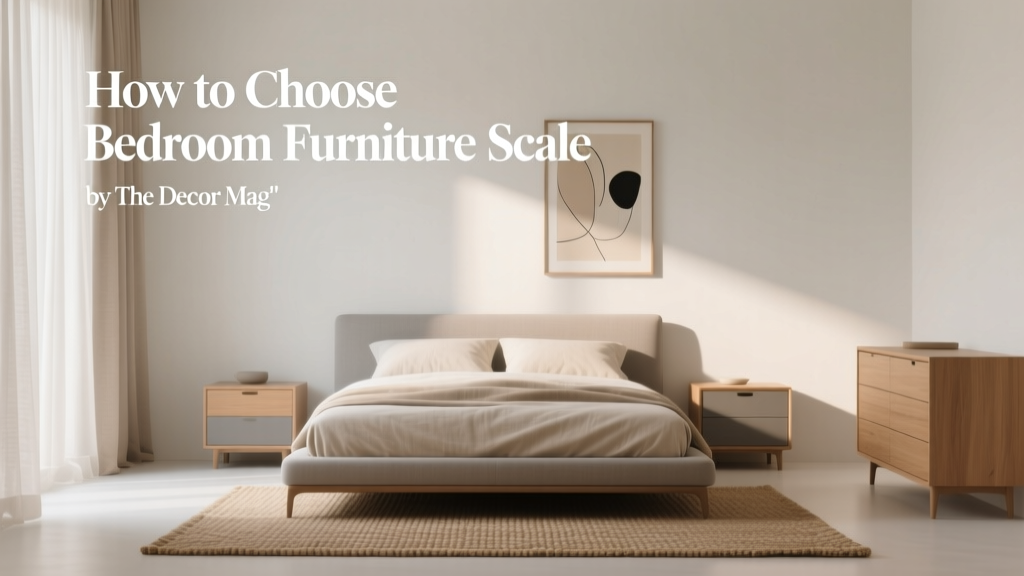 How to Choose Bedroom Furniture Scale - The Decor Mag
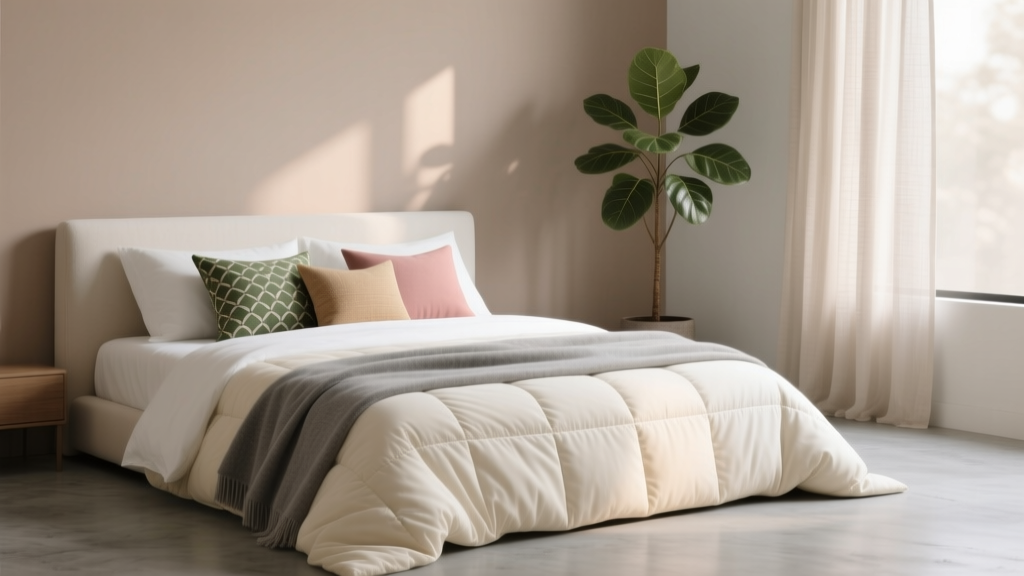 How to Layer Bedding Like a Designer - The Decor Mag
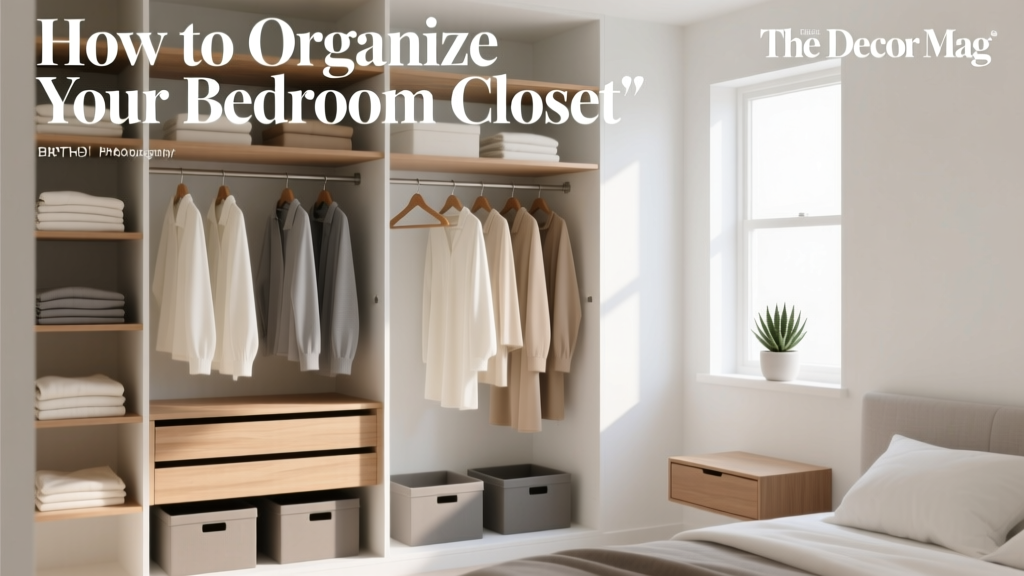 How to Organize Your Bedroom Closet - The Decor Mag
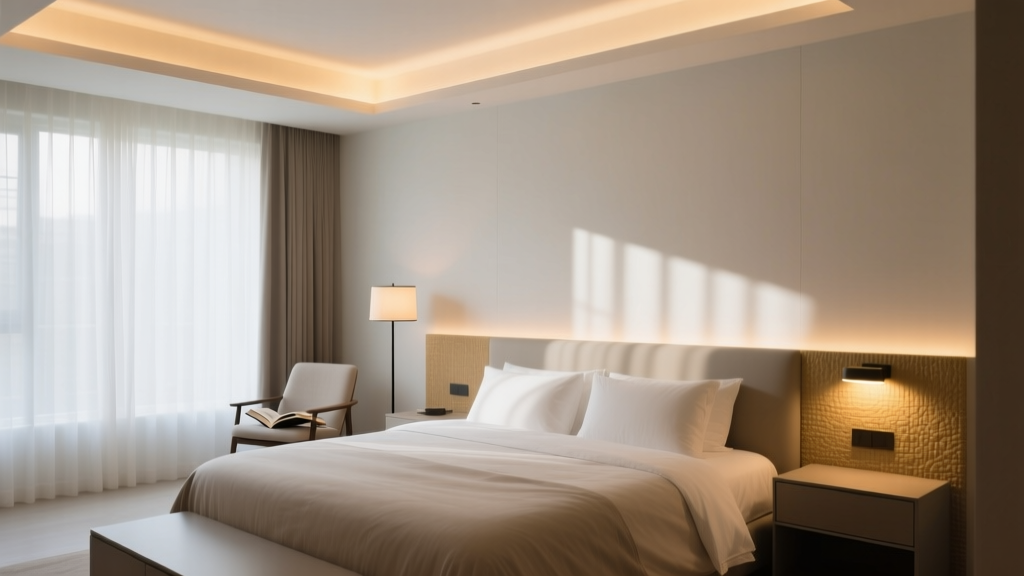 How to Layer Bedroom Lighting - The Decor Mag
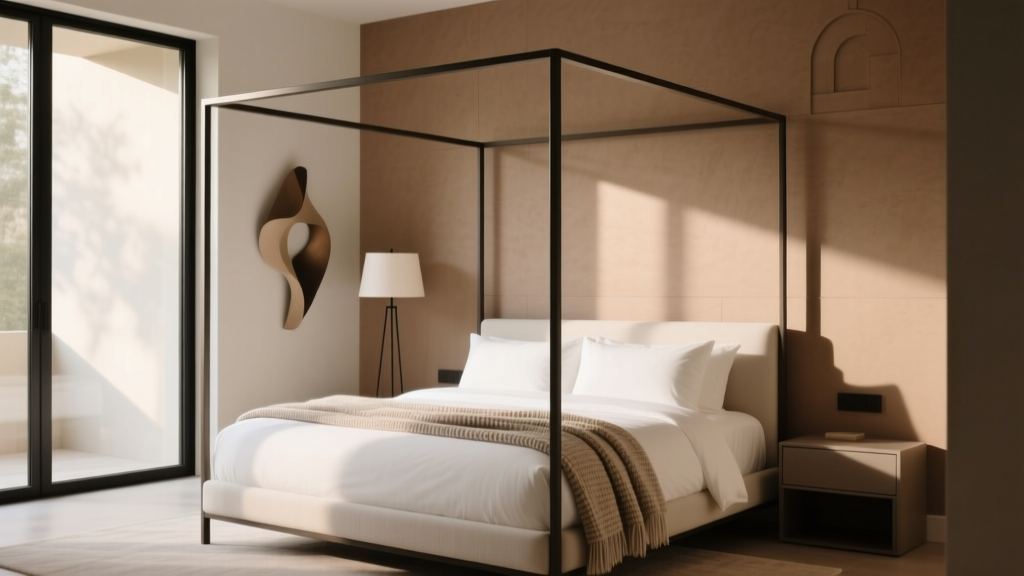 Bedroom Four Poster Bed Styling - The Decor Mag
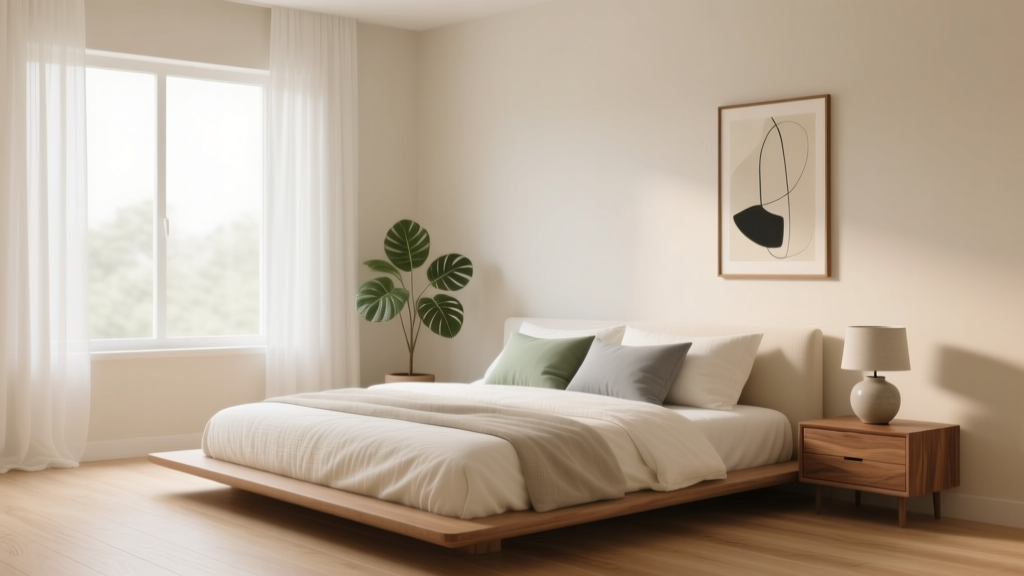 How to Create a Bedroom That Promotes Rest - The Decor Mag
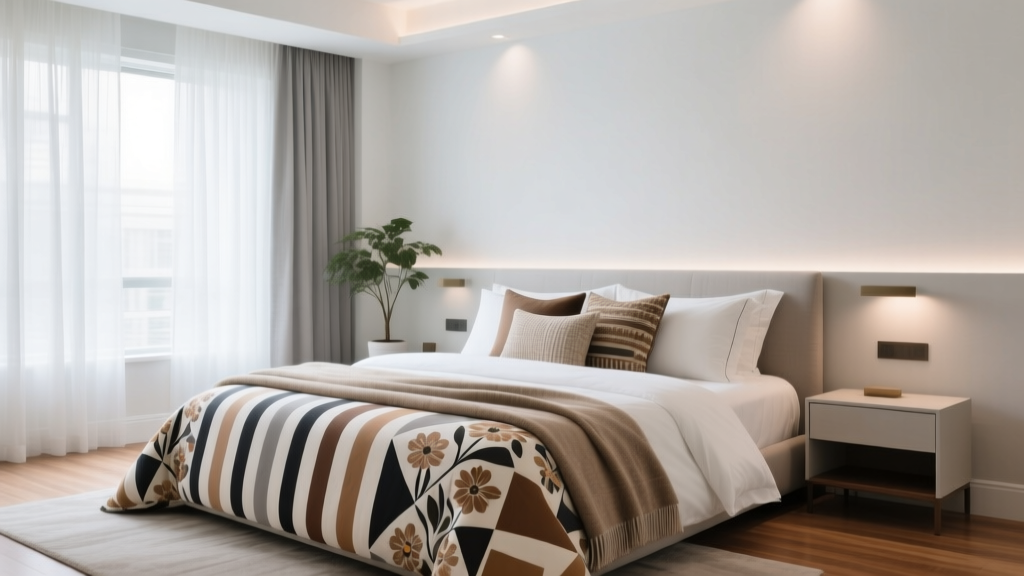 How to Mix Patterns on Your Bed - The Decor Mag
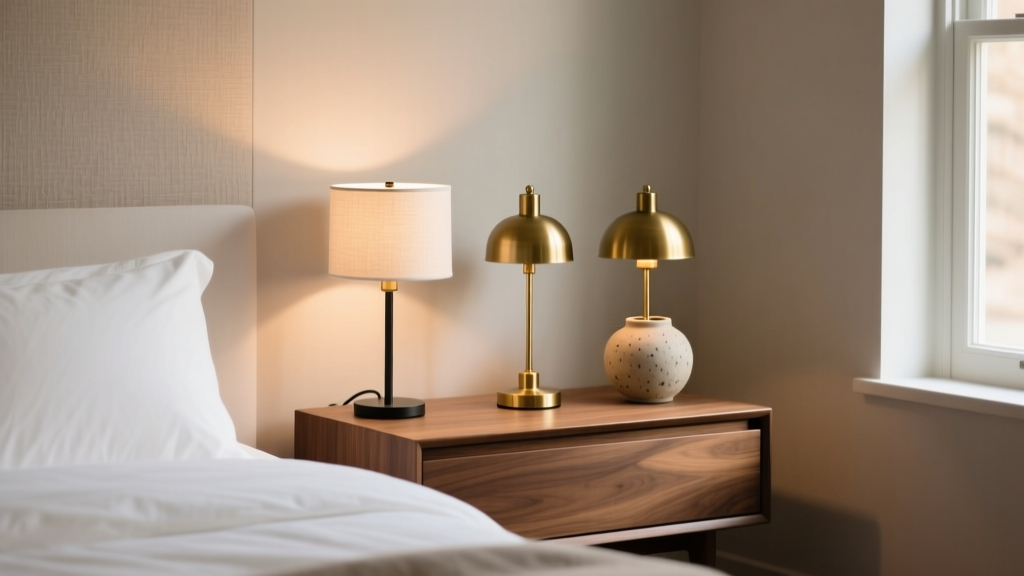 Best Bedroom Lamp Styles for Nightstands - The Decor Mag
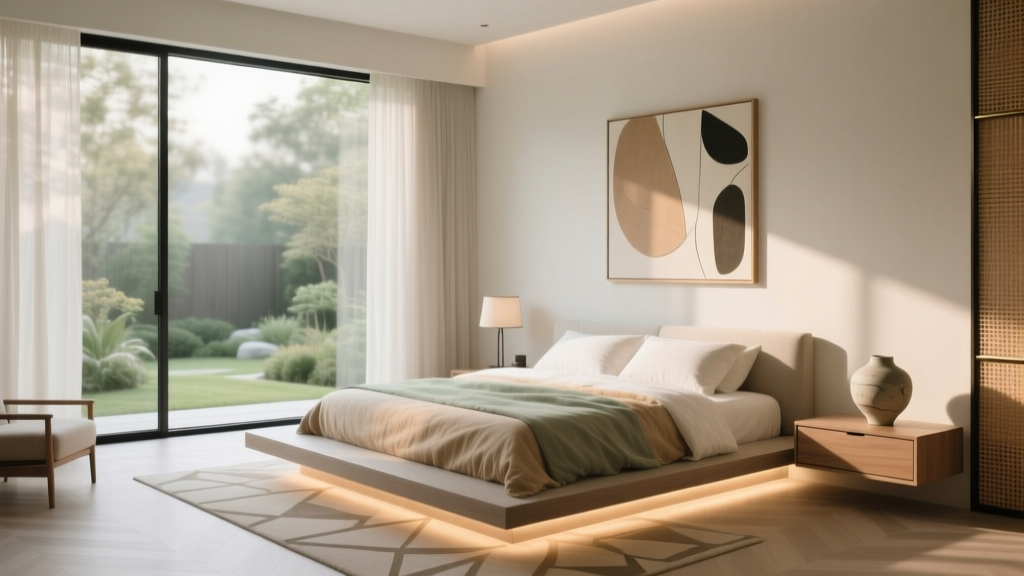 Modern Bedroom Design Ideas for 2026 - The Decor Mag
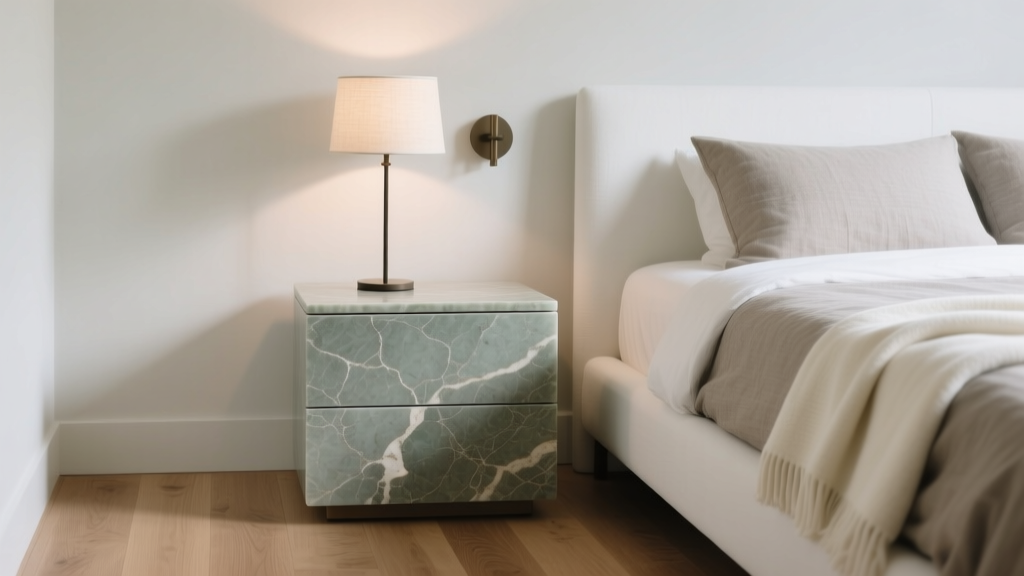 Bedroom Natural Stone Nightstand Top - The Decor Mag