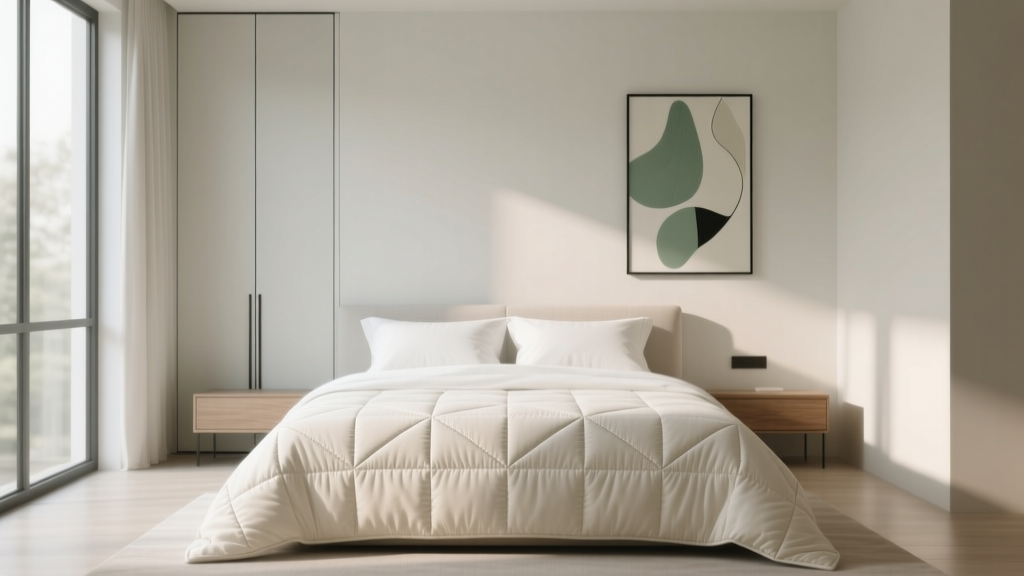
How to Choose Bedroom Quilt Style - The Decor Mag
A quilt does more than finish a bed. It sets the mood of the room, influences how warm or cool you feel at night, and quietly shapes your bedtime routine. When your bedroom quilt style matches your sleep needs and your decor, the room feels calmer and more intentional—exactly the kind of environment that supports deeper rest.
In a well-designed sleep environment, comfort and visuals work together. A quilt that’s too heavy can leave you overheating and restless; a quilt that’s too light can lead to midnight wake-ups from feeling chilly. Add in color, texture, and scale, and your quilt becomes one of the most powerful (and easiest) bedroom design upgrades you can make—whether you own your home or rent a studio apartment.
This guide walks through quilt styles, materials, and practical bedroom design tips so you can choose a quilt that looks beautiful, feels right, and supports better sleep quality.
Start With Sleep: Warmth, Weight, and Your Bedroom Temperature
Before choosing patterns or colors, decide what your body needs for comfortable sleep. The best-looking quilt won’t help if it makes you too hot, too cold, or constantly tugging at your bedding.
Match the quilt weight to your sleep style
- Hot sleepers / warm climates: Look for lightweight quilts (often called “summer quilts”) with breathable materials like cotton percale, linen-cotton blends, or bamboo viscose. Avoid very dense stitching and heavy polyester fills.
- Cold sleepers / drafty rooms: Choose a midweight to heavyweight quilt or a quilted coverlet layered with a duvet. Materials like cotton with a higher GSM, wool batting, or cotton-linen with denser quilting can help.
- Couples with different temperature needs: Consider two twin quilts on one bed (a Scandinavian-style approach) or a breathable quilt plus separate throws for the colder sleeper.
Think in layers (the easiest path to better sleep)
Layering gives you control and reduces night sweats or chills.
- Base: Breathable sheets (cotton percale for coolness; cotton sateen for a softer, slightly warmer feel)
- Middle: Your quilt (primary style statement)
- Optional top: Duvet or blanket for winter, folded at the foot of the bed for a styled look
Understand Bedroom Quilt Styles (and What They Communicate)
Quilts come in distinct styles that subtly change the atmosphere of a bedroom. Choose a style that complements your existing bedroom decor and the mood you want at night.
Classic patchwork quilts
Patchwork quilts feel warm, homey, and personal. They work beautifully in cottage, farmhouse, vintage, and eclectic bedrooms.
- Best for: Adding visual interest to neutral rooms; creating a cozy, collected look
- Design tip: If the patchwork is busy, keep sheets and pillows simple (solid or very subtle stripe).
Modern minimalist quilts
Minimal quilts often feature solid colors, large-scale geometric quilting, and clean edges. They’re ideal for contemporary spaces and sleep-focused bedrooms because they reduce visual noise.
- Best for: Small bedrooms, modern decor, calm “hotel-like” bedrooms
- Design tip: Choose texture over pattern—matte cotton, washed linen, or stitched channels add depth without overstimulation.
Matelassé and coverlet-style quilts
Matelassé (a woven, quilted-look fabric) and coverlets are sleek, structured, and great for layering. They create a tailored bed that still feels soft.
- Best for: Transitional decor, guest rooms, primary bedrooms aiming for polished simplicity
- Sleep-friendly perk: Often lighter and breathable, making them ideal for temperature regulation.
Kantha and hand-stitched quilts
Kantha quilts and other hand-stitched styles bring artisanal texture and global character. They can feel grounding and soulful—especially in neutral, nature-inspired bedrooms.
- Best for: Boho, earthy, global, and layered bedrooms
- Design tip: Pair with natural materials nearby (wood nightstands, linen curtains, woven baskets).
Whole-cloth quilts and tonal stitching
These are single-fabric quilts with stitching patterns as the main design element. They look serene and refined, and they work across many bedroom aesthetics.
- Best for: Calm, spa-like bedrooms and minimal color palettes
- Design tip: Choose a slightly darker quilt than your sheets to add contrast without harshness.
Choose the Right Quilt Material for Comfort and Longevity
Material affects breathability, skin feel, maintenance, and how the quilt drapes over the bed. For a healthier sleep environment, prioritize breathable fibers and low-odor, low-chemical finishes when possible.
Top materials for a sleep-friendly bedroom
- 100% cotton: Breathable, easy to wash, widely available. Great for most sleepers.
- Cotton percale quilt: Crisp, cool, and especially helpful if you overheat at night.
- Linen or linen-cotton blend: Airy, temperature-regulating, relaxed texture. Softens over time.
- Bamboo viscose / lyocell (TENCEL™): Smooth and cooling; good for sensitive skin. Check for quality stitching and reputable sourcing.
- Wool batting (inside the quilt): Excellent temperature regulation for colder rooms; tends to stay fresh longer. Usually higher cost.
Materials to approach carefully
- Polyester-heavy quilts: Can trap heat and moisture, especially for hot sleepers. Some are fine for decorative layering, but test for breathability.
- Very plush microfiber: Soft and budget-friendly, but may increase overheating and static.
Healthy bedroom tip: consider certifications
If you’re sensitive to smell or want a cleaner sleep environment, look for product descriptions mentioning OEKO-TEX® Standard 100, GOTS (organic textiles), or low-VOC dyes. These won’t guarantee perfection, but they’re useful filters when comparing options.
Color and Pattern: How Quilt Style Shapes Bedroom Mood
Your quilt is usually the largest visual element in the bedroom. Color psychology isn’t magic, but it’s real in practice: softer, lower-contrast choices tend to feel more restful, while high-contrast patterns can feel energizing.
Calming color directions for better sleep
- Warm neutrals: Ivory, oatmeal, sand, mushroom—cozy and timeless
- Soft cool tones: Misty blue, sage green, dusty lavender—quiet and soothing
- Earth tones: Clay, terracotta, olive—grounding without being loud
- Deep, sleep-cocoon shades: Charcoal, navy, forest—best balanced with lighter sheets to avoid a heavy look
Pattern scale: a practical way to avoid visual clutter
- Small bedrooms: Choose solids, subtle quilting, or small-scale patterns to keep the room feeling open.
- Large bedrooms: You can handle bolder patterns or patchwork; anchor it with solid pillows or a neutral rug.
- If your headboard/wallpaper is busy: Keep the quilt quiet (whole-cloth or tonal stitch).
Fit and Styling: Making a Quilt Look Right on Your Bed
A quilt that fits well makes the whole room feel more polished. Too small and it looks skimpy; too large and it can puddle and collect dust, especially in tight spaces.
Choose the right size and drop
- For a clean, modern look: A quilt that covers the top and just grazes the sides (short drop). Works well with tailored beds and minimal decor.
- For a cozy, relaxed look: A longer drop that reaches closer to the floor. Helpful if you want to hide under-bed storage.
- For tall mattresses: Consider sizing up (e.g., use a King quilt on a Queen bed) for better coverage.
Simple styling formulas that always work
- Hotel calm: Solid quilt + crisp sheets + two sleeping pillows + two shams + one lumbar pillow.
- Layered comfort: Neutral quilt + textured throw (knit or wool blend) folded at the foot + 1–2 accent cushions.
- Pattern done right: Patterned quilt + solid sheets + solid or lightly textured curtains to balance the room.
Bedroom Design Pairings: Furniture, Lighting, and Layout Tips
Your quilt will feel more intentional when the rest of the bedroom supports the same mood. A cohesive bedroom design also improves sleep quality by reducing clutter and harsh lighting.
Furniture choices that complement quilt-focused beds
- Nightstands: If your quilt is detailed or colorful, choose simple nightstands (light wood, matte black, or white). If the quilt is minimal, a nightstand with texture (rattan, fluted wood) adds warmth.
- Headboards: Upholstered headboards pair well with whole-cloth and modern quilts for a quiet, cushioned feel. Wood headboards suit patchwork, Kantha, and natural textiles.
- Rugs: A low-pile rug under the bed reduces echo and adds softness underfoot—especially helpful for a calmer sleep environment.
Sleep-friendly lighting to flatter your quilt
- Bedside lamps with warm bulbs: Aim for 2700K–3000K for a relaxing glow.
- Dimmer switches: One of the best upgrades for nighttime wind-down.
- Avoid harsh overhead lighting at night: It can make even a beautiful quilt look flat and can disrupt your sense of calm.
Layout tip for better rest
Keep the bed as visually “anchored” as possible: headboard against a solid wall, clear walking paths, and minimal items on the floor. A quilt with a steady, centered pattern reinforces that sense of order.
Budget Ranges and What to Expect
You can find a great bedroom quilt at many price points. Here’s what typically changes as you spend more: fiber quality, stitching density, finishing, and longevity.
- $40–$90: Budget quilts and coverlets (often cotton blends or microfiber). Best for guest rooms, rentals, or seasonal swaps. Look for tighter stitching and washable fabric.
- $90–$200: Solid midrange—many 100% cotton quilts live here. Good balance of comfort, durability, and design options.
- $200–$450: Premium cotton, linen blends, matelassé, and better construction. Often softer hand-feel, richer colors, and stronger seams.
- $450+: Artisanal quilts, hand-stitched Kantha, heirloom-quality patchwork, wool batting, and designer textiles.
Common Mistakes to Avoid When Choosing a Quilt
- Buying for looks only: If you wake up sweaty or chilled, the style won’t matter. Always consider breathability and weight.
- Ignoring your room’s color temperature: A cool gray quilt can look stark in a warm beige room. Match undertones (warm with warm, cool with cool) for a calmer feel.
- Over-patterning: Quilt + sheets + curtains + rug all competing creates visual stress. Let one element lead.
- Choosing the wrong size: Too short looks unfinished; too long can drag and collect dust. Measure mattress height and decide your preferred drop.
- Skipping care instructions: If it can’t be washed easily, it may not suit everyday use—especially for kids, pets, or allergy-prone sleepers.
- Not considering texture: A quilt can be calming through touch as much as color. If you dislike scratchy fabric, avoid stiff linen or rough weaves unless they’re pre-washed and softened.
FAQ: Choosing the Best Bedroom Quilt Style
What’s the difference between a quilt, a coverlet, and a duvet?
A quilt is typically three layers (top, batting, backing) stitched together. A coverlet is usually lighter and thinner—great for layering. A duvet is a removable cover around an insert and tends to be warmer, making it popular for winter or cold sleepers.
Should my quilt match my curtains and rug?
Matching isn’t necessary and can feel dated. Aim for coordination: repeat one color family (warm neutrals, soft blues, earthy greens) and vary texture. A calm bedroom decor scheme usually looks best with a quilt that harmonizes rather than perfectly matches.
What quilt material is best for hot sleepers?
Look for cotton percale, linen, or lyocell with lightweight batting. Avoid heavy polyester fills and very dense quilting if you tend to overheat.
Is it okay to use a quilt as the main blanket year-round?
Yes—many people do. For four-season comfort, choose a midweight cotton quilt and add a breathable blanket or duvet on colder nights. This setup supports temperature regulation and often improves sleep quality.
How do I make a patterned quilt look calm?
Use solid sheets and pillowcases, keep the wall color simple, and choose lighting with a warm glow. If the quilt has multiple colors, pull just one of the quieter tones into accessories (a throw pillow or curtain) for a grounded, restful look.
What’s the easiest way to refresh a bedroom on a budget?
Swap the quilt and add one coordinating element: a pair of pillow shams, a simple throw, or warmer bedside lighting (2700K bulbs). A new quilt style can quickly change the entire sleep environment without replacing furniture.
Next Steps: Choose a Quilt That Supports Your Best Rest
Pick your quilt style the same way you’d build a calming bedroom: start with comfort, then refine the look. Decide your ideal warmth level, choose breathable materials, and select a color palette that makes your shoulders drop the moment you walk in. From there, style with simple layers, warm lighting, and clutter-free nightstands to create a bedroom designed for rest.
If you’re ready for more ideas—bedding layers, bedroom color palettes, small-space layouts, and sleep-friendly decor—explore more bedroom inspiration on thedecormag.com.
More Articles
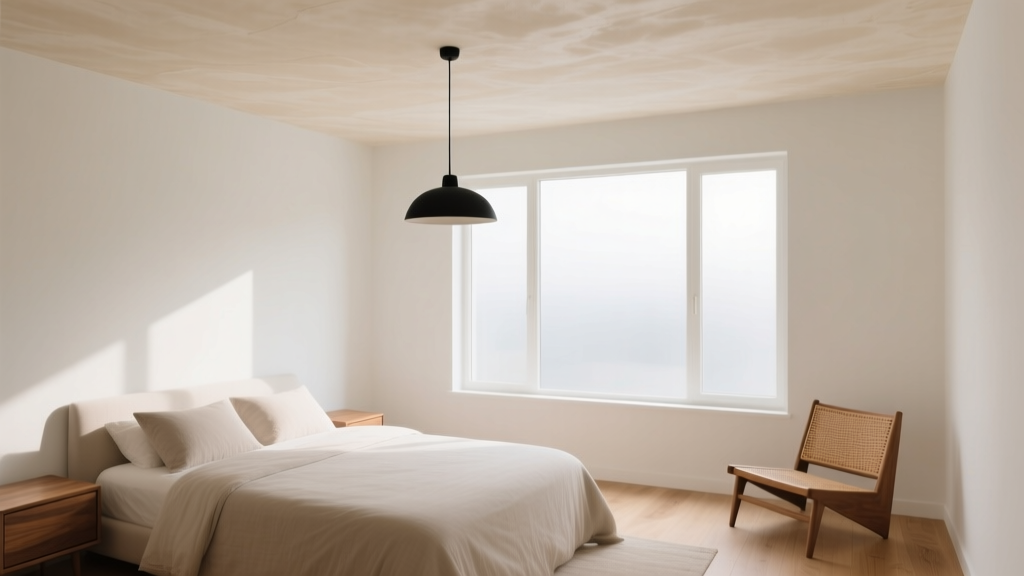 Bedroom Limewash Ceiling Treatment Idea - The Decor Mag
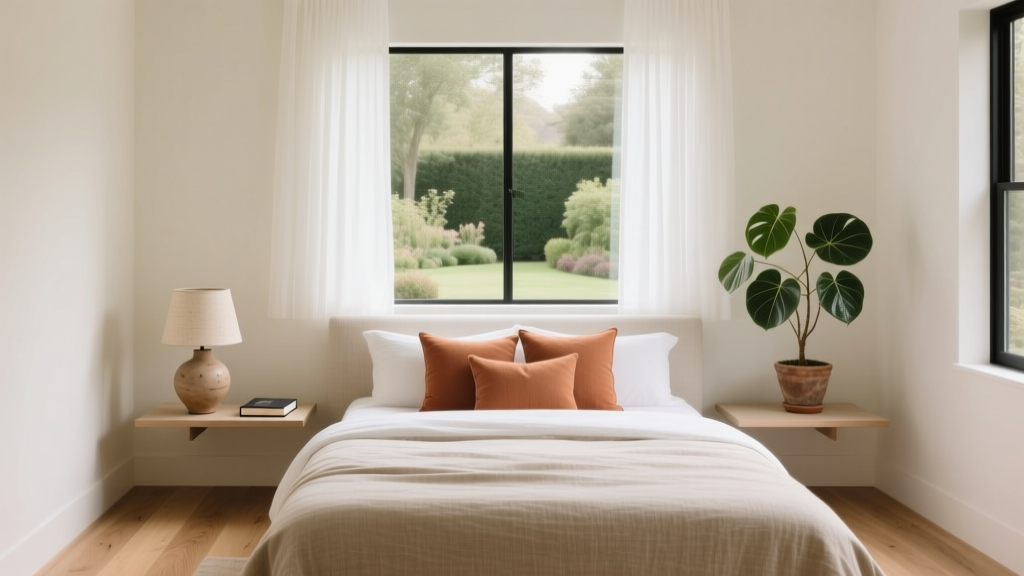 Bedroom Styling with Intentional Design | The Decor Mag
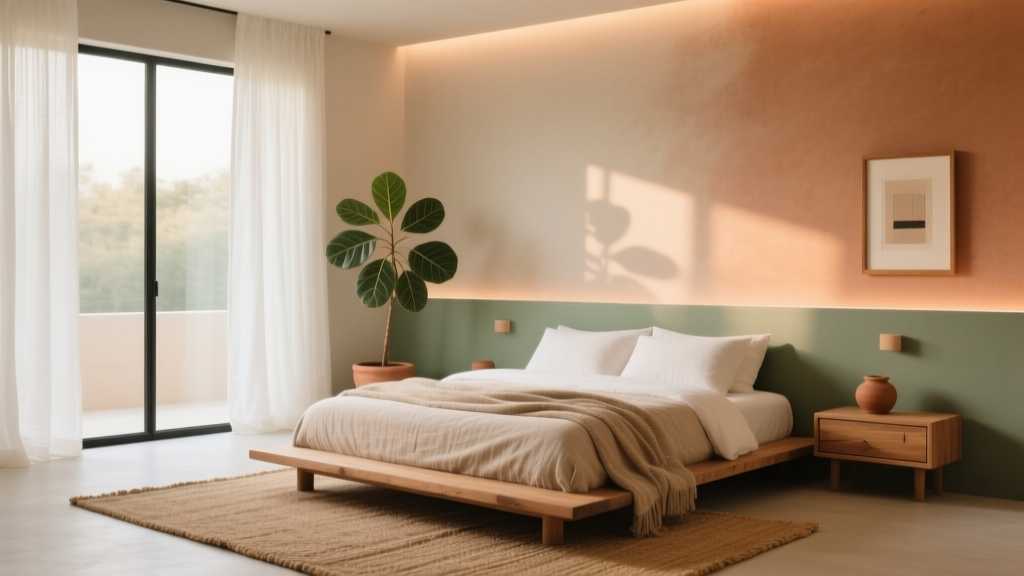 How to Style a Bedroom with Earth Tones - The Decor Mag
 Bedroom Reeded Wood Nightstand Trend - The Decor Mag
 Bedroom Warm Limewash Bedroom Walls - The Decor Mag
 Best Bedroom Aromatherapy Diffuser Blend - The Decor Mag
 Best Bedroom Sleep Eye Mask Collection - The Decor Mag
 Best Bedroom Mirror Placement Ideas - The Decor Mag
 Bedroom Warm Plaster Nightstand Finish - The Decor Mag
 How to Create a Bedroom for Better Sleep - The Decor Mag