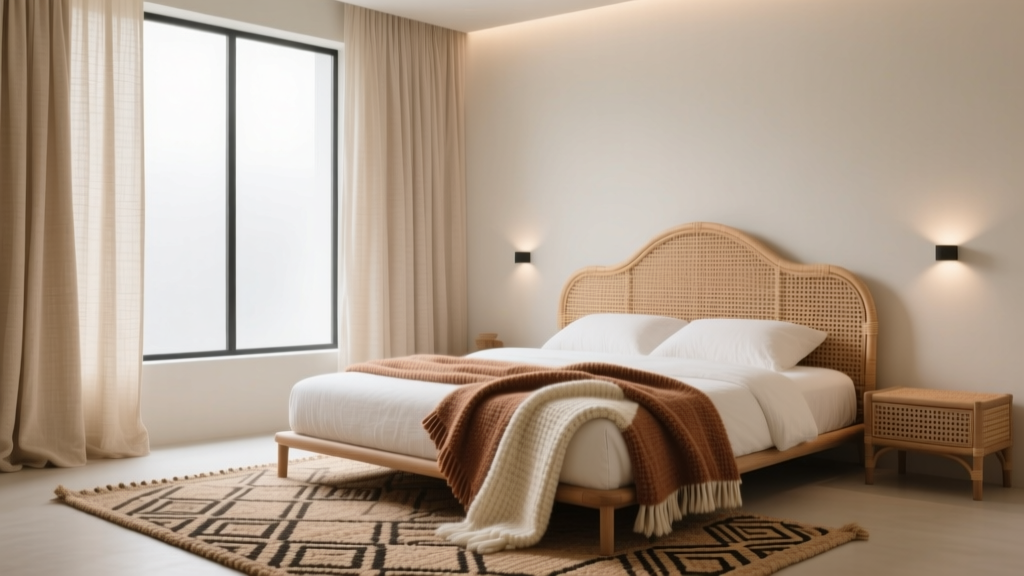
How to Incorporate Woven Textiles in Bedroom - The Decor Mag
A restful bedroom isn’t built from a single “perfect” mattress or blackout curtain—it’s shaped by the sum of small sensory cues: what your feet touch first thing in the morning, how the room absorbs sound at night, and whether the space feels calm or visually busy. Woven textiles have a quiet superpower here. They soften hard surfaces, warm up a sterile room, and add texture without the harshness of shiny finishes or high-contrast patterns.
From a sleep wellness perspective, woven materials can support a better sleep environment by helping with light diffusion, temperature comfort, and even sound dampening. They also encourage a sense of safety and coziness—what designers often call “visual comfort”—which can make it easier to unwind at the end of the day.
Whether you’re a renter adding reversible updates or a homeowner planning a full bedroom refresh, woven textiles offer flexible, budget-friendly ways to improve bedroom design for sleep quality and relaxation.
Why Woven Textiles Work So Well for Bedroom Design (and Sleep)
Woven textiles bring layered comfort without demanding major renovations. They can also solve common bedroom issues like echoey acoustics, chilly floors, and a room that feels unfinished.
Sleep-friendly benefits of woven textures
- Sound-softening: Rugs, fabric wall hangings, and upholstered elements reduce sound bounce—helpful if you live near traffic or share walls.
- Light control: Woven shades and layered curtains can soften glare and reduce early morning brightness.
- Thermal comfort: Wool, cotton, and linen help regulate temperature; jute and sisal offer tactile grounding underfoot.
- Stress reduction through “soft visuals”: Texture adds interest without the stimulation of bold prints, supporting a calming bedroom atmosphere.
Choose the Right Woven Materials for a Calm Sleep Environment
Material choice matters as much as style. The goal is comfort you can feel—and live with—night after night.
Best woven materials for bedrooms
- Cotton: Breathable, washable, and ideal for bedding, throws, and lightweight rugs. Great for warm sleepers.
- Linen: Airy, moisture-wicking, and slightly textured. Works beautifully for duvet covers, curtain panels, and pillow shams.
- Wool: Naturally insulating and resilient; excellent for area rugs and blankets. Often helps with temperature swings.
- Jute: Adds earthy texture and structure. Best for low-pile rugs and baskets; can feel scratchier, so pair with softer layers.
- Rattan and cane (woven furniture surfaces): Lightweight and breathable—ideal for headboards, nightstands, and accent chairs.
- Bamboo: Common in woven blinds and sometimes textiles; can be a sleek, minimal option with a natural look.
Materials to use thoughtfully
- Sisal: Attractive but can be stiff and rough under bare feet; better under the bed than beside it.
- Synthetics (polyester, polypropylene): Often affordable and stain-resistant for rugs, but can trap heat and may not feel as breathable for bedding.
Budget ranges to plan for
- Under $50: Small woven baskets, a lumbar pillow cover, cotton throw, mini wall hanging.
- $50–$200: Medium area rug (often cotton or synthetic blends), woven shade (small window), duvet cover set (cotton/linen blend).
- $200–$600: Wool area rug, quality linen bedding, larger woven shades, rattan accent chair.
- $600+: Hand-knotted wool rug, custom woven window treatments, statement woven headboard.
Start with Bedding: The Most Sleep-Impactful Textile Layer
If you change one thing for sleep comfort, start on the bed. Woven bedding affects temperature, tactile comfort, and how “quiet” the bed feels visually.
Sleep-friendly bedding recommendations
- Sheets: Choose long-staple cotton percale for cool, crisp breathability, or sateen for a smoother, slightly warmer feel.
- Duvet cover: Linen or a cotton-linen blend creates relaxed texture that hides wrinkles and feels soothing.
- Blankets: Add a cotton waffle weave for year-round layering, or a light wool blanket for cooler seasons.
- Throw pillows: Use woven covers (bouclé, slub cotton, textured linen) in calming tones; keep inserts supportive but not overly firm.
Color palette guidance for rest
For a calming bedroom, woven textiles shine in low-contrast palettes. Consider:
- Soft neutrals: oatmeal, sand, ivory, warm gray
- Muted earth tones: clay, terracotta, olive, tobacco
- Cool calming hues: dusty blue, sage, foggy lavender
Keep patterns subtle (thin stripes, small checks, tonal geometrics) to avoid overstimulation at bedtime.
Add Woven Rugs to Quiet the Room (Literally)
Hard flooring can make a bedroom feel cold and loud. A woven rug anchors the layout, absorbs sound, and improves comfort when you step out of bed.
Rug placement and sizing that works
- Under the bed: Choose a rug large enough that it extends at least 18–24 inches beyond the sides of the bed for a balanced look.
- Runners beside the bed: Great for renters or small rooms—two matching woven runners add softness without swallowing the floor.
- Layering: Place a softer, smaller wool or cotton rug over a flatwoven jute base for comfort and texture.
Best rug types for bedrooms
- Flatweave cotton rugs: Budget-friendly, easy to clean, and thin enough for doors to clear.
- Wool rugs: Plush, insulating, and durable—excellent for a primary bedroom where you want warmth.
- Jute rugs: Best for visual texture; pair with a soft bedside mat if you’re sensitive to scratchy fibers.
Wellness tip: prioritize easy-clean zones
If allergies affect your sleep environment, pick a low-pile woven rug and vacuum weekly with a HEPA filter vacuum. Keep at least a small area of bare floor accessible for quick cleaning around the bed frame and nightstands.
Use Woven Window Treatments for Gentle Light Control
Light exposure strongly influences circadian rhythm. Woven window treatments can help you create a bedroom sleep environment that feels dim and serene at night, yet pleasant in the morning.
Options to consider
- Woven wood shades: Beautiful texture; choose a privacy lining to reduce light gaps.
- Bamboo shades: Slightly sleeker look; great for minimal or coastal bedrooms.
- Linen curtain panels: Soft, breathable, and excellent for layering over shades.
- Blackout layer (as needed): If streetlights or early sun disrupt sleep, pair woven shades with blackout curtains in a similar tone for a seamless look.
Layout tip for a taller, calmer room
- Hang curtain rods closer to the ceiling and extend them beyond the window frame to make the window feel larger and the room more open.
- Choose matte hardware in warm metals or black to keep visual noise low.
Bring Woven Texture into Furniture and Storage
Woven elements aren’t limited to fabrics. Cane, rattan, seagrass, and woven leather can add softness to bedroom furniture while keeping the room light and airy.
Furniture pieces that integrate woven details beautifully
- Woven headboard (cane or rattan): Adds a focal point without heavy visual weight; works especially well with neutral bedding.
- Bench at the end of the bed: Look for a woven seat in natural fibers; it adds function for laying out tomorrow’s outfit.
- Nightstands with cane fronts: Texture without clutter; hides charging cables and bedside essentials.
- Storage baskets: Seagrass or woven water hyacinth baskets keep blankets, books, or extra pillows tidy.
Renters: reversible upgrades
- Swap in a woven table lamp shade.
- Add baskets on open shelving to reduce visual mess (which can reduce mental “noise” at bedtime).
- Use a woven room divider to separate sleep space from a work nook in a studio.
Layer Woven Accents Without Overcrowding the Space
Texture is calming when it’s intentional. Too many woven pieces can make the room feel busy or dusty, which works against sleep.
A simple layering formula (easy to follow)
- One anchor: area rug or statement headboard
- Two comfort layers: textured duvet + woven throw (waffle knit or linen)
- Two small accents: basket + pillow cover (or wall hanging)
Wall decor: soft texture, low stimulation
- Woven wall hanging: Choose neutral tones and minimal patterning for a soothing effect.
- Textile art panels: Great alternative to framed prints if you want a softer, quieter feel.
Lighting and Woven Shades: Create a Warm Nighttime Mood
Lighting is one of the fastest ways to improve a sleep-friendly bedroom. Woven lamp shades and pendants diffuse light, reducing harsh glare that can feel activating at night.
Sleep-supportive lighting choices
- Bedside lamps with woven shades: Look for linen, paper weave, or rattan shades for a warm, filtered glow.
- Warm color temperature bulbs: Aim for 2200K–2700K in evening lamps to support relaxation.
- Dimmers: Add plug-in dimmers for rentals or install dimmer switches if you own.
Placement tips
- Use two bedside light sources if possible to create balance and reduce shadows.
- Keep overhead lighting for cleaning and daytime tasks; rely on softer lamps in the evening wind-down window.
Common Mistakes to Avoid with Woven Textiles in the Bedroom
- Choosing scratchy fibers where skin touches: Jute or sisal is best underfoot only if you like a rougher texture; use cotton or wool beside the bed.
- Over-layering textures: Too many chunky weaves, tassels, and heavy patterns can make the room visually loud.
- Ignoring dust and allergens: Excess textiles can trap dust; balance cozy layers with a simple cleaning routine.
- Mixing too many undertones: If your rug is warm and your bedding is cool, the room can feel unsettled. Choose a dominant undertone (warm or cool) and stay consistent.
- Buying the wrong rug size: A too-small rug makes the bedroom look disjointed and can feel awkward to step onto at night.
- Bright, high-contrast patterns near the bed: Save bold graphic weaves for another room if you’re sensitive to visual stimulation.
FAQ: Woven Textiles in Bedroom
What woven textiles are best for hot sleepers?
Choose breathable options: cotton percale sheets, linen duvet covers, and a light cotton waffle blanket. For rugs, a flatweave cotton or low-pile wool can feel comfortable without trapping too much heat.
How do I make a small bedroom feel cozy with woven decor without clutter?
Use one larger woven piece rather than many small ones. A properly sized rug and a textured duvet cover can do most of the work. Add one basket for storage, then keep surfaces clear for a calmer sleep environment.
Are woven wood shades good for bedrooms?
Yes—especially when paired with a privacy or blackout lining. They add texture and soften daylight, but unlined versions often let in more light through gaps, which may disrupt sleep for light-sensitive people.
What’s the easiest renter-friendly way to add woven texture?
Start with a woven throw, pillow covers, and a runner rug. Add woven baskets for hidden storage. These changes are affordable, portable, and make an immediate difference in bedroom design.
How do I keep woven rugs and baskets from collecting dust?
Vacuum rugs weekly (more often if you have pets), and shake out smaller rugs outdoors when possible. Wipe baskets with a slightly damp microfiber cloth and keep under-bed storage closed to reduce dust buildup.
Can woven textures help a bedroom feel quieter?
They can. Rugs, upholstered pieces, and textile wall decor reduce sound reflection, which can make a room feel calmer—especially helpful in apartments or homes with hard floors and minimal soft furnishings.
Actionable Next Steps for a More Restful, Textured Bedroom
Woven textiles work best when they’re layered with purpose: comfort where your body needs it, softness where the room feels harsh, and visual calm where your mind needs to slow down.
- Pick one anchor upgrade this week: a rug under the bed, woven shades, or a linen duvet cover.
- Choose a calming palette: 2–3 main colors with similar undertones to reduce visual noise.
- Add one functional woven piece: a basket for clutter control or a bench with a woven seat.
- Support sleep with lighting: warm bulbs (2200K–2700K) and a dimmable bedside lamp with a woven shade.
- Edit the extras: keep only the textiles you love and can maintain—cleanliness and calm go hand in hand.
For more soothing bedroom decor ideas, practical sleep environment upgrades, and renter-friendly design guides, explore the latest at thedecormag.com.
More Articles
 Sustainable Bedroom FAQs Answered: Materials, Certifications, and Real Impact
 Plaster Range Hood Headboard for Bedrooms
 Luxury Bedroom Design Trends - The Decor Mag
 How to Create a Calming Bedroom Retreat - The Decor Mag
 Best Bedroom Journal and Book Nightstand - The Decor Mag
 How to Choose Bedroom Sheet Thread Count - The Decor Mag
 Bohemian Bedroom Decor Inspiration - The Decor Mag
 Best Bedroom Sleep Journal Prompts - The Decor Mag
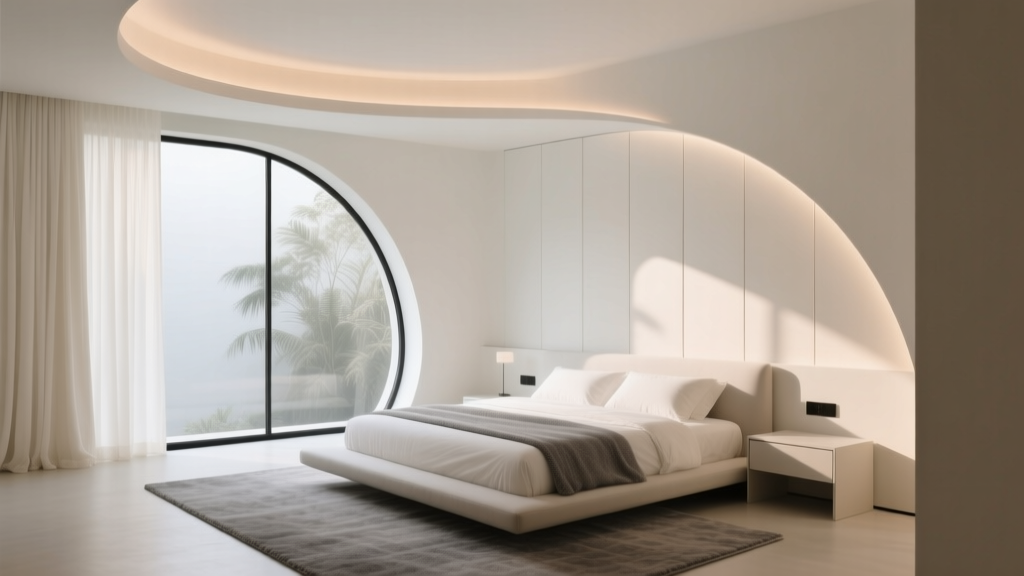 Bedroom Curved Architectural Bedroom Detail - The Decor Mag
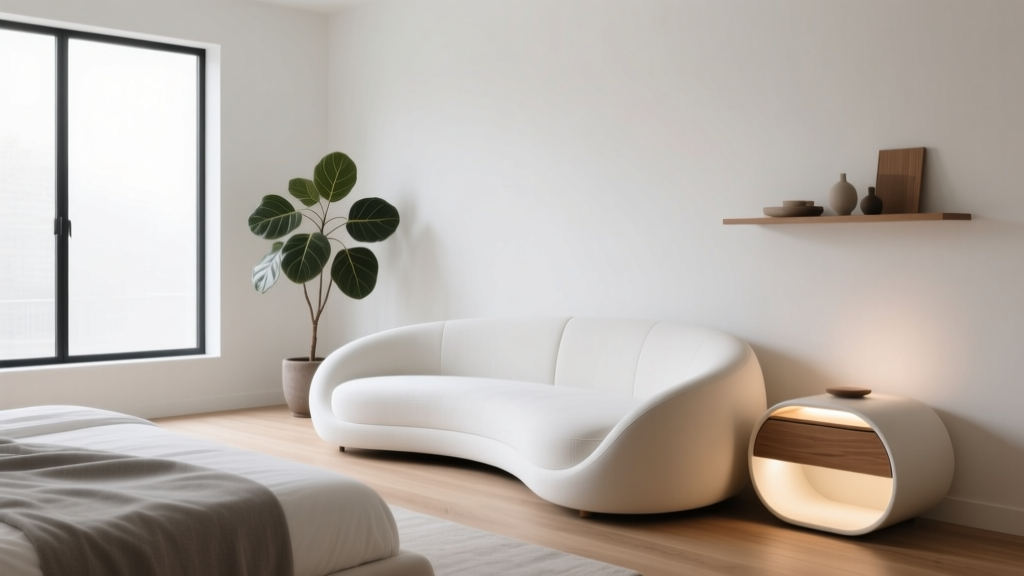 Bedroom Curved Furniture Design Trend - The Decor Mag