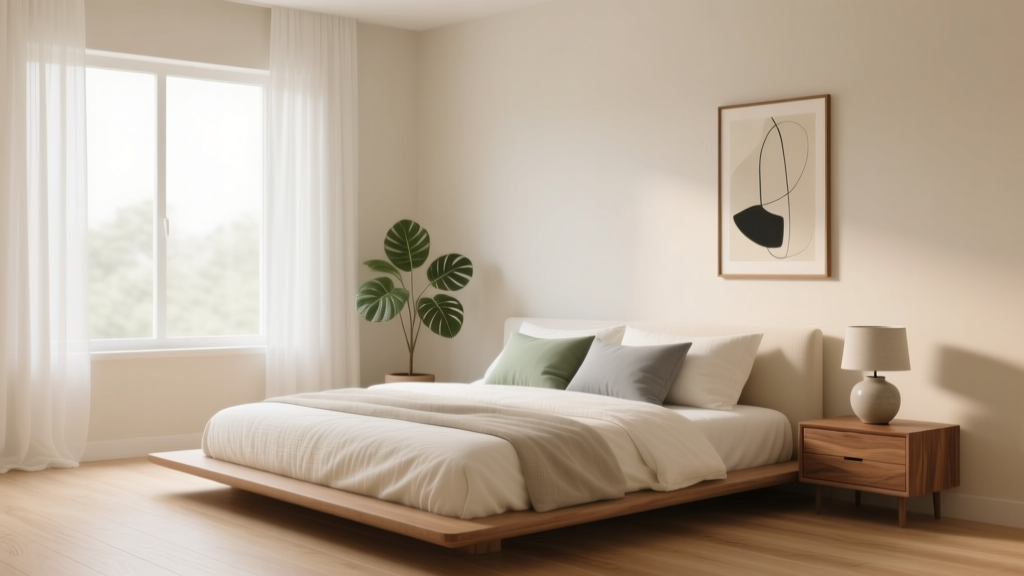
How to Create a Bedroom That Promotes Rest - The Decor Mag
A restful bedroom isn’t just about looking pretty—it’s about shaping an environment that supports your nervous system, your circadian rhythm, and your ability to fully unwind. When your bedroom design works with your sleep biology, you fall asleep faster, wake less often, and feel more restored in the morning. When it works against you (harsh lighting, clutter, heat, noise, the wrong mattress), even “enough hours” can leave you tired.
The good news: you don’t need a full renovation to create a sleep-friendly bedroom. A few strategic changes—better bedding materials, calmer colors, more intentional lighting, and a layout that reduces friction—can dramatically improve comfort and sleep quality. Whether you’re a homeowner refining your sanctuary or a renter working with limitations, you can build a bedroom that feels quiet, grounded, and genuinely restorative.
This guide walks through practical bedroom decor and sleep environment upgrades—what to prioritize first, what to buy, typical budget ranges, and the common mistakes that quietly sabotage rest.
Start With the Foundations: Comfort, Temperature, and Air
Choose a Mattress That Matches Your Body (and Sleep Style)
Your mattress is the largest “sleep tool” in the room. If it’s wrong, even the best bedroom design can’t compensate. A supportive surface helps reduce micro-awakenings from discomfort and encourages deeper sleep.
- Side sleepers: Medium to medium-soft with pressure relief at shoulders/hips (often foam or hybrid).
- Back sleepers: Medium to medium-firm for spinal alignment (hybrid or latex often works well).
- Stomach sleepers: Medium-firm to firm to prevent hip sink (firm hybrid or innerspring).
Budget ranges (queen):
- $300–$700: Entry foam or basic innerspring (good for guest rooms; look for solid return policies).
- $700–$1,500: Quality foam or hybrid (best value zone for most sleepers).
- $1,500–$3,000+: Premium hybrid, natural latex, advanced cooling tech, better edge support.
Material notes for sleep wellness:
- Natural latex: Durable, buoyant support, often cooler than memory foam; great for hot sleepers.
- Hybrid (coils + comfort layers): Strong airflow and support; balanced feel for many.
- Memory foam: Excellent pressure relief but can trap heat—look for gel, copper, or open-cell foams if you run warm.
Get Serious About Temperature (It’s a Sleep Multiplier)
Most people sleep best in a cool bedroom. Heat is one of the fastest ways to disrupt deep sleep and trigger early waking.
- Target range: roughly 60–67°F (15–19°C), adjusting to personal comfort.
- Best quick upgrades: breathable sheets, a lighter duvet, a fan for air movement, and blackout curtains that reduce solar heat gain.
- Renters: Add a tower fan or quiet pedestal fan; use thermal/blackout curtains to stabilize room temperature.
Improve Air Quality for a Cleaner Sleep Environment
Dust, allergens, and stale air can contribute to congestion and fragmented sleep. A few changes can make the bedroom feel noticeably fresher.
- Wash bedding weekly in warm water; use a fragrance-free detergent if you’re sensitive.
- Use mattress and pillow protectors (especially if allergies are an issue).
- Consider an air purifier with a true HEPA filter for pet dander, pollen, and dust.
- Choose low-VOC paints and finishes when possible to reduce irritants in the sleep environment.
Bedding That Feels Luxurious and Sleeps Cool
Sheets: Prioritize Breathability Over Thread Count
Thread count gets the spotlight, but fiber and weave matter more for comfort and temperature regulation.
- Cotton percale: Crisp, cool, breathable—ideal for hot sleepers.
- Cotton sateen: Smoother, warmer feel with a gentle sheen—great if you like cozy softness.
- Linen: Exceptionally breathable and moisture-wicking; relaxed look; softens with washing.
- TENCEL™/lyocell: Silky hand-feel, excellent drape, often cool-to-the-touch.
Budget ranges (queen sheet set):
- $40–$90: Solid cotton blends or entry percale.
- $90–$180: High-quality percale/sateen, many linen blends.
- $180–$350+: Premium long-staple cotton, pure linen, elevated TENCEL™.
Comforters and Duvets: Layering Wins
Layering lets you fine-tune warmth without overheating. For sleep quality, consistent comfort through the night matters more than a perfectly styled bed.
- Hot sleepers: Lightweight duvet insert + breathable cover (percale/linen) + a throw for early mornings.
- Cold sleepers: Midweight insert + wool throw; consider flannel sheets in winter.
Fill recommendations:
- Down/down-alternative: Fluffy and insulating; choose lighter weights if you run warm.
- Wool: Excellent temperature regulation and moisture control; great for fluctuating climates.
- Cotton: Breathable but less lofty; a good option for those who dislike “puffy” bedding.
Pillows: Support Your Neck, Not Just Your Head
- Side sleepers: Medium-high loft to fill shoulder-to-neck gap.
- Back sleepers: Medium loft with supportive core.
- Stomach sleepers: Low loft to reduce neck strain.
Tip: If you’re waking with neck tightness, adjust pillow loft before you replace the mattress—pillow changes are often the fastest fix.
Lighting Design That Supports Your Circadian Rhythm
Build a Layered Lighting Plan
Good bedroom lighting is flexible: bright when you’re getting ready, soft when you’re winding down. A layered plan also makes the room feel calmer and more intentional.
- Ambient: Ceiling fixture or flush-mount for overall light.
- Task: Bedside lamps or wall-mounted sconces for reading.
- Accent: Subtle lighting (LED strip behind a headboard, small table lamp on a dresser) for a low-glow evening mood.
Choose Warm Bulbs and Use Dimmers
- Color temperature: 2200K–2700K for a warm, cozy tone that feels sunset-like.
- Dimmers: One of the best “sleep-friendly” upgrades; set lighting to low levels 60–90 minutes before bed.
- Smart bulbs: Helpful for scheduling warmer, dimmer light in the evening and brighter light in the morning.
Blackout Treatments for Deeper Sleep
Light creeping in from street lamps or early sunrise can reduce sleep quality. If you wake too early or feel restless, start here.
- Best options: Blackout curtains with a wraparound rod, blackout shades, or layered curtains (sheer + blackout).
- Budget ranges:
- $30–$80: Basic blackout panels.
- $80–$250: Heavier lined curtains, better drape and light blocking.
- $200–$700+: Custom shades/curtains for tricky windows.
Color, Texture, and Decor Choices That Calm the Mind
Pick a Soft, Sleep-Friendly Color Palette
Color influences mood and perceived “busyness” in a space. For a restful bedroom, lean toward muted, nature-inspired tones.
- Great wall colors: warm white, creamy beige, soft greige, pale taupe, muted sage, dusty blue.
- Accent colors: clay, terracotta blush, deep olive, charcoal (in small doses for grounding contrast).
Tip for renters: If you can’t paint, shift the palette through bedding, curtains, and a large area rug.
Use Texture to Create Comfort Without Visual Clutter
A calm bedroom doesn’t have to be plain. Texture adds warmth and coziness while keeping the overall design quiet.
- Easy texture upgrades: linen duvet cover, chunky knit throw, wool rug, velvet or brushed cotton pillows.
- Material mood: wood (warmth), ceramic (earthy), woven baskets (soft structure), matte finishes (less glare).
Keep Decor Minimal Near the Bed
The area you see when you’re falling asleep sets the tone. Choose a few pieces that feel serene rather than stimulating.
- Best wall art themes: landscapes, abstracts with soft contrast, line drawings.
- Avoid: overly bright prints, busy gallery walls directly above the headboard, harsh neon signage.
Furniture and Layout: Arrange the Room for Ease
Anchor the Room With a Supportive Bed Setup
- Bed frame/headboard: Adds stability and comfort; upholstered headboards reduce the “echo” feel and support reading.
- Nightstands: One on each side when possible for visual balance and reduced bedtime friction.
- Rug placement: A large rug (or runners on each side) makes mornings softer and adds warmth acoustically.
Budget ranges:
- Bed frame: $150–$500 basic; $500–$1,500 solid wood/upholstered; $1,500+ designer or custom.
- Nightstands: $60–$200 budget; $200–$600 mid-range; $600+ solid wood or designer.
- Area rug (8x10): $150–$400 synthetic; $400–$1,200 wool; $1,200+ hand-knotted.
Create Clear Pathways and Reduce “Obstacle Stress”
A sleep-promoting bedroom feels easy to move through, even in low light.
- Leave at least 24–30 inches of walking space on main pathways.
- Avoid placing sharp-edged furniture near the bed corners.
- Keep essentials within arm’s reach: lamp, water, tissues, book/kindle, charger.
Separate Sleep From Work (Even in Small Spaces)
If you work in your bedroom, your brain can start associating the space with alertness and stress rather than rest.
- Best case: Move the desk out of the bedroom.
- If you can’t:
- Face the desk away from the bed.
- Use a folding screen or curtain divider.
- Store work items out of sight in a closed cabinet or bin at night.
Sound, Scent, and Sensory Comfort
Soundproofing Lite: Quieter Nights Without Construction
- Soft surfaces: rugs, curtains, and upholstered headboards absorb sound.
- White noise: a dedicated white noise machine or fan can mask street noise and household sounds.
- Door draft stopper: reduces hallway noise and light spill.
Scent: Keep It Gentle and Clean
Light fragrance can support relaxation, but strong scents can be stimulating or irritating.
- Try: lavender, chamomile, cedar, or bergamot—subtle, not overpowering.
- Safer approach: a pillow mist or essential oil diffuser used earlier in the evening (turn off before sleep if scent sensitivity is an issue).
- Avoid: heavy plug-ins or overly sweet fragrances that linger intensely.
Sleep-Friendly Wellness Tips That Pair With Great Bedroom Design
- Set a wind-down cue: dim lights + bedside lamp + one calming activity (reading, stretching, journaling) trains the brain to shift gears.
- Keep the room for sleep and intimacy: scrolling and work in bed can weaken the mental link between bed and rest.
- Morning light exposure: open curtains soon after waking to support circadian rhythm and nighttime sleepiness.
- Keep water nearby: a small carafe reduces late-night trips while still supporting hydration.
Common Bedroom Design Mistakes That Disrupt Rest
- Too much overhead lighting at night: bright, cool-toned light can make it harder to feel sleepy.
- Cluttered surfaces: visual mess increases mental load; nightstands piled with items can feel subconsciously stressful.
- Overheating with heavy bedding: heat buildup leads to fragmented sleep—layer instead of over-insulating.
- TV as the focal point: encourages late-night stimulation; if you keep a TV, hide it in a cabinet or minimize its visual dominance.
- Ignoring window treatments: streetlight and early sunrise can cut sleep short, even if you don’t fully wake.
- Buying decor before fixing comfort: start with mattress, pillows, sheets, and light control first—then style.
A Simple 7-Day Plan to Make Your Bedroom More Restful
- Day 1: Clear nightstands and remove anything that doesn’t support sleep (mail, receipts, extra cords).
- Day 2: Swap bulbs to warm 2700K (or lower) and add a dimmer or smart bulb.
- Day 3: Upgrade sheets to percale, linen, or TENCEL™ based on your temperature needs.
- Day 4: Add blackout curtains or a blackout shade to reduce light pollution.
- Day 5: Rework layout for clear pathways and balanced bedside surfaces.
- Day 6: Add a rug or soft textiles to reduce echo and create a cozy feel.
- Day 7: Refine the palette: introduce two to three calming colors through bedding and decor.
FAQ: Bedroom Design and Sleep Quality
What is the best bedroom color for sleep?
Soft, muted tones tend to feel most restful—think warm white, greige, pale taupe, muted sage, and dusty blue. The best choice is one that feels calming to you at night and doesn’t create high contrast or visual “noise.”
How can I make my bedroom more sleep-friendly on a budget?
Start with the highest-impact upgrades under $200: warm light bulbs, blackout curtain panels, breathable sheets (percale or linen blend), and a simple declutter of surfaces. These changes noticeably improve the sleep environment without a full redesign.
Are blackout curtains really worth it?
Yes—especially if you’re sensitive to light, live near streetlights, or wake early. Blocking light supports melatonin production and can reduce early waking, which directly improves sleep quality.
What bedding materials are best for hot sleepers?
Cotton percale, linen, and TENCEL™/lyocell are top choices for breathability and moisture control. Pair them with a lightweight duvet insert or a cooling blanket rather than a heavy comforter.
Where should I place the bed for the most restful layout?
Ideally, place the bed where you can see the door while lying down, without being directly in line with it. Keep the headboard on a solid wall if possible and avoid blocking windows or high-traffic pathways.
Can plants help with sleep in the bedroom?
Plants can make a bedroom feel calmer and more restorative visually. If you enjoy them, choose low-maintenance options and avoid heavily scented blooms. For air quality, a HEPA purifier is typically more reliable than plants alone.
Next Steps: Build Your Restful Bedroom One Upgrade at a Time
A bedroom that promotes rest is a blend of smart bedroom design and sleep wellness basics: supportive bedding, cool temperature, light control, calming colors, and a layout that feels effortless. Start with comfort and darkness, then layer in texture, warmth, and a soothing decor palette that makes you exhale the moment you walk in.
For more calming bedroom decor, sleep-friendly lighting ideas, and cozy layout inspiration, explore the latest guides and room refresh tips on thedecormag.com.
More Articles
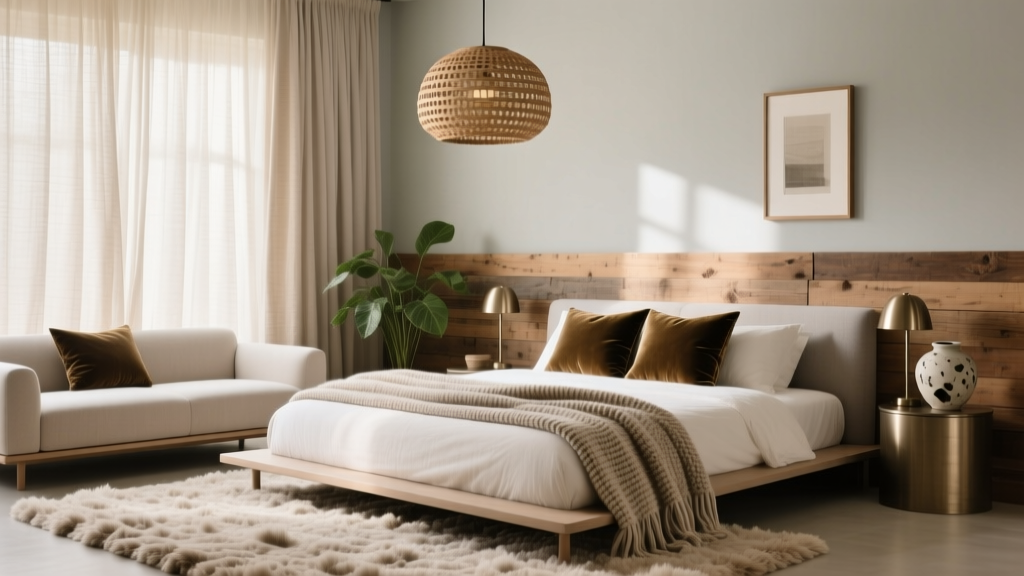 How to Incorporate Texture in Bedroom Decor - The Decor Mag
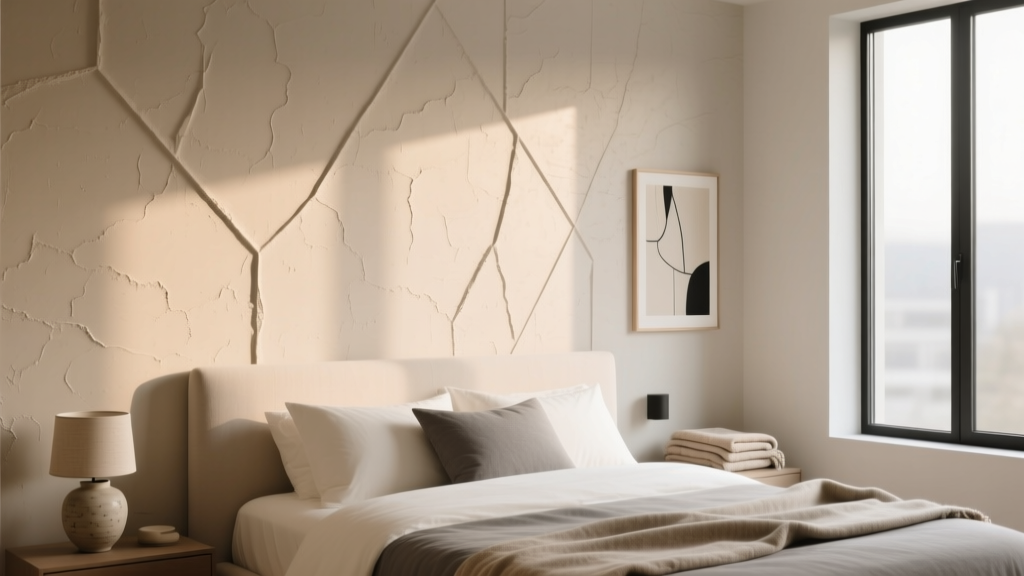 Bedroom Textured Plaster Headboard Wall - The Decor Mag
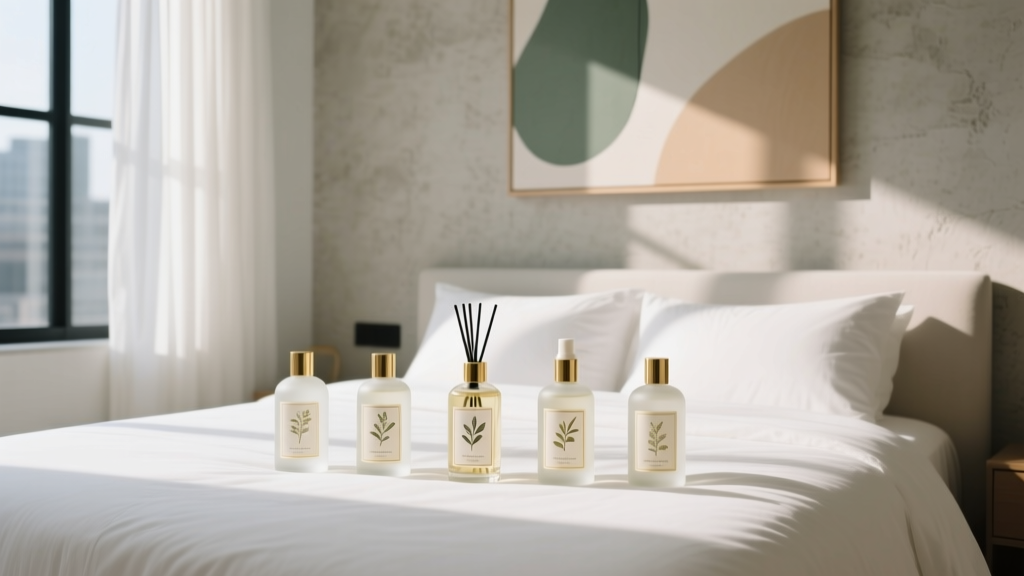 Best Bedroom Sleep Spray Collection - The Decor Mag
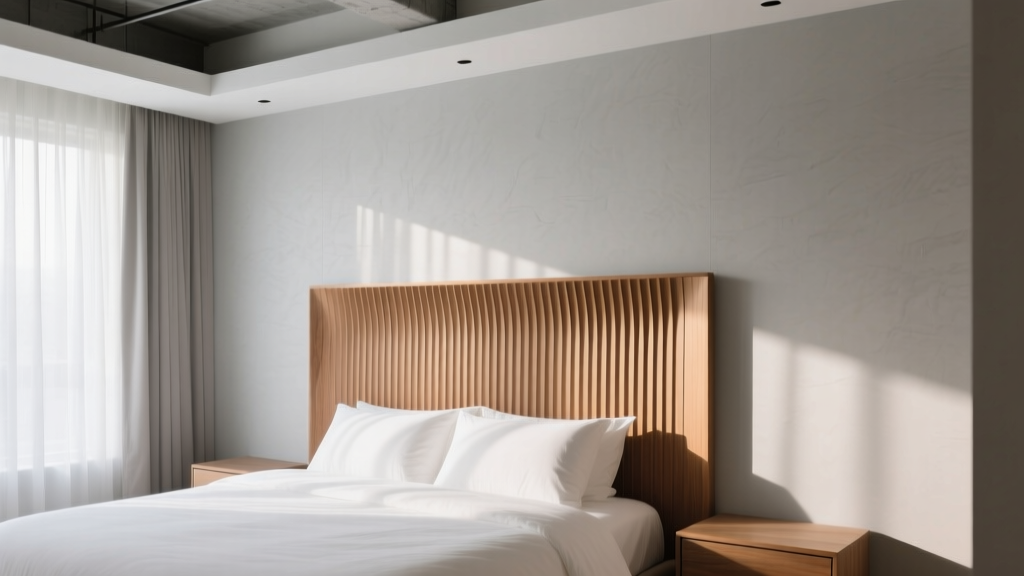 Bedroom Fluted Headboard Panel Design - The Decor Mag
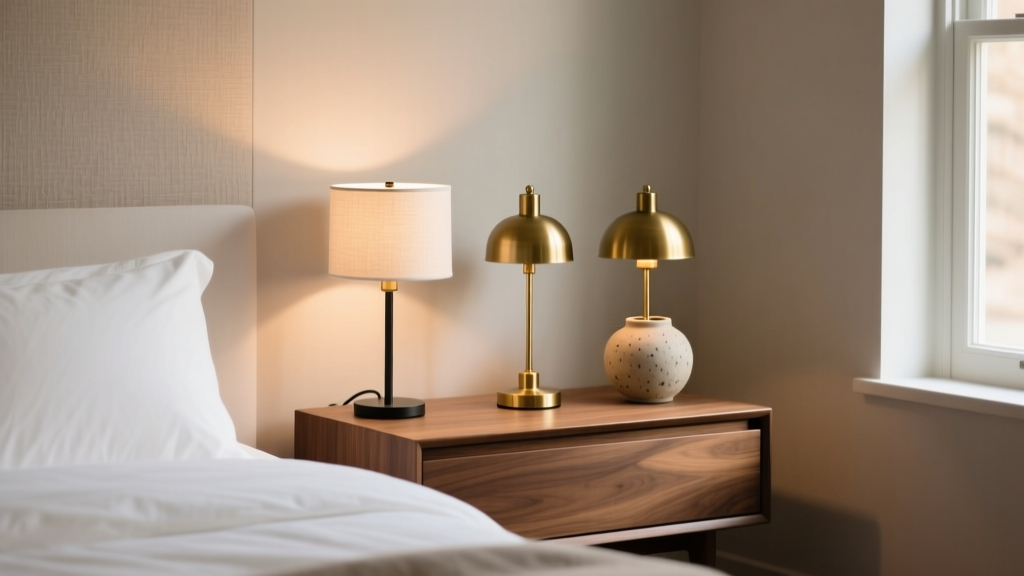 Best Bedroom Lamp Styles for Nightstands - The Decor Mag
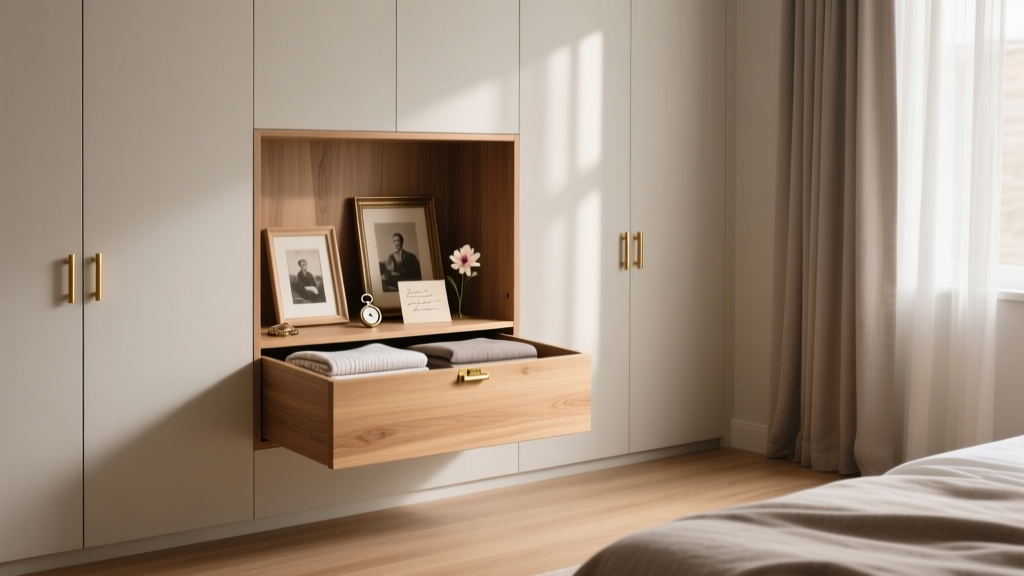 Best Bedroom Keepsake Box Storage - The Decor Mag
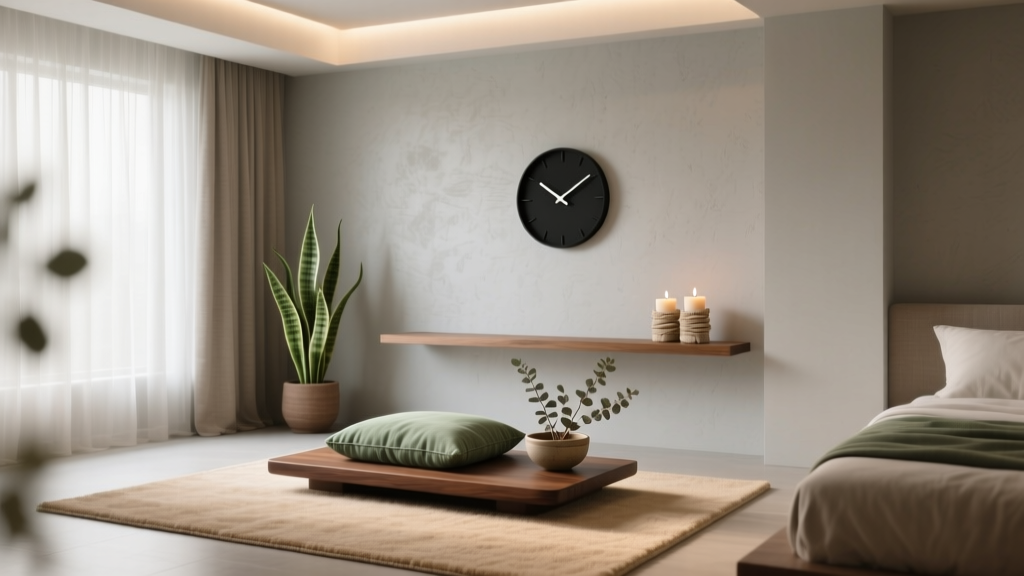 Best Bedroom Meditation Corner Setup - The Decor Mag
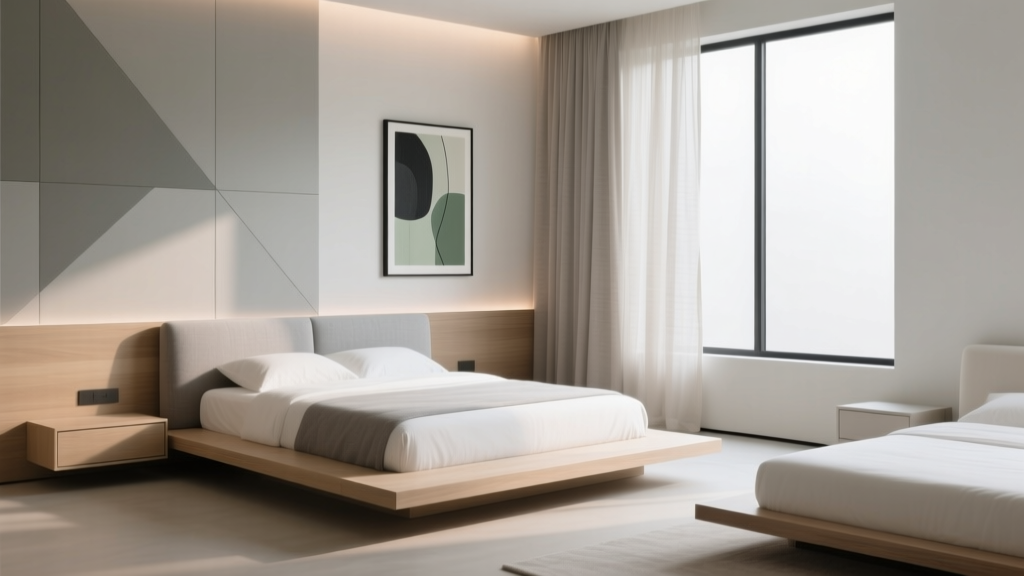 Bedroom Low Profile Bed Frame Styles - The Decor Mag
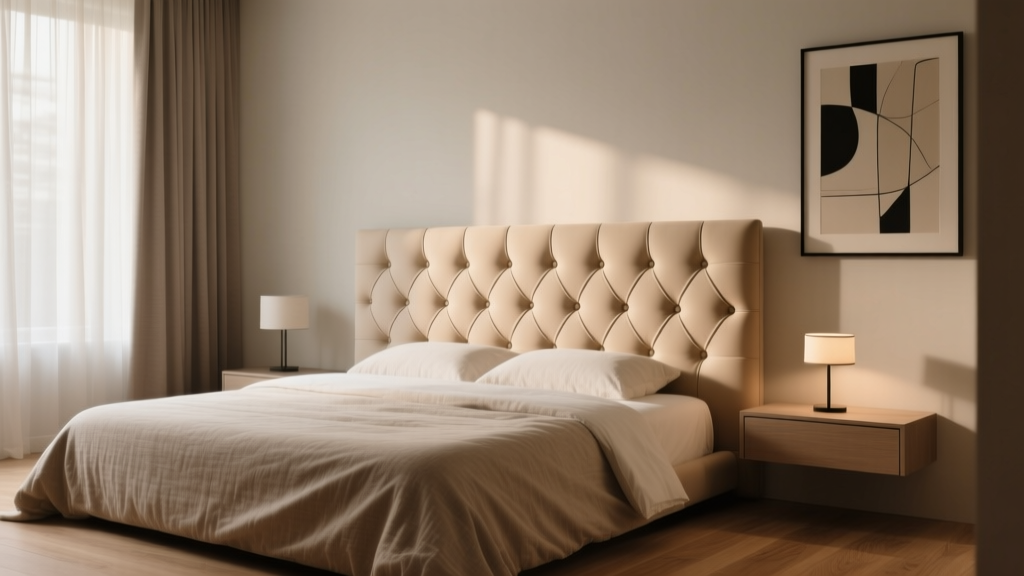 Bedroom Channel Tufted Headboard Guide - The Decor Mag
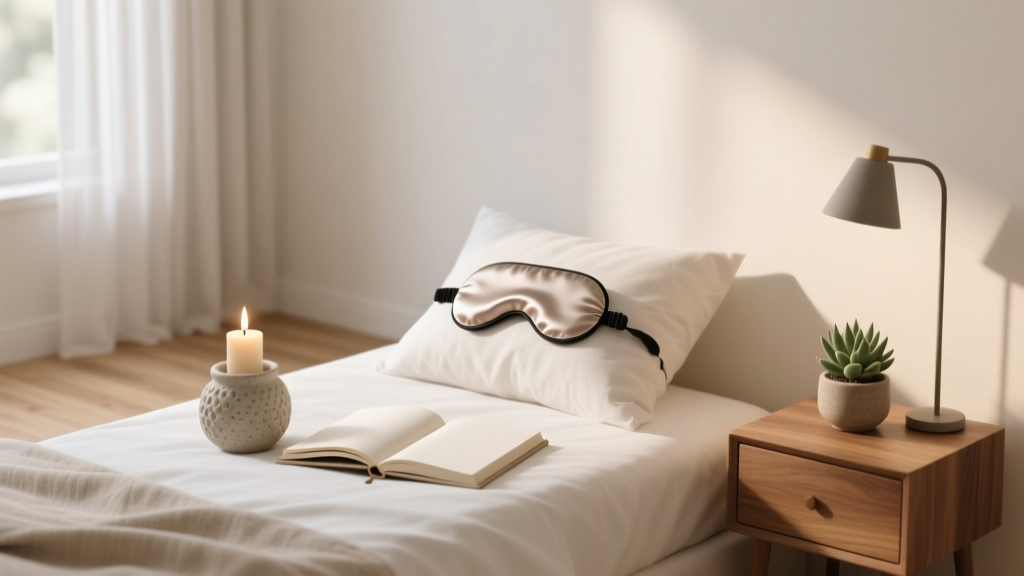 Best Bedroom Wind Down Ritual Items - The Decor Mag