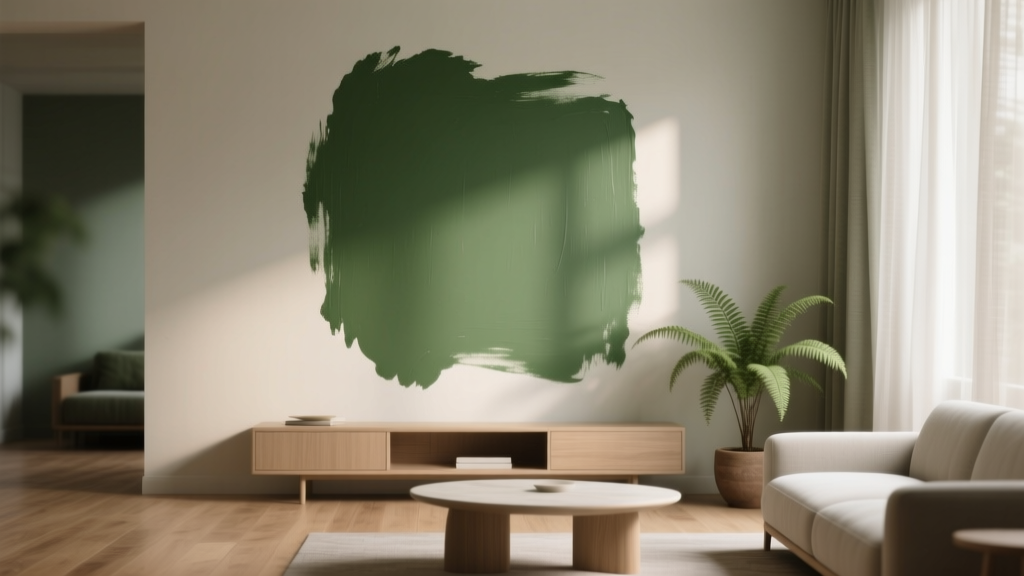
Best Seaweed Green Paint Colors - The Decor Mag
Seaweed green sits in that irresistible sweet spot between earthy and coastal: a green with moody depth, muted blue-gray undertones, and a lived-in softness that feels instantly grounded. It’s the color of kelp forests, shaded tide pools, and sun-warmed driftwood—natural references that translate beautifully to interior color design because they already “belong” with common home materials like oak, stone, linen, and aged brass.
Homeowners love seaweed green paint colors for a practical reason, too: they’re more forgiving than brighter greens, yet they still deliver personality. Used thoughtfully, seaweed green can read as a serene neutral in one room and a dramatic statement in another. The secret is understanding undertones, lighting, and which companion colors bring out seaweed green’s best qualities.
This guide breaks down the most designer-friendly seaweed green paint options across major brands, where they work best, and how to build modern color schemes around them—without falling into the common traps that make green look muddy, cold, or overly dark.
What Is “Seaweed Green” in Interior Design Terms?
Seaweed green isn’t a single paint chip—it’s a family of mid-to-deep greens with a softened, slightly gray or blue cast. Compared to vivid emerald or grassy greens, seaweed green is:
- More muted (less saturated), making it easier to live with long-term
- More complex (undertones shift with light), giving rooms a layered feel
- More adaptable (works as an accent or a main wall color)
Color Psychology: Why Seaweed Green Feels So Good
Green is associated with restoration, balance, and nature—qualities many people want at home, especially in bedrooms, living rooms, and studies. Seaweed green adds an extra psychological layer: its moody, ocean-adjacent undertones can feel quietly protective and calming, which is why it’s often used in cozy dens, libraries, and spa-like bathrooms.
How to Choose the Right Seaweed Green for Your Space
Before you pick a specific paint color, consider these design principles that heavily influence how seaweed green will look on your walls.
1) Check Undertones (Blue, Gray, Yellow)
- Blue-leaning seaweed greens feel cooler, coastal, and crisp; ideal with white oak, marble, and chrome.
- Gray-leaning seaweed greens feel modern and tailored; ideal with concrete, black accents, and minimalist décor.
- Yellow-leaning seaweed greens feel warmer and more organic; ideal with walnut, brass, and creamy whites.
2) Match Color Depth to Light Levels
Seaweed greens can turn dramatically darker in low-light rooms. Use this quick rule:
- North-facing rooms: choose a slightly warmer or lighter seaweed green to avoid a cold cast.
- South-facing rooms: you can handle deeper, cooler seaweed greens—the sunlight keeps them lively.
- East-facing rooms: morning light can make greens feel fresh; check how it looks in afternoon shade.
- West-facing rooms: warm late-day light can pull out olive tones; sample before committing.
3) Decide: Statement Walls or Whole-Room Wrap?
- Accent wall: great for renters, small spaces, or first-time green users.
- Full-room application: creates a cocoon effect and looks intentionally designed—especially with matching trim or tonal layering.
- Cabinetry or built-ins: one of the most high-impact, low-regret ways to use seaweed green.
Best Seaweed Green Paint Colors (Designer-Approved Picks)
Below are standout seaweed green paint colors from trusted brands. Each one offers a different undertone and depth so you can match your home’s lighting and style.
Farrow & Ball: Green Smoke (No. 47)
Why it works: A classic, smoky green with blue-gray undertones that reads sophisticated rather than trendy.
- Best for: dining rooms, libraries, built-ins, kitchen islands
- Style match: traditional, modern heritage, English cottage, transitional
- Pairs well with: warm whites, aged brass, dark oak, creamy stone
Room idea: Paint a dining room in Green Smoke and pair it with a natural linen roman shade, a walnut table, and brass chandelier. Add artwork with warm neutrals to keep the mood inviting.
Farrow & Ball: Duck Green (No. W55)
Why it works: Deeper and moodier—an elegant “seaweed in shadow” green that thrives in intimate spaces.
- Best for: powder rooms, dens, bedrooms, dramatic entryways
- Pairs well with: off-black accents, antique mirrors, terracotta, cream trim
Room idea: Use Duck Green on walls and ceiling in a powder room, then add a marble remnant vanity top and unlacquered brass faucet for a boutique-hotel look.
Sherwin-Williams: Pewter Green (SW 6208)
Why it works: A benchmark seaweed green: muted, slightly gray, and extremely versatile in modern homes.
- Best for: exterior siding, kitchen cabinets, living rooms, mudrooms
- Pairs well with: crisp whites, black windows, warm woods, woven textures
Room idea: Paint lower kitchen cabinets in Pewter Green and keep uppers a warm white. Finish with honed quartz or soapstone-look counters and matte black pulls for a clean color scheme.
Sherwin-Williams: Oyster Bay (SW 6206)
Why it works: A softer, airier seaweed green with a coastal-influenced blue-gray undertone.
- Best for: bedrooms, bathrooms, open-plan living spaces
- Pairs well with: light oak, white trim, sandy beige textiles, soft blues
Room idea: In a guest bedroom, Oyster Bay on walls with white bedding and a jute rug reads calm and polished. Add one darker green accent (throw or art) for depth.
Benjamin Moore: Gloucester Sage (HC-100)
Why it works: A timeless, heritage-leaning green that can tilt seaweed depending on light—subtle, soft, and classic.
- Best for: living rooms, hallways, cabinetry, exteriors
- Pairs well with: cream, warm gray, natural stone, antique brass
Room idea: Use Gloucester Sage in a living room with warm white trim and a camel leather sofa. Layer in plaid, linen, and vintage wood tones for a collected feel.
Benjamin Moore: Caldwell Green (HC-124)
Why it works: A richer, more saturated take that still feels grounded—excellent if you want seaweed green with presence.
- Best for: front doors, studies, accent walls, built-ins
- Pairs well with: warm whites, walnut, navy accents, brass lighting
Room idea: Paint built-in bookshelves Caldwell Green and back them with subtle library lighting. Keep the surrounding walls a creamy neutral for contrast and clarity.
Behr: Dark Everglade (MQ6-07)
Why it works: A deep green with a slightly cool, swampy elegance—great when you want drama without going full black-green.
- Best for: media rooms, accent walls, modern bedrooms
- Pairs well with: warm white, cognac leather, matte black, bronze
Behr: Laurel Tree (S340-6)
Why it works: A softer seaweed-adjacent green that plays nicely with warm neutrals and natural textures.
- Best for: kitchens, breakfast nooks, family rooms
- Pairs well with: creamy whites, rattan, oak, warm grays
Seaweed Green Color Schemes That Always Look Intentional
Seaweed green is at its best when you build a palette that supports its undertones. Use these designer-trusted combinations for a cohesive interior color scheme.
1) Seaweed Green + Warm White + Natural Wood
- Look: organic, airy, timeless
- Try with: Sherwin-Williams Oyster Bay + creamy white trim + white oak floors
2) Seaweed Green + Cream + Aged Brass
- Look: classic and elevated, slightly vintage
- Try with: Farrow & Ball Green Smoke + ivory upholstery + brass picture lights
3) Seaweed Green + Charcoal + Crisp White
- Look: modern, graphic, architectural
- Try with: Sherwin-Williams Pewter Green + charcoal textiles + bright white ceiling
4) Seaweed Green + Terracotta + Warm Neutrals
- Look: earthy, Mediterranean, welcoming
- Try with: Benjamin Moore Gloucester Sage + terracotta accents + oatmeal linen
5) Seaweed Green + Soft Blue + Sandy Beige
- Look: coastal without feeling theme-y
- Try with: Oyster Bay + muted denim blue pillows + sisal rug
Where Seaweed Green Looks Best: Real Room Scenarios
Living Rooms: A Calm Backdrop for Layered Texture
Seaweed green in a living room creates a restful, nature-based atmosphere that supports both modern and traditional furnishings. If you have a lot of wood furniture or vintage pieces, a gray-leaning green (like Pewter Green) can “edit” the look and make it feel more current.
- Pro tip: Use a warm white on trim to keep the green from feeling too cool.
Kitchens: The Sweet Spot for Seaweed Green Cabinets
Seaweed green cabinets read custom and architectural, especially when paired with simple door styles and understated hardware. A seaweed green island is also a high-impact choice if you’re nervous about fully committing.
- Best picks: Sherwin-Williams Pewter Green, Benjamin Moore Gloucester Sage
- Countertop pairing: honed stone, warm quartz, or soapstone-look surfaces
Bedrooms: A Cocoon Effect That Still Feels Fresh
For bedrooms, choose a softer seaweed green (Oyster Bay) if you want calm and lightness, or go deeper (Duck Green) if you crave a boutique, cocooned mood. Tonal bedding in ivory, flax, and muted olive looks especially sophisticated.
Bathrooms & Powder Rooms: Spa Meets Statement
Seaweed green in bathrooms looks stunning with tile and metal finishes. It complements marble veining, warms up chrome, and makes brass feel even richer.
- Try: Dark walls + bright white tile + warm lighting for glow
- Lighting tip: Choose 2700K–3000K bulbs; overly cool LEDs can make green look harsh.
Exteriors: A Natural, Landscape-Friendly Green
Seaweed green is a standout exterior paint color because it harmonizes with roofing, stonework, and landscaping. It feels classic on cottages and refreshingly modern on contemporary homes.
- Great option: Sherwin-Williams Pewter Green for siding or trim
- Pair with: creamy white trim, black shutters, or natural wood doors
Common Seaweed Green Paint Mistakes (and How to Avoid Them)
- Skipping samples: Seaweed greens shift dramatically. Test at least two candidates on multiple walls and observe morning, afternoon, and evening light.
- Using the wrong white: A stark, blue-white can make seaweed green look colder. Choose a warmer white or soft ivory for trim and ceilings.
- Forgetting finish level:
- Matte/flat: best for walls to reduce glare and deepen color
- Eggshell/satin: good for higher-traffic walls
- Semigloss: ideal for trim and doors
- Under-lighting the room: Darker seaweed greens can feel heavy without layered lighting. Add at least two of the following: floor lamp, table lamps, sconces, under-cabinet lighting.
- Ignoring fixed finishes: Green reacts to countertops, flooring, and tile. If you have warm travertine or honey oak, choose a warmer seaweed green; if you have cool marble or gray tile, a blue-gray seaweed green will look cleaner.
Practical Tips for Painting Seaweed Green Like a Pro
- Choose the right sheen: For most rooms, eggshell on walls gives durability without highlighting imperfections.
- Use a tinted primer when going deep: It improves coverage and color accuracy, especially for darker seaweed greens.
- Plan your trim strategy: Decide early if you want contrast (white trim) or a modern wrap (matching trim and walls).
- Create a “bridge” with textiles: Add one or two soft elements that echo the wall color—pillows, a throw, or drapery—to make the palette feel intentional.
- Balance with warmth: Seaweed green loves warm metals, wood tones, and creamy neutrals to keep it from reading too cool.
FAQ: Seaweed Green Paint Colors
Is seaweed green the same as sage green?
They’re related, but not identical. Sage green is often lighter and more silvery-gray. Seaweed green typically has more depth and can lean blue-green or smoky, making it feel moodier and more coastal.
What trim color looks best with seaweed green walls?
Most homes look best with a warm white or soft cream trim to balance seaweed green’s coolness. If you prefer a contemporary look, matching trim to the wall color (in a slightly higher sheen) can feel sleek and architectural.
Will seaweed green make my room feel smaller?
Darker seaweed greens can visually “pull in” the walls, but that’s not always a negative—it can create a cozy, high-end feel. If you want a more open look, choose a lighter seaweed green (like Oyster Bay) and keep ceilings and trim bright.
What flooring works with seaweed green paint?
Seaweed green is flexible with flooring. It looks especially good with white oak, medium walnut, and natural stone. With gray-toned floors, pick a seaweed green that has a gray or blue undertone to avoid clashing.
Is seaweed green a good kitchen cabinet color?
Yes—seaweed green cabinets look custom and timeless. They pair beautifully with warm hardware, neutral countertops, and textured backsplashes. If your kitchen is dim, pick a slightly softer seaweed green or limit it to the island or lower cabinets.
How do I keep seaweed green from looking muddy?
Use the right lighting temperature (2700K–3000K), pair it with cleaner neutrals (warm whites, soft creams), and avoid overly yellow beiges that can dull the color. Sampling is key—muddy shifts often show up at night.
Next Steps: Bring Seaweed Green Home with Confidence
Start by narrowing your seaweed green options to two or three based on your room’s lighting and fixed finishes, then sample generously on multiple walls. Build your supporting palette around warm whites, natural textures, and metals that complement your chosen undertone. Whether you go all-in with a moody bedroom or keep it simple with seaweed green cabinetry, this color family rewards thoughtful pairing and layered light.
For more paint color ideas, color schemes, and room-by-room guidance, explore additional color guides on thedecormag.com.
More Articles
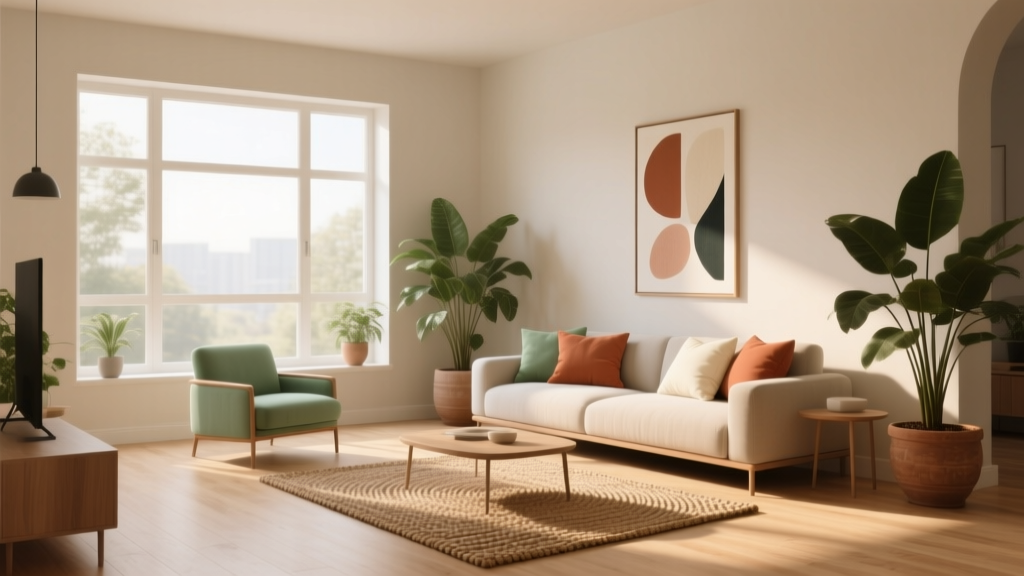 How to Choose Colors for South-Facing Rooms - The Decor Mag
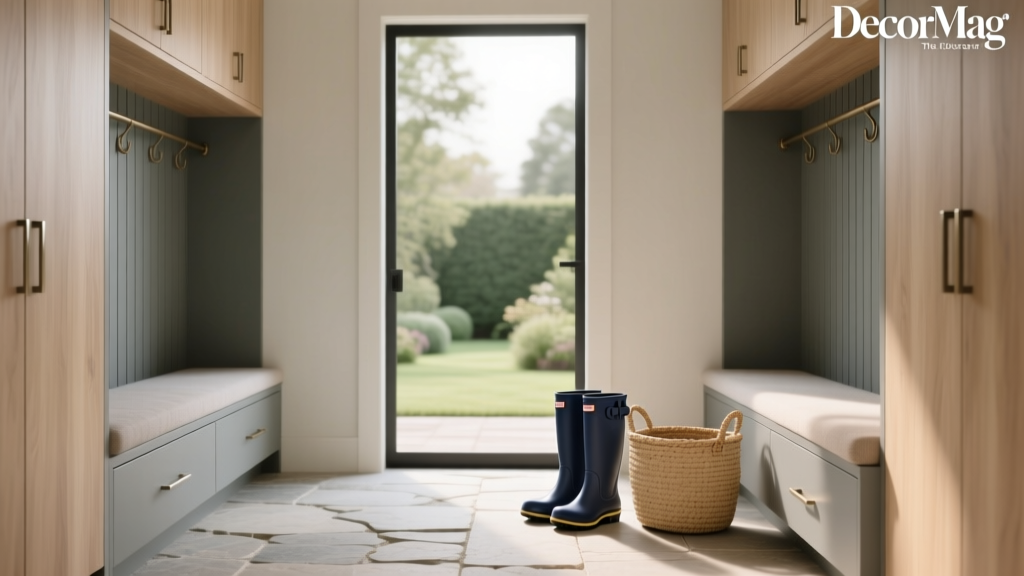 How to Choose Colors for a Mudroom - The Decor Mag
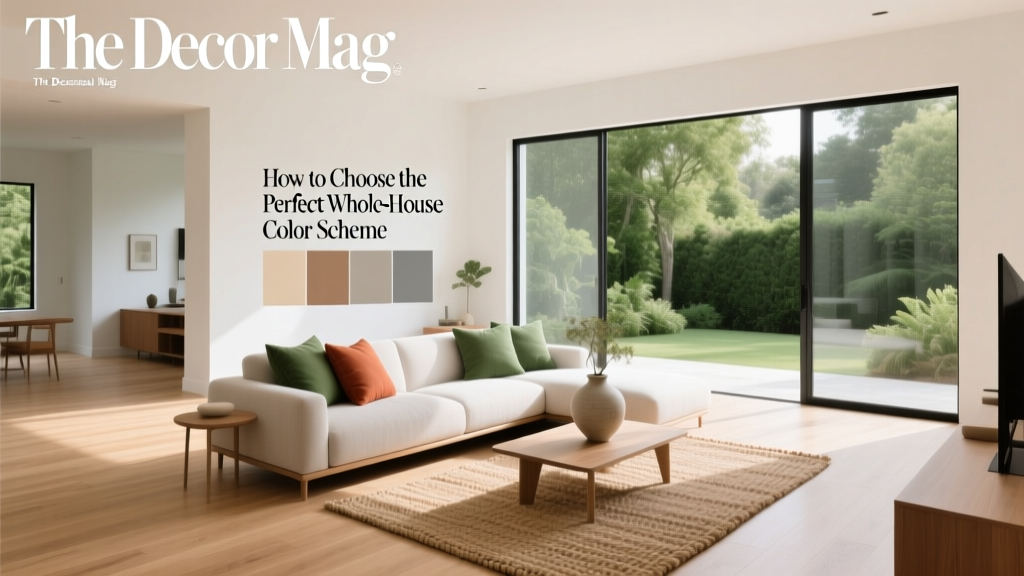 Whole-House Color Scheme: How to Choose (2026)
 Best Steel Blue Paint Colors - The Decor Mag
 How to Use Color to Create Depth - The Decor Mag
 How to Choose Colors That Complement Artwork - The Decor Mag
 Color Psychology in Home Design Guide - The Decor Mag
 Small vs Step: Decoding the Critical Difference in Color Management for Print and Digital Workflows
 Trends vs Island: How Color Forecasting and Brand Identity Diverge in Commercial Design
 Best Maroon Paint Colors - The Decor Mag