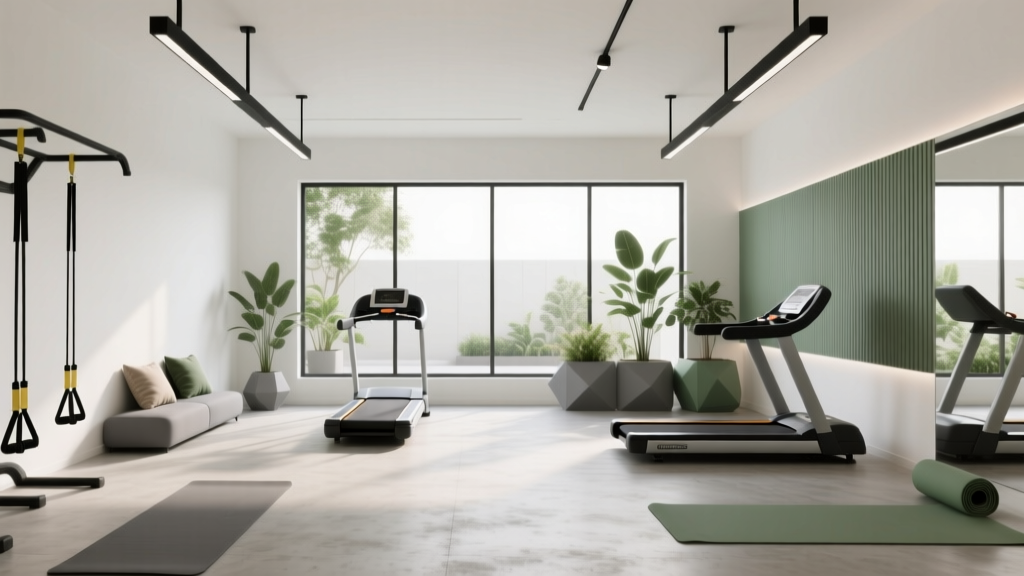
How to Choose Colors for a Gym - The Decor Mag
A home gym is one of the most emotionally charged rooms in the house. It’s where motivation has to show up on tired mornings, where focus matters during heavy lifts, and where you want energy without feeling overstimulated. The right paint colors and color schemes can quietly support that mindset—making the room feel stronger, brighter, calmer, or more intense depending on how you train.
Color also affects how you perceive space, cleanliness, temperature, and light. A dark palette can make a spare bedroom gym feel serious and “studio-like,” while a soft neutral scheme can make a yoga and stretching room feel expansive and restorative. Choosing gym paint colors with intention helps you create a space you’ll actually use—more often and with better consistency.
This guide breaks down practical interior color design principles for gyms, with specific paint color recommendations (including popular options from Sherwin-Williams, Benjamin Moore, and Farrow & Ball), real-world room scenarios, and common mistakes to avoid.
Start With the Purpose: What Kind of Gym Are You Designing?
Before choosing paint colors, define the room’s primary training style. Color psychology works best when it matches your routine.
Match color energy to the workout
- Strength training / lifting: deeper neutrals, bold contrast, grounded hues (charcoal, blackened blue, dark green).
- Cardio / HIIT: crisp whites, bright accents, invigorating cool tones (clean white, cobalt, energetic green).
- Yoga / Pilates / mobility: calming neutrals, warm whites, soft greens and clays (sage, greige, muted terracotta).
- Multi-purpose family gym: balanced neutrals with one clear accent color for personality and focus.
Consider the mood you want to feel
Use this simple translation of color psychology into gym terms:
- Blues: focus, steadiness, endurance—great for consistency and concentration.
- Greens: balance, recovery, “fresh air” effect—ideal for stretching zones.
- Reds: intensity, adrenaline—best as an accent, not a whole-room wash.
- Yellows: optimism, brightness—works well in low-light gyms when muted.
- Neutrals: clarity and flexibility—perfect for letting equipment, mirrors, and lighting do the talking.
Read the Room: Lighting, Size, and Surfaces
Paint colors never exist in isolation. A gym has unique surfaces—rubber flooring, metal equipment, mirrors, sometimes exposed concrete—that bounce and absorb light differently than a bedroom or living room.
Natural vs. artificial light
- North-facing light: cooler and flatter. Warm up your gym color scheme with warm whites, greige, or green-leaning neutrals.
- South-facing light: bright and warm. You can handle deeper hues and cooler paints without the room feeling cold.
- Basement gyms: often need higher LRV (light reflectance value) paints to avoid cave vibes. Pair brighter walls with darker accents for contrast.
Mirrors change everything
Large mirrors double the visual impact of your wall color. Dark paint in a mirrored gym can look rich and dramatic, but it also amplifies shadows. If you want dark walls, plan for strong, even lighting (overhead + wall washers or sconces).
Flooring and equipment as part of the palette
Most home gyms include black mats, gray rubber tile, stainless steel, and bright brand logos. A smart interior color design approach is to keep the base palette clean and controlled, then echo one accent color across the room.
Winning Gym Color Schemes (With Specific Paint Recommendations)
1) Modern “Performance Neutral”: White + Charcoal + Matte Black
This is a classic gym paint color scheme because it feels clean, high-contrast, and professional. It also makes equipment and form lines easy to see in mirrors or on camera.
- Walls: Benjamin Moore Chantilly Lace OC-65 (bright, crisp white)
- Accent wall or lower half: Sherwin-Williams Iron Ore SW 7069 (soft charcoal-black)
- Trim/ceiling: Sherwin-Williams Pure White SW 7005
Application scenario: A garage gym with black rubber flooring and a wall-mounted rack. Paint the main walls white for brightness; use Iron Ore behind the rack to hide scuffs and create a “stage” for your equipment. Add matte black hooks, shelves, and framed training posters.
2) Calm Strength: Deep Green + Warm White + Natural Wood
Dark green brings grounded energy without the aggressiveness of red. It’s a favorite for a gym that also functions as a wellness space.
- Accent wall: Farrow & Ball Studio Green No. 93 (deep, classic green)
- Walls (all-over alternative): Benjamin Moore Essex Green HC-188 (rich and moody)
- Balancing white: Benjamin Moore White Dove OC-17 (soft, warm white)
Application scenario: A spare bedroom gym with a rower, dumbbell rack, and a small stretching zone. Use Studio Green behind the mirror wall to reduce glare and create calm focus. Add oak shelving for towels and resistance bands, and keep the rest of the walls White Dove for airiness.
3) Focus and Endurance: Mid-tone Blue + Soft Gray
Blue is associated with focus and consistency—great for cardio or training programs where you want to feel steady rather than hyped.
- Main wall color: Sherwin-Williams Smoky Blue SW 7604 (muted, athletic blue)
- Neutral partner: Benjamin Moore Balboa Mist OC-27 (light greige-gray)
- Bright trim: Sherwin-Williams Extra White SW 7006 (crisp contrast)
Application scenario: A basement treadmill and bike room with limited windows. Use Balboa Mist on most walls to brighten. Paint the wall you face while training in Smoky Blue to reduce visual fatigue and create a strong focal point.
4) High-Energy Accent: White Base + Electric Pop (Coral/Red/Yellow)
If you love energetic color, keep it controlled. A neutral base prevents overwhelm, and a bold accent boosts motivation.
- Base walls: Sherwin-Williams Alabaster SW 7008 (warm, welcoming white)
- Accent options:
- Benjamin Moore Caliente AF-290 (bold, confident red)
- Sherwin-Williams Rave Red SW 6608 (vivid red—use sparingly)
- Benjamin Moore Hawthorne Yellow HC-4 (classic, warm yellow)
Application scenario: A small workout nook carved out of a home office. Paint everything Alabaster to keep it open, then add one vertical stripe or a half-wall in Caliente behind a wall-mounted TV or timer. Repeat the accent color in a water bottle shelf, a yoga mat, or framed graphics for a cohesive color scheme.
5) Spa-Inspired Recovery: Sage + Cream + Soft Black
This palette supports breathwork, mobility, and post-workout recovery. It’s also friendly for multipurpose rooms that need to feel residential.
- Walls: Benjamin Moore Saybrook Sage HC-114 (soft, timeless sage)
- Ceiling/trim: Benjamin Moore Simply White OC-117 (clean but not icy)
- Hardware/accents: Sherwin-Williams Tricorn Black SW 6258 (true black, best for metal details)
Application scenario: A yoga and stretching room with a mirror, a foam roller corner, and a small storage cabinet. Paint the walls Saybrook Sage, add linen curtains, warm wood, and soft black hardware to keep it crisp and grounded.
How to Choose a Gym Paint Finish (It Matters More Than You Think)
Gym walls take a beating: sweat, bumps from plates, scuffs from shoes, and constant wiping. Finish choice affects durability and how light reflects.
- Best all-around: Eggshell (washable, forgiving, low glare)
- For heavy-use walls (racks, storage, kids’ gear): Satin (more wipeable, slightly more sheen)
- Avoid in most gyms: Flat/matte on scuff-prone walls (beautiful, but marks easily unless it’s a premium washable matte)
- Ceilings: Flat to hide imperfections and reduce glare
Pro tip: If you film workouts, avoid high gloss near lights and mirrors—it can create hot spots and distracting reflections.
Real Room Color Plans You Can Copy
Garage gym with a power rack
- Color scheme: White + charcoal + a single accent (blue or green)
- Paint plan:
- Paint three walls Benjamin Moore Chantilly Lace.
- Paint the rack wall Sherwin-Williams Iron Ore to hide scuffs.
- Add a narrow stripe in Sherwin-Williams Smoky Blue or a painted storage cabinet in a matching hue.
Basement gym with low ceilings
- Color scheme: Light greige + bright white + soft black accents
- Paint plan:
- Walls: Benjamin Moore Balboa Mist to bounce light.
- Ceiling: Benjamin Moore Simply White to lift the ceiling visually.
- Baseboards/doors: Sherwin-Williams Pure White for clean definition.
Small spare bedroom gym that needs to feel bigger
- Color scheme: Warm white + one deep accent behind mirrors
- Paint plan:
- Main walls: Sherwin-Williams Alabaster.
- Mirror wall: Farrow & Ball Studio Green (or Benjamin Moore Essex Green) for depth and drama.
- Add warm lighting (2700K–3000K) to keep the deep color from feeling flat.
Common Gym Color Mistakes to Avoid
- Choosing a super-saturated color for every wall. A full room of bright red or neon yellow can spike anxiety and visual fatigue. Keep intense hues as accents.
- Ignoring lighting temperature. Cool LEDs (4000K–5000K) can make warm paint look dull and make some greens feel harsh. If your bulbs are very cool, test paint samples at night.
- Picking gray without checking undertones. Many grays turn blue, purple, or green next to black flooring and mirrors. Always sample on multiple walls.
- Overlooking sheen and wipeability. Flat paint in a high-contact gym becomes a maintenance issue fast.
- Forgetting the “camera test.” If you use a mirror or record workouts, busy contrasts and high-glare finishes can be distracting. Choose calmer backgrounds and even lighting.
A Simple Step-by-Step Method to Choose the Right Gym Colors
- Identify your training style (strength, cardio, recovery, mixed use).
- Audit fixed elements: flooring color, equipment color, mirror size, and wood/metal finishes.
- Decide on a base neutral (warm white, crisp white, greige, or light gray).
- Select one deep anchor color for an accent wall or the rack wall (charcoal, deep green, or blue).
- Choose one accent hue (optional) to repeat 2–3 times in the room (art, storage bins, towel hooks).
- Test paint samples on at least two walls and view them:
- morning light
- evening light with your gym lights on
- next to your flooring and equipment
FAQ: Choosing Paint Colors and Color Schemes for a Home Gym
What are the best paint colors for a small home gym?
Light-reflective neutrals usually work best: Benjamin Moore Chantilly Lace, Sherwin-Williams Alabaster, or Benjamin Moore Balboa Mist. Add depth with a single accent wall in Sherwin-Williams Iron Ore or a deep green like Farrow & Ball Studio Green.
Should a gym be painted dark or light?
Light colors make a gym feel bigger and brighter—great for basements and small rooms. Dark colors create a focused, boutique-studio vibe and hide scuffs, but they need stronger lighting. A popular compromise is light walls with one dark accent wall behind the rack or mirror.
What colors help motivation in a workout room?
Motivation can come from different moods: blues support focus and consistency, greens feel balanced and restorative, and reds increase intensity. For most homeowners, a neutral base with a bold accent delivers energy without overwhelm.
What’s the best paint finish for gym walls?
Eggshell is a dependable choice for most gym walls because it balances durability and low glare. Satin is better for high-contact areas where you’ll be wiping often. Use flat on ceilings to reduce reflection.
How do I choose an accent wall color for my gym?
Pick an accent that works with your equipment and flooring. Charcoal (Sherwin-Williams Iron Ore) is a universal anchor, deep green (Benjamin Moore Essex Green) feels strong and grounded, and muted blue (Sherwin-Williams Smoky Blue) supports focus. Place the accent behind your main station—rack, mirror, or treadmill—so it functions like a visual “target.”
Next Steps: Build a Gym Color Plan You’ll Stick With
Choose one base neutral, one anchor color, and (optionally) one accent, then test samples under your real gym lighting. Keep contrast intentional, select a durable paint finish, and let mirrors and equipment guide how bold you go. A thoughtful color scheme turns a basic workout room into a space that feels energizing, focused, and uniquely yours.
For more paint color ideas, color psychology tips, and room-by-room color schemes, explore our other color guides on thedecormag.com.
More Articles
 Best Cucumber Paint Colors - The Decor Mag
 How to Choose Colors for a Courtyard - The Decor Mag
 How to Choose Colors for West-Facing Rooms - The Decor Mag
 Best Prussian Blue Paint Colors - The Decor Mag
 Best Turquoise Paint Colors - The Decor Mag
 Best Chartreuse Paint Colors - The Decor Mag
 How to Use Color to Create Flow - The Decor Mag
 How to Mix Warm and Cool Tones Successfully - The Decor Mag
 12 Practical DIY Furniture Ideas You Can Build in a Weekend (With Exact Materials & Dimensions)
 Best Sage Green Paint Colors for Serenity - The Decor Mag