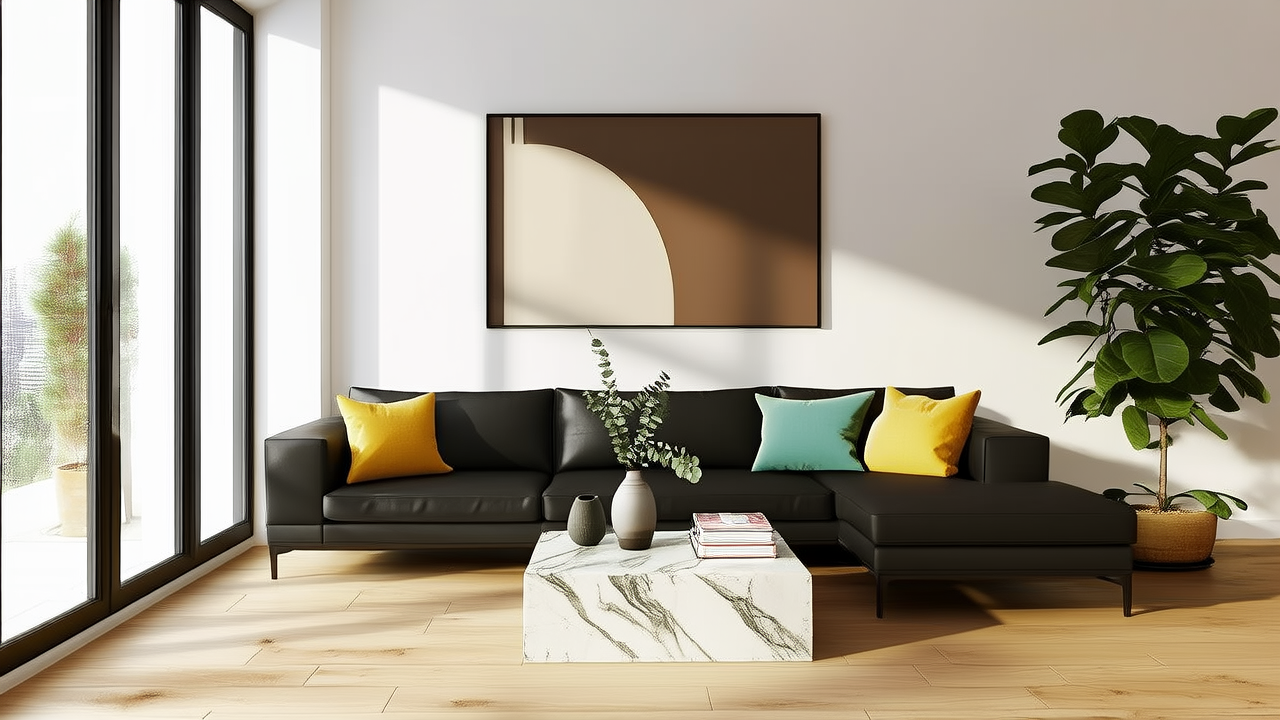
Sustainable vs Decor: Color & Materials Guide 2026
Sustainable versus decor is not a simple choice between earth-friendly materials and attractive interiors. It is a comparison of priorities: low VOC emissions, recycled content, durability, repairability, end-of-life, and certified sourcing versus immediate visual impact, trend alignment, finish richness, color saturation, and perceived luxury. The best projects treat decor as a long-term performance category rather than a disposable style event. A Benjamin Moore Aura line, Sherwin-Williams Emerald, Farrow & Ball Estate Emulsion, or ECOS Interior Latte can deliver color depth while reducing solvent exposure. The key is to measure beauty against life cycle: how long a surface lasts, how easy it is to clean, how many coats it needs, and whether it can be repainted or recycled without contaminating waste streams.
The Real Trade-Off: Sustainable Versus Decorative Priorities
Decor often starts with the surface: color, sheen, pattern, texture, and mood. Sustainability starts with consequences: raw material extraction, manufacturing emissions, indoor air quality, maintenance burden, and disposal. When these two systems meet, projects either become greener or become shallow. A decorative-only approach may specify a high-gloss lacquer that photographs beautifully but releases volatile organic compounds during application and cannot be easily repaired. A sustainability-only approach may select a pale recycled composite that meets a certification but looks institutional, chips under cleaning, or fades in direct sun.
The smarter question is not whether a finish is pretty or planet-friendly. It is whether the finish can stay pretty for the length of service it promises. A wall color that lasts eight years with one touch-up is often more sustainable than a trend-driven accent wall replaced every eighteen months. A durable powder-coated aluminum pendant light can outlast three cheap fixtures made with mixed plastics and glued components that cannot be separated at end of life.
What Decor Usually Optimizes
Decorative decisions optimize immediate perception. They ask how a color reads in morning light, how a sheen reflects a focal point, how a textile drapes, how a metal finish harmonizes with hardware, and whether a room feels curated. Colorguides professionals often begin here because clients react visually before they react technically. A Pantone reference, a Sherwin-Williams paint chip, or a Ralph Lauren fabric can set the emotional direction.
What Sustainability Usually Optimizes
Sustainable decisions optimize hidden costs. They ask whether a paint contains below 5 g/L VOCs, whether wood is FSC-certified, whether a textile uses Global Recycled Standard polyester, whether adhesive is low-emission, and whether a product can be repaired. These questions do not make a room beautiful by themselves, but they protect the value of the beauty. The goal is to make the decorative intent survivable.
Paint and Color as the First Test Case
Paint is where sustainable versus decor becomes concrete because color is the most visible part of a room and VOC chemistry is often invisible. Traditional solvent-borne lacquers and some high-performance finishes can deliver deep gloss and hard films, but they may contain solvents that contribute to smog and indoor air contamination. Waterborne systems have improved dramatically. Benjamin Moore Aura, Sherwin-Williams Emerald, Farrow & Ball Estate Emulsion, Dunn-Edwards Eco Spec, and ECOS are examples where brands have built color systems around lower-emission technologies.
Measurement matters more than marketing. For many interior paint categories, zero-VOC products are formulated to contain less than 5 g/L of VOCs, while low-VOC products commonly fall below 50 g/L depending on finish and certification. A Green Seal GS-11 or comparable standard can give buyers a baseline. Coverage is another sustainability metric. If a premium paint covers 350 to 400 square feet per gallon in two coats, but a cheap paint requires three coats at 250 square feet per gallon, the premium product may use less total material, less labor energy, and fewer containers.
Zero-VOC and Low-VOC Paint Performance
Early zero-VOC paints sometimes struggled with flow, block resistance, and burnishing. Modern acrylic and hybrid resins have narrowed that gap. For trim and doors, a zero-VOC enamel from Benjamin Moore or Sherwin-Williams can reach a hard, washable film at a thickness of about 2 to 3 mils when applied correctly. That film protects the decorative color from scuffs, cleaning abrasion, and humidity cycling. A finish that fails early is not sustainable because it forces repainting, waste, and rework.
Color depth also affects sustainability. Strong reds, blues, and greens can require more pigment load and multiple coats. A decorative scheme that demands four coats of a saturated hue may use more product and time than a balanced scheme using a tinted primer plus two topcoats. The Colorguides approach is to specify a primer matched to the topcoat hue, not just to white, then verify coverage on a test panel before ordering gallons.
Materials, Finishes, and Longevity
Flooring, casework, lighting, textiles, and furniture carry more embodied energy than paint, so the sustainable versus decor balance is heavier there. A decorative choice may prioritize a glossy exotic veneer, while a sustainable choice may prioritize rapidly renewable bamboo, cork, reclaimed oak, recycled-content porcelain, or wool with natural fiber certification. The best projects do not choose one exclusively. They choose the material that can perform its decorative role for a realistic lifespan.
Wood is a good example. FSC-certified oak, walnut, or maple can be decorative and responsible when sourced legally and managed sustainably. But certification is only part of the story. A veneer over MDF or particleboard can be efficient and stable, yet it depends on adhesives. CARB Phase 2 compliant engineered wood panels limit formaldehyde emissions, often to below 0.05 parts per million for particleboard or comparable thresholds depending on product class. If the panel swells, delaminates, or cannot be refinished, its sustainability value drops.
Why Durable Decor Is Often More Sustainable
Durability is a bridge between sustainable and decorative. A lacquered furniture piece that looks luxurious but cannot be repaired may be replaced in five years. A waxed hardwood piece that scratches and can be spot-refinished may last thirty years. The waxed piece is not necessarily more visually dramatic on day one, but it supports long-term color and character. In Colorguides consultations, we often redirect clients from trend finishes toward repairable finishes because repairability keeps decorative systems alive.
Lighting shows this principle. A decorative fixture with glued-on acrylic diffusers and non-serviceable LED modules may be inexpensive and stylish. A fixture with a metal housing, replaceable LED module, clear glass shade, and accessible driver may cost more but reduces replacement frequency. If a fixture lasts 50,000 hours instead of 15,000 hours, the environmental advantage becomes measurable. The decorative effect of a warm 2700 Kelvin color temperature can be maintained without creating a bulb-shaped landfill problem.
Textiles add another layer. A curtain with a strong printed color can define a room, but if it is made from virgin polyester and sheds microfibers, it contributes to pollution. Recycled polyester with a Global Recycled Standard claim can reduce petroleum demand and sometimes uses about 30 percent less energy than virgin polyester, although exact figures vary by process. Natural fibers such as linen, hemp, wool, or organic cotton offer different trade-offs. Wool resists staining naturally and can be dyed with low-impact color systems, but it may require careful cleaning. Linen is biodegradable and durable when properly finished, but it wrinkles, which some decor schemes treat as a flaw rather than a feature.
Colorguides Decision Framework
When clients ask for a sustainable versus decor comparison, we use a weighted framework instead of a purity test. The first filter is health: VOCs, formaldehyde, flame retardants, and off-gassing. The second is lifespan: how many years the product must serve before replacement. The third is maintenance: how cleaning, touch-up, or repair affects the finish. The fourth is material origin: recycled, renewable, certified, reclaimed, or low-impact. The fifth is visual integrity: whether the product still satisfies the decorative brief after five or ten years.
This framework prevents greenwashing from replacing one bad habit with another. A rug made from recycled plastic bottles may be better than a virgin synthetic rug, but if it cannot be cleaned, smells after humidity exposure, or curls at the edges, it will be discarded early. A decorative rug made from hand-knotted wool may be more expensive and slower to source, but it can be rotated, cleaned, re-padded, and sold secondhand. Sustainability is not only raw material input; it is whether the object remains useful.
| Element | Decor-First Spec | Sustainable-First Spec | Balanced Spec |
|---|---|---|---|
| Wall paint | High-gloss lacquer, saturated red, quick trend appeal | Zero-VOC waterborne latex, below 5 g/L VOCs | Benjamin Moore Aura or Sherwin-Williams Emerald with tinted primer, 350-400 sq ft/gal |
| Flooring | Glossy exotic veneer, patterned vinyl | Reclaimed oak, cork, bamboo with FSC or PEFC claims | Wear-layer engineered wood, CARB Phase 2 panels, refinishable surface |
| Lighting | Statement pendant, decorative glass | LED with replaceable module, 50,000 hour rating | Warm 2700-3000 K fixture, CRI above 90, powder-coated metal |
| Textiles | Bold print, high sheen | Organic cotton, hemp, wool, GRS recycled polyester | Wool rug with natural dye, washable cover, 30 percent less energy claim where applicable |
| Furniture | Fast finish, glued veneer | Reclaimed wood, metal, repairable joinery | Hardwax oil, replaceable cushions, 10-year warranty target |
| Adhesives | Strong instant bond | Low-emission contact cement, waterborne adhesive | CARB-compliant panel glue, 0.05 ppm formaldehyde target |
Use this five-step audit before approving a sample:
- Check the technical data sheet for VOC level, coverage rate, and recommended film thickness.
- Verify certification claims such as FSC, GREENGUARD, Cradle to Cradle, or Global Recycled Standard.
- Test color under the room light at 700 to 1000 lux and at dusk.
- Compare maintenance intervals, repair methods, and replacement part availability.
- Calculate cost per year by dividing purchase price by expected service life.
Common Mistakes and Practical Fixes
The most common mistake is treating sustainability as a surface claim rather than a specification detail. Buyers see a green label, then ignore the actual data sheet. They may choose a paint described as eco-friendly without checking VOC limits, coverage, warranty, or sheen durability. They may choose reclaimed wood furniture without verifying that the reclaimed material is sealed with a low-emission finish and structurally sound. They may choose bamboo flooring without checking wear layer thickness, adhesive content, or moisture resistance.
- Ask for the VOC limit in grams per liter and the finish type, not just the word natural.
- Ask whether the product is certified by FSC, GREENGUARD, Cradle to Cradle, Global Recycled Standard, or another verifiable program.
- Ask for warranty length, recommended maintenance interval, and repair instructions before selecting a decorative finish.
- Measure room light exposure because UV fading can turn a beautiful sustainable dye into an uneven patch within three to five years.
- Compare cost per year of service, not just purchase price, especially for flooring, lighting, and upholstery.
Another mistake is assuming every decorative trend must be avoided. A bold color can be sustainable if applied with low-VOC paint, proper primer, and a plan for future refresh. A pattern can be sustainable if it is printed on a durable substrate rather than a disposable wallpaper. A metallic finish can be sustainable if it uses a waterborne topcoat and a repairable base. The issue is not decoration; it is disposability.
How to Choose When Sustainable and Decor Conflict
When sustainable and decorative requirements conflict, start with the element clients touch, see, and maintain most often. For a kitchen, that may be cabinet paint and countertop material. For a bedroom, it may be wall color, mattress encasement, and lighting. For a commercial space, it may be flooring, wall protection, and lighting controls. High-use surfaces deserve higher durability, even if that means accepting a less trendy finish. Low-use decorative accents can carry more risk because they can be changed without major waste.
A useful rule is the 80/20 decorative risk split. Put 80 percent of the budget into surfaces and objects that will remain for at least seven years, and 20 percent into changeable accents. This allows a Colorguides palette to evolve without throwing away large structural finishes. A sustainable wall color can be complemented by replaceable cushions, art, and accessories. A timeless floor can host trendier rugs. A durable lighting fixture can wear a new shade instead of being replaced.
Balanced Specifications That Work
For a living room, a balanced specification might use Benjamin Moore Aura or Sherwin-Williams Emerald in a low-VOC finish, a FSC-certified walnut coffee table with a hardwax oil finish, a wool area rug with natural dyeing, and LED pendant lighting with replaceable modules. The palette could include a warm white at 3000 to 3500 Kelvin, a muted earth color such as a clay or sage, and a deep accent used on only one wall or built-in shelving. This gives the decorative impact while limiting VOC exposure, improving repairability, and reducing replacement frequency.
For a small apartment, the balance may shift because the client cannot control all surfaces. A sustainable versus decor strategy can focus on peel-and-stick alternatives with low adhesive VOCs, washable textile covers, compact furniture made from recycled aluminum or certified wood, and lighting with high color rendering index ratings above 90. A high CRI lamp makes a paint color look closer to its true hue, which reduces repainting mistakes caused by poor lighting.
For a commercial reception area, the stakes include public health, maintenance labor, and brand image. A durable low-VOC paint system, recycled-content carpet tile with a take-back program, powder-coated metal furniture, and LED lighting with motion sensors can meet both decorative and sustainability goals. Brands like Interface offer carpet tile programs, while lighting companies such as Philips and GE provide detailed lumen, color temperature, and maintenance data. These specs make the decorative statement measurable.
The Final Standard: Beauty That Survives
Sustainable versus decor should not be a battle between conscience and vanity. It should be a test of whether beauty can survive contact with time. A Colorguides professional should be able to point to the data behind a choice: VOC level, recycled content, certification, warranty, coverage rate, light reflectance, expected lifespan, and maintenance plan. When those numbers support the design, the room can be both attractive and responsible.
The most successful projects use decoration as a form of stewardship. A color that clients love is less likely to be abandoned. A finish that cleans well is less likely to be refinished unnecessarily. A material that can be repaired is less likely to be thrown away. A light fixture that can be updated is less likely to become obsolete. In that sense, sustainable and decorative are not opposites. They are two sides of one standard: make the space beautiful enough to keep, and make it durable enough to stay beautiful.
More Articles
 Best Black Paint Colors for Dramatic Spaces - The Decor Mag
 How to Use Color to Create Grandeur - The Decor Mag
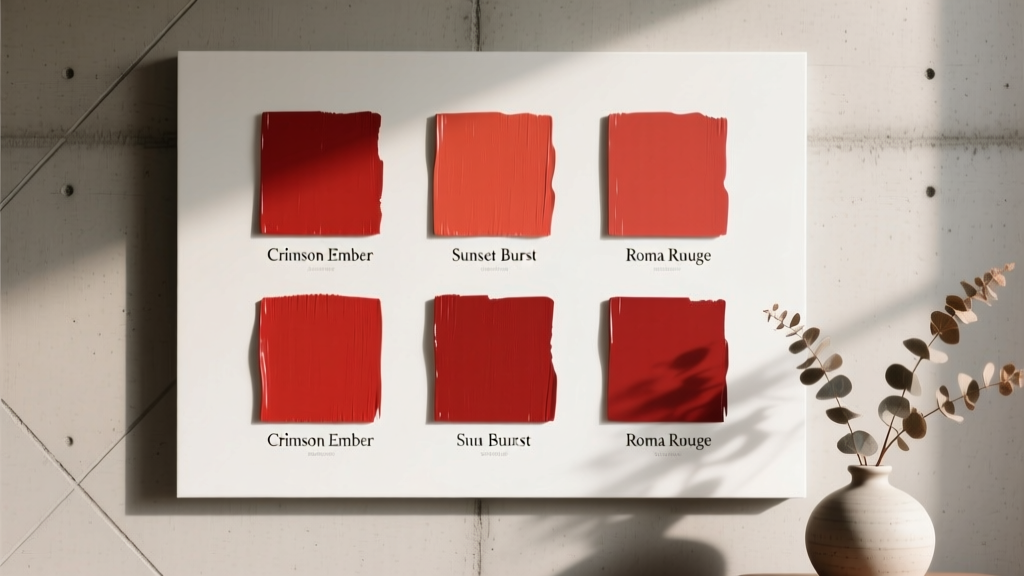 Best Tomato Red Paint Colors - The Decor Mag
 How to Create a Restraint Color Palette - The Decor Mag
 How to Choose Colors for a Garage Conversion - The Decor Mag
 Bedroom vs Open Concept: Design & Psychology 2026
 How to Test Paint Colors Before Committing - The Decor Mag
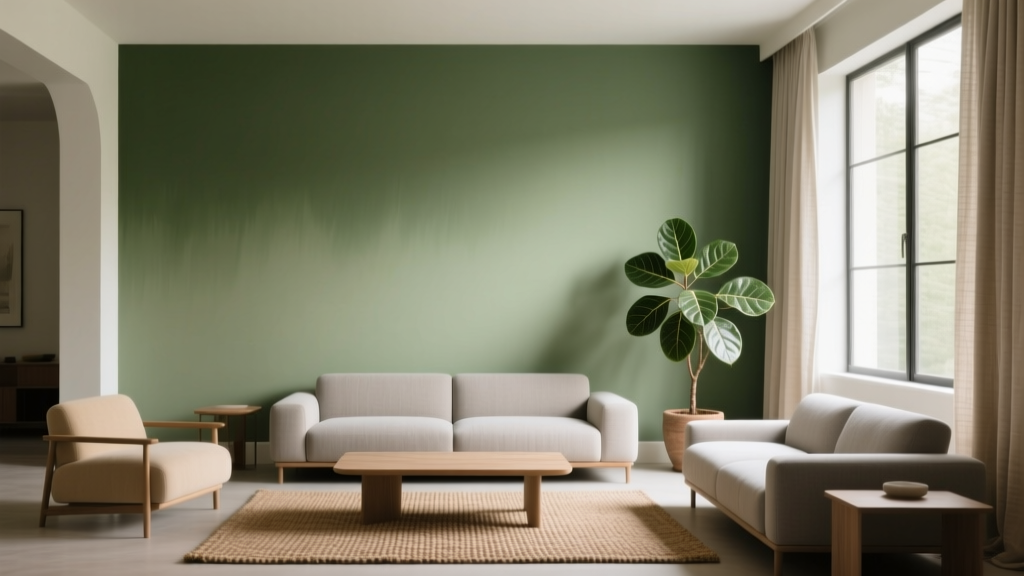 Best Avocado Green Paint Colors - The Decor Mag
 How to Choose Colors for Kitchen Cabinets - The Decor Mag
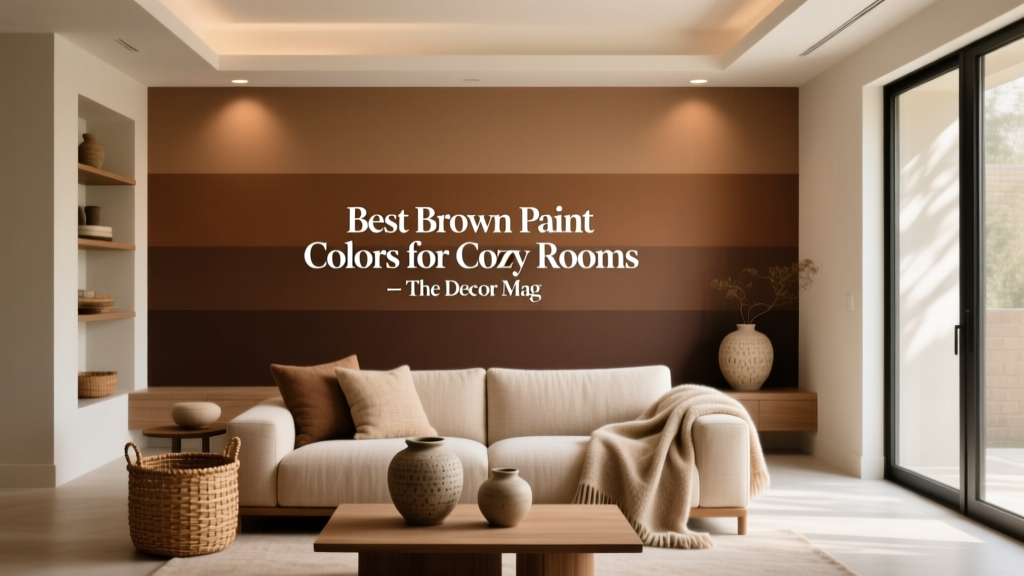 Best Brown Paint Colors for Cozy Rooms - The Decor Mag