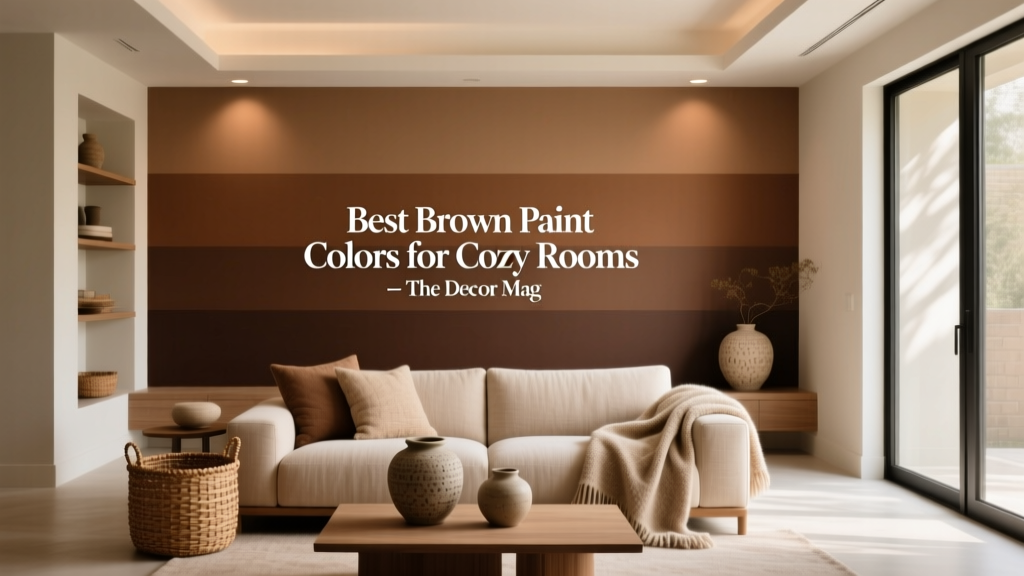
Best Brown Paint Colors for Cozy Rooms - The Decor Mag
Brown has quietly become one of the most powerful tools in modern interior color design. When used well, it creates instant comfort, adds architectural depth, and makes a room feel grounded—without the starkness that can come with bright whites or cool grays. It also plays beautifully with today’s most-loved materials: warm oak flooring, cane and rattan, aged brass, terracotta, natural stone, and textured linens.
What makes brown paint especially worth understanding is its range. “Brown” isn’t a single color; it’s a family that includes soft mushroom neutrals, caramel tans, clay-inspired earth tones, and dramatic espresso shades. The right brown paint color can make a bedroom feel like a retreat, turn a living room into a cozy gathering spot, or add sophistication to a dining room—while still working as a timeless backdrop for art, textiles, and woodwork.
This guide breaks down the best brown paint colors for cozy rooms, how undertones affect the final look, where each shade shines, and the common mistakes that cause browns to feel muddy or dated.
Why Brown Paint Feels So Cozy: Color Psychology Meets Design
From a color psychology perspective, brown is associated with stability, safety, and warmth. In interiors, it’s the visual equivalent of a cashmere throw: calming, familiar, and inviting. Design-wise, brown behaves like a “supporting neutral” that adds richness and dimension, especially in rooms where you want to unwind or connect—think bedrooms, dens, libraries, and dining spaces.
- Warm browns (golden, caramel, red-leaning) can make large rooms feel more intimate.
- Cool browns (taupe, mushroom, greige-browns) add sophistication and pair well with modern finishes.
- Deep browns (chocolate, espresso) create a cocooning effect, especially with layered lighting.
How to Choose the Right Brown Paint Color (Undertones Matter)
The most common frustration with brown paint colors is that they change dramatically from one home to another. That’s not the paint misbehaving—it's undertones reacting to light sources, flooring, and adjacent finishes.
Step 1: Identify your room’s lighting
- North-facing rooms: cooler, flatter light can make some browns look dull or gray. Favor warmer browns with caramel or soft red undertones.
- South-facing rooms: bright, warm light amplifies warmth; balanced taupes and mushroom browns often look best.
- East-facing rooms: morning light is crisp; mid-tone browns can feel fresh early and cozy later.
- West-facing rooms: late-day sun can intensify red/orange undertones; choose browns with a steadier base (taupe, cocoa) if you want calm.
Step 2: Read the undertone against your fixed finishes
Hold a sample next to the largest “non-negotiables” in the room:
- flooring (oak, walnut, tile, carpet)
- upholstery (sofa fabric, rugs)
- countertops/stone (if painting an open-plan space)
- wood trim or cabinetry
Step 3: Test properly (bigger than you think)
- Paint two coats on a 24" x 24" foam board (or use peel-and-stick samples).
- Move it around the room: bright wall, shadow wall, near windows, near lamps.
- Check it in the evening under your bulbs—brown is especially sensitive to warm LEDs.
Best Brown Paint Colors for Cozy Rooms (Designer-Favorite Picks)
Below are standout brown paint colors that consistently perform well in real homes. Use them as a starting point, then sample to confirm undertones in your space.
1) Soft Taupe & Mushroom Browns (Cozy, Modern, Flexible)
These are the “I want warmth, but not orange” browns—ideal for open-concept spaces and rooms with mixed materials.
- Benjamin Moore Edgecomb Gray (HC-173): A warm greige that reads as a light taupe in many rooms. Works beautifully with creamy trim and natural fiber rugs.
- Benjamin Moore Pashmina (AF-100): A deeper, sophisticated taupe-brown that adds coziness without going heavy. Great for offices, dens, and living rooms.
- Sherwin-Williams Accessible Beige (SW 7036): A balanced beige with gentle warmth—excellent if your home has warm wood and you want a calm, welcoming wall color.
- Farrow & Ball Elephant’s Breath (No. 229): A modern, complex taupe that can lean warm or cool depending on light; elegant in hallways and bedrooms.
Best pairings:
- Trim: warm white (Benjamin Moore White Dove OC-17, Sherwin-Williams Alabaster SW 7008)
- Accents: matte black, aged brass, linen, oatmeal boucle
- Complementary colors: muted sage, dusty blue, soft terracotta
2) Warm Tan & Caramel Browns (Golden, Inviting, Sunlit)
These shades bring a “golden hour” glow—ideal for family rooms, breakfast nooks, and spaces with lots of natural texture.
- Benjamin Moore Shaker Beige (HC-45): A classic warm tan that feels cozy and traditional, yet fresh when paired with modern décor.
- Sherwin-Williams Balanced Beige (SW 7037): A dependable, warm neutral that’s deeper than Accessible Beige and great for grounding large rooms.
- Benjamin Moore Lenox Tan (HC-44): Richer and slightly more traditional; pairs beautifully with deep greens and warm woods.
- Behr Sandstone Cove (PPU7-09): A soft tan that reads warm and welcoming; a great budget-friendly option for whole-home cohesion.
Best pairings:
- Trim: creamy whites (BM Simply White OC-117, SW Creamy SW 7012)
- Accents: cognac leather, walnut, woven shades
- Complementary colors: olive green, warm ivory, clay pink
3) Cinnamon, Clay & Red-Brown Earth Tones (Fireside Warmth)
Red-leaning browns feel especially cozy because they echo natural clay, brick, and autumnal landscapes. They’re striking in dining rooms and reading rooms, and excellent for creating a “hug” of warmth.
- Farrow & Ball Red Earth (No. 64): A grounded red-brown that feels historic and artistic—gorgeous with antique wood and warm metals.
- Benjamin Moore Tudor Brown (2105-20): Deep and warm with a traditional sensibility; best in rooms with ample light or used as an accent wall.
- Sherwin-Williams Cavern Clay (SW 7701): Technically more clay/terracotta, but it reads brown-adjacent and creates a desert-modern warmth that’s very cozy.
Best pairings:
- Trim: soft warm white or putty
- Accents: aged brass, camel, rust, natural oak
- Complementary colors: deep teal, olive, warm off-black
4) Chocolate & Espresso Browns (Moody, Cocooning, High-End)
Deep brown paint colors are a shortcut to boutique-hotel coziness. They work best with layered lighting and contrasting textiles to keep the room from feeling flat.
- Benjamin Moore Wenge (AF-180): A dramatic espresso that feels modern and architectural—excellent for libraries, media rooms, and powder rooms.
- Sherwin-Williams Urbane Bronze (SW 7048): A brown-bronze with subtle green-gray undertones; a modern classic for cozy, elevated spaces.
- Benjamin Moore Dark Chocolate (2113-10): A rich brown with depth; stunning with cream textiles and warm metallics.
- Farrow & Ball Tanner’s Brown (No. 255): Heritage-inspired and velvety, ideal for dramatic dining rooms and studies.
Best pairings:
- Trim: warm white for contrast, or color-drenched deep brown for an enveloping look
- Accents: ivory boucle, smoked glass, bronze, dark-stained oak
- Complementary colors: muted gold, forest green, inky navy
Real Room Examples: Where Brown Paint Looks Best
Cozy Living Room: Taupe-brown walls + layered neutrals
Scenario: A living room with medium-tone wood floors and a light sofa that feels “floaty.”
- Wall color: Benjamin Moore Pashmina (AF-100)
- Trim: Benjamin Moore White Dove (OC-17)
- Look: Add a wool rug in oatmeal, pillows in olive and rust, and warm metals (antique brass). The result reads cozy, tailored, and timeless.
Bedroom Retreat: Deep brown for a cocoon effect
Scenario: A bedroom that needs better sleep vibes and visual calm.
- Wall color: Sherwin-Williams Urbane Bronze (SW 7048)
- Application tip: Use it on all four walls with a soft, warm white ceiling, or color-drench walls and trim for a boutique feel.
- Styling: Cream bedding, walnut nightstands, linen drapery, and bedside lamps with warm (2700K) bulbs.
Dining Room Drama: Red-brown for glow and appetite appeal
Scenario: A dining room that feels formal and underused.
- Wall color: Farrow & Ball Red Earth (No. 64)
- Why it works: Red-browns flatter candlelight and make gatherings feel intimate.
- Pair with: A dark wood table, brass chandelier, and art with warm neutrals and deep greens.
Home Office: Warm tan that stays focused
Scenario: An office that feels sterile on white walls.
- Wall color: Sherwin-Williams Accessible Beige (SW 7036) or Benjamin Moore Edgecomb Gray (HC-173)
- Result: Warmer, less glare, better backdrop for wood shelving and black accents.
Brown Paint Color Schemes That Always Feel Cozy
When homeowners search for “cozy paint colors,” they often need a complete color scheme, not just a single shade. These combinations create warmth with balance and contrast.
- Brown + Cream + Black: Classic and grounded (great for modern farmhouse or transitional interiors).
- Brown + Olive Green + Brass: Earthy and sophisticated (perfect for living rooms and libraries).
- Brown + Dusty Blue + Warm White: Soft, calming contrast (ideal for bedrooms).
- Brown + Terracotta + Blush: Warm and welcoming (beautiful in dining areas and sunrooms).
- Brown + Charcoal + Natural Wood: Moody and modern (excellent for media rooms).
Application Guidance: Sheen, Trim, and “Color Drenching”
Choose sheen strategically
- Matte/flat: Best for most cozy rooms; reduces glare and makes browns look richer.
- Eggshell: Good for durability in living rooms and hallways while staying soft.
- Satin: Great for trim and doors; can highlight texture, so use carefully on walls with imperfections.
Trim color choices that flatter brown walls
- Warm whites keep the palette inviting (avoid icy whites that make brown look muddy).
- Putty or greige trim creates a seamless, design-forward look in modern homes.
- Deep trim (color-drenched) looks high-end in smaller rooms like powder rooms, dens, and studies.
Common Brown Paint Mistakes to Avoid
- Ignoring undertones: A brown with green undertones can clash with red-toned wood, and a red-brown can feel too intense under warm LEDs.
- Choosing a brown that’s too similar to the floor: When walls and floors match too closely, the room can feel flat. Aim for a noticeable difference in depth (lighter walls with darker floors, or vice versa).
- Using cool white trim next to warm brown: Stark whites can make warm browns look dingy. Choose creamy whites or soft off-whites instead.
- Under-lighting the room: Deep browns need layered lighting—overhead + table lamps + floor lamps—to feel cozy rather than cave-like.
- Testing only in daylight: Evening light changes everything. Always check samples at night, especially if you want a cozy effect.
FAQ: Brown Paint Colors for Cozy Interior Design
Is brown a good wall color for small rooms?
Yes—especially mushroom and taupe browns. For very small rooms, choose a mid-light brown (like Edgecomb Gray) or go intentionally dramatic with a deep brown and strong lighting for a jewel-box effect.
What’s the difference between beige, taupe, and brown?
Beige is typically a light tan with warm undertones. Taupe is a beige-brown with gray or cooler undertones. Brown is deeper and more saturated, often reading richer and more grounding on the wall.
What trim color looks best with brown walls?
Warm whites are the easiest and coziest pairing (Benjamin Moore White Dove, Sherwin-Williams Alabaster). If you want a modern look, consider a soft greige trim or a color-drenched approach using the same brown on trim and walls in different sheens.
Can I pair brown walls with gray furniture?
Yes, but choose a brown with a taupe or mushroom base to bridge the temperature. Add warm accents—brass, cream textiles, wood tones—to prevent the scheme from feeling cold.
How do I keep brown paint from looking muddy?
Use enough contrast (lighter trim, brighter textiles), pick the right undertone for your flooring, and avoid mixing too many competing warm tones (for example, orange-brown walls + orange wood + warm yellow bulbs can feel heavy).
Are brown paint colors trendy or timeless?
Brown is both: it’s trending now because people want warmer homes, but it’s inherently timeless because it echoes natural materials. A balanced taupe-brown or rich chocolate can last for years with minor décor updates.
Next Steps: Find Your Perfect Cozy Brown
Start by choosing the “type” of brown your room needs—soft mushroom for flexibility, caramel tan for warmth, clay-brown for character, or espresso for drama—then test large samples in your room’s day-and-night lighting. Build your color scheme with a warm white trim, a few contrasting accents (black, brass, or deep green), and plenty of texture (wool, linen, leather, natural wood) to bring the cozy effect to life.
If you’re ready for more guidance on undertones, coordinating trim colors, and whole-home paint palettes, explore more color guides on thedecormag.com.
More Articles
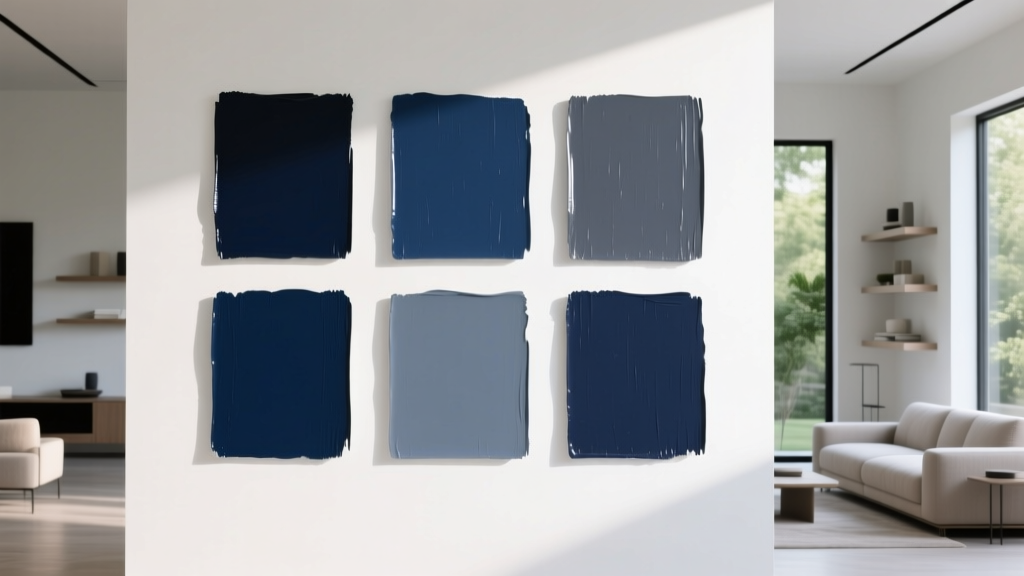 Best Navy Paint Colors for Every Style - The Decor Mag
 Best Cantaloupe Paint Colors - The Decor Mag
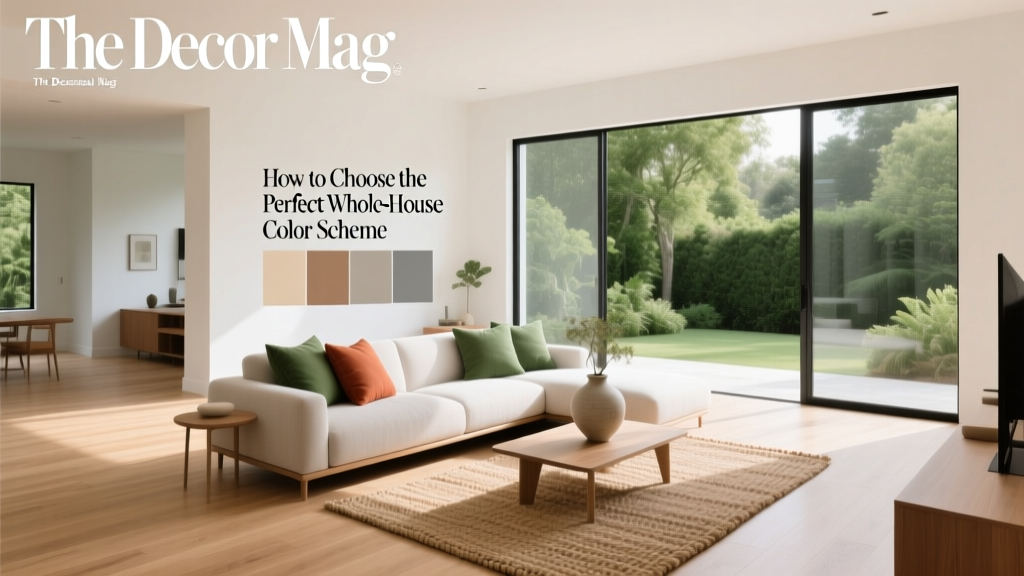 Whole-House Color Scheme: How to Choose (2026)
 Color Psychology in Living Rooms: Why Your Space Feels Off
 Best Olive Green Paint Colors (2026) | The Decor Mag
 Best Emerald Green Paint Colors - The Decor Mag
 Best Berry Red Paint Colors - The Decor Mag
 Bathroom Trends 2026: Wellness Integration, Material Innovation, and Smart Efficiency
 How to Create a Sophisticated Color Palette - The Decor Mag
 Cheap vs Premium Placement: What $0.12 CPM Really Costs Your Brand