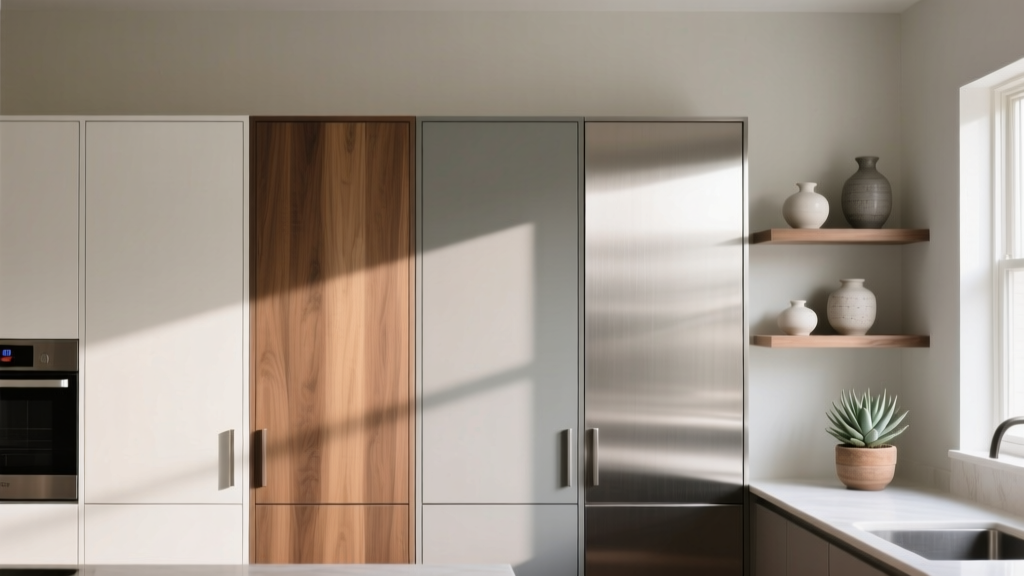
Kitchen Cabinet Interior Finish: Best Choices (2026)
The inside of your kitchen cabinets may not be the first thing you think about during a renovation, but it has a daily impact on how your kitchen looks, feels, and functions. Cabinet doors get all the attention—paint colors, hardware, and door styles—but the interior finish is what your dishes, pantry goods, and cookware actually live with. It influences durability, cleanability, moisture resistance, and even how bright and organized your storage feels.
Choosing the right kitchen cabinet interior finish can also protect your investment. A beautiful new kitchen can start looking worn quickly if cabinet interiors chip, swell from moisture, or show stains from spices and oils. On the other hand, a smart interior finish paired with thoughtful organization can make an average kitchen feel like a custom one—more efficient, easier to maintain, and more enjoyable to use.
This guide breaks down the most common cabinet interior materials and finishes, current kitchen design trends, cost ranges, and practical tips (including measurements) to help you choose confidently—whether you’re doing a full kitchen renovation or upgrading your existing cabinetry.
What “Cabinet Interior Finish” Really Means
Kitchen cabinet interior finish generally refers to two related decisions:
- Interior surface material (for cabinet boxes, shelves, and sometimes drawer sides): plywood, particleboard/MDF, solid wood, etc.
- Interior surface finish: clear coat, melamine/thermofoil, laminate, painted interior, veneered interior, or specialty coatings.
When shopping, you may hear terms like “natural maple interior,” “white melamine interior,” “clear-coated plywood,” or “UV-cured lacquer interior.” These describe the look and performance you can expect inside the cabinet box.
Start With How Your Kitchen Lives: A Quick Needs Checklist
Before comparing finishes, clarify how you use your kitchen and where your cabinets will be under stress.
Ask Yourself These Questions
- Do you cook daily (steam, oils, spices), or is the kitchen mainly light-use?
- Are there kids grabbing snacks (more scuffs) or pets (more mess)?
- Do you store heavy items like cast iron, stand mixers, or stacks of plates?
- Is your kitchen humid (poor venting, lots of boiling, near-coastal climate)?
- Do you want a bright, high-visibility interior for organization?
- Are you reusing existing cabinets and just refreshing interiors?
Rule of Thumb: Match Finish to Wear Zones
- Sink base cabinet: prioritize moisture resistance and easy wipe-down.
- Trash/recycling pull-out: prioritize odor-resistant, durable surfaces.
- Pantry cabinet: prioritize visibility (lighter interiors) and stain resistance.
- Pot-and-pan storage: prioritize scratch resistance and shelf strength.
Popular Kitchen Cabinet Interior Finish Options (With Pros, Cons, and Best Uses)
1) Natural Wood Veneer or “Natural Maple” Interiors
What it is: A wood veneer (often maple or birch) over plywood or engineered panels, sealed with a clear coat. This is a classic choice in semi-custom and custom cabinetry.
- Pros:
- Warm, premium look; fits timeless and transitional kitchens
- Hides minor scuffs better than flat white
- Easy to touch up small nicks with stain markers
- Cons:
- Can yellow slightly over time depending on coating and light exposure
- Doesn’t reflect light as well as white interiors
- Veneer can chip at edges if abused
- Best for: homeowners who want a classic, furniture-like feel and a forgiving interior that ages gracefully.
Maintenance tip: Wipe with a damp microfiber cloth and a mild dish soap solution; avoid abrasive cleaners that can dull the clear coat.
2) White Melamine Interiors (Bright, Clean, Budget-Friendly)
What it is: A white resin-saturated paper fused to a particleboard/MDF or plywood core. Common in stock cabinets and many mid-range lines.
- Pros:
- High visibility—great for kitchen organization and pantries
- Typically very stain resistant and easy to wipe clean
- Cost-effective; often standard in budget to mid-range cabinetry
- Cons:
- Edges can swell if water penetrates seams (especially in sink bases)
- Can chip at corners with hard impacts
- Looks less “custom” than wood interiors to some buyers
- Best for: busy households, rental-friendly upgrades, and anyone prioritizing bright storage and easy cleaning.
Trend watch: White cabinet interiors are gaining popularity again because homeowners want a cleaner, more “display-like” cabinet experience—especially with organized drawers, pull-outs, and clear storage bins.
3) High-Pressure Laminate (HPL) or Textured Interior Laminates
What it is: A tougher laminate surface applied to panels, often with a subtle texture. Some manufacturers offer upgraded interior laminates for heavy-use kitchens.
- Pros:
- Excellent scratch and stain resistance
- Often more moisture tolerant than basic melamine
- Available in whites, light grays, and wood looks
- Cons:
- Upcharge compared to standard melamine or basic clear-coated interiors
- Seams still matter—poor edge banding can invite water damage
- Best for: high-traffic kitchens, families, and homeowners who want a long-lasting, low-maintenance interior.
Maintenance tip: Use non-abrasive cleaners; textured laminates can hold grime in the grain if not wiped regularly.
4) Painted Cabinet Interiors (Matching or Contrasting)
What it is: The interior surfaces are painted—sometimes to match the exterior cabinet color, sometimes white, sometimes a contrasting hue for a boutique look.
- Pros:
- High-end custom feel; cohesive look when doors are open
- Allows creative design (soft gray interiors, deep green bar cabinets, etc.)
- Cons:
- Paint can scuff and show wear where dishes slide
- Touch-ups may be needed over time
- Often a premium upgrade in semi-custom lines
- Best for: glass-front uppers, beverage stations, and homeowners prioritizing a curated designer look.
Pro tip: If you love the painted-interior look but want more durability, ask about a UV-cured topcoat or a conversion varnish system (often used in higher-end cabinet finishing).
5) Clear-Coated Plywood Interiors (Durable Structure + Practical Finish)
What it is: Plywood cabinet boxes and shelves finished with a clear protective coat. Often positioned as an upgrade because plywood construction is prized in kitchen renovation circles.
- Pros:
- Strong and stable—good for heavy loads
- Better screw-holding than particleboard for hinges and hardware
- Clear finish protects from everyday grime
- Cons:
- Interior may look more utilitarian (visible wood grain/plies at edges unless banded)
- Not as bright as white interiors
- Best for: homeowners who care about long-term durability and cabinet construction quality, especially in base cabinets.
Interior Finish vs. Cabinet Construction: Don’t Confuse the Two
A beautiful interior surface won’t compensate for weak shelves or poor cabinet box construction. For kitchen cabinet durability, pay attention to these specs:
- Shelf thickness: Look for 3/4 inch shelves in pantries and wide base cabinets; thinner shelves can sag under dishes.
- Shelf span: If a shelf spans more than 30–36 inches, sag risk increases—consider thicker shelves, a center support, or pull-out trays.
- Edge banding: Moisture often enters through exposed edges. Ask if edges are PVC edge banded or sealed thoroughly.
- Box material: Plywood generally resists moisture damage better than standard particleboard, but well-finished engineered panels can perform well when protected from water exposure.
Choosing the Right Finish by Cabinet Type
Sink Base and Dishwasher Adjacent Cabinets
These areas face the most moisture. Favor easy-to-clean, water-resistant options.
- Best choices: HPL laminate interiors, well-sealed melamine with robust edge banding, clear-coated plywood with sealed edges
- Smart add-ons:
- Waterproof cabinet mat or drip tray insert
- Pull-out tray to lift cleaning supplies off the cabinet floor
Measurement tip: Leave at least 1/2 inch clearance around plumbing pipes when adding liners or organizers, so nothing rubs and traps moisture.
Pantry Cabinets and Food Storage
Visibility and stain resistance matter most here.
- Best choices: White melamine, light-gray laminate, painted white interiors
- Organization pairing: Add pull-out trays that are 18–22 inches deep for standard pantry cabinets, and use clear bins with labels for a streamlined look.
Pot, Pan, and Small Appliance Storage
Durability and shelf strength come first.
- Best choices: Clear-coated plywood interiors, HPL laminate
- Design approach: Use deep drawers rather than shelves when possible; drawers reduce scuffing because items aren’t dragged across a shelf surface.
Glass-Front Uppers and Display Cabinets
These are seen more often, so a premium interior finish can elevate the whole kitchen.
- Best choices: Painted interiors, natural wood interiors, light-reflective white interiors
- Trend watch: “Showcase cabinets” with interior lighting are popular in 2025 kitchen design—pair them with a bright interior finish to amplify the glow.
Design Trends That Affect Interior Finish Choices
- Brighter, more organized storage: White or light interiors paired with drawer organizers and pull-out trays are popular because they reduce visual clutter.
- Mixed materials: Warm wood tones are trending, and natural wood interiors complement white oak, walnut accents, and soft neutral palettes.
- Dedicated zones: Coffee bars, appliance garages, and pantry walls work better when the interior finish is easy to wipe and visually clean.
- Timeless functionality: Regardless of trend, moisture resistance at the sink and durable shelving in base cabinets always matter.
Cost Ranges and Budget Considerations
Pricing varies by cabinet brand, construction, and region, but these ranges help set expectations during a kitchen renovation:
- Standard white melamine interior (stock to mid-range): often included; upgrades may be minimal or none
- Natural wood veneer interior (maple/birch) in semi-custom lines: typically $300–$1,500 added for an average kitchen package, depending on brand and scope
- Painted matching interiors: commonly a premium upgrade, often 5%–15% added to cabinet cost
- Upgraded interior laminate/HPL: can add $500–$2,000+ depending on number of cabinets and manufacturer options
- Replacing or refacing cabinet interiors (existing boxes): shelf/interior panel upgrades can range from $200–$1,000+ for materials, plus labor if hired
Where to spend: If your budget is tight, put upgrades into the cabinets that take the most abuse (sink base, trash pull-out, pantry pull-outs) and keep standard interiors elsewhere.
Specific Recommendations: Materials, Layouts, and Product Add-Ons
Best Interior Finish Pairings (Simple and Effective)
- Busy family kitchen: white melamine or HPL + full-extension drawer glides + wipeable shelf liners
- Luxury or design-forward kitchen: painted interiors (especially for uppers) + integrated cabinet lighting
- Heavy cookware household: clear-coated plywood + deep drawers + roll-out trays
- Small kitchen needing brightness: white interiors + under-cabinet lighting + reflective backsplash
Practical Measurements for Better Cabinet Function
- Pull-out trays: choose trays rated for 75–100 lbs in pot-and-pan zones
- Drawer depth: deep drawers at 10–12 inches tall reduce stacking and scraping
- Shelf spacing: for dinner plates, plan 10–12 inches between shelves; for small appliances, 14–16 inches
- Toe-kick step stool storage: consider a 3–4 inch toe-kick drawer if your layout allows (great in pantries)
Interior Organization Products That Protect the Finish
- Shelf liners: use non-adhesive, washable liners (adhesive liners can pull finish or leave residue)
- Under-sink mats: waterproof silicone or molded plastic mats help prevent swelling and staining
- Drawer organizers: wood or BPA-free plastic inserts reduce sliding and scuffs
- Soft-close hardware: reduces impact wear on cabinet boxes over time
Maintenance and Cleaning: Keep Interiors Looking New
- Weekly: quick wipe of high-use cabinets (trash pull-out, snack drawers) with mild soap and water
- Monthly: remove shelf liners, clean crumbs and spice dust, fully dry before replacing
- Immediately: wipe spills—especially oils, turmeric, coffee, and vinegar-based liquids
Avoid: abrasive powders, scouring pads, and harsh solvents. Even durable laminate can dull or scratch with the wrong tools.
Common Mistakes to Avoid
- Choosing the prettiest interior finish without considering moisture zones. The sink base needs water protection more than style.
- Ignoring edge banding quality. Many cabinet interior failures start at exposed edges where water gets in.
- Underestimating shelf load. Thin shelves bow over time; upgrade thickness or add roll-outs for heavy items.
- Going too dark inside pantries. Dark interiors reduce visibility and can make organization harder (unless you add strong lighting).
- Using adhesive shelf liners. They can trap moisture, leave residue, and damage finishes during removal.
- Skipping interior lighting. Even a perfect interior finish feels less functional if you can’t see what you’re storing.
FAQ: Kitchen Cabinet Interior Finishes
What is the most durable kitchen cabinet interior finish?
High-pressure laminate (HPL) and well-made melamine interiors are among the most durable for stain resistance and easy cleaning. For structural durability (screw-holding and load strength), clear-coated plywood cabinet boxes perform very well.
Are plywood cabinet interiors always better than particleboard?
Plywood is generally stronger and more moisture tolerant, but performance depends on sealing, edge banding, and installation quality. A well-finished melamine interior can be very practical in low-moisture areas like uppers and pantries.
Should cabinet interiors match the exterior color?
Matching interiors look high-end, especially for glass-front cabinets and open shelving moments. For everyday kitchens, many homeowners prefer white interiors for visibility and a cleaner look.
How do I protect cabinet interiors under the sink?
Use a waterproof sink mat, keep cleaners in a pull-out caddy to prevent bottle rings, and fix plumbing leaks quickly. If you’re renovating, consider a more water-resistant interior finish for the sink base cabinet.
Can I repaint my existing cabinet interiors?
Yes, with the right prep. Clean thoroughly, scuff-sand, use a bonding primer, and apply a durable cabinet-grade paint. Painted interiors can scuff over time, so pairing paint with shelf liners and gentle cleaning helps.
Do white cabinet interiors stain easily?
They can show colored spills more quickly, but melamine and laminate wipe clean easily if you act fast. Spices like turmeric and chili powder are the biggest culprits—store them in bins to prevent staining.
Next Steps: Choose With Confidence
To choose the right kitchen cabinet interior finish, start by identifying your heavy-use zones, decide whether brightness or warmth matters more to you, and match the finish to your kitchen’s real-life demands. Ask your cabinet supplier for interior samples, check edge banding and shelf thickness, and prioritize moisture protection where it counts.
- List your cabinet zones (sink base, pantry, pots/pans, display) and assign a finish priority for each.
- Request samples in your actual kitchen lighting (day and night).
- Confirm shelf thickness, load ratings for pull-outs, and edge banding details before ordering.
- Add simple upgrades—mats, liners, organizers, and lighting—to extend the life of any interior finish.
For more kitchen renovation guidance, cabinet organization ideas, and on-trend design inspiration, explore the latest articles and home decor features on thedecormag.com.
More Articles
 Best Kitchen Cleaning Supply Storage - The Decor Mag
 Kitchen Wood Beams Ceiling Design - The Decor Mag
 Kitchen Brass Hardware Renaissance - The Decor Mag
 Kitchen That Inspires Cooking: Design Ideas (2026)
 How to Choose Kitchen Cabinet Pull Length - The Decor Mag
 Kitchen Limewash Paint Cabinet Finish - The Decor Mag
 Modern Kitchen Design Trends for 2026 - The Decor Mag
 Best Kitchen Pot Lid Organization - The Decor Mag
 Best Kitchen Cutting Board Wall Mount Ideas - The Decor Mag
 Best Kitchen Stool and Bar Seating Picks - The Decor Mag