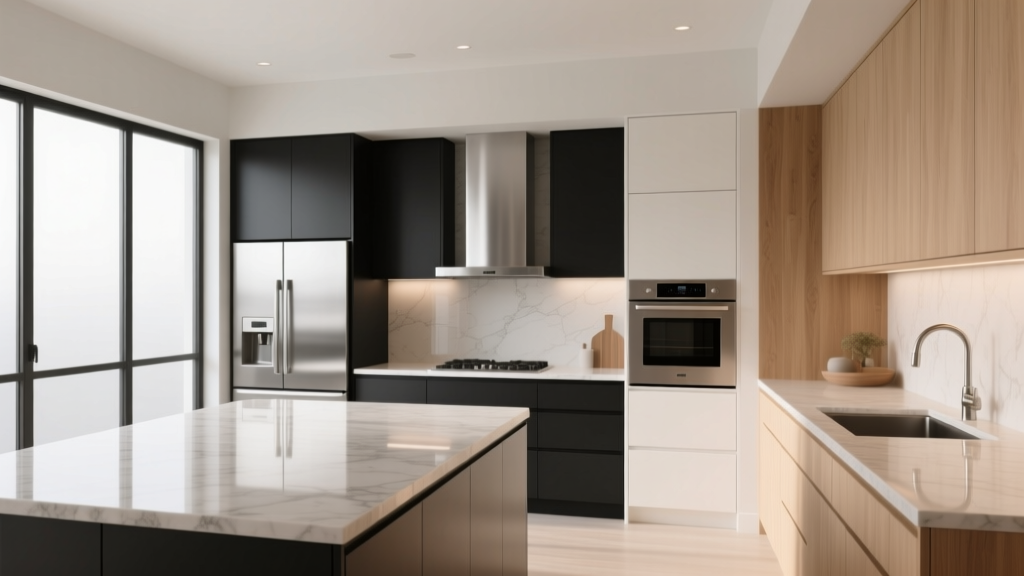
Best Kitchen Appliance Color Matching - The Decor Mag
Appliances take up more visual real estate in a kitchen than most homeowners expect. A refrigerator can span 30–48 inches, a range is often the focal point on the main wall, and a dishwasher sits right in the cabinetry run where your eye naturally travels. When those surfaces clash with cabinetry, countertops, or hardware, even an expensive renovation can feel “slightly off.” When they match—or intentionally coordinate—the entire room feels more cohesive, calm, and polished.
Color matching appliances isn’t about making everything identical. The best kitchens balance harmony with contrast: a stainless range that complements warm brass pulls, a panel-ready fridge that disappears into cabinetry, or a statement color range that anchors the design. The goal is a space that looks intentional, functions smoothly, and stays timeless as trends shift.
This guide breaks down the best ways to match kitchen appliance colors to cabinets, countertops, and finishes—plus practical measurements, cost ranges, maintenance advice, and common mistakes to avoid so you can renovate with confidence.
Start With a Simple Color Plan (Before You Shop)
Before choosing appliance finishes, map the “fixed” elements first. Appliance color matching is easiest when you choose a clear palette and know which finish is the star.
The 60/30/10 kitchen color rule (appliance-friendly)
- 60% = dominant surface (typically cabinetry or wall color)
- 30% = secondary surface (countertops, backsplash, floors)
- 10% = accents (appliance statement color, hardware, lighting)
Decide your appliance role
- Blend in: panel-ready appliances or low-contrast finishes so cabinetry and counters lead
- Coordinate: appliances match each other (all stainless, all matte black), while cabinets and hardware provide personality
- Stand out: one hero appliance (often the range) in a bold or premium finish
Practical tip: build a mini “finish board”
Collect (or order) small samples and evaluate them together under kitchen lighting:
- Cabinet door sample (or paint chip)
- Countertop sample (quartz, granite, laminate, etc.)
- Hardware sample (pull/knob)
- Appliance finish swatches if available (many brands offer sample chips for black stainless, matte white, etc.)
Appliance Finishes That Match Most Kitchens (And When to Use Them)
Stainless steel: the versatile classic
Best for: transitional, modern, and professional-style kitchens; resale-friendly renovations.
Pairs well with: white cabinets, wood tones (oak, walnut), gray cabinets, marble-look quartz, granite, and most backsplashes.
Design approach: Use stainless to “bridge” mixed metals. For example, stainless appliances with brass hardware and black lighting works when you repeat each finish at least twice.
Maintenance: Choose a brushed finish or fingerprint-resistant coating if possible. Wipe with a microfiber cloth and a stainless cleaner, moving with the grain.
Typical cost range:
- Stainless appliance packages: $2,500–$10,000+ depending on brand and features
- Pro-style ranges and built-ins: $4,000–$15,000+
Matte black: high-contrast and trend-forward (but can be timeless)
Best for: modern, Scandinavian, industrial, and high-contrast kitchens.
Pairs well with: white cabinets, light wood, concrete-look countertops, and bold tile backsplashes.
Design approach: Add at least one other matte black element (faucet, pendants, or cabinet pulls) so appliances don’t look isolated.
Maintenance: Matte black can show oil smudges; use gentle soap and water and avoid abrasive pads. Keep a soft cloth in a drawer for quick touch-ups.
Typical cost range: Often similar to stainless; some brands price matte black slightly higher by $100–$500 per appliance.
White appliances: clean, bright, and back in style
Best for: smaller kitchens that need visual lightness, cottage and coastal styles, and modern minimal spaces with warm neutrals.
Pairs well with: beige/taupe cabinets, natural oak, light gray, butcher block, and soft brass.
Design approach: For a current look, choose matte or satin white (not glossy builder-grade). Pair with a warm backsplash (cream zellige, linen-look tile) to avoid a sterile feel.
Maintenance: Clean with non-yellowing cleaners; avoid harsh bleach on coatings. Wipe spills quickly to prevent staining.
Typical cost range: Comparable to stainless; basic white models can be less expensive in entry-level lines.
Black stainless: sleek, but brand matching matters
Best for: homeowners who like the depth of black without going fully matte black.
Watch out: “Black stainless” varies widely by manufacturer. Mixing brands can look mismatched (some lean charcoal, others warm graphite).
Maintenance: Some coatings can scratch; use soft cloths only. Consider extended warranties if you have kids or heavy daily use.
Panel-ready (integrated) appliances: the most seamless match
Best for: custom or semi-custom cabinetry projects where you want appliances to disappear.
Works well with: any cabinet color—especially bold or richly grained wood where you don’t want metal “interruptions.”
Budget reality: Panel-ready units cost more, plus you’ll need cabinet panels and installation labor.
Typical cost range:
- Panel-ready dishwasher: $900–$2,000+
- Built-in panel-ready refrigerator: $6,000–$15,000+
- Cabinet panels + hardware + labor: often $300–$1,500+ depending on scope
Statement colors (navy, green, burgundy): the “hero range” trend
Best for: kitchens with a clear focal wall and strong supporting neutrals.
Design approach: Let the range be the 10% accent. Keep surrounding finishes calmer: simple countertops, a classic backsplash, and hardware that repeats the appliance trim (brass, chrome, or black).
Typical cost range: Most common in premium and pro-style ranges: $5,000–$20,000+.
Match Appliances to Cabinets and Countertops: Proven Pairings
White cabinets: most flexible, but avoid “floating metal”
- Best appliance matches: stainless, matte black, white, panel-ready
- Countertop pairings: marble-look quartz, warm white quartz, light granite
- Tip: If you choose stainless, repeat it in a stainless hood, toaster, or bar stools with metal legs so it feels integrated.
Wood cabinets (oak, walnut, maple): lean into warmth
- Best appliance matches: stainless, panel-ready, matte black (for contrast)
- Countertop pairings: warm white quartz, soapstone-look quartz, honed granite
- Tip: Avoid stark bright-white glossy appliances next to rich wood unless the rest of the palette is intentionally high contrast.
Gray cabinets: choose undertone-friendly finishes
- Cool gray cabinets: stainless, chrome hardware, crisp white appliances
- Warm greige cabinets: matte black, brass hardware, off-white appliances
- Tip: Hold samples against your cabinet finish in both daylight and evening light—gray shifts dramatically.
Dark cabinets (navy, charcoal, black): prioritize balance
- Best appliance matches: stainless (classic contrast), panel-ready (sleek), matte black (moody and modern)
- Countertop pairings: light quartz for contrast, or mid-tone stone for a softer blend
- Tip: Add under-cabinet lighting (3000K warm white is a popular choice) so dark finishes don’t feel heavy.
Layout and Placement Tips That Affect Color Matching
Even perfect color coordination can look off if the appliance layout feels scattered. Use placement to create “visual blocks” of finish.
Group finishes when possible
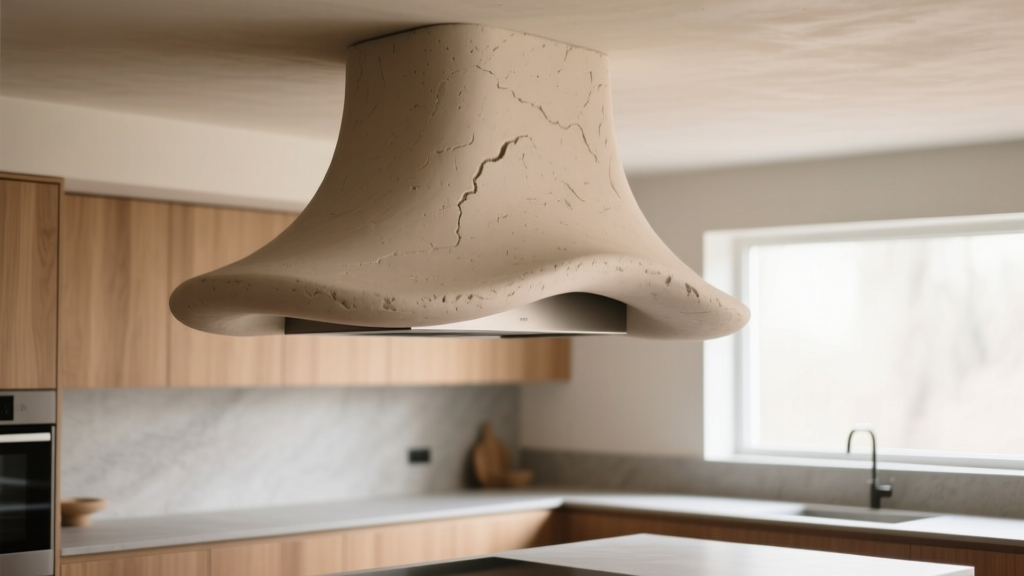
- Keep the range + hood in a coordinated pair (both stainless, both black, or a planned mix like a stainless range with a plaster hood).
- On a long run, place the dishwasher adjacent to the sink and consider panel-ready if the run is highly visible.
- If your refrigerator is the first thing you see from the entry, consider panel-ready or choose a finish that complements nearby cabinetry.
Practical measurements that help the kitchen look intentional
- Standard appliance widths: 24" dishwasher, 30" range, 36" range (pro style), 30"–36" counter-depth fridge, 36"–48" built-in fridge.
- Walkway clearance: aim for 42" in a working kitchen; 48" is ideal for two cooks or high traffic.
- Island clearance: keep at least 42" between island and appliance doors so finishes don’t “collide” visually and functionally.
Hardware, Faucet, and Lighting: The Secret to Cohesive Appliance Color Matching
Appliances rarely match cabinet hardware perfectly—and they don’t need to. The key is repetition and undertone harmony.
Easy coordination rules
- Repeat each metal finish at least twice. Example: stainless appliances + stainless sink + stainless pot filler.
- Choose one dominant metal. Let it show up on appliances or hardware, then add a secondary metal in lighting.
- Match undertones. Warm brass pairs better with warm whites and wood; chrome/nickel leans cooler and cleaner.
Popular 2025-style combinations (trend-aware but not trendy)
- Stainless appliances + polished nickel hardware + soft white cabinets (bright, classic, upscale)
- Matte black appliances + natural oak cabinets + creamy quartz (warm modern)
- Panel-ready fridge + statement range in deep green + unlacquered brass accents (bespoke, inviting)
Budget Considerations: Where to Spend and Where to Save
Where spending more improves matching and longevity
- Panel-ready integration (biggest visual payoff)
- Consistent brand lines for specialty finishes like black stainless
- Better coatings (fingerprint resistant stainless, durable matte finishes)
Where you can save without sacrificing the look
- Choose a standard finish (stainless or white) rather than specialty colors
- Use a budget-friendly dishwasher and go panel-ready later (cabinet-ready planning helps)
- Invest in lighting and hardware to elevate the whole kitchen even with mid-range appliances
Realistic budget ranges for appliance color matching projects
- Cosmetic refresh (hardware + lighting + coordinated small appliances): $300–$2,000
- Mid-range appliance swap (same layout, coordinated finishes): $2,500–$8,000
- Major upgrade (panel-ready fridge, new range/hood, possible electrical/plumbing): $10,000–$25,000+
Material Comparisons: How Surrounding Surfaces Change Appliance Color
Countertops
- Quartz: consistent patterning; makes matching easier. Great with stainless, matte black, and white appliances. Low maintenance.
- Granite: more movement and warm/cool variation; bring appliance samples to the slab yard when possible. Needs periodic sealing depending on stone.
- Butcher block: adds warmth and softens stainless or black appliances. Requires regular oiling and careful moisture control near sinks.
Backsplashes
- Glossy tile: reflects appliance finishes; can amplify mismatches.
- Matte tile: hides minor variations and feels softer with matte appliances.
- Slab backsplash: creates a premium, unified look—especially effective with panel-ready appliances.
Common Mistakes to Avoid
- Mixing “almost matching” specialty finishes. Black stainless from two brands often clashes. If you can’t match the exact line, go with classic stainless or panel-ready.
- Ignoring undertones. A warm off-white appliance can look yellow next to cool bright-white cabinets.
- Choosing a bold appliance color without supporting elements. A colored range looks random unless you repeat the tone subtly (art, rug, pottery, or cabinet color on an island).
- Overloading the kitchen with competing focal points. If you want a statement range, keep the backsplash and pendants simpler.
- Forgetting maintenance realities. High-gloss black shows fingerprints; matte finishes can show oil smears; stainless shows streaks if cleaned across the grain.
- Not planning for ventilation. A mismatched hood can disrupt the whole wall. If you’re investing in a pro-style range, budget for a hood that fits the style and output.
Maintenance Advice for a Like-New Look
- Stainless steel: microfiber cloth + cleaner, wipe with the grain; avoid abrasive sponges.
- Matte black/white: gentle dish soap + warm water; dry immediately to prevent streaking.
- Coated finishes (black stainless): use manufacturer-approved cleaners; avoid powders and harsh degreasers.
- Habit that helps: Keep a small cleaning caddy under the sink with a microfiber cloth and a safe cleaner for your finish—quick wipe-downs prevent buildup.
FAQ: Kitchen Appliance Color Matching
Should all kitchen appliances be the same color?
Not always. Matching all appliances (all stainless or all matte black) is the easiest path to cohesion, but a mixed approach works when it’s intentional—such as a panel-ready fridge with a stainless range, or a statement range with neutral supporting appliances.
Is stainless steel going out of style?
Stainless remains a timeless kitchen design choice because it coordinates with most cabinet colors and countertops, works in modern and traditional kitchens, and holds resale appeal. Current trends simply offer more alternatives (matte black, matte white, panel-ready) rather than replacing stainless.
How do I match black stainless if I’m replacing one appliance?
Try to stay within the same brand and product line. If that’s not possible, bring a finish sample or a removable panel/handle reference to compare in person. When the match is off, switching to classic stainless for the replacement often looks more intentional than mismatched black stainless.
Do panel-ready appliances cost more than standard finishes?
Yes. Panel-ready models are typically more expensive, and you’ll also pay for cabinet panels and installation. The payoff is a seamless look that elevates high-end and minimalist kitchens.
What appliance finish is best for a small kitchen?
Panel-ready and white appliances tend to feel visually lighter, helping a small kitchen look larger. Stainless can also work well if you keep the rest of the palette bright and use good lighting to prevent visual clutter.
Can I mix metals if I have stainless appliances?
Yes. Stainless appliances pair well with brass, matte black, and polished nickel. Keep one metal dominant and repeat each finish at least twice (hardware + lighting, or faucet + accessories) for a cohesive kitchen design.
Next Steps: A Simple Plan for Getting the Match Right
- Choose your dominant finish (cabinet color) and confirm undertones with countertop samples.
- Pick an appliance strategy: blend (panel-ready), coordinate (all one finish), or spotlight (statement range).
- Confirm lighting temperature (often 2700K–3000K for warm, inviting kitchens) and re-check samples under that light.
- Lock your metals (hardware, faucet, lighting) so appliance finishes look intentional.
- Budget for the details that make matching work: hood choice, panels, and installation clearances.
Appliance color matching is one of the fastest ways to make a kitchen renovation look professionally designed—whether you’re doing a full remodel or a smart refresh. For more kitchen design trends, renovation planning tips, and organization ideas, explore the latest inspiration on thedecormag.com.
More Articles
 Kitchen Honed Marble Countertop Beauty - The Decor Mag
 Kitchen Style & Function: Design Tips (2026)
 Kitchen Curved Island Design Trends - The Decor Mag
 Vintage Kitchen Decor: Ideas & Tips (2026)
 How to Choose Kitchen Cabinet Glass Type - The Decor Mag
 Kitchen Plaster Range Hood Organic Look - The Decor Mag
 Friendly vs. Solutions: A Practical, Kitchen-Tested Comparison of Two Leading Countertop Materials
 Kitchen Leaded Glass Cabinet Doors - The Decor Mag
 10 Sustainable Kitchen Swaps for 2026
 Kitchen Two-Tone Cabinet Ideas - The Decor Mag