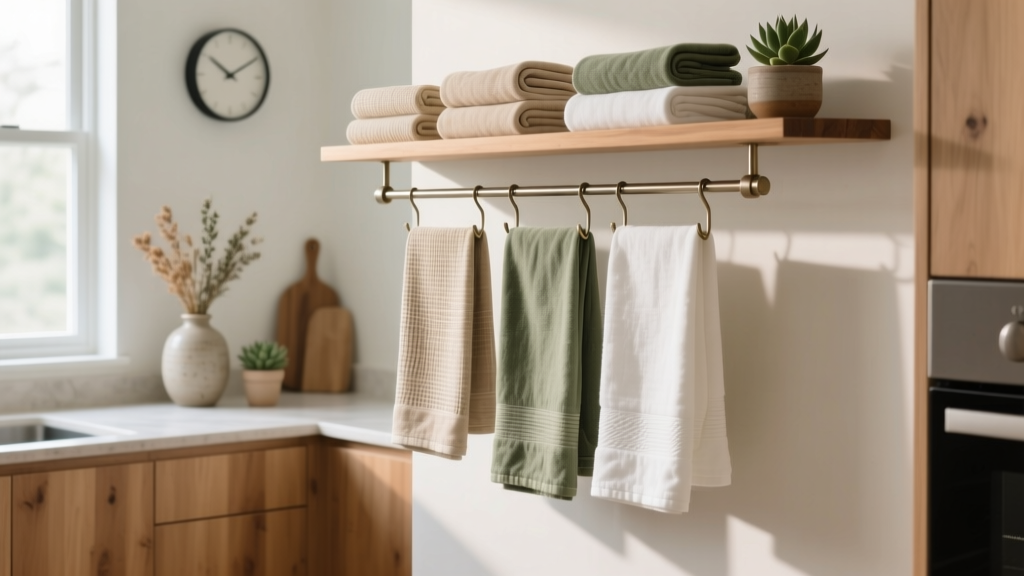
Best Kitchen Towel Storage Ideas - The Decor Mag
Kitchen towels do more heavy lifting than almost any other accessory in a working kitchen. They dry hands, polish glassware, handle hot lids, wipe quick spills, and protect countertops—often all in the same hour. When towel storage is poorly planned, the results show up fast: damp towels left on counters, cluttered drawer fronts, towels sliding off oven handles, and that lingering “never quite dry” smell.
Smart kitchen towel storage is one of the easiest ways to make a kitchen renovation feel more functional without changing the entire layout. It also elevates day-to-day organization in existing kitchens, especially if you’re updating hardware, adding accessories, or refreshing finishes. The best solutions keep towels accessible where you use them most, allow airflow for drying, and look intentional—whether your style is modern, transitional, or classic.
This guide covers practical towel storage ideas for every kitchen size and budget, with measurements, material recommendations, current kitchen design trends, and the common mistakes that undermine even beautiful kitchen spaces.
Plan First: Where Do You Actually Use Towels?
Before buying hooks or drilling into tile, map towel “zones” the same way designers plan task lighting. Most kitchens benefit from at least two towel stations:
- Sink zone: hand-drying and quick wipe-downs
- Prep/cook zone: wiping hands, grabbing hot handles (use dedicated towels), quick cleanup
Use these placement guidelines for renovation planning or quick upgrades:
- Distance from sink: within 12–24 inches of the sink edge is ideal for hand-drying.
- Height for bars/hooks: 42–48 inches from the floor is comfortable for most adults; adjust based on your household.
- Clearance from heat: keep towels at least 12 inches away from cooktop edges and 6 inches from oven vents to reduce fire risk and grease buildup.
Hanging Storage: The Most Functional Options
Hanging towels encourages airflow, which means faster drying and fewer odors. These are the most reliable kitchen organization upgrades, and many work without a full remodel.
1) Wall-Mounted Towel Bars (Timeless and Clean-Lined)
A wall-mounted towel bar is a classic for a reason: it’s stable, easy to use with one hand, and visually tidy. This is a strong choice in modern and transitional kitchen design, especially when matched to cabinet hardware finishes.
Best locations:
- On the side wall near the sink
- On the end panel of a peninsula
- Near a pantry or prep counter (away from splatter zones)
Recommended measurements:
- Single towel bar length: 18–24 inches for one or two towels
- Two-bar stacking: space bars 6–8 inches apart vertically
- Depth: 2–3 inches from wall is typical; 3–4 inches can make grabbing easier
Materials and finishes:
- Stainless steel: durable, resists rust; ideal near sinks
- Brass: warmer, on-trend; choose solid brass or high-quality PVD finish for longevity
- Matte black: striking in modern kitchens; wipe often to prevent water spotting
Cost range: $15–$80 for standard bars; $80–$200+ for designer lines or solid brass.
2) Hooks: Small Footprint, High Impact
Hooks are one of the easiest kitchen renovation add-ons because they work where bars won’t—tight corners, cabinet sides, and narrow walls. They’re also great when you want separate towels for hands, dishes, and cleanup.
Design tip: Use two to three hooks in a row near the sink to rotate towels and allow full drying.
Recommended spacing:
- Between hooks: 4–6 inches so towels don’t overlap too much
- From countertop edge: 3–6 inches above to avoid drips onto the counter
Best materials:
- Stainless steel or zinc alloy: affordable and moisture-resistant
- Powder-coated metal: good durability; choose reputable brands to prevent chipping
Cost range: $2–$15 per hook; $20–$60 for coordinated sets.
3) Over-the-Cabinet-Door Bars (Great for Renters)
Over-the-door towel bars are a popular kitchen organization product because they require no drilling. They work best on sink base cabinet doors or pantry doors.
What to look for:
- Protective backing: rubber or felt to prevent scratches
- Thin profile: to avoid interfering with door closing (aim for 1.5–2 mm clearance tolerance)
- Stability: anti-slip pads or tension features
Cost range: $10–$40.
Common issue: These can rattle or shift. If the bar moves, add thin adhesive felt pads where it contacts the cabinet.
4) Appliance Pulls and Oven Handle Towels (Use With Care)
Draping towels over an oven handle is common, but it’s not the most hygienic or durable approach. Heat and grease shorten towel life, and towels can slide onto the oven door or floor.
If you use this method:
- Choose a thicker waffle weave towel that grips better.
- Use an oven door towel clip or a discreet silicone band to prevent slipping.
- Reserve oven-handle towels for decorative display, not primary hand-drying.
Cost range: $5–$25 for clips/bands; towels vary widely ($5–$25 each for quality cotton).
Drawer and Cabinet Storage: Hidden, Streamlined, and Renovation-Friendly
If you prefer minimal visual clutter—especially in contemporary kitchen design—dedicated drawer or cabinet storage keeps towels out of sight while staying organized.
5) Dedicated Towel Drawer with Dividers
A shallow drawer near the sink (or in a prep zone) is one of the most functional upgrades you can build into a kitchen renovation. Add dividers so clean towels don’t become a messy stack.
Ideal drawer specs:
- Depth (front-to-back): 18–22 inches is typical in modern cabinetry
- Height: 4–6 inches for folded towels; 7–9 inches if you store bar mop towels in bulk
- Divider spacing: 4–6 inches per section for standard folded towels
Best materials for dividers:
- Maple or birch wood inserts: durable, classic, and easy to wipe
- Bamboo organizers: budget-friendly and moisture-tolerant; avoid soaking
- Acrylic dividers: clean look, easy maintenance; can slide if not fitted
Cost range: $20–$80 for organizers; $150–$400+ to add a drawer during a remodel depending on cabinetry line and hardware.
6) Pull-Out Base Cabinet Organizer (Best for Bulk Towels)
If you buy towels in sets or store seasonal linens, a pull-out organizer in a base cabinet keeps everything visible and accessible—especially useful in family kitchens and busy households.
Recommended setup:
- Wire pull-out basket: increases airflow; better for linens than sealed bins
- Soft-close slides: reduce slamming and protect cabinet structure
- Labeling: “Hand,” “Dish,” “Cleaning,” “Guest” for quick grab-and-go
Cost range: $60–$200 for retrofit pull-outs; $200–$500+ for premium soft-close systems.
7) Under-Sink Towel Storage (Only If You Control Moisture)
The under-sink cabinet is tempting, but humidity and leak risk can ruin textiles. If you use it, treat it like a controlled storage zone.
Make it work:
- Install a waterproof under-sink mat (silicone or molded plastic).
- Use elevated bins or a pull-out shelf so towels aren’t on the cabinet floor.
- Add a moisture absorber if your cabinet runs damp.
Cost range: $15–$40 for mats; $15–$60 for bins; $5–$20 for moisture absorbers.
Creative and Stylish Towel Storage Ideas (That Still Work)
Design trends in 2025 continue to favor warm metals, mixed materials, and thoughtful “utility as decor.” These ideas blend function with a styled look—without sacrificing practicality.
8) Open Shelving with a Towel Stack (Best for Clean, Dry Towels)
Open shelving looks beautiful in renovated kitchens, especially when paired with stone backsplashes or handcrafted tile. Use shelves for clean towel storage only and keep used towels on hooks/bars.
Styling rules that stay functional:
- Fold towels to a consistent size (approx. 10 x 12 inches folded rectangle) for neat stacks.
- Limit to 6–10 towels per stack to prevent toppling.
- Keep shelves away from the cooktop to reduce grease film.
Maintenance: wipe shelves weekly; launder display towels frequently to prevent dust buildup.
9) Towel Ladder or Slim Rail (For Larger Kitchens or Pantries)
A slim towel ladder (wood or metal) can be a striking addition in a walk-in pantry, scullery, or spacious kitchen. It’s also helpful for air-drying multiple towels without crowding.
Placement: keep at least 24–30 inches of clear walking space around it to avoid traffic bottlenecks.
Cost range: $50–$250 depending on material and brand.
10) Integrated End-Panel Towel Bar (Designer Look During Renovations)
For a truly seamless built-in feel, mount a towel bar to the end panel of an island or peninsula. This is a favorite among designers because it keeps towels right where hands are washed and prep happens—without interrupting backsplash tile or upper cabinetry.
Best practice: install with blocking or high-quality anchors, especially if the panel is thin MDF. Choose a bar that projects 2.5–3.5 inches so towels hang freely.
Cost range: $25–$120 for hardware; $100–$300+ if a new end panel is needed during the remodel.
Material and Towel Choices That Improve Storage Results
Even the best towel storage ideas fail if towels stay damp or shed lint. Pair your storage plan with the right textiles.
Best towel materials for kitchens
- 100% cotton (terry or flat weave): absorbent, durable, easy to wash; may lint initially
- Waffle weave cotton: dries faster, less bulky on hooks and bars; great for hand towels
- Huck towels: excellent for glassware and lint-free drying; popular for polished, modern kitchens
- Microfiber (for cleaning only): great for streak-free wipe-downs; keep separate from food-contact towels
Hardware material comparisons
- Stainless steel: best all-around for wet zones; low maintenance
- Solid brass / PVD-coated finishes: premium feel; strong for frequent use; higher cost
- Powder-coated steel: budget-friendly; can chip if banged by pots/pans
- Wood pegs: warm and trendy; avoid near heavy splash areas unless sealed
Budget Considerations: What to Spend and Where
You can improve kitchen towel storage at almost any budget. The key is matching the solution to how you cook and clean.
- Under $50: adhesive hooks (good quality), over-the-door bars, drawer organizers, towel clips
- $50–$200: coordinated towel bars/hooks in premium finishes, pull-out wire baskets, soft-close retrofit solutions
- $200–$600+ (remodel upgrades): adding a dedicated drawer, custom end-panel mounting, built-in organizers with matching cabinetry
Where it pays to invest: items installed near water (sink zone) and anything used multiple times a day. A sturdy bar or hook that doesn’t wiggle will feel like a higher-end kitchen upgrade immediately.
Common Mistakes to Avoid
- Storing damp towels in closed drawers: leads to mildew odors and can warp wood organizers.
- Placing towels too close to heat: oven vents and cooktops can dry towels unevenly, trap grease, and create safety hazards.
- Using weak adhesive in humid zones: steam and splash areas defeat low-quality adhesives; use mechanical fasteners or rated adhesives.
- One towel “doing everything”: separate towels for hands, dishes, and cleaning for better hygiene and less staining.
- Overcrowding hooks or bars: if towels overlap heavily, they won’t dry; add a second bar or more hooks.
- Ignoring cabinet door clearance: over-the-door solutions can scratch or prevent proper closing if not sized correctly.
Maintenance and Upkeep: Keep Towels Fresh and Storage Looking New
- Rotate towels daily: hang used towels flat; replace when damp.
- Wash frequency: hand towels every 1–2 days; dish towels every 1–2 days; cleaning cloths after each heavy use.
- Avoid fabric softener: it reduces absorbency; use white vinegar occasionally to strip residue.
- Wipe hardware weekly: especially matte black and brass finishes (use mild soap and water; avoid abrasive cleaners).
- Check mounting quarterly: tighten loose screws; replace anchors if bars start to pull away from drywall.
FAQ: Kitchen Towel Storage
Where is the best place to store kitchen towels?
Keep used towels on a bar or hooks near the sink for airflow, and store clean towels in a dedicated drawer or pull-out organizer within 3–6 feet of the sink or prep zone.
Are adhesive hooks strong enough for kitchen towels?
For lightweight hand towels, high-quality adhesive hooks can work well on smooth surfaces (tile, glass, finished metal). In splash zones or for heavier towels, a screw-mounted hook is more reliable long-term.
How many towels should a functional kitchen keep accessible?
A practical baseline is 3–5 towels accessible daily (hand towel, dish towel, and 1–3 cleanup towels), with additional backups stored in a drawer or pantry.
What size towel bar should I buy?
An 18-inch bar works for one towel; 24 inches comfortably fits two towels with better airflow. If you routinely hang two thick towels, consider 24 inches or install two bars stacked 6–8 inches apart.
How do I prevent towels from smelling musty?
Use hanging storage that allows towels to spread out, swap towels before they stay damp for hours, and wash frequently. Avoid storing damp towels in closed cabinets, and consider fast-drying weaves like waffle or huck towels.
Is it okay to hang towels on the oven handle?
It’s fine for a decorative towel or occasional use, but it’s not ideal for everyday hand-drying due to heat, grease, and slipping. A nearby wall bar or cabinet-side hooks typically perform better.
Next Steps: Upgrade Towel Storage Like a Designer Would
Start by identifying your sink and prep zones, then choose one primary hanging solution (bar or hooks) and one clean-towel storage solution (drawer organizer or pull-out). Measure your clearances, match finishes to your cabinet hardware, and prioritize airflow so towels dry quickly and stay fresh. Even small upgrades—like two sturdy hooks placed 18 inches from the sink—can make a kitchen feel more organized and renovation-ready.
For more kitchen renovation inspiration, cabinet hardware guides, and kitchen organization ideas, explore the latest articles at thedecormag.com.
More Articles
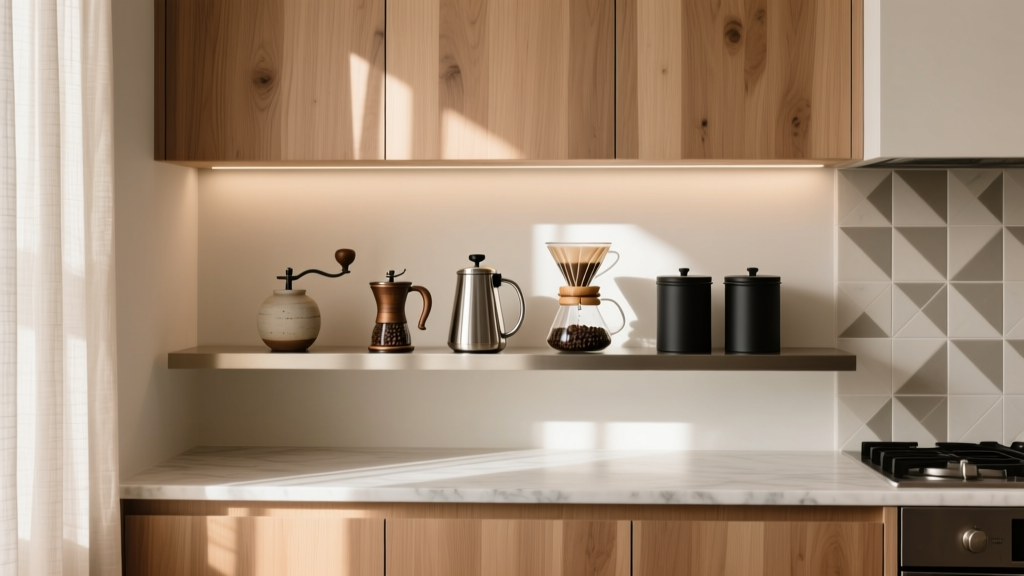 Best Kitchen Coffee Equipment Storage (2026)
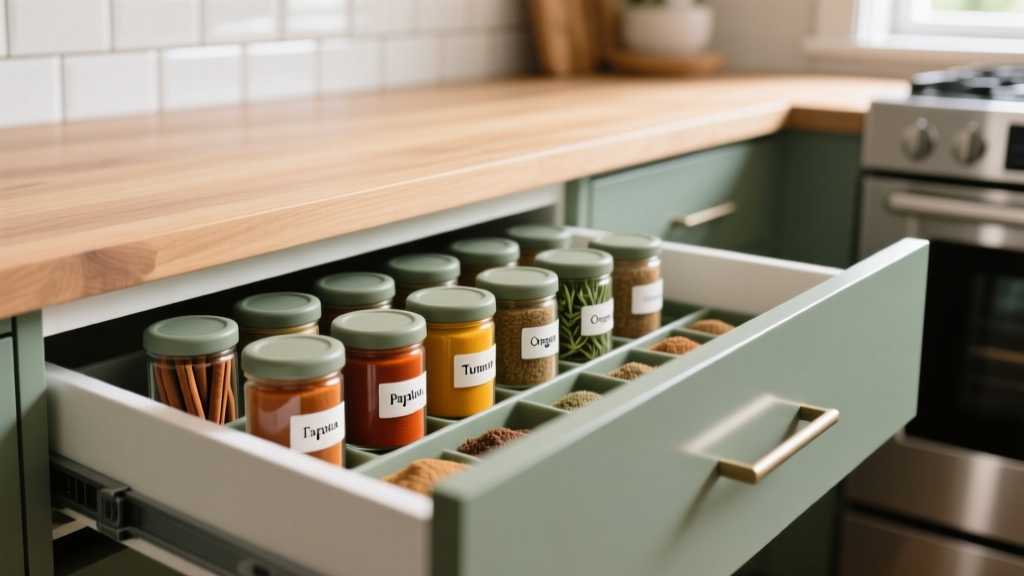 Best Kitchen Spice Drawer Inserts - The Decor Mag
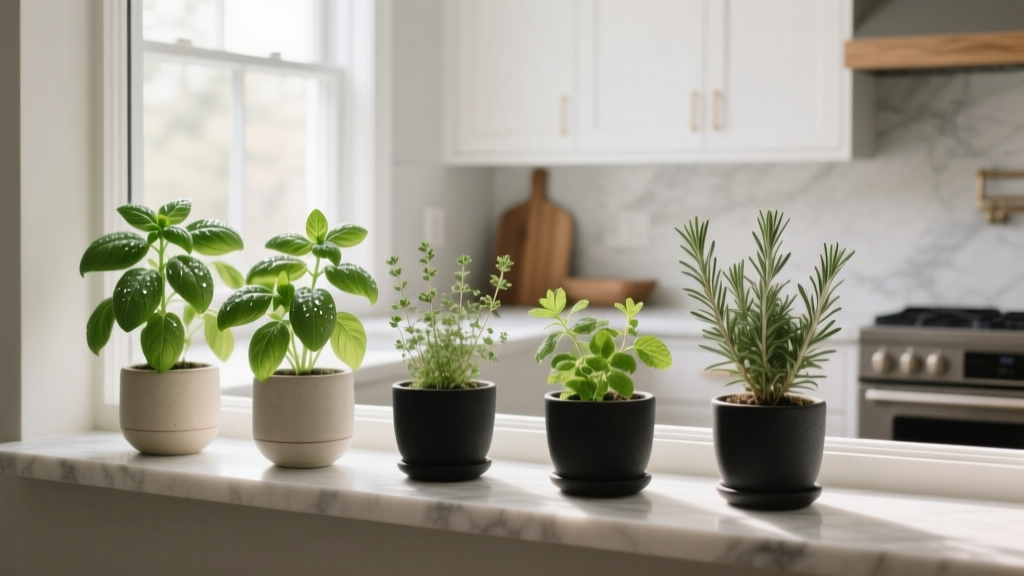 Best Kitchen Herb Garden Window Ideas - The Decor Mag
 Best Kitchen Specialty Appliance Placement - The Decor Mag
 Best Kitchen Trash Can Hideaway Solutions - The Decor Mag
 Kitchen Subway Tile Alternatives - The Decor Mag
 Kitchen Warm Neutral Cabinet Colors - The Decor Mag
 How to Choose Kitchen Cabinet Hinge Quality - The Decor Mag
 Kitchen Style & Function: Design Tips (2026)
 Scandinavian Kitchen Design Guide - The Decor Mag