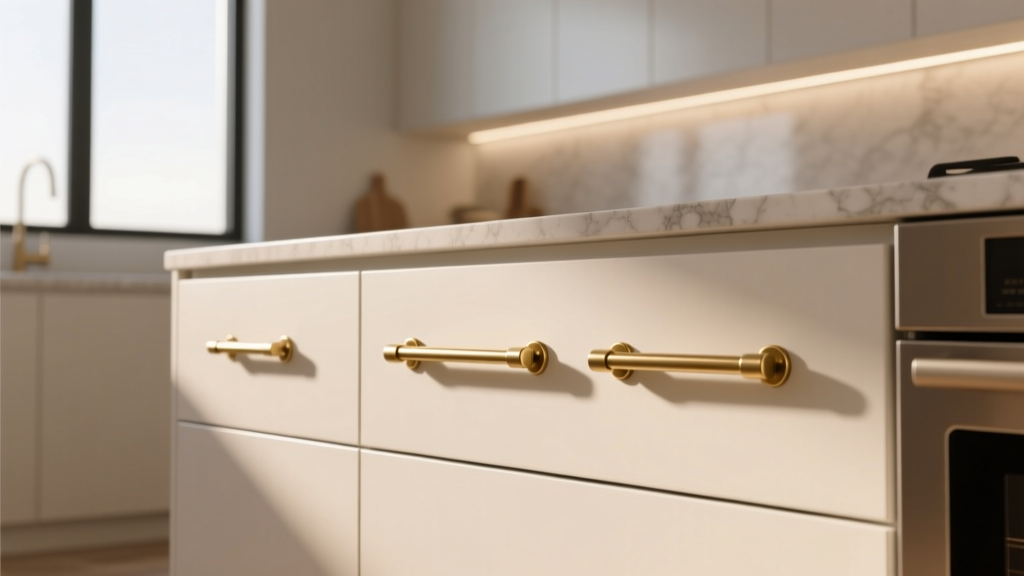
How to Choose Kitchen Cabinet Pull Length - The Decor Mag
Kitchen cabinet hardware is one of those renovation decisions that feels small—until you live with it every day. The right cabinet pull length improves comfort, makes doors and drawers easier to open, protects your cabinet finish from fingerprints, and ties your whole kitchen design together. The wrong size can look awkward, feel cramped, or make wide drawers frustrating to use.
With today’s kitchen design trends leaning toward streamlined, functional spaces—think Shaker cabinets, slab fronts, warm metals, and mixed materials—pull size matters more than ever. Longer pulls can create a clean, modern line, while shorter pulls can preserve a classic look. The best choice blends aesthetics with ergonomics, cabinet proportions, and how your household actually uses the kitchen.
This guide breaks down the most practical ways to choose kitchen cabinet pull length, including standard measurements, layout recommendations, cost ranges, and common mistakes to avoid—so your kitchen renovation feels polished and performs beautifully.
Start With the Basics: Pull Length vs. Hole Spacing
When shopping for cabinet pulls, you’ll see two measurements. Understanding them prevents ordering the wrong size.
Pull length (overall length)
- The end-to-end measurement of the handle.
- Affects the visual impact and how much space it occupies on the door or drawer front.
Center-to-center (CTC) or “hole spacing”
- The distance between the two screw holes.
- This determines whether a pull will fit existing holes or if you’ll need to drill new ones.
Quick rule: If you’re replacing hardware and want to avoid drilling, match the center-to-center measurement exactly. If you’re designing a new kitchen or painting existing cabinets, you can choose any CTC and place it intentionally.
Standard Cabinet Pull Sizes (and What They’re Best For)
Most kitchen cabinet pulls fall into a few common size categories. These aren’t strict rules, but they’re reliable starting points for homeowners planning kitchen renovations.
Common center-to-center sizes
- 3 inches (76mm): Traditional standard for smaller doors and drawers; common in older kitchens.
- 5 inches (128mm): A modern go-to that works on many drawer widths and medium doors.
- 6-1/4 inches (160mm): Slightly longer, good for larger drawers and contemporary styles.
- 7-1/2 inches (192mm): Great on wider drawers and pantry pull-outs.
- 10 inches (256mm): Clean, architectural look; ideal for wide drawers.
- 12 inches (305mm) and up: Statement pulls, appliance pulls, and extra-wide drawers (often in modern kitchens).
Typical overall lengths
Overall length varies by design, but it’s often about 1–2 inches longer than the CTC measurement. Always check product specs.
The Most Practical Sizing Rules (That Still Look Designer)
Designers use a few proportional “rules” to keep hardware visually balanced. These guidelines help you choose pull length by drawer width while maintaining timeless functionality.
Rule #1: Choose pulls that are about 1/3 of the drawer width (or longer)
This approach suits transitional and modern kitchen design and avoids the “tiny pull on a big drawer” look.
- 18-inch drawer: 5" (128mm) to 6-1/4" (160mm) CTC
- 24-inch drawer: 7-1/2" (192mm) to 10" (256mm) CTC
- 30-inch drawer: 10" (256mm) to 12" (305mm) CTC
- 36-inch drawer: 12" (305mm) CTC or two knobs/pulls (see below)
Rule #2: Go longer for heavy-use drawers
Trash pull-outs, pot-and-pan drawers, and deep pantry drawers benefit from longer pulls because they’re easier to grab with a full hand.
Rule #3: For doors, match the kitchen’s style first—then confirm comfort
Cabinet doors don’t need long pulls to function, but longer pulls can modernize the look. Many homeowners use one pull size for all doors and a longer series for drawers to create rhythm and hierarchy.
Choosing Pull Length by Cabinet Type
Base cabinet drawers
These are used constantly, so prioritize comfort and leverage.
- Best all-around sizes: 5" (128mm), 6-1/4" (160mm), 7-1/2" (192mm)
- For wide drawers (30–36"): 10" (256mm) to 12" (305mm)
- For extra-wide drawers: Consider a longer pull or two pulls (symmetrical placement)
Upper cabinet doors
- Classic/traditional look: 3" (76mm) pulls or knobs
- Transitional: 5" (128mm) pulls keep things clean without overpowering
- Modern/slab-front: 6-1/4" (160mm) or longer for a sleek vertical line
Pantry doors and tall cabinets
Tall doors look best with pulls that have more visual weight.
- Recommended: 10" (256mm) to 12" (305mm) pulls
- Alternative: Appliance pulls (typically 12–18" overall) for a bold, high-end look
Appliance panels (integrated dishwasher/fridge)
If you’re adding panel-ready appliances, choose hardware that matches the scale of the appliance.
- Dishwasher panel: 12" (305mm) pull or appliance pull
- Panel-ready fridge: Appliance pulls, often 18" to 24" overall (varies by brand and door height)
Mixing Pull Lengths Without Making It Look Busy
Mixing sizes is common in current kitchen design trends—especially in renovated kitchens where homeowners want both function and a tailored look. The key is consistency in finish and style.
A simple, reliable mixing plan
- Pick one pull style (same collection) in 2–3 lengths.
- Use the shortest size for small doors and shallow drawers.
- Use a mid-size for most drawers and doors.
- Use a long size for wide drawers, pantry units, and appliance panels.
When to use two pulls on one drawer
- Drawers wider than 36 inches
- Very heavy drawers (pots, cast iron, recycling bins)
- When a long pull would look too dominant on a classic cabinet style
Placement tip: Two pulls should be evenly spaced, mirroring the positions you’d naturally grab with both hands.
Material and Finish Recommendations (Style + Maintenance)
Choosing the right pull length is only half the story. Material and finish affect durability, cleaning, and how your kitchen reads visually.
Stainless steel
- Look: Clean, timeless, works with most appliances
- Best for: Busy family kitchens, modern and transitional designs
- Maintenance: Wipe with microfiber; avoid harsh abrasives that can scratch
Brass (polished, satin, or aged)
- Look: Warm, elevated, trending in 2025 kitchens
- Best for: White kitchens, green/blue cabinetry, natural wood tones
- Maintenance: Use gentle soap and water; expect patina on unlacquered brass
Matte black
- Look: Graphic contrast, pairs well with quartz and butcher block
- Best for: Farmhouse-modern, industrial, and minimalist kitchens
- Maintenance: Shows oils; wipe often with a damp cloth and dry immediately
Bronze and nickel (oil-rubbed bronze, brushed nickel)
- Look: Softer than black, classic and forgiving
- Best for: Traditional or transitional kitchen renovation projects
- Maintenance: Mild soap and water; avoid ammonia-based cleaners
Trend-meets-timeless tip: If you love a bold finish (like matte black), keep the pull shape classic (a simple bar pull) so the look ages well.
Placement Guidelines: Make Any Pull Length Feel Custom
Even a perfectly chosen pull length can look “off” if it’s placed inconsistently. A thoughtful layout improves both kitchen organization and daily ease of use.
Standard placement for doors
- Place pulls 2-1/2 to 3 inches from the bottom corner of upper doors.
- Place pulls 2-1/2 to 3 inches from the top corner of base cabinet doors.
Standard placement for drawers
- Center pulls horizontally on the drawer front.
- Vertically, many installers place the pull centered on the drawer height or slightly higher for deep drawers.
Pro tip: Use a hardware jig
A cabinet hardware jig or template (often $10–$40) helps ensure every hole is consistent—especially helpful if you’re tackling a DIY kitchen update.
Budget and Cost Ranges: What Pull Length Means for Your Bottom Line
Longer pulls usually cost more, and choosing multiple sizes can raise your total hardware bill. Plan early so you don’t have to compromise later.
Typical price ranges (per pull)
- Budget: $2–$6 (basic zinc alloy, limited finishes)
- Mid-range: $7–$20 (better plating, solid feel, more sizes)
- Premium/designer: $20–$60+ (solid brass/stainless, refined machining)
- Appliance pulls: $40–$150+ (heavier construction, longer lengths)
Example budget planning for an average kitchen
A kitchen with 25–35 pieces of hardware could land anywhere from $100 to $1,500+ depending on finish, brand, and whether you add appliance pulls.
- To keep costs controlled, choose one main pull size and add one longer size only for wide drawers/pantry.
- If your cabinets are being professionally installed, ask your contractor whether hardware installation is included; if not, it may be $3–$10 per hole depending on your market.
Common Mistakes to Avoid
- Choosing pulls that are too short for wide drawers: It can look underscaled and feel awkward, especially on heavy pull-outs.
- Forgetting to measure center-to-center: The #1 reason replacement pulls don’t fit existing holes.
- Mixing too many styles: If you want variety, mix lengths, not shapes and finishes.
- Ignoring clearance: Extra-long pulls can hit appliances, walls, or each other in tight corners.
- Skipping a test pull: Always order 1–2 samples and hold them up in your kitchen lighting before committing.
- Choosing a finish that fights your faucet/lighting: Hardware doesn’t have to match perfectly, but it should coordinate with the room’s metal “family.”
Practical Tips for Testing Pull Length Before You Buy
- Use painter’s tape: Tape a paper template of the pull length onto drawer fronts to judge scale.
- Mock up your spacing: Mark the intended CTC holes and check hand comfort.
- Stand back: View the cabinets from 6–10 feet away; long pulls read more strongly at a distance.
- Think about who uses the kitchen: Larger pulls can be easier for kids, older adults, and anyone with grip challenges.
FAQ: Choosing Kitchen Cabinet Pull Length
What size pulls are most popular for kitchen cabinets right now?
For many kitchen renovations, 5" (128mm) and 7-1/2" (192mm) center-to-center pulls are the most popular because they suit a wide range of drawer sizes and complement both modern and transitional kitchens.
Should all cabinet pulls be the same length?
Not necessarily. A common, designer-approved approach is to use one size for doors and a longer size for drawers. Keeping the same style and finish across sizes maintains a cohesive look.
Can I use 3-inch pulls everywhere?
You can, especially in traditional kitchens, but 3" pulls often look small on wide drawers and may feel less comfortable on heavy pull-outs. Consider stepping up to 5" or 6-1/4" on larger drawers for better function.
Are longer pulls always more modern?
Longer pulls tend to read more contemporary, but they can also work in classic kitchens if the pull shape is traditional (for example, a softer-profile bar pull or a classic handle style) and the finish complements your cabinet design.
How do I choose pull length if I’m keeping my existing cabinet holes?
Measure the existing center-to-center spacing in millimeters or inches and shop specifically for that size. You can change the overall length and style, but the CTC must match unless you plan to drill new holes.
What’s the easiest finish to maintain in a busy kitchen?
Brushed finishes like brushed nickel or brushed stainless tend to hide fingerprints and water spots better than polished finishes. Matte black looks sharp but may require more frequent wiping to keep oils from showing.
Actionable Next Steps for a Pull Layout You’ll Love
To choose the right kitchen cabinet pull length with confidence, start by measuring your drawer widths and existing hole spacing, then decide whether your kitchen should read more classic or more streamlined. Pick a primary pull size, add longer pulls where function demands it, and test one or two samples against your cabinet color and countertop material before ordering the full set.
If you’re planning a full kitchen renovation, bring your hardware decisions into the process early—right alongside cabinet style, countertop selection, and kitchen lighting—so everything feels intentional and cohesive.
For more kitchen design inspiration, cabinet layout ideas, and renovation-smart upgrades, explore the latest guides and trends on thedecormag.com.
More Articles
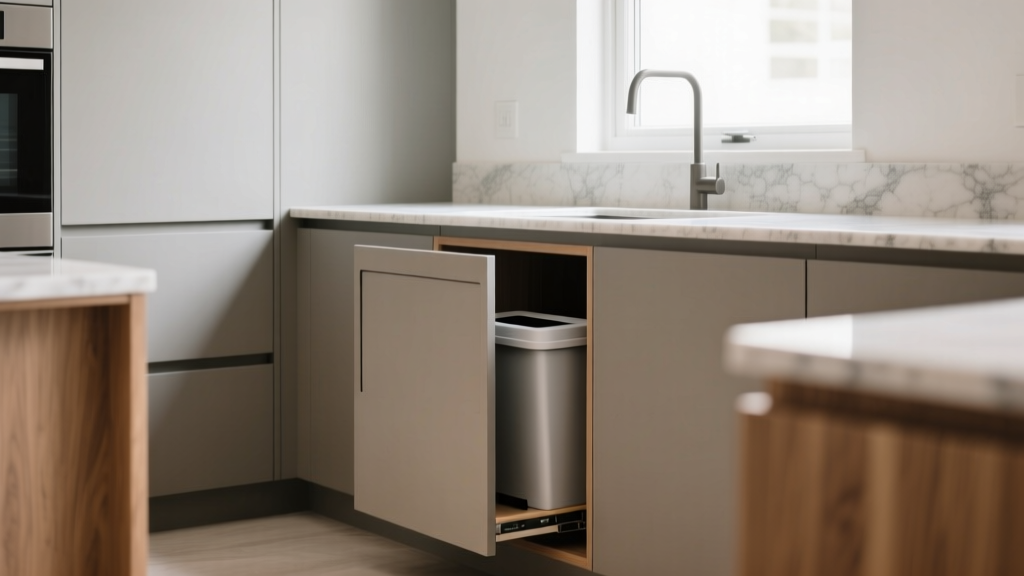 Best Kitchen Trash Can Hideaway Solutions - The Decor Mag
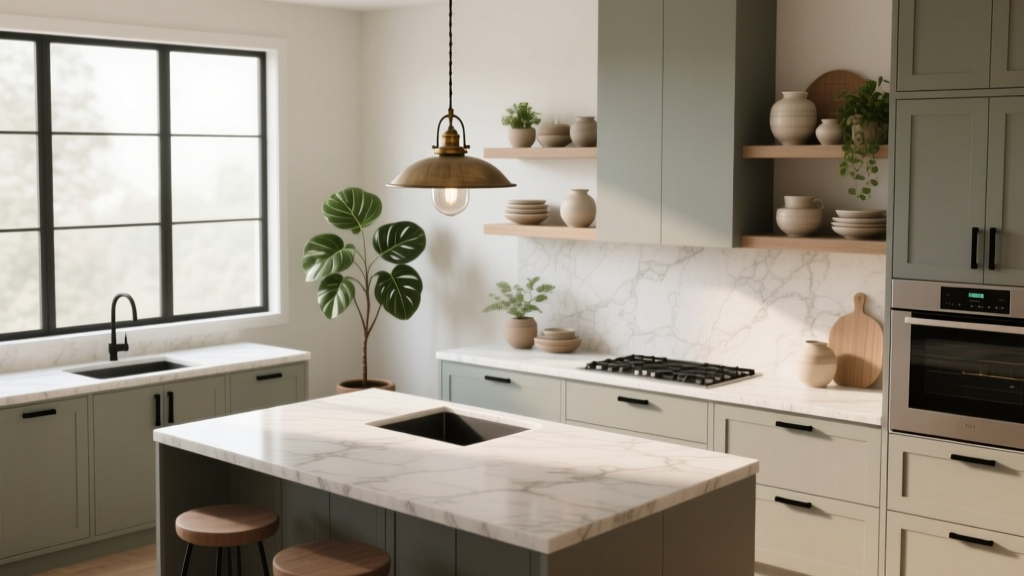 Kitchen Style & Function: Design Tips (2026)
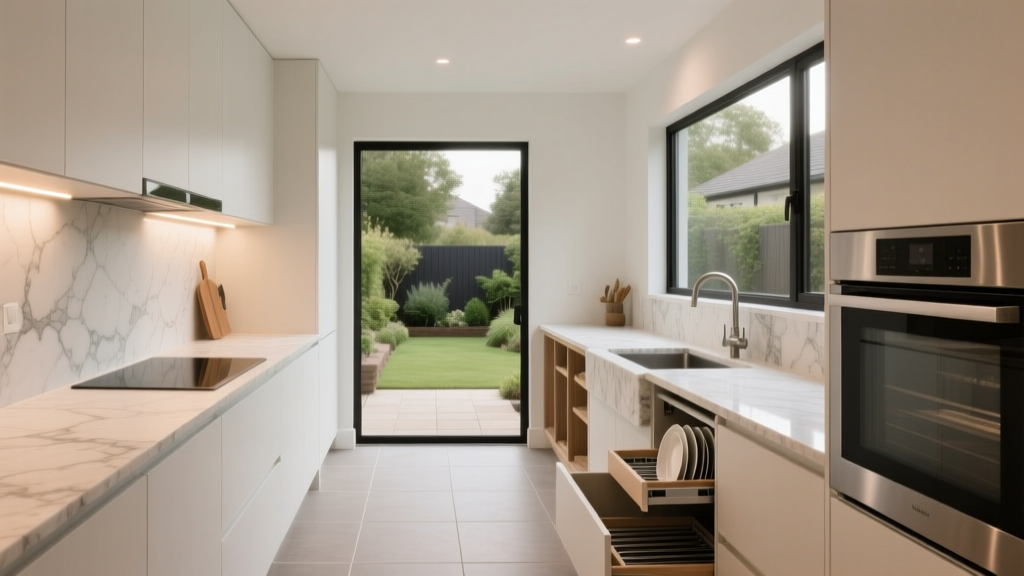 How to Design a Kitchen with a Scullery - The Decor Mag
 Personality in Kitchen Design: Ideas for 2026
 Kitchen Counter Materials for Your Lifestyle (2026)
 Kitchen Herringbone Backsplash Installation - The Decor Mag
 Best Kitchen Baking Supply Organization - The Decor Mag
 Cheap vs Premium Bedroom: What You’re Really Paying For — A Kitchens Kitchen Specialist’s Analysis
 Kitchen Glass Front Cabinet Styling - The Decor Mag
 Coffee Station Ideas for Kitchens (2026)