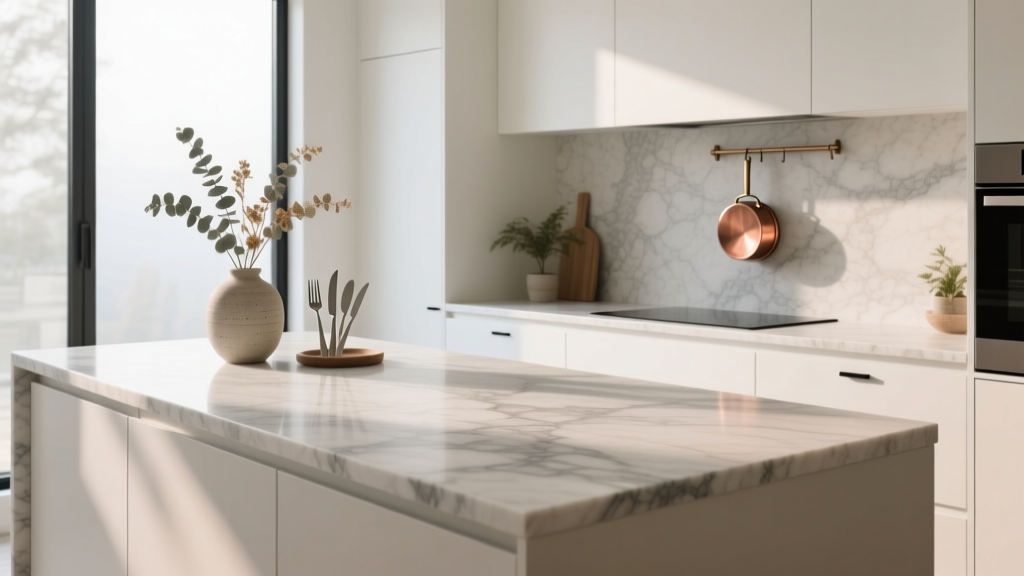
Kitchen Honed Marble Countertop Beauty - The Decor Mag
Few kitchen upgrades shift the feel of a space as instantly as new countertops. They sit at eye level, anchor cabinetry and backsplash choices, and handle daily wear from cooking, entertaining, homework, and everything in between. For homeowners planning a kitchen renovation, countertops are also one of the biggest line items—so the material choice has to balance beauty, durability, and the way you actually live.
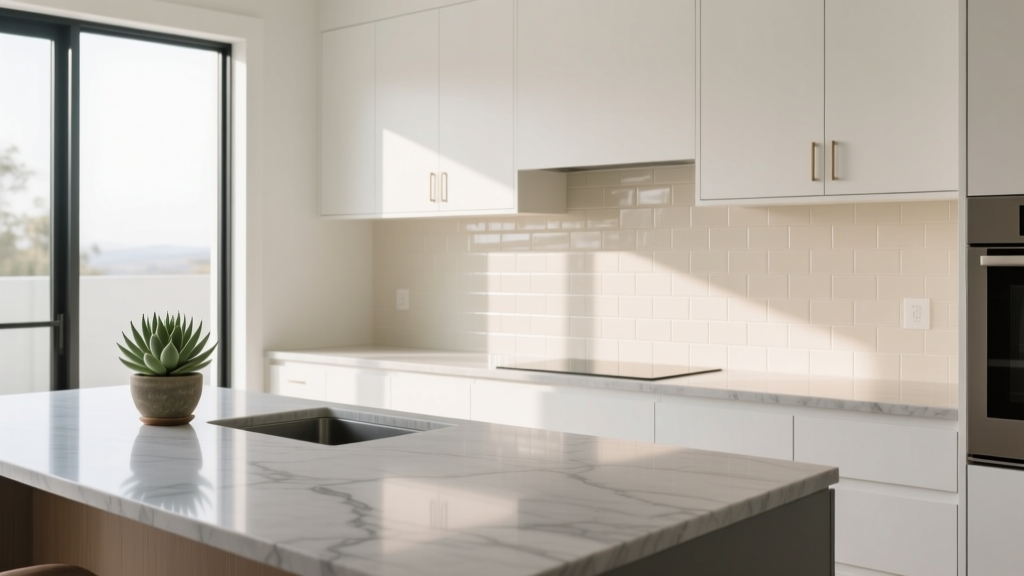
Honed marble countertops have become a favorite in today’s kitchen design trends because they offer a softer, more natural look than high-gloss polished stone. The finish reads warm and tailored, works beautifully in both modern and traditional kitchens, and pairs with popular elements like natural wood cabinetry, unlacquered brass, fluted glass, and artisan tile backsplashes. If you love the character of real stone and want a surface that feels elevated without looking flashy, honed marble may be the sweet spot.
This guide breaks down what honed marble is, how it performs in a real kitchen, the best marble types and edge profiles, maintenance routines that actually work, budget ranges, and the most common mistakes homeowners make—so you can design a kitchen that’s as functional as it is stunning.
What Is Honed Marble (and Why It Looks So Good in Kitchens)
“Honed” refers to the finish, not the stone itself. Marble is honed by grinding the surface to a smooth, matte or satin sheen rather than buffing it to a reflective polish. You still get the veining and depth marble is famous for—just with a softer, more diffuse look.
Honed vs. Polished Marble: The Practical Difference
- Appearance: Honed is matte/satin; polished is glossy and reflective.
- Scratch visibility: Honed tends to make light scratches and etches less obvious day-to-day.
- Stain sensitivity: Both can stain without proper sealing and quick cleanup. Honed can sometimes appear to “darken” when wet until it dries.
- Patina: Honed marble develops a lived-in look that many homeowners find charming—especially in family kitchens.
For kitchen renovation planning, honed marble’s greatest strength is its ability to look elegant while staying visually calm. It doesn’t bounce light the way polished stone does, which helps kitchens feel less “showroom” and more welcoming.
Is Honed Marble Right for Your Kitchen? Performance in Real Life
Marble is a calcium-based stone, which means it can etch (a dull mark) when exposed to acidic ingredients like lemon juice, vinegar, tomato sauce, or wine. It can also scratch from gritty debris or sharp tools. Honed marble doesn’t prevent etching or scratching, but it can make those marks blend in more naturally.
Best Fits for Honed Marble
- Home cooks who clean as they go and don’t mind natural patina.
- Entertainers who want a high-end surface for serving and styling.
- Design-forward renovators aiming for a timeless kitchen aesthetic over “perfect forever.”
When to Consider Alternatives
- If you want a countertop that looks identical for years with minimal maintenance, consider quartz or porcelain slab.
- If your kitchen is heavy-use (kids doing crafts, frequent baking with food coloring, lots of citrus), marble can still work, but plan a stronger maintenance routine and embrace patina.
Choosing the Right Marble: Types, Veining, and Practical Recommendations
Not all marble performs the same. Density, porosity, and veining patterns vary by quarry and slab. Always view full slabs in person if possible—especially with honed finishes, where lighting and tone can read differently than online photos.
Popular Marble Choices for Honed Kitchen Countertops
- Calacatta: Bold veining, dramatic movement; often higher cost and a statement-maker for islands.
- Statuario: Crisp white background with strong gray veining; high-end, classic, and usually premium priced.
- Carrara: Softer gray background and gentler veining; often more budget-friendly and forgiving visually.
- Dolomite (often sold as “marble”): Typically harder than many marbles; can be a smart compromise if you love the look but want slightly better durability.
Design Tip: Use Marble Strategically
If you’re concerned about performance but love the look, consider a two-material countertop approach:
- Honed marble on the island (serving, gathering, visual focus)
- Quartz or granite on perimeter counters (daily prep, near sink and stove)
Layout and Function: Where Honed Marble Works Best
Great kitchen design is as much about layout as materials. Honed marble shines when paired with smart zones and practical detailing.
Best Placements for Honed Marble
- Kitchen island: Ideal for an “anchor” surface; less exposure to constant splashes than the sink run.
- Baking station: Marble stays naturally cool, which can be helpful for pastry work.
- Coffee bar or beverage area: Visually luxe; just wipe spills quickly (especially citrus and wine).
Measurements That Improve Daily Use
- Standard countertop height: 36 inches
- Standard countertop depth: 25–25.5 inches (typically 24-inch cabinets + overhang)
- Island aisle clearance: 42 inches minimum; 48 inches is more comfortable for two cooks
- Island seating overhang: 12 inches minimum; 15 inches for more knee room
- Thickness: 3 cm (about 1 1/4 inch) is common; 2 cm can work with edge build-up and proper support
Edge Profiles: Timeless + Practical
- Eased edge: Clean, modern, least fussy to wipe down.
- Pencil round: Softens corners; great for family kitchens.
- Ogee: Traditional and decorative; can feel heavier visually and may show wear along curves.
Pairing Honed Marble with Cabinets, Backsplash, and Hardware
Honed marble is versatile, but it looks best when the surrounding finishes support its natural movement. Current kitchen design trends lean warm and layered—think mixed metals, natural textures, and softly contrasting paint colors.
Cabinet Colors That Work Beautifully
- Warm whites and creams: Keeps the space light without feeling sterile.
- Greige and taupe: Makes gray veining feel intentional and cozy.
- Natural oak or walnut: A top trend that also reads timeless; adds warmth against cool stone.
- Deep green or navy: Adds drama while letting white marble stay center stage.
Backsplash Ideas (with Practical Notes)
- Full-height marble slab backsplash: Seamless, high-end look; easier wipe-down but higher cost.
- Handmade-look ceramic tile: Adds texture and trend-forward character; choose a tighter grout line (1/16–1/8 inch) for easier cleaning.
- Classic subway tile: Timeless; consider a warmer white tile to avoid a “too stark” contrast with honed stone.
Hardware and Faucet Finishes
- Unlacquered brass: Patinas naturally like marble—great for cohesive aging.
- Polished nickel: Classic, bright, and works with both warm and cool palettes.
- Matte black: Strong contrast; best when repeated in lighting or window frames for balance.
Cost Ranges and Budget Considerations
Honed marble pricing varies widely by region, slab rarity, thickness, and fabrication complexity (waterfall edges, cutouts, seams, and edge profiles). Use these ranges for kitchen budgeting, then confirm with local fabricators.
Typical Installed Cost (Per Square Foot)
- Carrara marble (honed): $70–$140/sq ft installed
- Calacatta/Statuario (honed): $150–$300+/sq ft installed
- Dolomite (often as a marble alternative): $90–$180/sq ft installed
Common Add-Ons That Affect Total Price
- Waterfall island panels: Often adds 30–60% more slab material plus labor.
- Full-height slab backsplash: Can add $1,000–$4,000+ depending on wall size and slab cost.
- Upgraded edge profiles: $10–$30+ per linear foot depending on complexity.
- Undermount sink cutouts and cooktop cutouts: Often included to a point; confirm what’s in your bid.
Budget-Smart Approaches Without Sacrificing Style
- Choose a simpler edge (eased or pencil round) and invest in a standout slab.
- Use marble on the island only and a durable perimeter surface elsewhere.
- Minimize seams by planning slab layout early (your fabricator can help optimize yield).
Maintenance: Sealing, Daily Cleaning, and Long-Term Care
Maintenance is where honed marble countertops either become a dream or a frustration. The good news: a simple routine goes a long way.
Sealing Recommendations
- At installation: Seal before use (many fabricators do this; confirm in writing).
- Resealing frequency: Typically every 6–12 months in active kitchens; some high-quality impregnating sealers last longer depending on use.
- Simple test: Place a few drops of water on the surface. If it darkens quickly, it’s time to reseal.
Daily and Weekly Cleaning
- Daily: Warm water + a pH-neutral stone cleaner; wipe dry to prevent water marks.
- Avoid: Vinegar, bleach, ammonia, abrasive powders, and “all-purpose” cleaners not labeled safe for natural stone.
- Weekly: Gentle wipe-down of high-use zones (near sink, prep areas), and clean up oils that can linger.
How to Prevent Etching and Staining (Realistic Habits)
- Use cutting boards—marble is not a chopping surface.
- Keep a tray near the stove for oils and sauces.
- Wipe acidic spills quickly (citrus, wine, tomato, vinegar).
- Use coasters under coffee mugs and cocktail glasses.
If etching happens, you’re not alone. Many homeowners accept it as patina. If you prefer a refreshed look, a stone pro can re-hone the surface periodically.
Material Comparisons: Marble vs Quartz vs Granite vs Porcelain
Choosing countertops is about balancing priorities: appearance, durability, and maintenance. Here’s a practical comparison for kitchen renovation decisions.
- Honed Marble: Best for natural beauty and timeless character; higher maintenance; etches with acids.
- Quartz (engineered): Low maintenance and consistent; can look very marble-like; less heat resistant than stone and can feel less organic up close.
- Granite: Generally more stain/etch resistant; many color options; can read busier depending on pattern.
- Porcelain slab: Very durable, heat resistant, stain resistant; modern aesthetic; edges can be more fragile if impacted and fabrication requires experienced installers.
Common Mistakes to Avoid with Honed Marble Countertops
- Skipping the slab viewing: Small samples rarely represent the full movement and tone of a marble slab.
- Not planning seam placement: Seams can land in visually awkward spots if the layout isn’t coordinated with cabinets, sink, and cooktop.
- Choosing marble without lifestyle honesty: If you want a pristine surface, marble may frustrate you—consider marble-look quartz or porcelain.
- Using the wrong cleaners: Acidic or abrasive products can dull the finish and worsen etching.
- Forgetting about support: Overhangs and thin slabs require proper brackets or corbels (especially for 15-inch seating overhangs).
- Assuming sealing makes it “stain-proof”: Sealers slow absorption; they don’t make marble invincible.
FAQ: Honed Marble Countertops in Kitchen Design
Does honed marble stain more easily than polished marble?
Both can stain if spills sit too long. Honed marble may show darkening when wet and can absorb oils more readily if it’s not well sealed, but it often hides minor surface wear better than polished.
Will honed marble etch in a kitchen?
Yes. Acidic ingredients can etch marble regardless of finish. The difference is visibility: honed surfaces tend to make etches look more like soft, blended marks rather than shiny “spots.”
How often should I reseal honed marble countertops?
Most active kitchens benefit from resealing every 6–12 months. Use the water-drop test: if water darkens the stone quickly, reseal soon.
What’s the best honed marble for busy family kitchens?
No marble is truly “kid-proof,” but many homeowners find Carrara visually forgiving. Dolomite can be a good alternative if you want a similar look with slightly better hardness—still seal and maintain it properly.
Can I place hot pans on honed marble?
Marble is more heat tolerant than many engineered surfaces, but sudden temperature changes can risk thermal shock or discoloration. Use trivets or heat pads as standard practice.
What’s a practical way to get the marble look with less maintenance?
Consider a high-quality marble-look quartz for perimeter counters and use honed marble on the island for authentic stone beauty where it matters most visually.
Next Steps: Plan a Honed Marble Kitchen That Works as Beautifully as It Looks
Start by defining how you use your kitchen: heavy daily cooking, frequent entertaining, baking, or quick weeknight meals. Then bring home a few cabinet and paint samples, and view full marble slabs under similar lighting to your space. Ask your fabricator for a seam and vein layout drawing before cutting, confirm sealing and care instructions, and build a maintenance plan into your routine from day one.
If you’re ready to refine your kitchen design, explore more countertop ideas, layouts, storage upgrades, and renovation planning tips on thedecormag.com.
More Articles
 Best Kitchen Colander Storage Solutions - The Decor Mag
 Kitchen Countertop Overhang Rules (2026)
 Kitchen Window Treatments for Steam & Grease (2026)
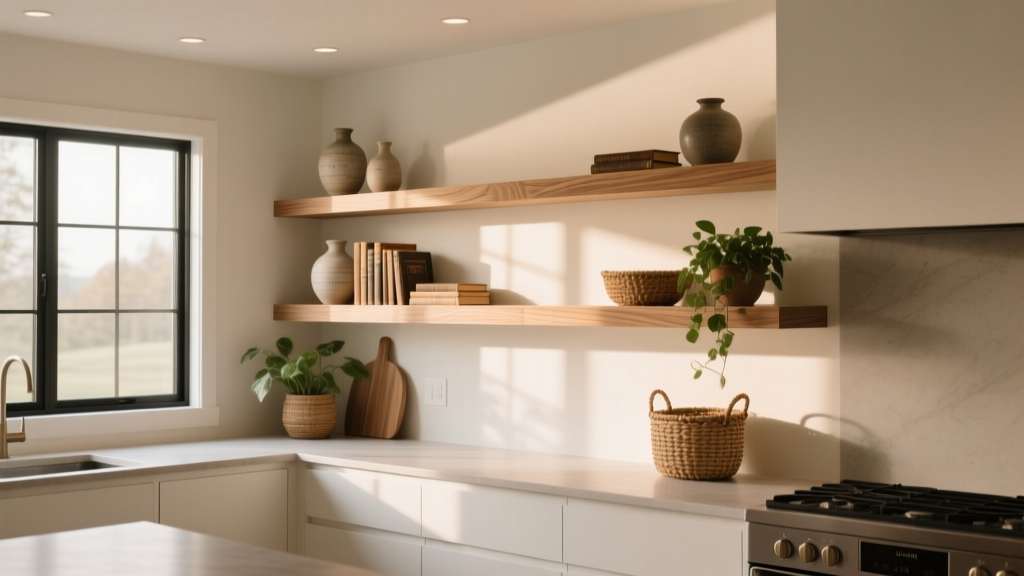 Open Shelf Kitchen Styling Tips - The Decor Mag
 Best Kitchen Rug Options for Comfort - The Decor Mag
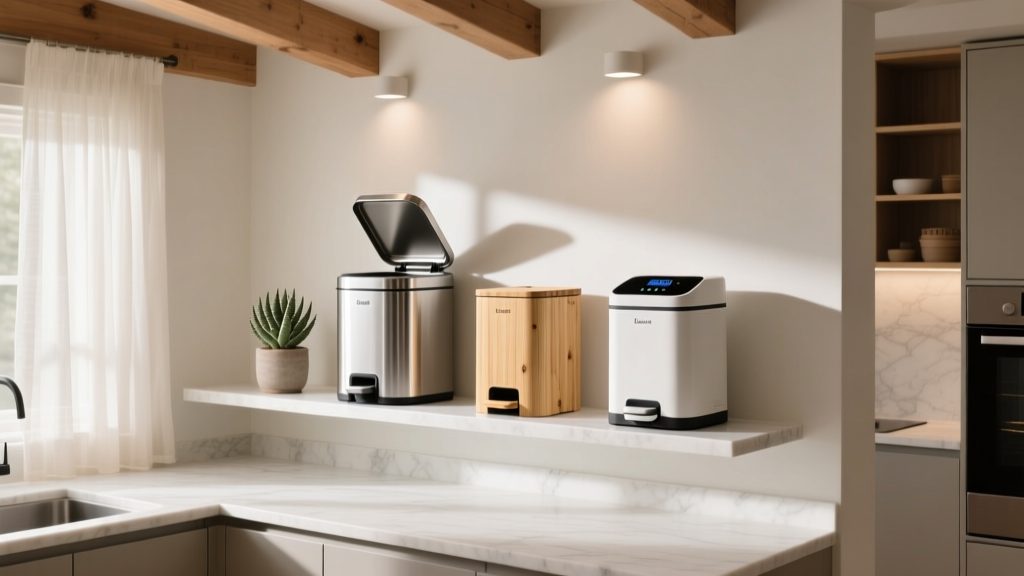 Best Kitchen Compost Bin Options - The Decor Mag
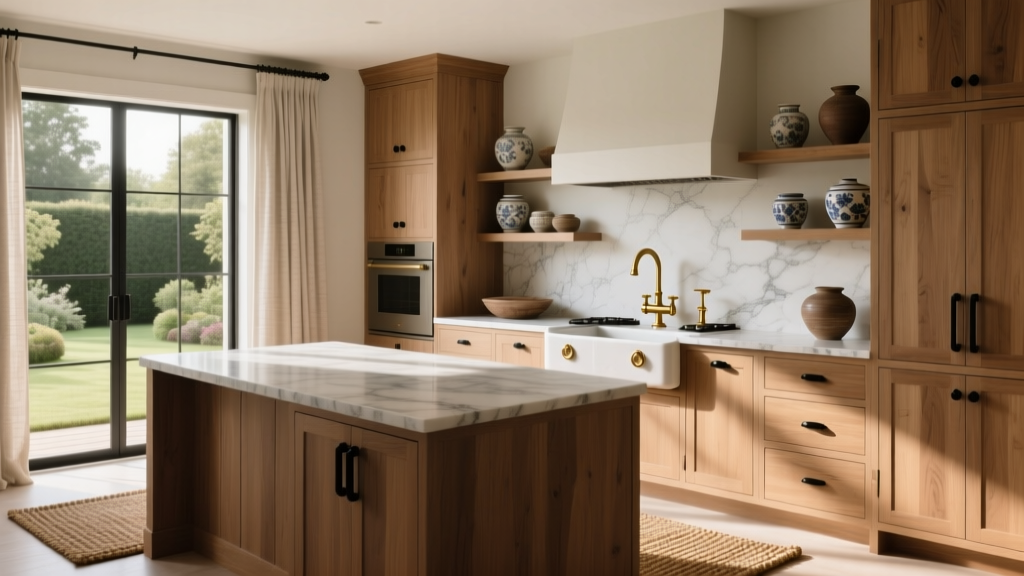 Heirloom Kitchen Design: Timeless Ideas for 2026
 Kitchen Pantry Organization That Saves Time
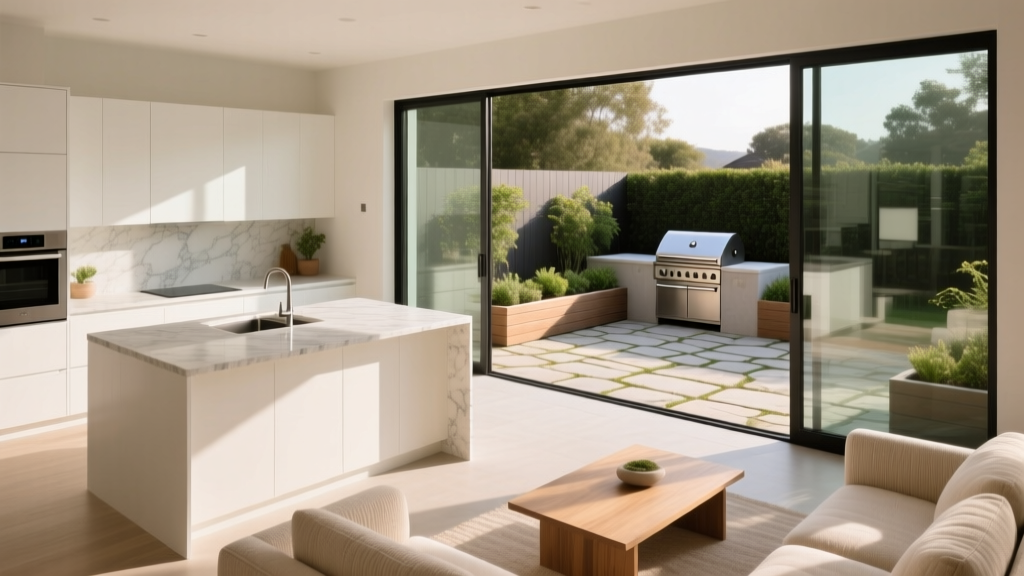 Kitchen to Outdoor Flow Design (2026)
 Kitchen Countertop & Backsplash Combos (2026)