How to Design a Kitchen That Feels Collected - The Decor Mag
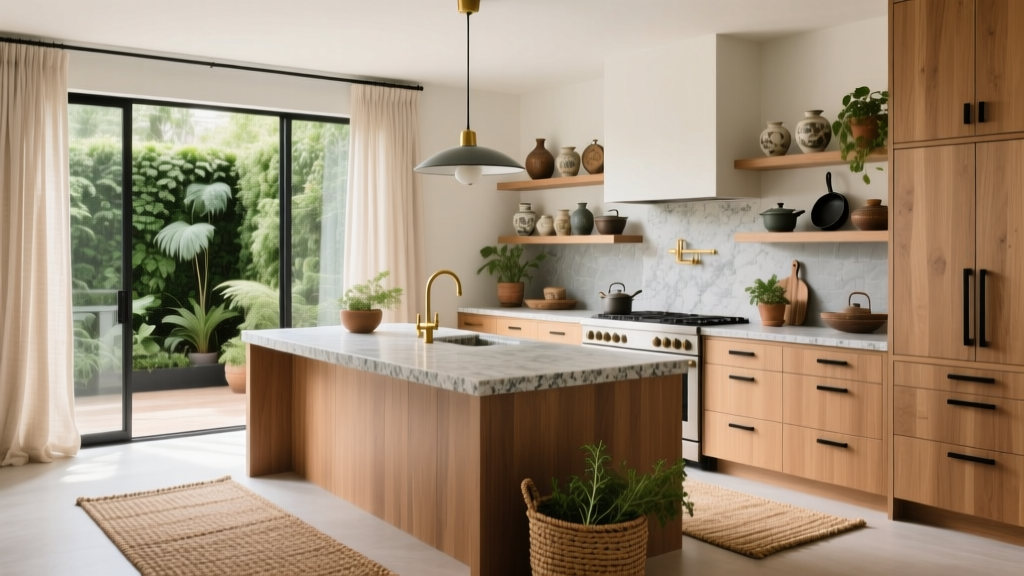
A “collected” kitchen doesn’t look like it arrived in one delivery truck. It feels layered, personal, and calm—like it’s evolved over time through smart choices, meaningful pieces, and a few well-earned discoveries. The best part: a collected look doesn’t require a massive budget or a full gut renovation. It requires intention, restraint, and a plan for how your kitchen should live day to day.
Homeowners renovating today often face a frustrating paradox. Showrooms push perfectly matched cabinet runs, identical finishes, and seamless surfaces—yet the spaces we love most have warmth, contrast, and story. A collected kitchen balances current kitchen design trends (like mixed metals, warmer woods, and textured surfaces) with timeless functionality principles (like durable work zones, easy cleanup, and storage that actually works).
This guide breaks down practical ways to build that layered, “designed over time” feel—without sacrificing layout efficiency, resale sense, or maintenance sanity.
What “Collected” Really Means in Kitchen Design
A collected kitchen is curated, not cluttered. It mixes a few eras and materials while keeping a consistent thread—usually through a limited color palette, repeated shapes, or a signature finish.
Core characteristics of a collected kitchen
- Intentional variation: Cabinets, lighting, and hardware don’t all match—but they relate.
- Patina-friendly materials: Surfaces that look better with age (or at least don’t show every fingerprint).
- Personal display: A few open elements—art, ceramics, vintage cutting boards—balanced with closed storage.
- Functional comfort: The layout supports how you cook, clean, and gather.
Start With a Layout That Works (Collected Doesn’t Mean Compromised)
Before choosing tile or pendant lights, confirm the kitchen layout will support your routine. A collected look won’t feel restful if you’re constantly dodging traffic at the sink.
Key measurements to aim for
- Walkway clearance: 36 in minimum in work areas; 42–48 in is ideal for two cooks or high traffic.
- Island clearance: 42 in around an island for comfortable circulation; 48 in if appliances open into that space.
- Counter heights: Standard is 36 in; consider 38 in for taller households (custom cabinet toe-kick adjustments).
- Landing zones: 15–18 in of counter space next to the cooktop and sink; 15 in near the fridge is helpful for unloading groceries.
- Seating spacing: Allow 24 in width per stool and 15 in overhang for knees (12 in minimum).
Design approach: prioritize zones over triangles
The classic work triangle still applies, but modern kitchens work better with zones:
- Prep zone: knives, boards, mixing bowls, compost, trash, prep sink (if you have one)
- Cooking zone: oils, spices, pans, utensils, sheet pans, oven mitts
- Cleaning zone: dishwasher, dish storage, detergent, towels
- Coffee/beverage zone: mugs, pods/beans, sweeteners, small fridge (optional)
Budget note: Adjusting layout is where costs climb. A cosmetic refresh (paint, lighting, hardware) may run $2,000–$10,000. A midrange kitchen renovation with some layout changes often lands at $25,000–$60,000. A full custom remodel can be $75,000–$150,000+, especially with plumbing/electrical moves and premium materials.
Build a Cohesive Palette (Then Add Contrast on Purpose)
Collected spaces feel relaxed because the palette is edited. Choose a foundation of two to three main elements, then layer accents.
A reliable formula for a collected palette
- One dominant neutral: warm white, creamy greige, soft taupe, muted mushroom, or smoky green
- One wood tone: white oak, walnut, or reclaimed pine (keep undertones consistent)
- One “anchor” metal: aged brass, brushed nickel, or oil-rubbed bronze
- One accent color: found in art, textiles, or a standout tile
Current trends that still feel timeless
- Warm neutrals over stark white: creamy paint and softer veining read more inviting and less clinical.
- Mixed metals with restraint: keep one dominant metal and one supporting metal for lighting or plumbing.
- Textured surfaces: zellige-style tile, honed stone, fluted glass, and reeded wood details.
- Wood accents: open shelves, island panels, or a furniture-style hutch insert.
Choose Materials That Age Gracefully (and Know the Tradeoffs)
The collected kitchen look relies on materials that can handle real life. Here’s how popular options compare for kitchen renovation decisions.
Countertops: quartz vs. granite vs. marble vs. butcher block
- Quartz (engineered stone): consistent, low maintenance, great stain resistance. Can look less “storied,” but newer designs mimic natural stone well.
Cost: $60–$120/sq ft installed. Maintenance: mild soap; avoid high heat directly on surface. - Granite: natural variation, durable, more forgiving than marble.
Cost: $50–$140/sq ft installed. Maintenance: seal periodically (often annually depending on stone). - Marble: classic collected character, but etches and stains easily—best for bakers who accept patina.
Cost: $80–$200/sq ft installed. Maintenance: seal; wipe acids quickly; expect etching. - Butcher block: warm and vintage-leaning; can be affordable and charming.
Cost: $40–$100/sq ft installed. Maintenance: regular oiling; avoid standing water near sinks.
Cabinet finishes that feel collected (without looking messy)
- Painted cabinets: ideal for layering; choose a slightly softened color (warm white, sage, deep blue-green).
Tip: use a durable satin or matte cabinet enamel; higher sheen can look too “new showroom.” - Stained wood cabinets: white oak and walnut read timeless and pair well with varied decor.
Tip: choose simple door styles (Shaker or slim rail) to avoid date-stamping. - Two-tone approach: wood island + painted perimeter is a classic collected strategy.
Cost add: typically minimal if planned early; custom stain matching may add $500–$2,000+.
Backsplash tile with character (and easier upkeep)
- Handmade-look ceramic/zellige-style: beautiful variation; works best with a grout that’s not bright white.
Cost: $15–$45/sq ft tile (plus labor). Maintenance: seal if recommended; choose stain-resistant grout. - Classic subway tile with a twist: handmade edges, warmer whites, or vertical stack pattern for a fresh-but-timeless look.
Cost: $5–$20/sq ft tile (plus labor). Maintenance: easy; avoid pure white grout in heavy-cook kitchens. - Slab backsplash (stone/quartz): minimal grout lines for easy cleaning and a high-end feel.
Cost: $40–$120/sq ft installed. Maintenance: match to countertop for a seamless look or choose a contrasting stone for collected depth.
Layer the Look: Mix Old + New Without Making It Random
Collected style comes from contrast: crisp next to worn, refined next to rustic. The key is to mix categories thoughtfully.
Where to introduce “collected” moments
- Lighting: pair a simple recessed lighting plan with statement pendants that feel vintage or sculptural.
- Hardware: choose knobs/pulls that look like they could be original—aged brass, pewter, unlacquered brass, or blackened bronze.
- Furniture-style pieces: a freestanding pantry cabinet, a vintage worktable as an island, or a hutch for dish storage.
- Art and objects: framed prints, pottery, a leaning cutting board collection—kept to a few intentional groupings.
Practical mixing rules (so it still feels designed)
- Repeat each finish at least twice: if you use brass on the faucet, repeat it on hardware or a pendant detail.
- Limit wood tones: two wood tones max (e.g., oak cabinets + walnut stools). More can look chaotic.
- Stick to one “busy” element: dramatic stone OR bold tile OR heavily grained wood—choose one star.
- Use negative space: leave some countertops clear to keep the layered items looking curated.
Storage and Organization: The Secret Weapon of a Calm, Collected Kitchen
The collected look falls apart when everyday items spill everywhere. Great kitchen organization allows you to display a few beautiful pieces and hide the rest.
Smart storage upgrades worth the money
- Deep drawer bases instead of lower cabinets: best for pots, pans, and small appliances.
Cost: often included in cabinet pricing; upgrades like heavy-duty glides may add $20–$60 per drawer. - Pull-out trash/recycling: keeps mess contained.
Cost: $200–$800 depending on cabinet and hardware. - Roll-out shelves: reduce back-of-cabinet chaos.
Cost: $100–$300 per cabinet (aftermarket), more for custom. - A real pantry plan: adjustable shelves 10–12 in deep for cans; 14–16 in for appliances and bulk items.
Tip: add a 4–6 in spice pull-out near the range if space allows.
Open shelving without visual clutter
Open shelves can look collected or chaotic. Make them work by:
- Keeping shelves 10–12 in deep to avoid over-stacking.
- Grouping items by function (daily dishes together) and by color (neutrals read calmer).
- Using 2–3 repeat shapes (stacked bowls, a set of glasses, matching mugs) and one accent object.
- Choosing an easy-to-clean finish and committing to regular wiping—open shelves collect grease and dust faster than cabinets.
Focal Points That Feel Earned (Not Over-Designed)
A collected kitchen often has one or two “moments” that catch your eye, then everything else supports them.
High-impact, mid-budget focal ideas
- A standout range hood: plaster-look, wood trim, or a simple arched form.
Cost range: $800–$3,500 for a decorative hood (insert/venting additional). - Counter stools with texture: cane, leather, or woven cord.
Cost range: $150–$700 each; buy fewer better ones if budget is tight. - Aged mirror or art near the breakfast area: adds depth and a lived-in feel.
Cost range: $100–$1,000 depending on vintage vs. new. - Statement sink faucet: bridge style or unlacquered brass for patina lovers.
Cost range: $250–$1,200.
Where to splurge vs. save
- Splurge: cabinet quality, drawer hardware/glides, faucet, and ventilation (quiet and effective).
- Save: pendants (if you choose well), hardware (midrange brands), open shelves, paint, and decor styling.
Maintenance Advice: Keep the Collected Look Looking Good
- Choose finishes that forgive: honed or satin surfaces hide smudges better than glossy.
- Grout strategy: pick a grout color close to your tile tone; bright white grout shows stains quickly in cooking-heavy kitchens.
- Unlacquered brass reality check: it will patina and spot—beautiful for a collected vibe, but not for those who want consistent shine.
- Wood care: use cutting boards (even on butcher block), wipe up water quickly, and re-oil as needed.
- Paint touch-ups: keep labeled paint codes and a small jar for quick cabinet scuff repairs.
Common Mistakes to Avoid
- Mixing too many statement elements: bold countertop + bold backsplash + bold cabinets often reads busy, not collected.
- Buying “vintage-looking” everything: a kitchen full of faux-aged finishes can feel themed. Mix one authentic or truly unique piece with simpler modern supports.
- Forgetting task lighting: pendants are not enough. Add under-cabinet lighting for prep areas (LED tape or puck lights).
- Open shelving overload: too much open storage makes the room feel like it needs constant styling.
- Ignoring daily drop zones: plan for keys, mail, water bottles, and backpacks—otherwise countertops become the catch-all.
- Choosing delicate materials without accepting patina: marble and unlacquered metals are gorgeous, but only if you’re comfortable with change over time.
FAQ: Designing a Kitchen That Feels Collected
How do I make a brand-new kitchen feel less “showroom”?
Add layers: a furniture-style element (like a hutch), mixed hardware or lighting finishes, warmer paint tones, and a few personal objects (art, ceramics). Avoid matching everything perfectly—repeat finishes, but don’t duplicate them everywhere.
Is open shelving necessary for a collected look?
No. You can get the same effect with glass-front cabinets, a ledge shelf, or a styled coffee nook. If you do open shelves, keep them limited (one section) and store mostly daily-use pieces.
What’s the best countertop for a collected kitchen that’s also low maintenance?
Quartz is the easiest for everyday living, especially in busy households. If you want more natural character, consider granite or a honed quartzite—both can offer variation with better durability than marble.
Can I mix cabinet colors without hurting resale value?
Yes, when the palette is restrained. A common resale-friendly approach is neutral perimeter cabinets with a wood or darker island. Keep door styles consistent and tie finishes together through hardware and lighting.
What’s a realistic budget for a collected kitchen refresh (no layout changes)?
Many homeowners can achieve a major visual upgrade for $3,000–$15,000 by prioritizing paint, new hardware, updated lighting, a faucet swap, and a backsplash refresh. Costs vary based on labor rates and material choices.
How do I keep a collected kitchen from looking cluttered?
Use closed storage for everyday mess, limit countertops to a few functional items, and style in groups (three to five items) with breathing room. If it doesn’t earn its space, store it.
Actionable Next Steps for a Collected Kitchen Plan
- Photograph your kitchen and mark pain points: traffic flow, lack of prep space, clutter zones.
- Choose a foundation palette (neutral + wood + one metal) before shopping for tile or lighting.
- Pick one hero feature (hood, backsplash, countertop, or lighting) and let everything else support it.
- Upgrade organization with deep drawers, pull-outs, and a defined pantry zone—collected requires calm.
- Layer in personality with a few meaningful pieces: vintage art, a pottery bowl, heirloom servingware, or a distinctive runner.
A kitchen that feels collected isn’t about chasing perfection—it’s about building a space that reflects how you live, what you love, and what will still function beautifully years from now. For more kitchen design ideas, renovation guidance, and organizing strategies, explore the latest inspiration on thedecormag.com.
More Articles
 Kitchen Cabinet Soft Close: How to Choose (2026)
 Best Kitchen Plate Rack Display Options - The Decor Mag
 Best Kitchen Food Storage Container Systems - The Decor Mag
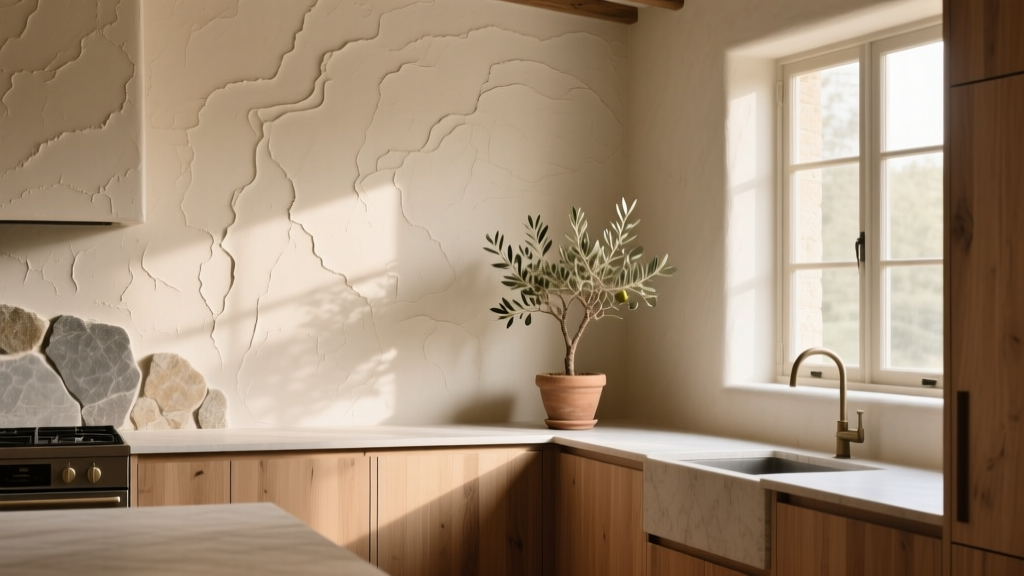 Kitchen Plaster Walls Organic Feel - The Decor Mag
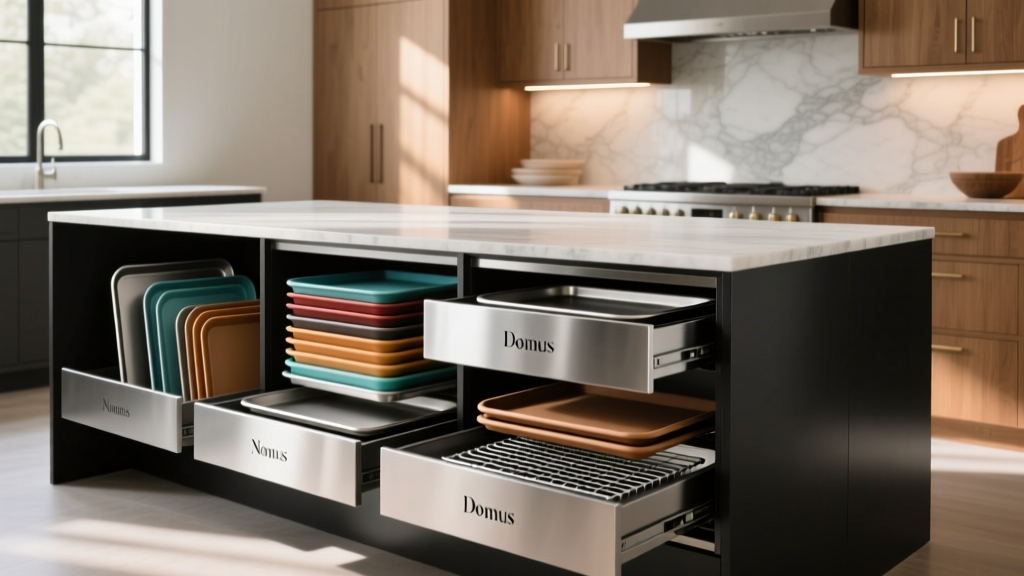 Best Kitchen Baking Sheet Organization - The Decor Mag
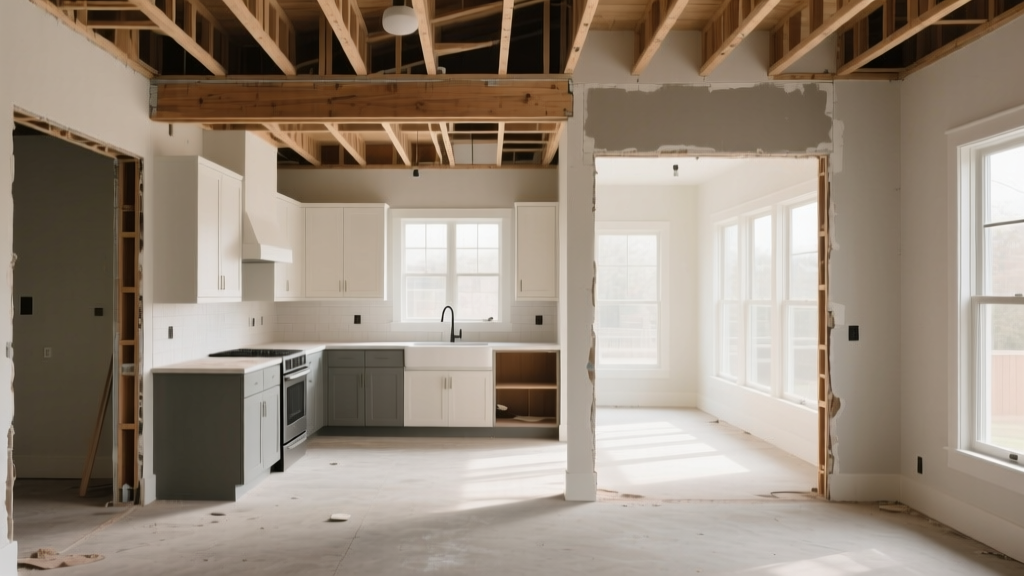 Open Concept Kitchen Renovation: Pre-Demolition Checklist
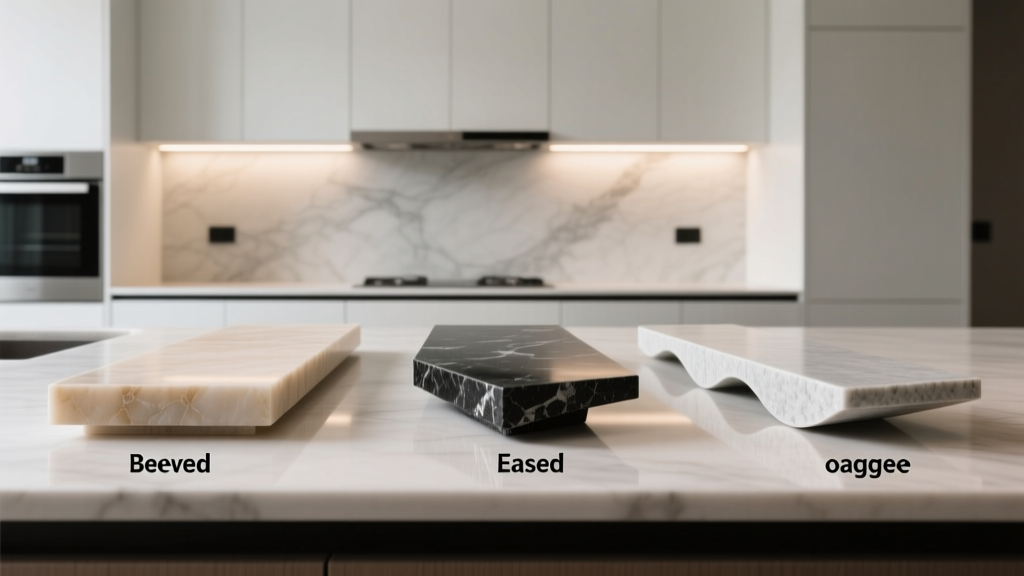 Kitchen Countertop Edge Profiles: Best Choices (2026)
 How to Choose Kitchen Countertop Thickness - The Decor Mag
 How to Choose Kitchen Backsplash Grout Color - The Decor Mag
 Kitchen Vintage Inspired Hardware Guide - The Decor Mag