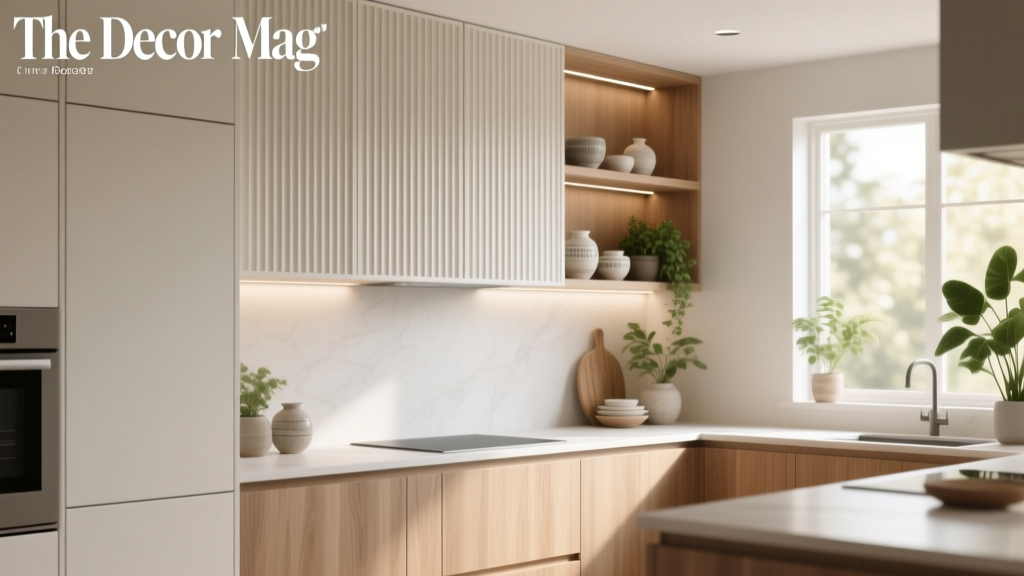
Kitchen Fluted Cabinet Door Trends - The Decor Mag
Fluted cabinet doors have moved from niche detail to a defining feature in today’s most photographed kitchens—and for good reason. The vertical rhythm of fluting adds depth, shadow, and texture without overwhelming a space, making it a smart upgrade for homeowners who want a fresh look that still feels timeless. Unlike overly ornate door styles that can date quickly, fluting reads as architectural: it plays nicely with modern, transitional, and even classic kitchens.
This trend also matters because it solves a common renovation challenge: how to add character when you’re keeping the same footprint. Fluted doors can elevate standard cabinet boxes, make a stock layout feel custom, and introduce a “designed” layer that pairs beautifully with today’s warmer woods, mixed metals, and soft matte finishes. When planned well, fluted cabinetry delivers visual interest while staying practical for everyday cooking, cleaning, and organization.
Below, you’ll find the most current fluted cabinet door trends, the best materials and layouts to use them in, cost ranges, and the mistakes that can turn a stylish detail into a high-maintenance regret.
What Are Fluted Cabinet Doors (and Why They’re Trending)
Fluted cabinet doors feature vertical grooves—either carved into solid material or applied using ribbed panels. The look is often associated with reeded glass, Art Deco architecture, and mid-century detailing, but it’s being reinterpreted now in cleaner profiles and warmer palettes.
Why homeowners love them
- Instant dimension: Fluting introduces shadow lines that make cabinetry look more expensive.
- Softens flat-front kitchens: Ideal if you like modern slab doors but want texture.
- Works with many styles: From Scandinavian light oak to moody, lacquered designs.
- Great for “feature zones”: Adds a focal point without redoing every cabinet.
Fluted vs. shaker vs. slab
- Shaker: Timeless, easy to repaint, can feel familiar unless elevated with hardware and color.
- Slab (flat panel): Sleek, contemporary, can look plain in large kitchens without texture.
- Fluted: More visual movement than slab; less traditional than shaker; reads “custom” quickly.
Top Fluted Cabinet Door Trends for Today’s Kitchens
1) Fluted islands as the centerpiece
One of the most popular renovation approaches is concentrating fluting on the kitchen island. It creates a furniture-like focal point and keeps the overall space from feeling too busy.
Best pairings:
- Simple perimeter cabinets (shaker or slab)
- Waterfall or thick-edge countertops for a more sculptural look
- Statement pendants and a contrasting island color
Practical island sizing tips:
- Maintain 36–42 inches of clearance on working sides (more if multiple cooks).
- Allow 24 inches of seating width per stool and 12–15 inches of overhang for comfortable knees.
- Keep island corners slightly eased (even a small radius) to prevent chips on fluted edges and reduce bump hazards.
2) Light oak and white oak fluting for warm minimalism
White oak continues to dominate kitchen design trends because it balances warmth with a clean, modern feel. Fluting in oak looks especially refined because the grain and grooves work together, creating a subtle, layered texture.
Design tip: Choose a matte clear finish or a low-sheen stain to avoid highlighting dust in the grooves.
3) Painted fluted doors in satin finishes
Painted fluted cabinets are everywhere—from creamy off-whites to deep greens and inky charcoals. Satin is a sweet spot: it’s wipeable, more forgiving than high gloss, and still reflects enough light to show off the texture.
Trending paint colors:
- Warm whites and greiges for bright kitchens
- Muted sage and olive for organic modern spaces
- Navy, graphite, and black for dramatic islands or bar areas
4) Fluted glass inserts for uppers and pantry zones
Reeded (fluted) glass is a cousin of fluted doors—and it’s an excellent option if you want texture with less bulk. It obscures clutter while still letting light pass, which helps kitchens feel airy.
Where it works best:
- Upper cabinets near a window (light diffusion looks beautiful)
- Bar cabinets and beverage centers
- Pantry doors when you want “concealed but not solid”
Functional note: Reeded glass reduces visual clutter, but it won’t hide messy shelves up close. Plan for tidy zones or use baskets inside.
5) Mixed textures: fluted lowers + smooth uppers
To keep a kitchen from feeling heavy, designers often put fluted cabinetry on lower cabinets and choose smooth uppers (slab or simple shaker). This maintains visual calm above the countertop line while still delivering texture where it counts.
Bonus: Lower cabinets take more wear; fluting in durable materials (like hardwood or quality MDF) helps hide small scuffs better than perfectly flat, high-gloss doors.
Best Materials for Fluted Cabinet Doors (Pros, Cons, and Where to Use)
Solid wood (white oak, walnut, maple)
- Pros: Premium look, strong edges, refinishable, natural depth.
- Cons: Higher cost; wood movement can matter in humid climates; grooves can collect grease if near the range.
- Best for: Islands, feature panels, butler’s pantry, statement bases.
MDF with routed fluting (paint-grade)
- Pros: Smooth paint finish, stable, usually more affordable than hardwood, consistent groove pattern.
- Cons: Vulnerable to moisture if edges aren’t sealed well; chips can be harder to repair invisibly.
- Best for: Painted fluted doors, uppers away from heat/steam, budget-friendly feature areas.
Veneered panels (engineered core + wood veneer)
- Pros: Real-wood look with improved stability; often less expensive than solid hardwood doors.
- Cons: Veneer can be damaged by aggressive scrubbing; quality varies widely.
- Best for: Contemporary kitchens, large runs where stability is key.
Thermofoil or laminate with fluted texture (limited but growing)
- Pros: Easy to wipe, durable surface, consistent finish.
- Cons: Edge seams and heat sensitivity depending on product; fewer high-end fluted profiles available.
- Best for: Busy family kitchens when paired with good ventilation and heat shields near ovens.
Design Recommendations: Where Fluting Works Best
Use fluting as an accent, not a blanket treatment
Fluted doors look elevated when they’re intentional. Overusing them can make a kitchen feel visually noisy, especially in open-concept layouts.
High-impact places to add fluting:
- Island seating side (the “furniture face” everyone sees)
- Paneled refrigerator surround or tall pantry wall
- Hood surround or a decorative “appliance garage” zone
- Wet bar or coffee station cabinetry
Choose the right groove scale for your kitchen size
Fluting comes in different widths and depths. The scale should match the room.
- Small kitchens: Consider narrow grooves (roughly 1/8–1/4 inch wide) and modest depth for a refined look that doesn’t feel busy.
- Medium to large kitchens: You can go bolder with wider grooves (around 3/8–1/2 inch) for more shadow and impact.
Tip: Ask your cabinet maker or supplier for a sample panel and view it in morning and evening light—fluting can look dramatically different depending on shadows.
Pair fluted doors with simplified hardware
Because fluting already adds texture, hardware should support it, not compete.
- Best hardware styles: slim bar pulls, edge pulls, simple knobs, or tab pulls.
- Placement tip: On fluted drawers, center pulls carefully so they don’t land awkwardly on a ridge. Many homeowners prefer longer pulls to span multiple grooves for a cleaner look.
- Trending finishes: brushed brass, polished nickel, and soft black—choose based on faucet and lighting so the metals feel coordinated.
Budget and Cost Ranges: What Fluted Cabinetry Can Really Cost
Costs vary based on door material, whether fluting is custom-milled, and how much of the kitchen you’re treating. Use these as planning ranges for a typical U.S. kitchen renovation.
Cost ranges (installed)
- Fluted door upgrade on stock/semi-custom cabinets: add roughly $1,500–$6,000 depending on the number of doors/drawers and material.
- Custom fluted island panels: about $1,000–$4,000 for decorative panels and end skins, more if the island is large or has curved details.
- Full kitchen in fluted cabinetry (custom): commonly $20,000–$60,000+ for cabinetry alone, depending on region, wood species, and door complexity.
- Reeded/fluted glass inserts: often $200–$800 per door depending on glass type, frame material, and supplier.
Where to spend vs. where to save
- Spend: island face, end panels, and any area you see from the main living space.
- Save: inside pantry, utility areas, and uppers that are visually quiet or broken up by windows.
Budget-smart approach
- Keep perimeter cabinetry in a standard style (shaker or slab).
- Add fluting to one “hero” zone (island, hood wall, or bar).
- Use lighting to emphasize texture (see below).
Lighting and Layout Tips That Make Fluting Look Custom
- Add under-cabinet lighting: Warm LED strips (around 2700K–3000K) help grooves read as intentional texture, not visual clutter.
- Use toe-kick lighting on an island: It creates a floating effect and highlights vertical lines subtly.
- Balance with calm surfaces: If you choose fluted cabinets, consider simpler countertops (quartz, honed stone, or subtle veining) to avoid competing patterns.
- Plan ventilation: If fluting is near the range, invest in a properly sized hood to reduce grease buildup in grooves.
Maintenance: Keeping Fluted Cabinet Doors Looking Crisp
Fluting is not difficult to maintain, but it does require a slightly different cleaning routine than flat doors.
Everyday care
- Dust grooves weekly with a microfiber cloth or a soft brush attachment on a vacuum.
- For splatters, use a mild dish soap + warm water solution and a damp (not soaking) cloth.
- Dry immediately to prevent moisture from sitting in the recesses.
What to avoid
- Abrasive sponges (they can dull paint and catch on edges)
- Harsh degreasers used frequently (they can strip finishes over time)
- Over-wetting MDF doors (risk of swelling at seams or edges)
Extra protection tips
- Choose a durable topcoat (quality lacquer or conversion varnish) for painted fluted cabinets in high-traffic kitchens.
- Install a heat shield panel near ovens if fluted cabinetry sits close to heat.
Common Mistakes to Avoid with Fluted Cabinet Doors
- Using fluting everywhere: Too much texture can feel busy and reduce resale appeal. Treat it as a design accent.
- Picking the wrong groove scale: Oversized grooves can overwhelm smaller kitchens; tiny grooves can disappear in large spaces.
- Ignoring cleaning realities: Fluting near the cooktop needs strong ventilation and consistent wipe-downs.
- Mismatched adjacent textures: Fluted wood + heavy patterned stone + bold tile can create visual noise. Limit to one or two “feature” materials per sightline.
- Poorly planned hardware placement: Hardware that lands awkwardly on ridges looks off and can feel uncomfortable to grip.
- Skipping samples: Always view a fluted sample next to your countertop, flooring, and lighting temperature before committing.
FAQ: Kitchen Fluted Cabinet Doors
Are fluted cabinet doors timeless or a short-term trend?
Fluting has historical roots (architecture, furniture, and glasswork), which helps it feel enduring. The most timeless approach is using fluting in focused areas—like an island or bar—paired with classic finishes and simple hardware.
Do fluted cabinets cost more than shaker cabinets?
Usually, yes. Fluting adds labor and material complexity. Expect to pay a premium for custom-milled wood doors, while routed MDF fluting can be a more budget-friendly way to get the look.
Do fluted doors trap grease and dirt?
They can collect dust and cooking residue more than flat fronts, especially near the range. Good ventilation, a quick weekly dusting, and prompt wipe-downs keep them looking sharp.
Can I add fluted panels to existing cabinets?
Often, yes. Many homeowners upgrade by replacing only the doors/drawer fronts or applying fluted end panels and skins to visible cabinet sides. A cabinet professional can confirm whether your existing boxes are worth keeping and whether new fronts will align properly.
What countertop styles look best with fluted cabinetry?
Fluted doors pair well with quieter countertops: solid or softly veined quartz, honed granite, soapstone, or subtle marble-look surfaces. If you love dramatic veining, consider limiting it to the island while keeping perimeter counters more restrained.
Do fluted cabinets work in small kitchens?
Yes—especially when used strategically. Choose a smaller groove profile, keep the color palette light, and use fluting on one focal section (like a slim peninsula) to add depth without visual overload.
Next Steps: How to Bring Fluted Cabinet Doors into Your Renovation Plan
Start by identifying your kitchen’s “most seen” surfaces—usually the island, a pantry wall, or a coffee/bar zone—and decide where fluting will have the biggest payoff. Then narrow your material direction (paint-grade MDF for a crisp modern look, or white oak/walnut for warmth), confirm a groove scale with samples, and coordinate hardware and lighting so the texture reads intentional day and night.
If you’re planning a full kitchen renovation, bring a fluted sample panel to your cabinet consultation along with your countertop and flooring picks. That small step prevents the most common mismatch: gorgeous doors that don’t harmonize with the rest of the kitchen finishes.
For more kitchen design trends, renovation planning advice, and smart organization ideas, explore more inspiration on thedecormag.com.
More Articles
 Best Kitchen Specialty Tool Organization - The Decor Mag
 Wood and Colors Compared: How Species, Finishes, and Pigments Shape Kitchen Design Decisions
 How to Design a Kitchen with Natural Light - The Decor Mag
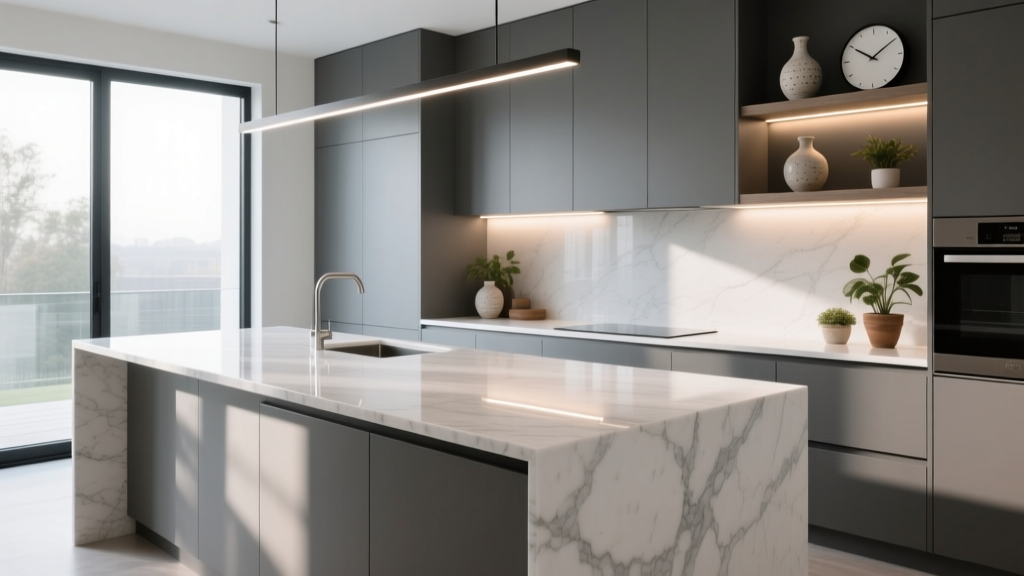 Kitchen Waterfall Island Design Ideas - The Decor Mag
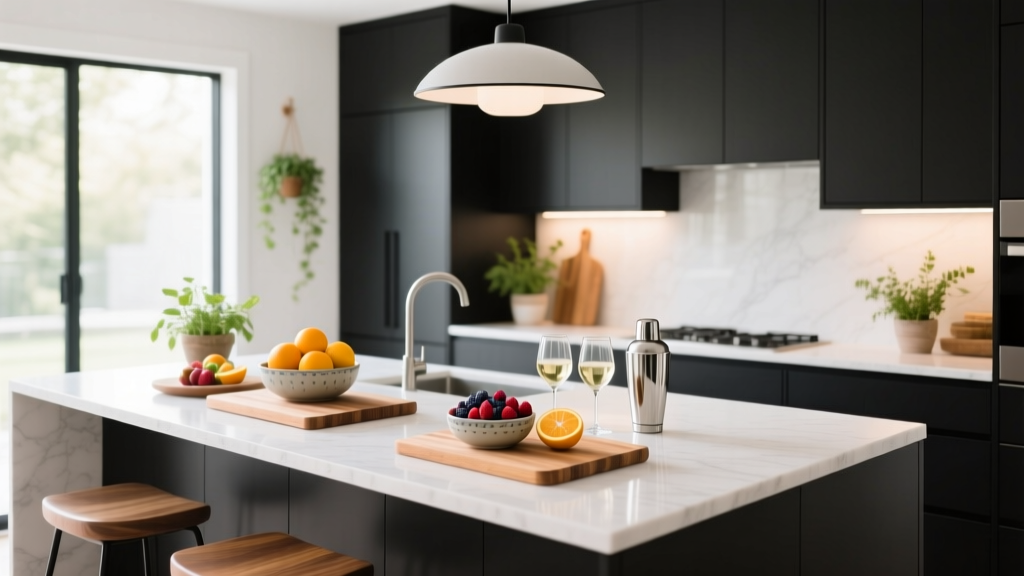 Kitchen Island Prep Stations: Summer Party Command Center
 Safety-First Bedroom Inspiration: Essential Design Principles, Verified Products, and Measured Layouts
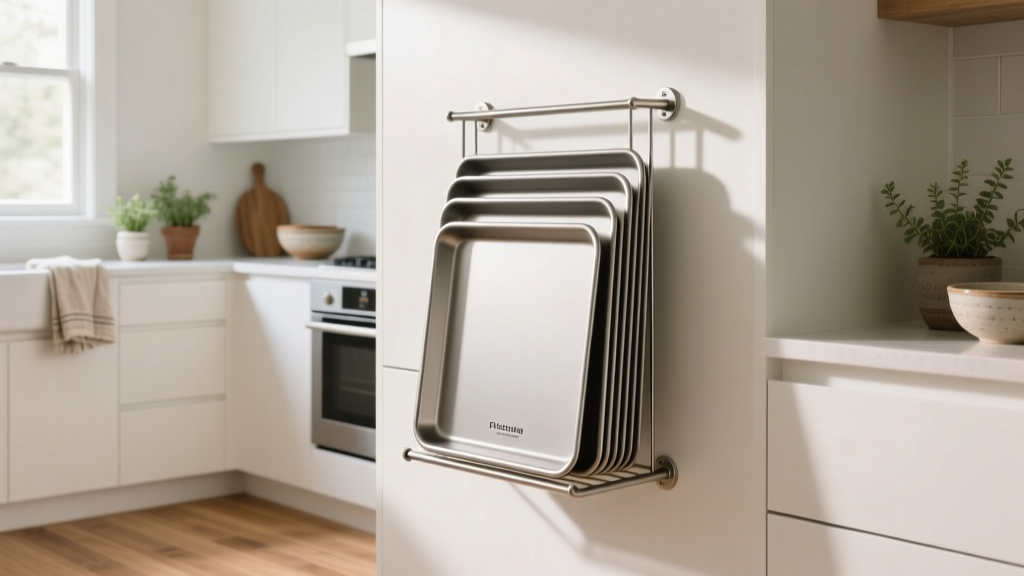 Best Kitchen Baking Sheet Vertical Storage - The Decor Mag
 Cheap vs Premium Real: What the Label Doesn’t Tell You About Butter, Cheese, and Olive Oil
 Kitchen Curved Architectural Details - The Decor Mag
 Kitchen Sink Styles and Materials Compared - The Decor Mag