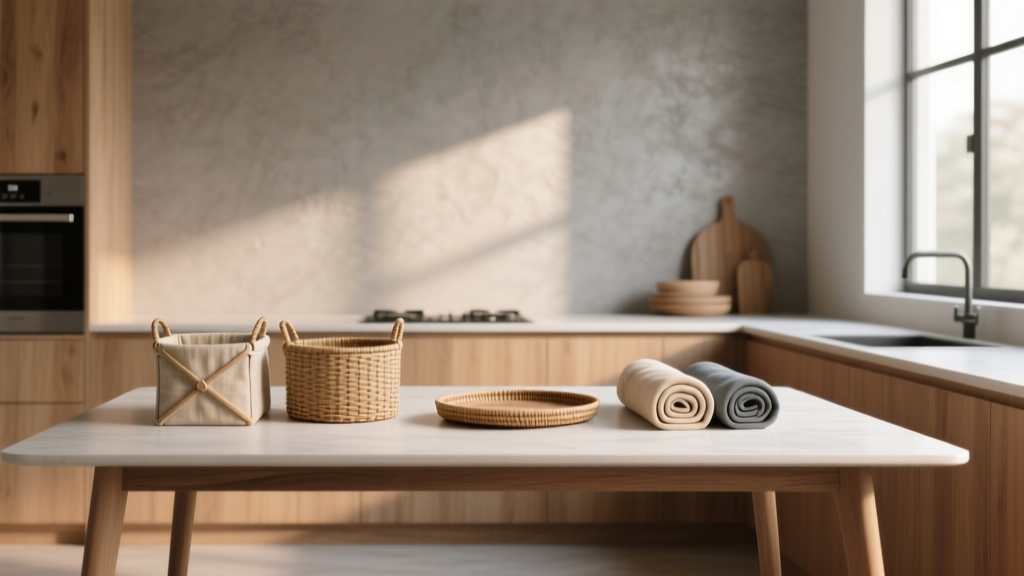
Best Kitchen Table Linen Storage - The Decor Mag
Kitchen table linens—napkins, placemats, runners, and tablecloths—do more than dress up a meal. They protect surfaces, reduce noise, elevate everyday dining, and help a kitchen feel intentional. Yet they’re often the first thing to become a crumpled pile in a drawer or a mystery stack in a closet.
For homeowners planning a kitchen renovation (or simply refining an existing space), table linen storage is a small design decision that pays off daily. The right storage keeps textiles wrinkle-free, easy to grab, and integrated into your kitchen organization system—without sacrificing style. Today’s kitchen design trends lean toward calm, clutter-free surfaces, concealed storage, and “zones” that support real routines. Linen storage fits perfectly into that approach.
This guide covers the best kitchen table linen storage options—from drawer layouts and cabinet inserts to rolling carts and dedicated linen towers—along with measurements, materials, cost ranges, and the common mistakes that lead to wrinkled cloth and wasted space.
What to Store (and How Much Space You Actually Need)
Start by taking a quick inventory. The most efficient kitchen organization plans reflect your actual habits—not an aspirational set of holiday tablecloths you use once a year.
Common kitchen table linens
- Everyday napkins: cloth napkins or paper napkins in holders
- Placemats: woven, vinyl, fabric, or leather
- Table runners: everyday and seasonal
- Tablecloths: rectangular, round, fitted, or oversized for entertaining
- Specialty items: charger covers, chair pads, stain treatment pens, clips, rings
Space planning guidelines
- Napkins: 12–24 cloth napkins typically fit in a 12"–18" wide drawer section when folded.
- Placemats: Store flat if possible. Most standard placemats are 12" x 18". Plan a drawer or shelf with at least 19" depth to avoid bending corners.
- Runners: Rolled runners store well in bins; folded runners fit in shallow drawers.
- Tablecloths: Folded stacks need width more than depth. A shelf around 24"–30" wide is comfortable for accessing without pulling everything out.
Pro tip: Separate “daily” linens from “seasonal/holiday.” Daily linens belong near the dining zone; seasonal linens can live higher up or in adjacent pantry/closet storage.
Best Storage Locations in a Kitchen Layout
Where you store table linens matters as much as how. During a kitchen renovation, think in terms of zones: prep, cooking, cleaning, serving, dining. Linens belong in the serving/dining zone.
1) Near the dining table or breakfast nook
If your kitchen includes a built-in banquette, breakfast nook, or adjacent dining area, this is prime linen territory.
- Best for: napkins, placemats, runners used weekly
- Ideal storage: drawers, bench seating storage, sideboard, or a shallow cabinet
2) In a pantry cabinet (lower shelves)
A tall pantry can work well when drawers aren’t available, especially if you add pull-out trays or bins.
- Best for: seasonal linens, backups, large tablecloths
- Ideal storage: labeled bins, shelf dividers, pull-outs
3) In an island or peninsula serving side
Many modern kitchens use the island as a multifunctional hub. Adding linen storage on the dining-facing side keeps the cooking area cleaner and supports entertaining.
- Best for: everyday napkins, placemats, napkin rings, candle lighters
- Ideal storage: wide, shallow drawers with organizers
Top Kitchen Table Linen Storage Solutions (With Measurements & Why They Work)
1) Wide, shallow drawers with adjustable dividers
This is the gold standard for wrinkle prevention and quick access. Shallow drawers keep stacks from slumping and discourage overstuffing.
- Recommended drawer depth: 3"–6" interior height for napkins and placemats
- Recommended drawer width: 24"–36" for flexible zones
- Best materials for dividers: solid wood, bamboo, powder-coated steel, or acrylic
Best for: cloth napkins, placemats stored flat, runners folded lengthwise, napkin rings.
Budget range:
- $20–$80 for drop-in drawer dividers and expandable organizers
- $200–$600+ for custom drawer inserts (often as part of a cabinetry package)
2) Pull-out trays inside base cabinets
If your kitchen cabinetry doesn’t include enough drawers, a pull-out tray retrofitted into a base cabinet adds the function of a drawer without redoing the whole layout.
- Typical pull-out sizes: 18", 24", or 30" wide; 18"–22" deep
- Choose soft-close slides: reduces shifting and keeps stacks tidy
- Add a low lip (1"–2"): prevents linens from sliding off
Budget range: $80–$250 per pull-out tray (DIY kits) or $250–$600+ installed.
3) Vertical file-style storage for placemats and runners
Vertical storage is trending in kitchen organization because it improves visibility and prevents creasing. Think of it as a “file cabinet” approach for textiles.
- How: use a wire rack, magazine holder, or custom vertical slots
- Ideal slot width: 1"–2" per placemat set
- Where: inside a cabinet, pantry shelf, or deep drawer
Best for: woven or vinyl placemats, thinner runners, and seasonal sets.
Budget range: $15–$60 for racks/holders; $150–$400+ for built-in slot inserts.
4) Lidded bins and fabric boxes (pantry or upper cabinets)
For households with multiple seasonal collections, bins keep categories clean and dust-free. Choose structured boxes that won’t collapse and wrinkle contents.
- Best bin materials: woven water hyacinth (lined), fabric over board, BPA-free plastic with latches
- Labeling: use clear tags for “Holiday,” “Outdoor,” “Everyday,” “Stain Care”
- Best shelf depth: 12"–16" for easy pull-out and visibility
Budget range: $10–$40 per bin; $50–$150 for a coordinated set.
5) Built-in linen tower or tall cabinet (renovation upgrade)
If you’re remodeling, a narrow linen tower can be a high-function, timeless upgrade—especially in open-concept layouts where clutter control matters.
- Ideal cabinet width: 12"–18"
- Include: a mix of shallow pull-outs (napkins/placemats) and deeper shelves (tablecloths, serving textiles)
- Finish trend: warm wood tones, muted paint colors, and minimal hardware for a calm, modern look
Budget range: $800–$2,500+ depending on cabinetry grade and internal fittings (stock vs. semi-custom vs. custom).
6) Sideboard, credenza, or banquette storage (best for kitchen-dining blends)
With kitchens increasingly designed as “living spaces,” a furniture-style storage piece adds warmth and flexibility—especially in smaller homes where every cabinet is already spoken for.
- Look for: shallow drawers for napkins, flat shelves for placemats, and doors that hide bulk
- Best depth: 16"–20" so it doesn’t crowd circulation
- Traffic clearance: keep at least 36" of walkway space around dining areas (42" is ideal in busy kitchens)
Budget range: $250–$900 for ready-made; $900–$2,500+ for solid wood or designer pieces.
Material Recommendations: What Protects Linens Best?
Drawer liners and inserts
- Cork: anti-slip, moisture-resistant; great for keeping stacks neat
- EVA/grip liner: budget-friendly, easy to cut; replace every few years
- Felt: looks polished but can hold lint; best for rarely used linens
- Wood inserts: durable and premium-looking; wipeable with a damp cloth
Storage containers
- Plastic bins with latches: best for basements/attics or humid climates (dust + moisture protection)
- Fabric boxes: best for indoor closets and pantry shelves; choose structured designs
- Woven baskets: stylish for open shelving; use liners to prevent snagging
How to Fold, Roll, and Maintain Linens (So They Stay Guest-Ready)
Best folding methods
- Napkins: fold into rectangles sized to your drawer section (commonly 6" x 8" or 8" x 8"). Stack upright if drawer height allows.
- Placemats: store flat whenever possible. If they curl, place a heavier set on top or store vertically in slots.
- Table runners: roll around an acid-free tube or fold loosely to avoid crease lines.
- Tablecloths: fold in thirds lengthwise, then fold to shelf width. For special linens, place acid-free tissue paper at crease points.
Maintenance advice
- Keep stain tools nearby: a small caddy with stain remover pen, baking soda, and a lint roller prevents “set-in” stains.
- Avoid storing damp linens: even slight moisture can cause mildew in closed bins or drawers.
- Refresh before guests: a quick steam is often easier than full ironing; store a handheld steamer near the laundry area.
- Cedar blocks (optional): helpful in humid climates, but keep them wrapped so oils don’t transfer.
Budget Planning: What’s Worth Spending On?
Kitchen renovation budgets add up fast, so linen storage should be targeted and strategic.
- Under $100: adjustable drawer dividers, grip liners, basic labeled bins—best for quick organization wins.
- $100–$500: pull-out trays, better-quality organizers, a dedicated drawer retrofit—best for improving daily function.
- $500–$2,500+: cabinetry upgrades (linen tower, custom inserts), furniture-side storage—best when you’re already updating kitchen cabinetry or creating a kitchen-dining zone.
Where to splurge: soft-close hardware, sturdy pull-outs, and well-fitted drawer inserts. These upgrades reduce daily friction and keep textiles from shifting into messy piles.
Common Mistakes to Avoid
- Overstuffing drawers: it causes deep wrinkles and makes it harder to keep sets together. Leave 10–20% free space.
- Storing placemats bent or curled: corners never quite recover. Prioritize flat or vertical slot storage.
- Mixing “daily” and “holiday”: it creates clutter and slows down routine table setting. Use separate bins or zones.
- Ignoring kitchen workflow: linens stored across the kitchen from the dining area turn into a constant back-and-forth.
- Using snag-prone baskets without liners: lace, linen, and loose weaves can catch and fray.
- Choosing open shelving for everything: open shelves look great, but fabrics collect grease and dust in active kitchens. Keep open storage to a small, curated selection.
Design Trends That Pair Beauty with Function
- Concealed storage with clean fronts: modern kitchens favor fewer visual breaks; internal organizers do the heavy lifting.
- Warm minimalism: light oak tones, soft whites, and matte hardware pair well with neatly organized textiles.
- Furniture-style pantry/linen cabinets: blending kitchen and dining aesthetics is increasingly common in open-concept renovations.
- Multi-zone islands: islands now often include serving storage—perfect for napkins, runners, and entertaining accessories.
FAQ: Kitchen Table Linen Storage
Where should I store table linens in a kitchen?
Store everyday linens near the dining area—ideally in a shallow drawer, island storage, or a sideboard. Seasonal linens can go in pantry shelving or upper cabinets in labeled bins.
Is it better to store placemats flat or rolled?
Flat is best for most placemats, especially fabric and structured woven styles. If rolling is necessary, roll loosely and avoid crushing edges; vertical slot storage is often the best compromise.
How do I keep tablecloths from wrinkling in storage?
Don’t overstack. Fold loosely to shelf width, add acid-free tissue at creases for special pieces, and store in a breathable cotton bag or a structured bin. Avoid damp areas and airtight bags unless linens are fully dry.
What’s the best drawer size for napkins and placemats?
A drawer with 3"–6" interior height works well. For placemats, prioritize a drawer depth of at least 19" so standard 12" x 18" placemats can lie flat without bending.
Can I store linens in the pantry?
Yes—especially seasonal items. Use lidded bins or structured boxes to protect from dust and cooking residue, and keep them away from items that can leak or spill (oils, vinegar, syrups).
What organizers work best for keeping sets together?
Drawer dividers, labeled bins, and file-style vertical slots are the most effective. If you entertain often, consider one bin or drawer per “table setting set” (napkins + rings + runner) to speed up hosting.
Next Steps: Build a Linen Storage Plan That Matches Your Kitchen
Start by choosing one “home base” for everyday linens within a few steps of your table. Measure your drawer or cabinet interior (width, depth, and height), then select organizers that fit your most-used items—especially placemats. If you’re renovating, consider adding a shallow drawer bank, an island serving drawer, or a narrow linen tower to support a cleaner, more functional kitchen layout.
For more kitchen renovation guidance, kitchen organization ideas, and storage-forward design inspiration, explore the latest articles at thedecormag.com.
More Articles
 How to Design a Kitchen with Natural Light - The Decor Mag
 Kitchen Statement Range as Focal Point - The Decor Mag
 Best Pendant Lights for Kitchen Islands - The Decor Mag
 Kitchen Warm Wood Cabinet Comeback - The Decor Mag
 Kitchen Statement Ceiling Design Ideas - The Decor Mag
 Kitchen Integrated Appliance Paneling - The Decor Mag
 Best Kitchen Cleaning Supply Storage - The Decor Mag
 Family Dining Tables: Durability Meets Design
 Minimalist Kitchen Design Essentials - The Decor Mag
 Best Kitchen Drawer Organization Systems - The Decor Mag