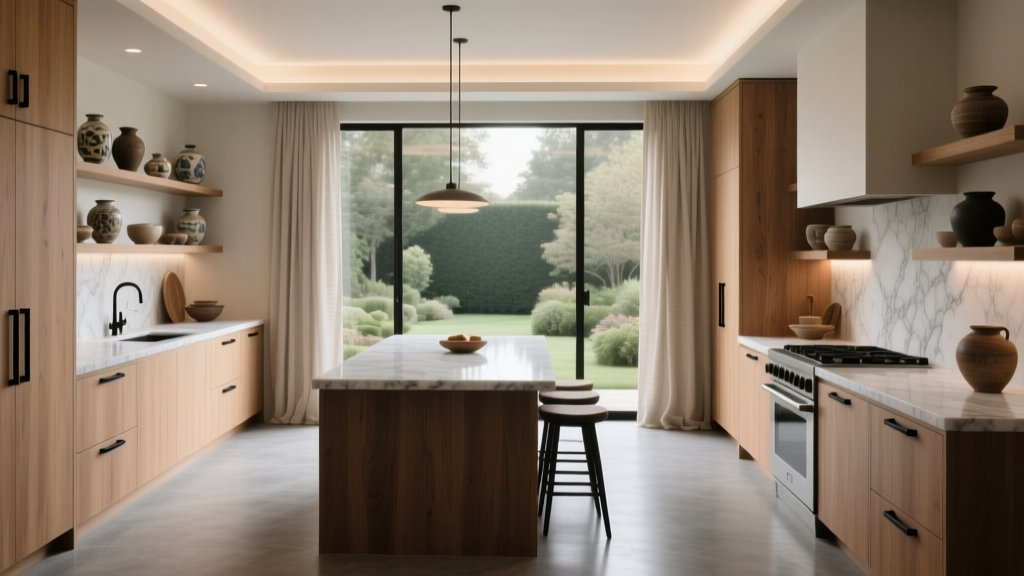
How to Create a Kitchen That Feels Timeless - The Decor Mag
A kitchen renovation is one of the biggest investments most homeowners make, and it’s also one of the most visible. Trends move fast—backsplashes, cabinet colors, hardware finishes, even appliances can feel “dated” in just a few years. A timeless kitchen design protects your budget, supports daily life, and keeps your home feeling fresh without constant updates.
“Timeless” doesn’t mean boring or all-white. It means choosing a strong foundation: a smart layout, durable materials, classic proportions, and finishes that age gracefully. Then you layer in personality with elements that are easy to change—lighting, stools, textiles, art, and accessories. The result is a kitchen that feels current now and still right a decade from now.
This guide walks through kitchen design principles that stand up to real cooking, family traffic, and evolving style—plus practical measurements, cost ranges, and common mistakes to avoid.
Start With Function: Layouts That Never Go Out of Style
The most timeless kitchens are the ones that work. Before selecting cabinet colors or tile, confirm the layout supports how you cook, clean, and gather.
Choose a layout that fits your space
- One-wall kitchen: Best for small homes and apartments; keep it streamlined with tall pantry storage to avoid visual clutter.
- Galley kitchen: Efficient for serious cooks; prioritize clear walkways and strong task lighting.
- L-shaped kitchen: Flexible, great for open-plan living; can add an island when space allows.
- U-shaped kitchen: Excellent storage and counter space; works best with adequate aisle widths.
- Kitchen with island: Adds prep, seating, and storage; the island should not choke circulation.
Timeless kitchen measurements (use these as your baseline)
- Main work aisles: 42 inches minimum (one cook), 48 inches comfortable (two cooks).
- Distance between island and perimeter counters: 42–48 inches.
- Walkway behind seated island stools: 44 inches minimum for pass-through traffic.
- Standard counter height: 36 inches.
- Island seating overhang: 12 inches minimum; 15 inches more comfortable for knees.
- Toe kick: 3–4 inches high and about 3 inches deep (comfortably fits most feet).
- Upper cabinet depth: typically 12 inches; consider 15 inches only if you need it and have ample clearance.
- Range hood width: ideally as wide as the range (or up to 6 inches wider) for better capture.
Keep the “work triangle” flexible—think work zones
Modern kitchen renovation planning leans toward zones instead of a strict sink-stove-fridge triangle, especially in open concept kitchens. Aim for:
- Prep zone: clear counter, knives, cutting boards, mixing bowls, trash/compost nearby
- Cooking zone: range, vent hood, oils/spices, utensils, sheet pans
- Cleaning zone: sink, dishwasher, dish storage, recycling
- Storage zone: pantry, fridge, small appliances, overflow serving pieces
Timeless Materials: Build a Strong, Neutral Foundation
If you want a kitchen that feels timeless, spend your money on what’s hard (and expensive) to change: cabinets, countertops, flooring, and major fixtures. Save trendier choices for lighting and decor.
Cabinetry: classic door styles and durable finishes
Shaker cabinets remain the most reliable option for a timeless kitchen because the simple frame works with traditional, transitional, and modern decor. Other enduring choices include:
- Shaker: versatile, resale-friendly, works with many hardware styles
- Flat-panel (slab): clean and modern; choose quality materials to avoid “builder-grade” vibes
- Simple recessed panel: slightly more traditional without feeling ornate
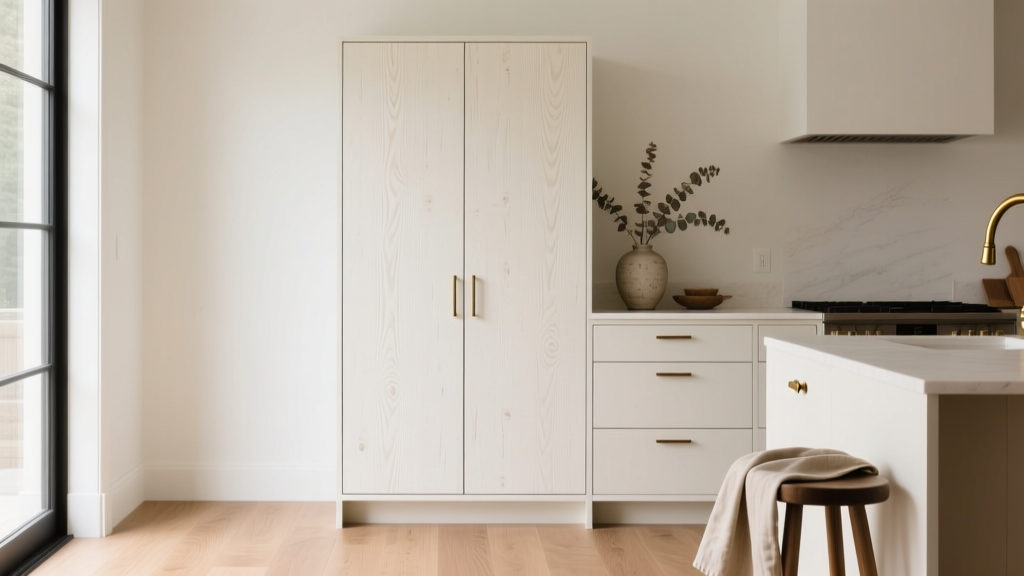
Finish guidance: painted cabinets can be timeless when the color is grounded (warm whites, soft greiges, muted taupes, deep navy or forest as an accent). Wood cabinets are trending again, and they’re also historically “always in style” when the stain is natural-looking rather than orange or overly gray.
Cost range:
- Stock cabinets: $150–$300 per linear foot (good for tighter budgets, fewer size options)
- Semi-custom cabinets: $250–$600 per linear foot (best value for most renovations)
- Custom cabinetry: $600–$1,200+ per linear foot (ideal for odd spaces and premium details)
Maintenance tip: Use a gentle pH-neutral cleaner. Avoid abrasive sponges on painted finishes. Add soft-close hinges to reduce wear over time.
Countertops: compare timeless options
- Quartz: consistent appearance, low maintenance, resists staining; can lack the depth of natural stone. Typical cost: $60–$120/sq ft installed.
- Granite: durable and heat-tolerant, unique patterns; needs periodic sealing depending on the slab. Typical cost: $50–$120/sq ft installed.
- Marble: iconic and beautiful, but etches and can stain; best for bakers or lower-traffic kitchens or as a small feature surface. Typical cost: $80–$200/sq ft installed.
- Quartzite: natural stone with excellent durability; still benefits from sealing. Typical cost: $90–$250/sq ft installed.
- Butcher block: warm and approachable; needs oiling and can show wear—great as an accent or on an island. Typical cost: $40–$100/sq ft installed.
Timeless countertop look: Choose simple, quieter patterns over high-contrast veining that can date quickly. For edge profiles, eased or small pencil-round reads classic and clean.
Flooring: prioritize longevity and comfort underfoot
- White oak or oak hardwood: a timeless standard; choose a matte finish for a modern, forgiving look. Cost: $8–$20/sq ft installed.
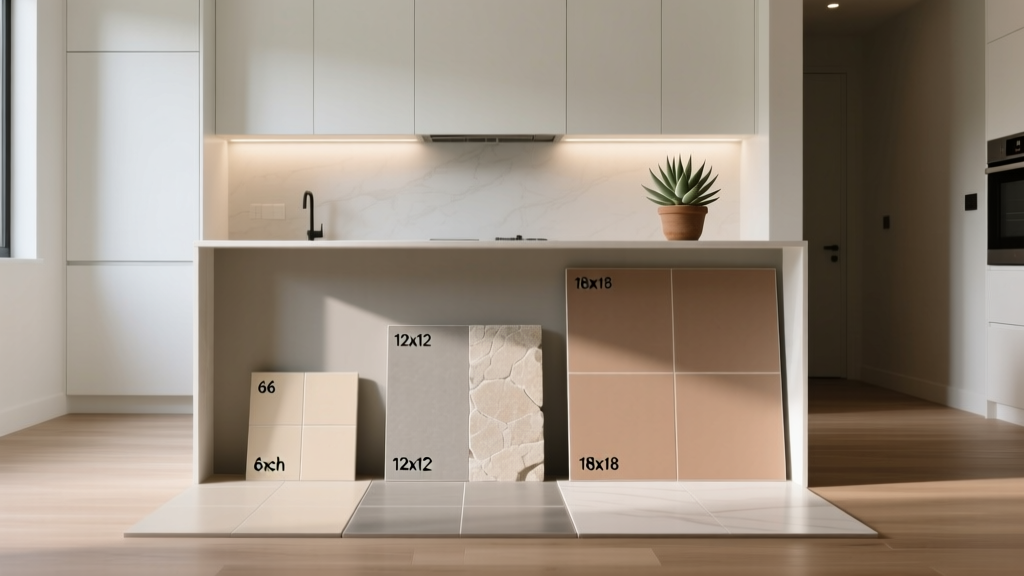
- Porcelain tile: extremely durable and water-resistant; choose larger formats (12x24) or classic shapes for timeless appeal. Cost: $8–$25/sq ft installed.
- Natural stone tile: beautiful but can require sealing and ongoing care. Cost: $12–$35/sq ft installed.
- Luxury vinyl plank (LVP): budget-friendly and resilient; quality varies—choose thick wear layers and realistic textures. Cost: $3–$10/sq ft installed.
Maintenance tip: Use felt pads under stools and chairs. Avoid steam mops on hardwood and some LVP products.
Color and Finish Strategy: Keep It Calm, Add Personality in Layers
Current kitchen design trends include warmer neutrals, natural wood, mixed metals, and more expressive lighting. You can enjoy these trends without locking your kitchen into a specific era.
A timeless color formula that still feels current
- Choose a neutral “base”: warm white, soft cream, light greige, or natural wood tone.
- Add a grounded accent: deep green, navy, charcoal, or muted clay (island, pantry wall, or lower cabinets).
- Use repeat materials: tie the room together with 2–3 consistent finishes (cabinet hardware, faucet, lighting).
Hardware and plumbing: classic shapes beat novelty
- Cabinet pulls: simple bar pulls or classic cup pulls are long-lasting choices.
- Faucets: gooseneck or pull-down in a straightforward silhouette works across styles.
- Finishes: polished nickel, stainless, and brushed nickel read timeless; matte black can be timeless when used consistently and paired with warm materials.
Cost range: Good-quality cabinet hardware often runs $4–$20 per piece; premium designer lines can be $25–$60+ per piece. Faucets generally range from $150–$600, with higher-end options reaching $1,000+.
Backsplash and Wall Treatments: Classic, Not Loud
Backsplashes are one of the fastest “date markers” in a kitchen renovation. The most timeless choices are simple, well-installed, and appropriate in scale.
Timeless backsplash options
- Subway tile (3x6) or elongated subway (2x8, 3x12): classic; choose a grout color that’s easy to maintain.
- Square tile (4x4 or 5x5): having a design moment now, but also historically proven.
- Slab backsplash (same as countertop): clean, minimal seams, easy to wipe down—excellent for timeless functionality.
Budget range: Installed tile backsplashes often land at $20–$70/sq ft (tile + labor), depending on material and pattern complexity. A slab backsplash varies widely but can be $80–$200+/sq ft installed.
Maintenance tip: If you cook often, avoid heavily textured tile or very light grout. Use a quality grout sealer where appropriate and clean with non-acidic products.
Lighting That Ages Well: Layer It Like a Pro
Lighting is where homeowners can embrace trends without risking permanence. The timeless approach is layered lighting: ambient, task, and accent.
Lighting plan checklist
- Ambient: recessed lights or a flush-mount fixture for overall brightness
- Task: under-cabinet LED strips (high impact for daily cooking)
- Decorative: pendants over an island or a statement fixture over a breakfast nook
Practical guidelines:
- Hang pendants 30–36 inches above the countertop (adjust for ceiling height and fixture size).
- Choose warm, flattering color temperature: 2700K–3000K for most kitchens.
- Put key lighting on dimmers for flexibility from cooking to entertaining.
Cost range: Under-cabinet lighting can be $200–$800 for a small kitchen (product + installation), while pendants range from $100–$600 each and designer fixtures can exceed $1,000.
Organization and Storage: Timeless Because It Solves Real Problems
A beautiful kitchen won’t feel timeless if it’s always cluttered. Smart kitchen organization is one of the best “forever” upgrades you can make.
High-impact storage upgrades
- Deep drawers for pots and pans: easier than lower cabinets with shelves
- Pull-out trash and recycling: keeps the work zone clean
- Tray dividers: for baking sheets and cutting boards (typically 9–12 inches wide)
- Lazy Susan or corner pull-outs: reduces dead space
- Pantry with adjustable shelving: adapts as your needs change
Practical dimensions for planning:
- Drawer depth: 21 inches is common; aim for full-extension slides.
- Pantry depth: 12–16 inches for shelves prevents items from getting lost in the back.
- Landing space: aim for at least 15 inches of counter near the fridge and 12–15 inches near the cooktop when possible.
Budget tip: If you can’t afford all internal organizers now, invest in the cabinet boxes and drawer stacks first. Inserts can be added later without ripping anything out.
Appliances: Choose Quiet, Efficient, and Consistent
Appliances date quickly when they’re overly stylized. For a timeless kitchen, choose classic finishes and prioritize performance and noise levels.
- Finish: stainless steel remains the most universal; panel-ready appliances create the most seamless, timeless look (higher cost).
- Ventilation: a quality range hood is a timeless functional upgrade—aim for appropriate capture and a quiet sone rating.
- Dishwasher noise: look for 44 dBA or lower for noticeably quieter operation.
Cost range: Appliance packages vary widely. Budget $3,000–$6,000 for a solid mid-range set, $8,000–$15,000 for premium brands, and $15,000+ for high-end or fully integrated packages.
Budget Planning: Where to Spend and Where to Save
A timeless kitchen is rarely about buying the most expensive option across the board—it’s about allocating funds to the right places.
Spend more on
- Cabinet quality (durable boxes, good hinges, full-extension drawer slides)
- Layout improvements (moving a wall, improving workflow, adding storage)
- Countertop durability (especially if you cook daily)
- Lighting and electrical planning (more outlets, dedicated circuits where needed)
Save on
- Backsplash tile (simple tile installed well looks elevated)
- Trend-driven decor (rugs, stools, counter accessories)
- Open shelving (use sparingly; it’s not always practical)
Realistic renovation ranges (varies by region and scope):
- Cosmetic refresh: $2,500–$10,000 (paint, hardware, lighting, minor upgrades)
- Mid-range kitchen remodel: $25,000–$60,000 (semi-custom cabinets, new counters, appliances, lighting)
- Major renovation: $70,000–$150,000+ (layout changes, custom cabinetry, premium materials, plumbing/electrical updates)
Common Mistakes That Make Kitchens Feel Dated (and How to Avoid Them)
- Overcommitting to a trend: ultra-bold patterned backsplash or novelty cabinet colors can age fast. Use trends in lighting and decor instead.
- Ignoring clearances: tight aisles and cramped seating make even a beautiful kitchen feel wrong. Stick to 42–48 inch circulation targets.
- Not planning enough storage: clutter is the quickest way to make a kitchen look messy and “old.” Prioritize drawers and pantry planning.
- Choosing the wrong undertones: mixing cool grays with warm woods without a plan can look off. Sample materials together in the same lighting.
- Skipping ventilation: poor ventilation leads to grease buildup and lingering odors—both affect how “fresh” the kitchen feels over time.
- Too many finishes: limit to 2–3 primary metals/material finishes for a cohesive, timeless look.
FAQ: Timeless Kitchen Design and Renovation
What cabinet color is the most timeless?
Warm white, soft cream, and natural wood tones are the most enduring. If you want color, use a deep, nature-based shade (navy, forest green) on an island or lower cabinets while keeping the rest neutral.
Is an all-white kitchen still in style?
Yes, especially when it includes warmth and texture (wood floors, mixed metals, layered lighting). The most current version avoids stark, icy whites and leans toward warmer whites with matte or satin finishes.
What countertop material is best for a timeless kitchen?
Quartz, granite, and quartzite are the most practical “timeless” choices for many homeowners because they balance durability and everyday maintenance. Marble is timeless visually, but it’s higher maintenance and shows etching—better for those who enjoy patina.
How do I make a small kitchen feel timeless and less cluttered?
Use full-height cabinetry when possible, prioritize deep drawers, add under-cabinet lighting, and keep the backsplash simple. Choose a consistent palette and limit countertop appliances by dedicating a cabinet or pantry shelf for them.
Are open shelves timeless?
Open shelving can look timeless in moderation, but it’s not universally practical. If you use it, limit to one short run, keep styling minimal, and pair with plenty of closed storage to avoid a cluttered look.
What’s the best way to blend current kitchen trends with a timeless foundation?
Use timeless “fixed” elements (layout, cabinetry, counters, flooring) and bring trends in through easily changeable pieces: pendants, bar stools, paint on a single wall, cabinet hardware, and decor.
Next Steps: A Simple Plan for a Timeless Kitchen
- Measure your kitchen and sketch the existing layout, including door swings and traffic paths.
- Identify pain points (no prep space, poor lighting, insufficient pantry storage) and solve those first.
- Choose a neutral foundation for cabinets, countertops, and flooring—then select 1–2 accents for personality.
- Build a lighting plan with layers and dimmers, and confirm outlet placement for modern living.
- Allocate budget strategically toward layout, storage, and durable materials that are difficult to change later.
- Collect samples (cabinet door, counter, tile, flooring) and view them together in morning and evening light.
A timeless kitchen isn’t about playing it safe—it’s about making smart, lasting choices that support your lifestyle and let your home evolve. For more kitchen renovation guidance, space-saving organization ideas, and inspiring design roundups, explore the latest at thedecormag.com.
More Articles
 Safety-First Bedroom Inspiration: Essential Design Principles, Verified Products, and Measured Layouts
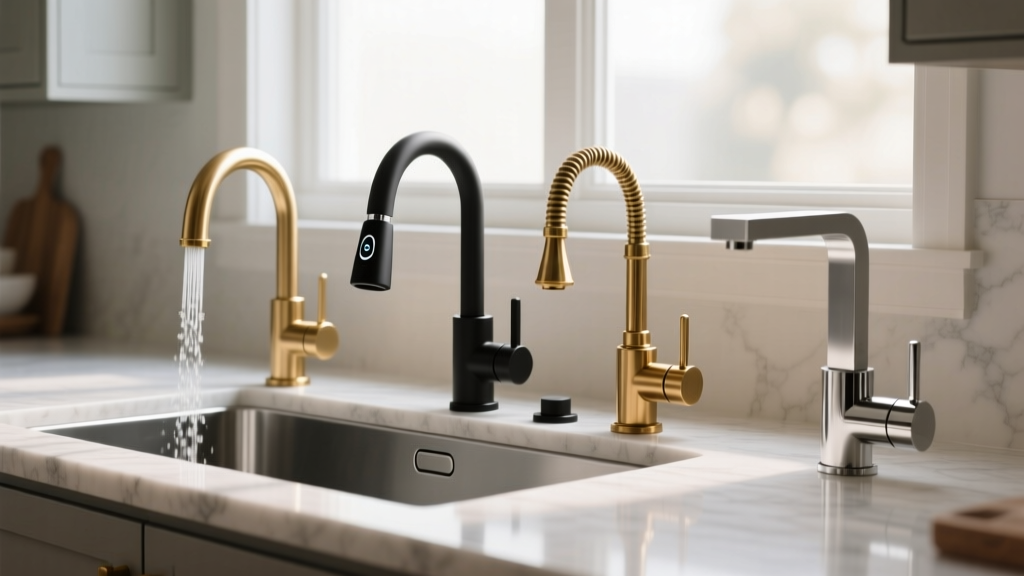 Best Kitchen Faucet Styles for 2026 - The Decor Mag
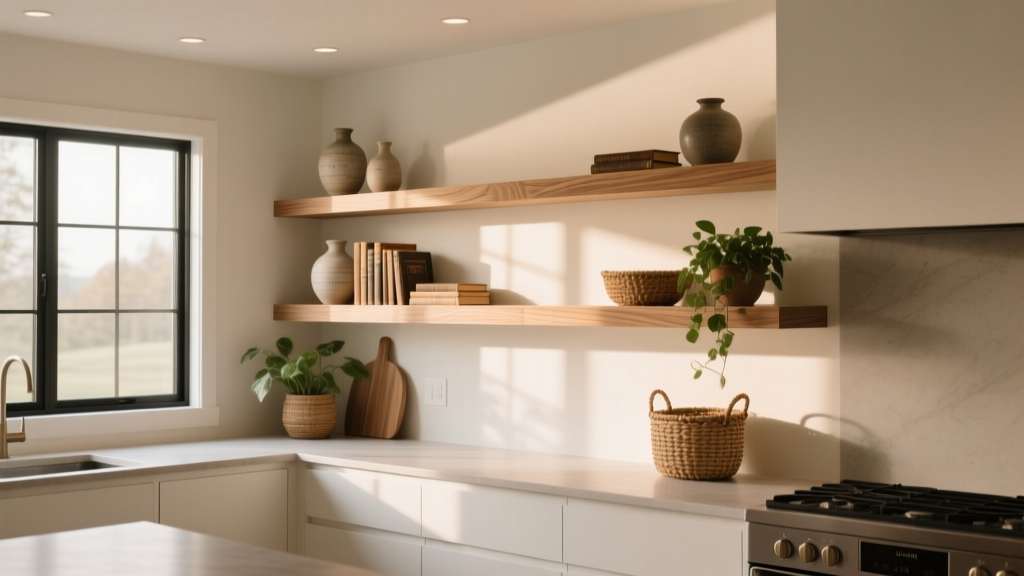 Open Shelf Kitchen Styling Tips - The Decor Mag
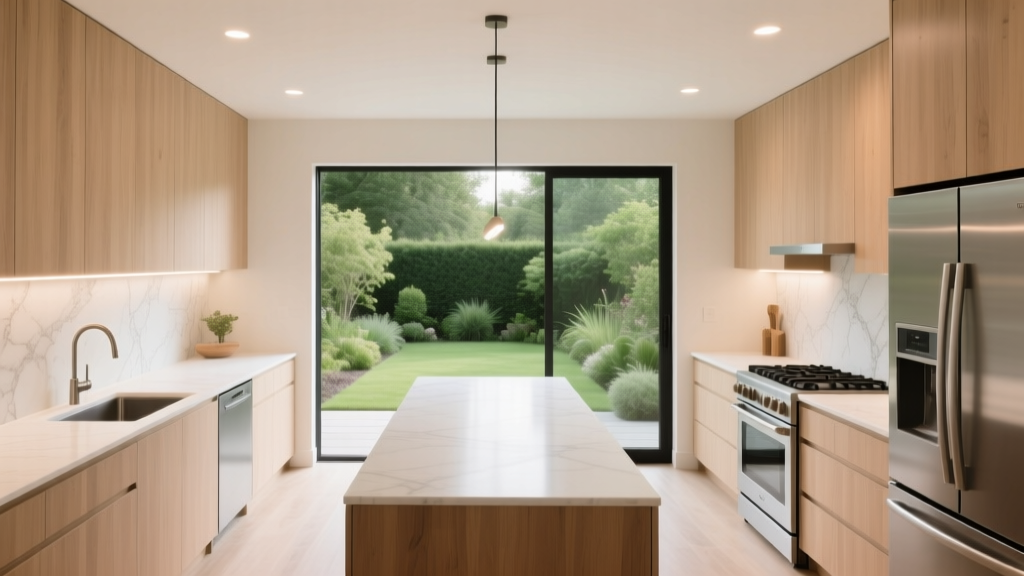 How to Design a Kitchen Work Triangle - The Decor Mag
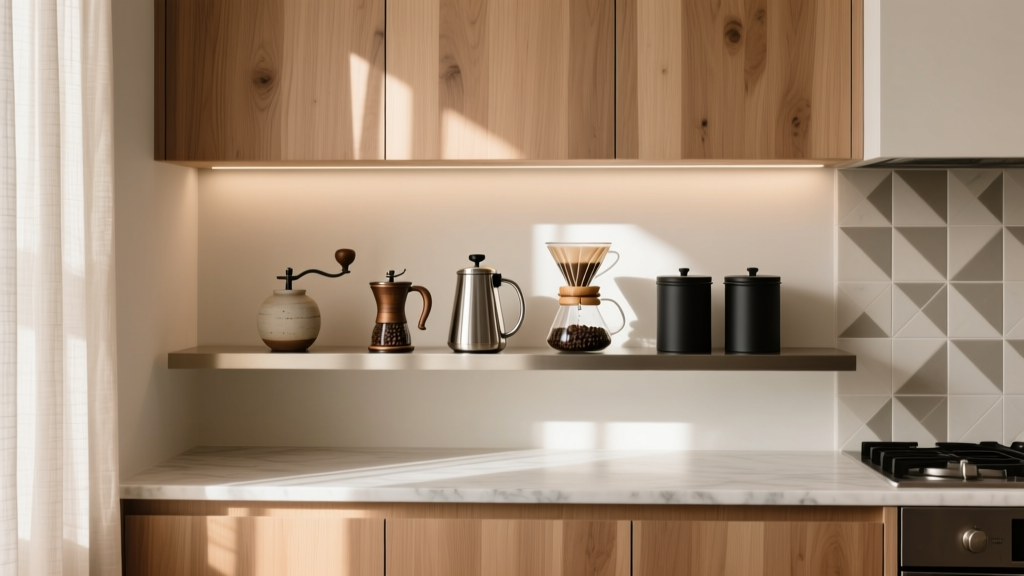 Best Kitchen Coffee Equipment Storage (2026)
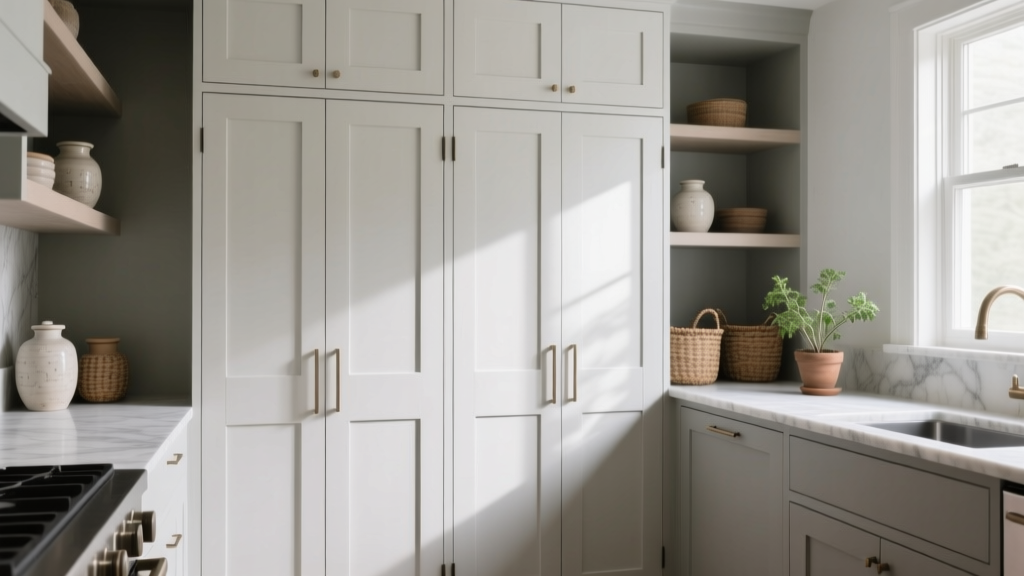 Best Kitchen Pantry Door Ideas - The Decor Mag
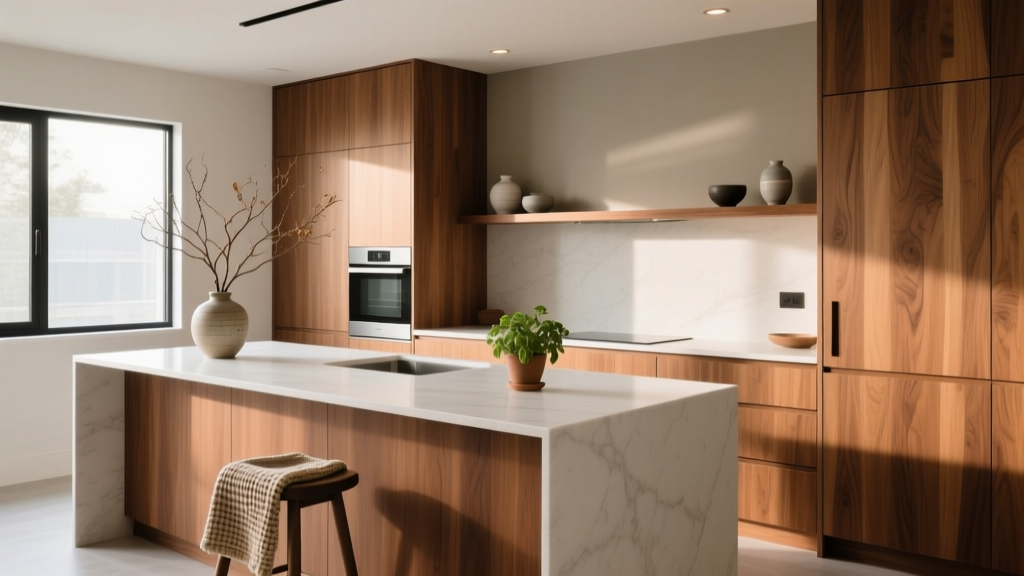 Kitchen Warm Wood Cabinet Comeback - The Decor Mag
 Kitchen Limewash Paint Cabinet Finish - The Decor Mag
 Sleep FAQ Answered: Science-Backed Answers from a Kitchen Specialist and Culinary Consultant
 How to Choose Kitchen Floor Tile Size - The Decor Mag