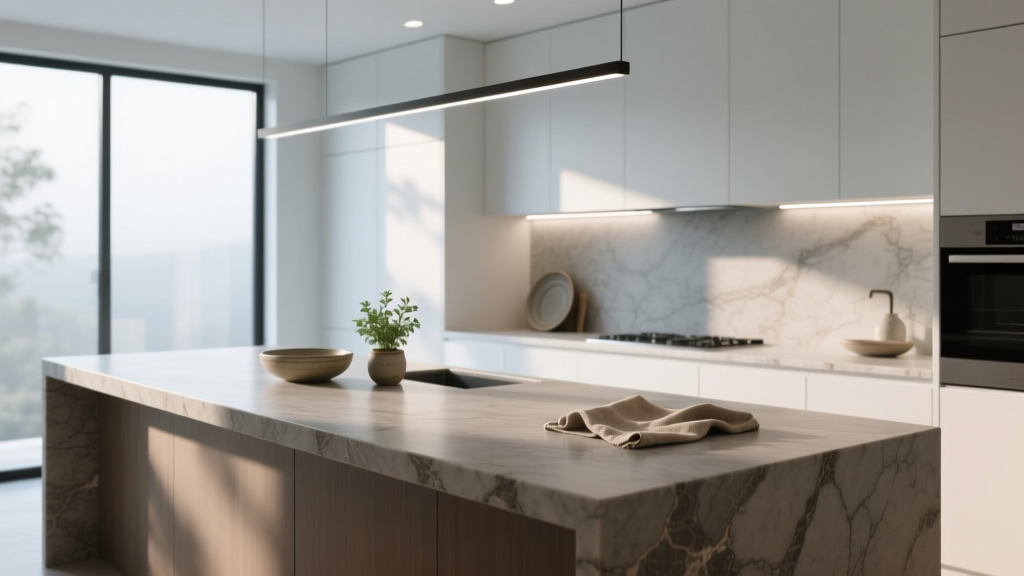
Kitchen Soapstone Countertop Guide - The Decor Mag
Countertops do more than finish a kitchen renovation—they shape how your space functions day-to-day. They’re where you prep meals, set down hot pans, unwrap groceries, and gather with family. Choosing the right countertop material affects durability, maintenance, budget, and the overall feel of your kitchen design.
Soapstone countertops have quietly become a designer favorite because they balance old-world character with hard-working practicality. They’re naturally nonporous, pleasantly smooth, and known for a deep, matte look that complements both modern kitchens and classic remodels. If you’re planning a kitchen upgrade and want something that ages gracefully (rather than looking “worn out”), soapstone is worth a close look.
This guide covers what soapstone is, how it compares to quartz and granite, real-world costs, edge and layout recommendations, and how to avoid the most common renovation mistakes—so you can choose a countertop that fits your lifestyle and your kitchen’s long-term functionality.
What Is Soapstone (and Why Homeowners Choose It)
Soapstone is a natural stone made primarily of talc and magnesite, sometimes with chlorite and other minerals. The talc content gives soapstone its signature silky feel and makes it easy to fabricate compared to harder stones. It’s been used for centuries in labs, fireplaces, and historic homes because it’s stable, heat-tolerant, and resistant to staining.
Soapstone’s Standout Benefits
- Naturally nonporous: Resists staining without needing sealing—unlike marble or many granites.
- Heat tolerant: Handles hot pans better than many engineered materials (though trivets still protect cabinets and edges).
- Forgiving surface: Minor scratches can often be sanded out; patina makes day-to-day marks less noticeable over time.
- Soft, quiet work surface: Especially appealing for avid cooks who spend time prepping.
- Timeless look: Works with current kitchen trends (warm woods, mixed metals, unfussy surfaces) and classic design principles.
Potential Trade-Offs
- Scratches and dents happen: Soapstone is softer than granite or quartz; it will show use, especially in high-traffic kitchens.
- Color shifts with oiling: Many homeowners oil soapstone to deepen the color; it will lighten as the oil wears off.
- Limited bright colors: Most slabs range from charcoal to green-gray with subtle veining.
Soapstone vs. Quartz vs. Granite vs. Marble
If you’re weighing countertop materials for a kitchen renovation, here’s how soapstone compares in real homes—especially for cooking, cleaning, and long-term maintenance.
Quick Comparison
- Soapstone: Nonporous, no sealing, heat tolerant, develops patina, scratches possible but repairable.
- Quartz (engineered): Nonporous and low maintenance, wide color range, but can be damaged by high heat; seams may be more visible depending on pattern.
- Granite: Very hard and scratch resistant; some slabs need periodic sealing; pattern/porosity varies widely by stone.
- Marble: Elegant and timeless, but etches easily from acids and stains without careful maintenance; best for bakers and low-acid prep zones.
Best-Fit Scenarios
- Choose soapstone if you cook often, want a natural material, and don’t mind a lived-in patina.
- Choose quartz if you want consistent color, minimal upkeep, and don’t typically place hot cookware directly on counters.
- Choose granite if you want maximum hardness and don’t mind verifying sealing needs by slab.
- Choose marble if you love natural veining and accept etching as part of its character—or keep it in a baking station or island away from acids.
Design Trends + Timeless Pairings for Soapstone Countertops
Soapstone aligns with today’s kitchen design trends—especially warmer, more organic finishes—while still feeling classic. The key is pairing it thoughtfully with cabinetry, hardware, and lighting.
Trending Looks That Work Beautifully
- Warm wood cabinets: White oak, walnut, and medium-tone stains balance soapstone’s depth.
- Off-white or creamy painted cabinets: Creates softer contrast than stark white, especially in north-facing kitchens.
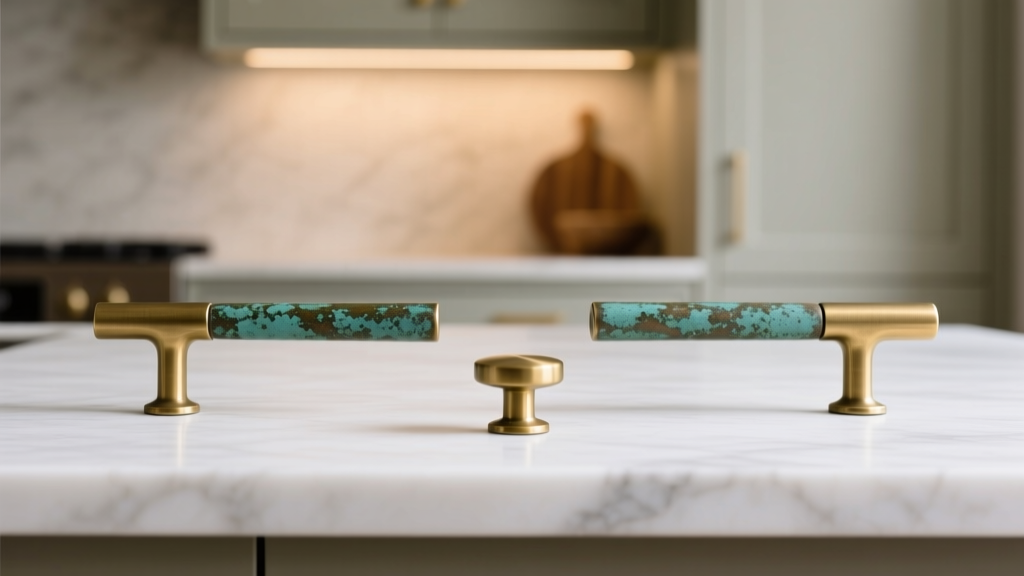
- Mixed metals: Aged brass or unlacquered brass warms the palette; matte black creates crisp modern edges.
- Statement islands: Soapstone on the island with a lighter perimeter countertop (or vice versa) adds dimension without clutter.
- Textured backsplashes: Handmade-look tile, zellige-inspired ceramic, or honed stone adds movement without competing.
Timeless Design Principles to Keep It Functional
- Use matte or honed finishes for a cohesive look and better everyday masking of fingerprints.
- Prioritize lighting: under-cabinet LEDs (2700K–3000K) prevent dark countertops from feeling heavy.
- Balance dark counters with reflective elements (light backsplash, pale walls, glass-front uppers in small kitchens).
Planning Your Layout: Thickness, Overhangs, and Edges
Soapstone works in nearly every kitchen layout—galley, L-shape, U-shape, and open-concept kitchens—but your choices around thickness, edge profile, and overhang have major impact on comfort and durability.
Recommended Measurements
- Standard countertop depth: 25 1/2 inches (typically 25 inches cabinet + 1/2 inch overhang).
- Standard height: 36 inches finished height (adjust if you’re tall/short or planning universal design).
- Island seating overhang: 12 inches for casual stools; 15 inches for more knee space; 18 inches for generous comfort (often requires additional support).
- Support needs: Overhangs beyond ~12 inches typically require brackets or corbels, depending on slab thickness and fabricator guidelines.
Thickness Options
- 3 cm (about 1 1/4"): Most common for a substantial, modern look; often preferred for durability.
- 2 cm (about 3/4"): Lighter visual profile; can be built up at the edge to look thicker if desired.
Edge Profiles That Suit Soapstone
- Eased edge: Clean, modern, and budget-friendly; comfortable for daily use.
- Rounded (bullnose or half-bullnose): Softer look; can help reduce chipping risk at corners.
- Ogee or decorative edges: Better for traditional kitchens; costs more and shows dust more easily.
Finish Options: Honed vs. Polished (and What to Expect)
Most soapstone countertops are honed or matte, which highlights their natural, velvety character. Polished soapstone exists but is less common and can look glossier than many homeowners want in a relaxed kitchen.
- Honed finish: Most popular; hides fingerprints and daily smudges better; develops a soft patina.
- Polished finish: More reflective; can show scratches differently; may not fit the current preference for matte surfaces.
Oiling Soapstone: Design Choice, Not a Requirement
Soapstone doesn’t need sealing, but many homeowners apply mineral oil or a soapstone wax to deepen and even out color. Expect the surface to lighten as oil wears off, especially near sinks and prep zones.
- For a deep charcoal look: Oil initially every 1–2 weeks, then monthly or as desired.
- For a natural, lighter patina: Skip oiling and let it age on its own.
- For a more even finish: Consider a soapstone wax product designed for longer-lasting darkening.
Cost Ranges and Budget Planning
Soapstone is typically a premium countertop choice, similar to higher-end granite and sometimes comparable to quartz depending on your market and slab selection.
Typical Installed Cost
- Soapstone: $70–$140+ per square foot installed
- Quartz: $60–$120+ per square foot installed
- Granite: $50–$120+ per square foot installed
- Marble: $80–$180+ per square foot installed
Budget example: A 40 sq ft countertop run (common for a medium kitchen) may land around $2,800–$5,600+ installed for soapstone, depending on slab price, edge details, cutouts, and seam complexity.
What Drives Soapstone Pricing
- Slab quality and veining: More dramatic veining or rare coloration often costs more.
- Thickness: 3 cm slabs and built-up edges increase material and labor cost.
- Cutouts: Undermount sink cutouts, cooktop cutouts, and faucet holes add fabrication time.
- Seams: More seams = more labor; seam placement matters visually.
- Backsplash add-ons: Full-height slab backsplashes dramatically increase material cost but create a seamless luxury look.
Where to Spend vs. Save
- Spend on: a great fabricator, smart seam placement, and a durable sink setup.
- Save on: ultra-decorative edge profiles, overly thick built-up edges, and unnecessary waterfall ends if budget is tight.
Smart Product and Material Recommendations
Sinks That Pair Well with Soapstone
- Stainless steel undermount: Practical and affordable; complements soapstone’s darker tones and hides water spots better than glossy finishes.
- Fireclay apron-front: Classic farmhouse look; balance with simple hardware to keep it timeless.
- Composite granite sinks: Matte texture matches honed soapstone; check heat and impact ratings by brand.
Backsplash Pairings
- Off-white ceramic subway tile (3x6 or 4x12): Timeless, easy to clean, and brightens dark counters.
- Handmade-look tile: Adds texture; keep grout lines tight (1/16"–1/8") for easier maintenance.
- Slab or stone-look porcelain: Fewer grout lines; sleek for modern kitchen design.
Cabinet Hardware + Faucet Finishes
- Unlacquered brass: Warms up cool soapstone and develops its own patina—great for character-rich kitchens.
- Matte black: Modern contrast; works well with white or wood cabinetry.
- Polished nickel: Classic, slightly softer than chrome; fits transitional kitchens.
Maintenance and Cleaning: What Actually Works
Soapstone maintenance is refreshingly straightforward. The goal is gentle daily cleaning and optional periodic oiling for appearance.
Daily Cleaning Routine
- Wipe with warm water and a mild dish soap using a soft cloth or sponge.
- Dry near the sink if you want to minimize water marks (especially on newly installed or recently oiled stone).
Handling Scratches and Dings
- Light scratches: Often blend into the patina; you can lightly sand with fine-grit sandpaper (commonly 220–400 grit) and feather the edges.
- Deeper marks: Sand progressively (coarser to finer) and re-oil the repaired area to match.
- If you’re unsure: Ask your fabricator what grit sequence they recommend for your specific slab and finish.
Heat, Stains, and Chemical Resistance
- Heat: Soapstone tolerates heat well, but using trivets protects edges and reduces thermal stress on undermount sink areas.
- Stains: Because it’s nonporous, most spills won’t soak in. Wipe oils and sauces promptly to keep the surface looking even.
- Chemicals: Avoid harsh cleaners and bleach; mild soap is typically enough.
Common Mistakes to Avoid with Soapstone Countertops
- Expecting a “perfect” surface forever: Soapstone is meant to patina. If you want a pristine, scratch-resistant surface, quartz may suit you better.
- Choosing a slab without seeing it in person: Veining, color, and softness can vary. View the actual slab under good lighting.
- Ignoring seam planning: Poor seam placement can interrupt focal points. Plan seams away from high-visibility areas when possible.
- Not thinking through sink details: The sink area is the hardest-working zone. Invest in quality sink clips, proper support, and a durable faucet setup.
- Over-oiling unevenly: Spot-oiling can create patchiness. If oiling, apply evenly across the full countertop for a consistent look.
- Skipping functional lighting: Dark countertops can feel heavy without under-cabinet lighting and balanced overhead illumination.
FAQ: Soapstone Countertops for Kitchen Renovations
Do soapstone countertops need sealing?
No. Soapstone is naturally nonporous and does not require sealing like many granite or marble countertops. Some homeowners oil or wax it for appearance, not protection.
Will soapstone scratch easily?
Soapstone is softer than granite and quartz, so it can scratch or dent. The upside is that scratches often blend into the patina, and many can be sanded out and refinished.
Is soapstone good for a busy family kitchen?
Yes—if you’re comfortable with a countertop that shows character over time. It resists staining well and handles heat, making it practical for frequent cooking and everyday use.
How much does a soapstone countertop cost?
Common installed pricing ranges from about $70 to $140+ per square foot. Your final cost depends on slab selection, thickness, edge profile, cutouts, and seam complexity.
What’s the best backsplash with soapstone?
For bright, timeless contrast, off-white ceramic tile (subway or vertically stacked) is a reliable choice. For a more seamless high-end look, consider a slab backsplash or large-format porcelain with minimal grout lines.
Can I place hot pans directly on soapstone?
Soapstone is heat tolerant, but using trivets is still a smart habit to protect edges, prevent thermal shock in surrounding materials, and preserve the finish around seams and sink cutouts.
Next Steps: How to Choose the Right Soapstone for Your Kitchen
- Visit a stone yard in person and view slabs under natural and warm indoor lighting.
- Ask for details on hardness and veining and choose a slab that matches your tolerance for patina and movement.
- Plan your layout with your fabricator: seam placement, sink cutout, faucet holes, and overhang support.
- Decide on the look you want long-term: oiled (darker, more uniform) or natural (lighter, evolving patina).
- Upgrade lighting and organization during the renovation—under-cabinet lighting, drawer inserts, and pull-out trash systems make soapstone kitchens feel even more high-end and functional.
If you’re collecting ideas for a kitchen remodel, exploring layout options, or comparing countertop materials for your renovation budget, soapstone is a compelling blend of beauty and real-life practicality. For more kitchen design inspiration, renovation planning tips, and organization upgrades, explore more kitchen ideas on thedecormag.com.
More Articles
 Kitchen Cabinet Color Trends - The Decor Mag
 How to Design a Kitchen with an Eat-In Area - The Decor Mag
 How To Match Styling With Fluted Cabinet Doors, Countertops, and Hardware
 Kitchen Countertop Seam Placement: Pro Tips (2026)
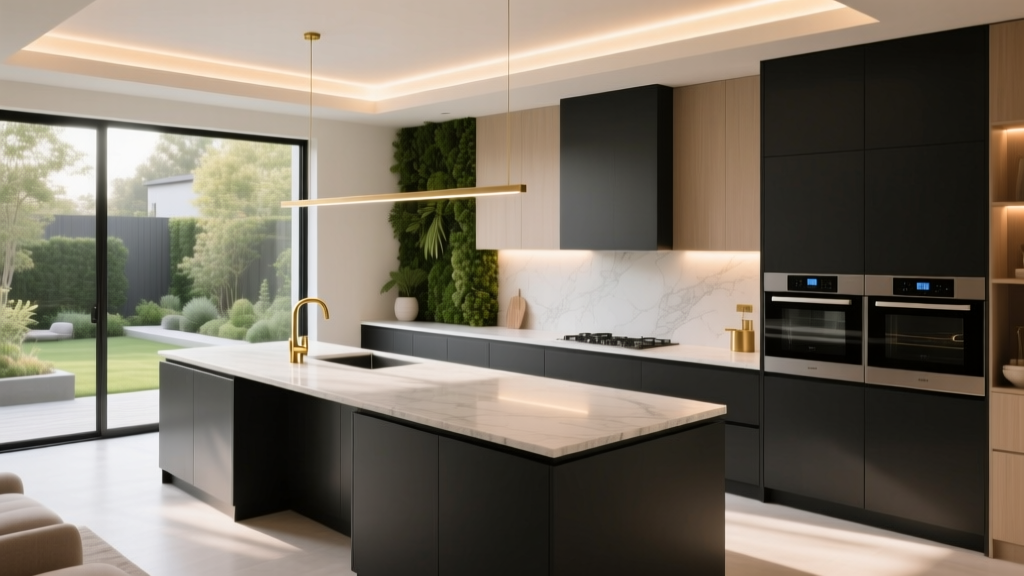 Modern Kitchen Design Trends for 2026 - The Decor Mag
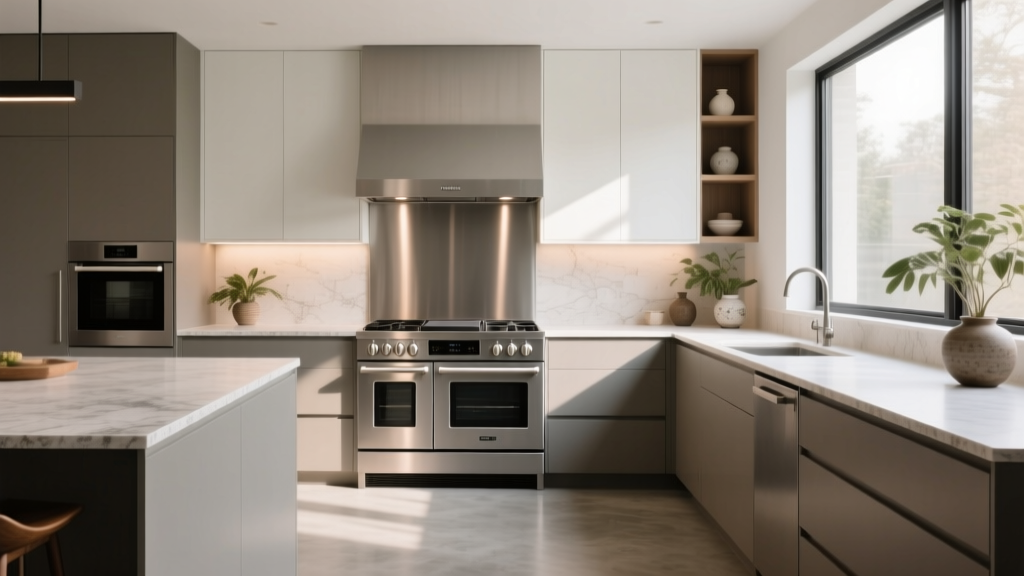 Kitchen Statement Range as Focal Point - The Decor Mag
 Open Concept Kitchen Renovation: Pre-Demolition Guide
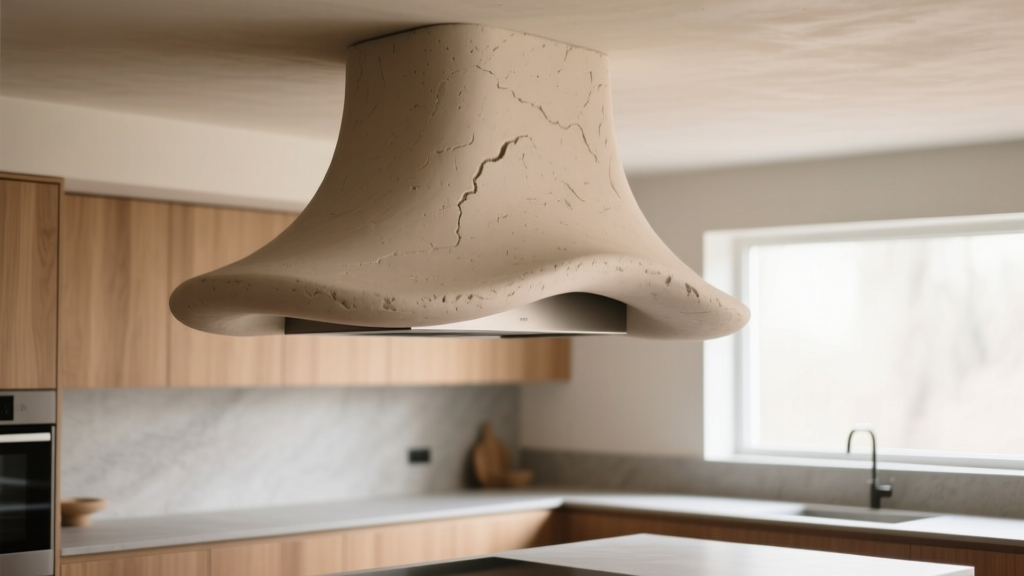 Kitchen Plaster Range Hood Organic Look - The Decor Mag
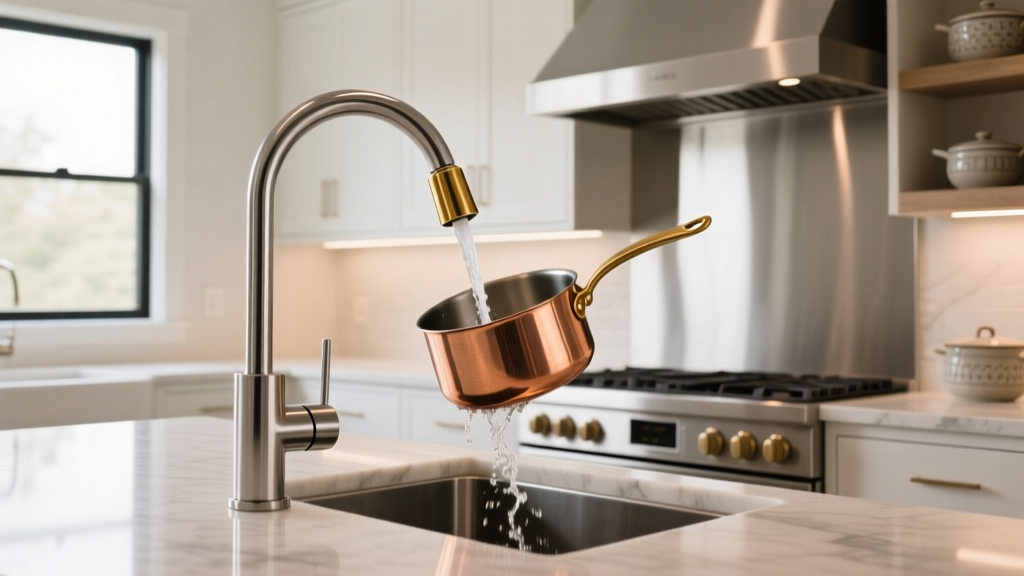 Kitchen Pot Filler Faucet Guide - The Decor Mag
 Kitchen Unlacquered Brass Hardware Patina - The Decor Mag