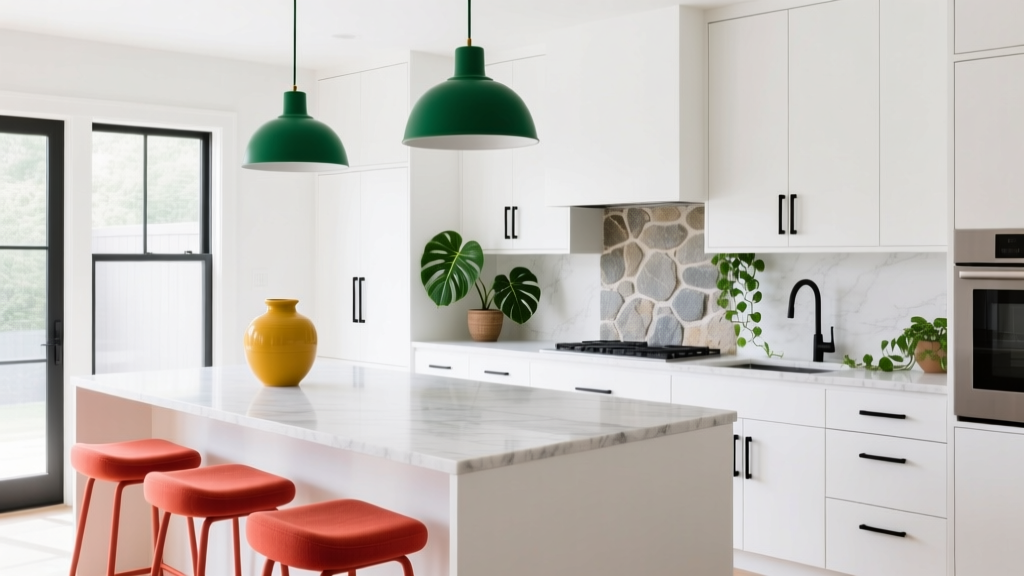
How to Incorporate Color in a White Kitchen - The Decor Mag
A white kitchen is a favorite for good reason: it feels bright, spacious, clean, and flexible enough to work with nearly any home style. White cabinets and countertops also make resale-friendly sense during a kitchen renovation, which is why so many homeowners start with an all-white foundation.
The downside is that an all-white scheme can read flat or sterile—especially in open-concept homes where the kitchen has to “hold its own” next to a living or dining area. The right color choices add warmth, personality, and visual structure without sacrificing the timeless appeal that made you choose white in the first place.
This guide walks through practical, designer-approved ways to bring color into a white kitchen—from paint and tile to lighting, textiles, and organization. You’ll find product and material recommendations, cost ranges, measurements that help decisions go smoothly, and common mistakes to avoid while planning your kitchen design.
Start With a Color Strategy (So It Doesn’t Look Random)
Choose a “Color Role” for Your Kitchen
Before buying a bold rug or ordering emerald tile, decide what role color will play. This keeps your kitchen renovation cohesive and helps you set a realistic budget.
- Accent-only: Color shows up in removable pieces (rugs, stools, art, small appliances). Best for renters or cautious renovators.
- Feature-driven: One standout element becomes the focal point (island paint, backsplash tile, range, or hood). Great for mid-range remodels.
- Layered color: Multiple intentional color moments (island + backsplash + textiles). Best for full remodels with a clear palette.
Use the 60/30/10 Guideline
A simple interior design principle works well in kitchens:
- 60%: Your dominant base (white cabinets, white walls, light counters)
- 30%: Secondary tone (wood floors, warm metals, a greige wall, or natural stone)
- 10%: Accent color (tile, island paint, decor, upholstery)
Pick a Palette That Works With Fixed Finishes
Color should relate to the elements that are hardest (and most expensive) to change:
- Countertops: Are they cool (crisp white, gray veining) or warm (creamy base, beige veining)?
- Flooring: Honey oak pushes palettes warmer; gray LVP often pulls them cooler.
- Appliances: Stainless is flexible, while black stainless and panel-ready designs benefit from more deliberate color choices.
High-Impact Ways to Add Color (Big Visual Change, Smart Planning)
1) Paint the Island (or Lower Cabinets) for a Designer Look
A colored island is one of today’s strongest kitchen design trends because it adds contrast without overpowering the room. It also visually anchors the layout—especially in open-plan homes.
Popular island colors in white kitchens: deep navy, smoky blue, sage green, olive, charcoal, clay/terracotta, and near-black.
Where it works best:
- Large kitchens where all-white cabinetry feels expansive
- Galley kitchens where the island becomes a focal point
- Open-concept layouts that need a “bridge” color to adjacent rooms
Practical tips:
- Use a durable cabinet-grade enamel in satin or semi-gloss for wipeability.
- If painting existing cabinets, budget for prep: degreasing, sanding/deglossing, bonding primer.
- For a balanced look, repeat the island color at least once (bar stools, runner, or art).
Cost range:
- DIY paint (island only): $80–$250 (paint, primer, supplies)
- Professional painting: $500–$2,500 depending on size and prep
- New colored island cabinetry in a remodel: varies widely; often a modest upcharge from standard white
2) Use a Colorful Backsplash to Define the Kitchen Zone
The backsplash is a natural place to introduce color because it sits in your sightline and connects cabinets to counters. It’s also one of the most expressive design choices in a renovation.
Current backsplash trends that still feel timeless:
- Zellige-look ceramic (handmade variation without the maintenance of true handmade tile)
- Vertical stacked tile (adds height and modern structure)
- Muted greens and blues paired with warm metals
- Stone slab backsplash for a seamless, high-end look
Measurements that matter:
- Standard backsplash height: 18 inches from countertop to upper cabinets
- If you don’t have uppers on one wall, consider a “splash zone” up to 30–36 inches or go full height for drama
- Order 10–15% extra tile for cuts, waste, and future repairs
Material comparisons:
- Ceramic: budget-friendly, easy to clean, broad color options
- Porcelain: very durable, great for heavy-use cooking zones
- Glass: bright and reflective, but shows smudges more easily
- Natural stone: beautiful depth; requires sealing and gentle cleaners
Cost range (materials + installation varies by region):
- Basic ceramic tile: $5–$15/sq ft (tile)
- Premium tile (zellige, artisan styles): $20–$60+/sq ft (tile)
- Installed backsplash: often $25–$80/sq ft all-in
- Stone slab backsplash: $70–$150+/sq ft installed (depends on stone and fabrication)
3) Add Color Through Countertop or Stone Veining (Subtle but Rich)
If you love white cabinetry but want more depth than plain white counters, choose a surface that introduces gentle movement and tone.
- Quartz with warm veining: adds softness, coordinates with brass and wood
- Quartz with gray/blue veining: crisp and modern with stainless or chrome
- Marble-look porcelain slabs: dramatic veining with lower maintenance than true marble
Maintenance advice:
- Quartz: low maintenance; avoid harsh abrasives and high heat directly on the surface
- Marble: etches easily; use cutting boards, wipe acids quickly, seal regularly
- Porcelain slab: excellent stain resistance; confirm fabricator experience before ordering
Cost range:
- Quartz installed: $60–$120/sq ft
- Marble installed: $80–$200+/sq ft
- Porcelain slab installed: $70–$150+/sq ft
Medium-Commitment Color (Noticeable Updates Without a Full Remodel)
Upgrade Hardware and Metals to Warm or Cool the White
Metal finishes influence how white reads—cool and crisp or warm and creamy. Mixed metals remain a strong trend when done intentionally.
Easy pairings:
- White + brushed brass: warm, inviting, slightly traditional
- White + matte black: graphic, modern, great for contrast
- White + polished nickel/chrome: clean, classic, reflective
Practical tips:
- Keep finishes consistent within the same “zone” (all cabinet pulls one finish; faucet can be another).
- Match sheen levels for harmony: matte black hardware pairs well with matte or satin lighting.
Cost range:
- Cabinet pulls/knobs: $3–$25+ each
- Faucets: $150–$800+ depending on brand and features
Choose Statement Lighting That Adds Color and Warmth
Pendant lights are functional and decorative, and they’re a chance to bring in colored glass, painted metal, or a warm brass finish.
Measurements for pendants over an island:
- Bottom of pendant typically 30–36 inches above the countertop
- For multiple pendants, allow 24–30 inches between fixtures
- Pick a size that suits the island: as a guideline, a 24–30 inch wide island often suits 2 pendants; larger islands may suit 3
Color tip: Try amber glass for warmth, soft green shades for an organic feel, or matte navy metal to echo a painted island.
Cost range:
- Budget pendants: $60–$200 each
- Mid-range designer looks: $200–$600 each
- High-end lighting: $600–$2,000+ each
Use a Painted Wall or Ceiling to Frame the Space
If your cabinets are white, you can add color around them—without touching cabinetry at all. This is especially effective in kitchens with adequate natural light.
- Single accent wall: works well in eat-in kitchens or behind open shelving
- Soft all-over wall color: warm white, pale greige, or misty blue to reduce glare
- Ceiling color: subtle pale tone adds charm; great in kitchens with crown molding
Cost range: $40–$90 per gallon of quality paint; professional painting varies but is often one of the most cost-effective upgrades per visual impact.
Low-Commitment Color (Fast Refresh, High Flexibility)
Textiles: Rugs, Runners, Towels, and Cushions
Textiles make a white kitchen feel lived-in and comfortable while helping with acoustics in hard-surface spaces.
Runner sizing tips (common renovation question):
- For a galley kitchen, choose a runner that leaves 4–6 inches of floor visible on each side.
- Common sizes: 2'6" x 8', 2'6" x 10', 3' x 9'.
- Use a non-slip pad and choose low-pile, washable materials for high-traffic cooking zones.
Cost range:
- Washable runners: $60–$250
- Wool/vintage-style rugs: $200–$1,000+
Bar Stools and Seating as a Color Anchor
Upholstered stools are a smart way to bring color into a white kitchen—especially if your island faces a living room and needs a coordinated look.
- Performance fabrics resist stains better than standard linen blends.
- For leather or faux leather, wipe spills quickly and condition real leather occasionally.
Basic stool measurements:
- Counter height (36" counter): seat height 24–26 inches
- Bar height (42" bar): seat height 28–30 inches
- Allow 10–12 inches between seats and about 24 inches of width per stool for comfort
Cost range: $100–$400 per stool (mid-range), $400–$1,000+ (designer/upholstered).
Color Through Organization: Containers, Pantry Storage, and Display
Kitchen organization can add controlled color while improving daily function—especially in a white kitchen where clutter stands out.
- Use matching tinted glass canisters (amber or green) for a cohesive look.
- Choose a limited container palette: two colors max (for example, clear + one accent).
- Bring color into open shelving with cookbooks, ceramics, or a set of uniform bowls.
Cost range: $20–$120 for a set of canisters; $15–$40 per high-quality storage bin; $30–$200 for drawer organizer systems depending on size.
Color Pairings That Consistently Work in White Kitchens
If you want a palette that’s hard to regret, these combinations balance current kitchen design trends with timeless functionality principles.
- White + navy + brass: classic and tailored, great for transitional kitchens
- White + sage + light oak: warm and calming, ideal for Scandinavian or modern organic style
- White + charcoal + walnut: sophisticated contrast, works well with matte black accents
- White + terracotta + cream: earthy warmth that still feels airy
- White + soft black + stainless: modern, streamlined, easy to maintain visually
Budget Planning: Where Color Is Worth Spending
Color can be inexpensive (paint) or a major line item (stone, custom cabinetry). Prioritize based on permanence.
- Best “value” upgrades: paint (island or walls), hardware, lighting, textiles
- Mid-range impact: backsplash tile, new faucet, bar stools
- Premium investments: countertops, slab backsplash, custom hood, high-end appliances in color finishes
Suggested budgeting approach:
- Choose one permanent color feature (island paint, tile, or countertop veining).
- Pick two supporting accents (stools + rug, or lighting + hardware).
- Reserve 10–15% contingency for renovation surprises, especially if changing tile or plumbing.
Common Mistakes to Avoid
- Adding too many colors at once: A white kitchen magnifies contrast. Stick to 1–2 accent colors and repeat them.
- Ignoring undertones: Bright cool white cabinets can clash with warm creamy tile (and vice versa). Compare samples in your kitchen lighting.
- Choosing trendy colors in permanent finishes without testing: Tape up large paint swatches and view them morning/night for several days.
- Overusing bright, high-saturation color: A neon backsplash can feel dated quickly. Consider muted or complex tones for longevity.
- Skipping practical maintenance: Glossy dark tile shows water spots; porous stone needs sealing; light grout can stain near the cooktop.
- Forgetting lighting temperature: Warm bulbs (2700K–3000K) soften whites; cooler bulbs can make the space feel clinical.
FAQ: Adding Color to a White Kitchen
What’s the easiest way to add color without remodeling?
Start with a washable runner, bar stools, and coordinated accessories (towels, canisters, art). This gives immediate color while keeping your kitchen design flexible.
Should I paint the island or the walls first?
If you want the most “designed” look, paint the island first and keep walls a soft neutral. If your kitchen lacks warmth, wall color can change the overall feel quickly—especially if your cabinetry is a stark white.
Are colorful appliances a good idea for resale?
They can be, if the color is classic (deep blue, black, or muted green) and the rest of the kitchen renovation is neutral. If resale is a priority, consider using color on easier-to-change items (tile, paint) instead of major appliances.
What backsplash color works best with white cabinets?
Soft greens, smoky blues, warm grays, and off-whites with texture are reliable choices. For a bolder look, navy or charcoal tile adds contrast while staying timeless.
How do I keep a colorful backsplash from overwhelming the space?
Use a simple tile shape (subway, stacked rectangle, square) and keep countertops and cabinet hardware more restrained. Choosing grout close to the tile color also reduces visual noise.
What’s the most durable way to add color in a high-traffic kitchen?
Painted cabinets in a cabinet-grade enamel, porcelain tile backsplashes, and performance upholstery on stools hold up well. For countertops, quartz and porcelain slab surfaces are typically the most forgiving for busy households.
Actionable Next Steps for Your White Kitchen
- Photograph your kitchen in daylight and at night, then identify whether your whites read warm or cool.
- Pick one primary accent color and one supporting tone (often wood or metal).
- Test paint and tile samples in place for at least 48 hours, and view them next to countertops and flooring.
- Choose one high-impact upgrade (island paint or backsplash), then layer in low-commitment color (rug, stools, lighting) to finish the look.
If you’re planning a kitchen renovation or simply refreshing your space, a white kitchen is the perfect canvas—thoughtful color choices will make it feel customized, welcoming, and functional for everyday living.
Explore more kitchen design, renovation, and organization ideas at thedecormag.com.
More Articles
 Kitchen Cabinet Interior Finish: Best Choices (2026)
 Best Kitchen Wine Storage Solutions - The Decor Mag
 Kitchen Warm Wood Cabinet Comeback - The Decor Mag
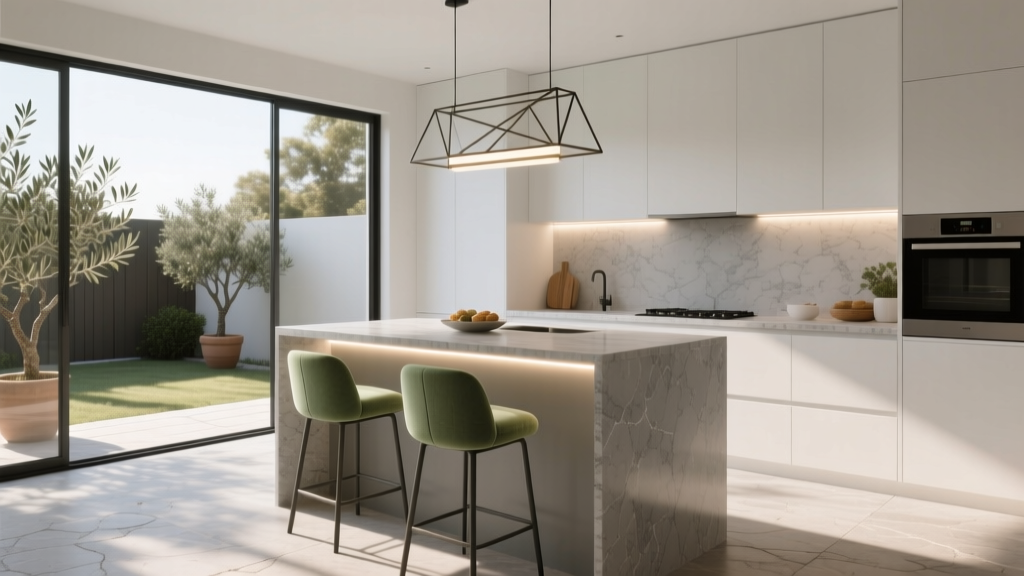 How to Design a Kitchen with a Breakfast Bar - The Decor Mag
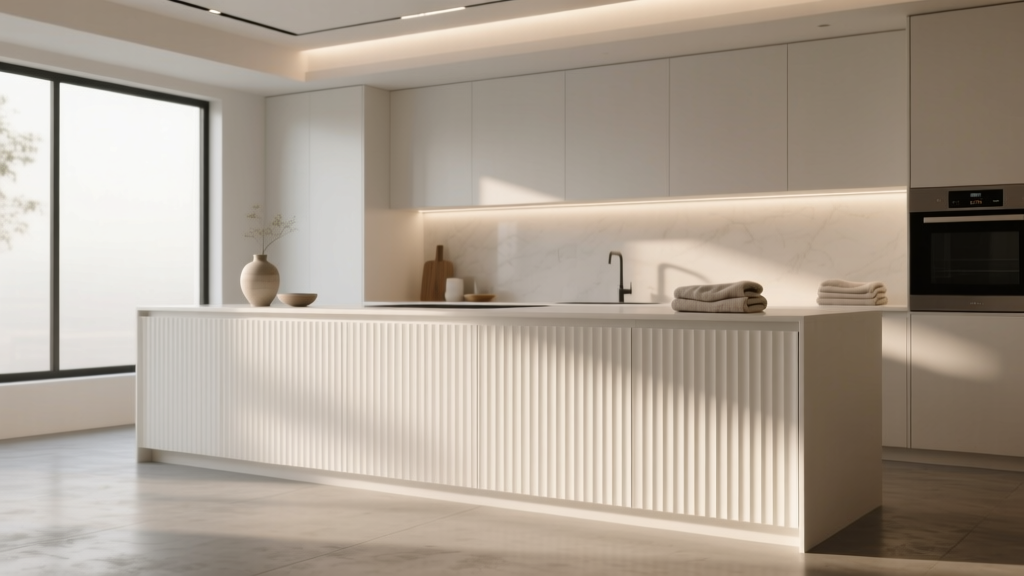 Kitchen Fluted Detail Cabinet Trend - The Decor Mag
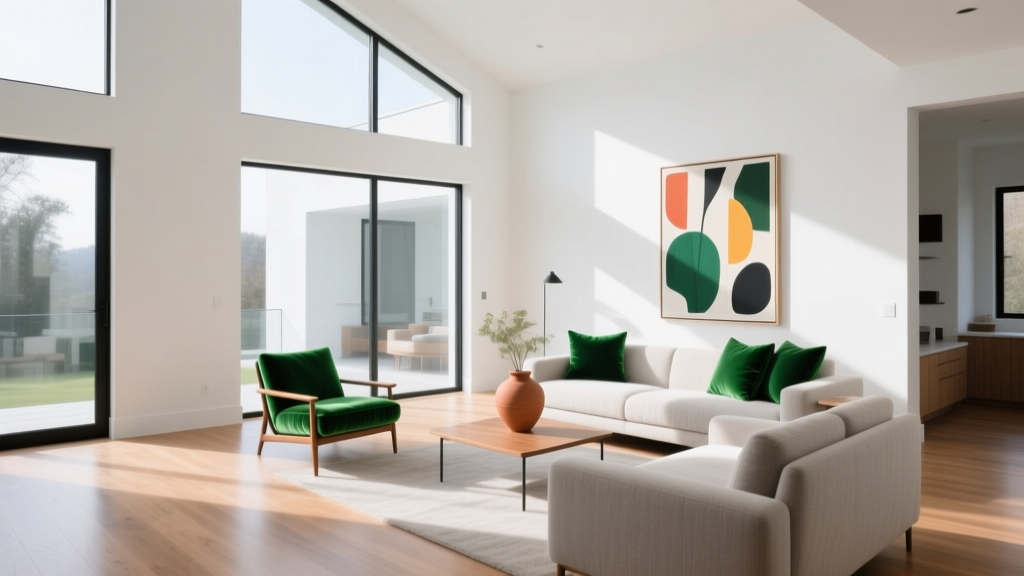 Family Dining Tables: Durability Meets Design
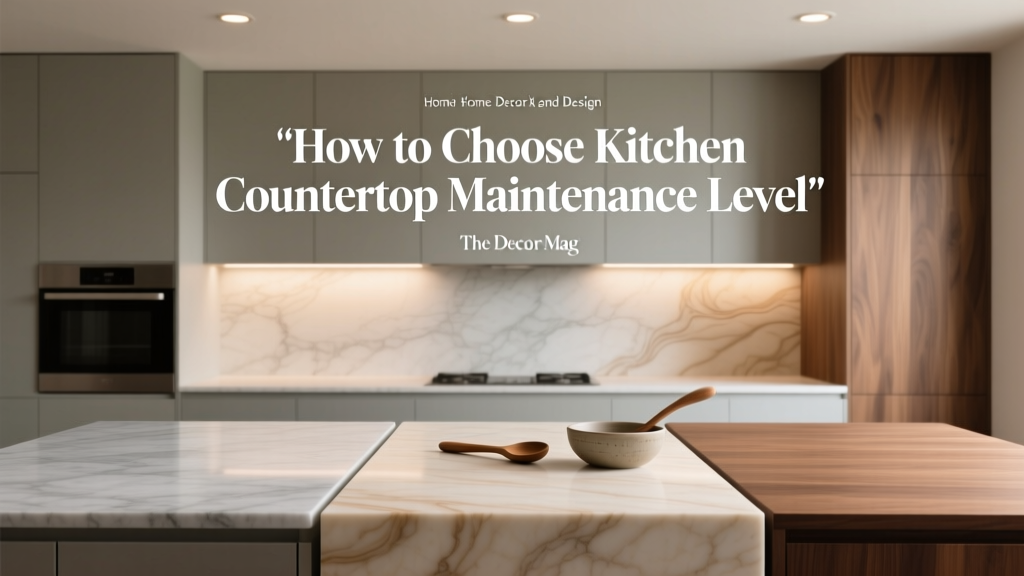 Kitchen Countertop Maintenance: Choose Your Level
 Sustainable vs. Kitchen: Rethinking Design, Appliances, and Daily Habits for Real Environmental Impact
 Best Kitchen Food Storage Container Systems - The Decor Mag
 Best Kitchen Coffee Equipment Storage (2026)