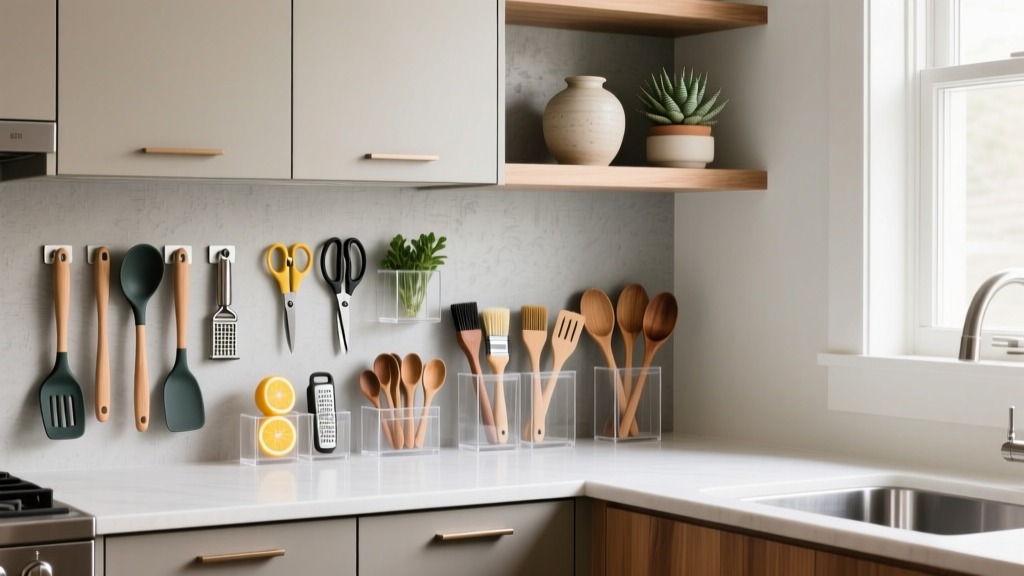
Best Kitchen Specialty Tool Organization - The Decor Mag
Specialty kitchen tools are the quiet workhorses of a well-run home: the microplane you reach for weekly, the stand mixer attachments you love but can’t find, the immersion blender that always seems to be tangled with cords, the turkey baster that disappears until Thanksgiving. In many kitchens, these items end up scattered across drawers, jammed in deep cabinets, or stacked in “temporary” piles that become permanent. The result is wasted time, cluttered counters, and storage that never quite supports how you cook.
Organizing specialty tools matters even more during a kitchen renovation because storage decisions get locked in early. When drawers, cabinets, and appliance garages are planned with intention, you gain a kitchen that feels calm and efficient—one that supports everyday cooking and occasional entertaining without constant shuffling. The best solutions combine modern kitchen design trends (like deep drawers, pull-outs, and hidden stations) with timeless functionality principles: visibility, accessibility, and easy maintenance.
This guide covers practical, design-forward strategies for specialty tool organization—complete with measurements, layout ideas, material recommendations, cost ranges, and common mistakes to avoid—so your kitchen renovation or refresh delivers real, daily value.
Step One: Audit Your Specialty Tools (Before You Buy Organizers)
Organization works best when it reflects your cooking habits. Start by grouping tools by function and frequency. This inventory step prevents oversized inserts, wasted cabinet space, and “solutions” that don’t fit your real collection.
Make Three Piles
- Daily/Weekly: chef’s knife sharpener, microplane, digital scale, immersion blender, silicone spatulas, citrus press.
- Monthly/Seasonal: waffle maker, ice cream maker, turkey baster, holiday cookie cutters, canning tools.
- Rarely Used: highly specific gadgets you keep “just in case.” Consider donating duplicates or tools you haven’t touched in a year.
Measure the “Problem Children”
Write down dimensions for bulky or awkward items. A few key measurements help you choose the right drawer depth or pull-out height:
- Stand mixer: typically 13–15" tall, 14–15" wide, 9–14" deep (varies by model).
- Sheet pans/griddles: often 18" x 26" (full) or 13" x 18" (half); measure your largest.
- Immersion blender and attachments: 10–16" long; consider cord length and storage needs.
- Knife sharpener or mandoline: many are 3–4" thick; check safety guards and blade storage.
Best Storage Zones for Specialty Tools (Layouts That Work)
Great kitchen organization comes from zoning: keeping tools close to where they’re used. This approach is central to both classic kitchen work triangles and today’s popular workstation layouts.
1) Prep Zone: Drawers Near the Main Counter
The prep zone is where specialty tools shine. Aim for deep drawers (8–10" tall) or two-tier drawer systems that keep items visible without stacking.
Ideal drawer sizes:
- Top drawers: 3–5" tall for small tools (zesters, peelers, measuring tools).
- Mid drawers: 6–8" tall for mandolines, salad spinners (if compact), handheld mixers.
- Deep drawers: 8–12" tall for mixing bowls, food processors, boxed attachments.
Pro layout tip: Place the most-used specialty tools within one step of your primary cutting board location (often between sink and cooktop).
2) Cooking Zone: Vertical Storage by the Range
Specialty cooking tools—thermometers, tongs, splatter screens, grill pans—benefit from vertical dividers and pull-out solutions.
- Tray divider cabinets: store sheet pans, cooling racks, pizza stones, griddles upright.
- Narrow pull-outs (6–9" wide): perfect for oils, spices, and tall utensils near the cooktop.
Measurement guide: A tray-divider cabinet typically needs at least 12–15" width and 22–24" depth to accommodate standard baking sheets and boards.
3) Baking Zone: One Dedicated Cabinet or Drawer Stack
If you bake often, create a baking center. Current kitchen renovation trends favor specialized stations over sprawling pantry clutter.
- One 24"–30" drawer stack: for measuring tools, piping tips, rolling pins, cutters.
- A mixer lift cabinet: keeps the stand mixer accessible without sacrificing counters.
- Countertop baking surface: consider a small section of marble/quartzite for pastry work if your budget allows.
4) Entertaining/Serving Zone: Near the Dining Path
Specialty serving pieces (charcuterie tools, carving set, wine opener collection) work best near where food exits the kitchen.
- Shallow drawers: for bar tools and serving utensils.
- Pull-out shelves: for platters and appliances like electric warmers.
Best Organizers by Specialty Tool Type
Drawer Inserts for Small Specialty Tools
For micro-tools that multiply quickly, modular inserts outperform one-piece trays because they adapt as your collection changes.
Look for:
- Solid wood (maple/birch): durable, attractive, easy to wipe; ideal for premium kitchens.
- BPA-free plastic: budget-friendly, washable, lightweight; can stain over time.
- Bamboo: popular for eco-friendly kitchen design; attractive but can warp if repeatedly exposed to moisture.
Practical sizing tip: Choose inserts that fit standard 21" or 24" cabinet depths and allow at least 1/2" clearance so drawers glide without rubbing.
Adjustable Dividers for Deep Drawers
Deep drawers are a cornerstone of modern kitchen organization, especially for specialty gadgets and small appliances.
- Best for: food processor parts, blender jars, salad spinner components, airtight container lids.
- Materials: wood dividers feel built-in; aluminum and composite options are sleek and moisture-resistant.
Design approach: Use two zones in each deep drawer: a “daily tools” area and a “parts” area. This prevents attachment chaos.
Appliance Garages (Hidden but Accessible)
Appliance garages are trending again—now with upgraded door styles (pocket doors, tambour doors) and integrated outlets. They’re ideal for specialty tools you use often but don’t want on display.
Best for: toaster, espresso machine, air fryer, blender, bread maker (depending on usage).
Recommended specs:
- Depth: 14–16" minimum for many countertop appliances (measure yours).
- Height clearance: 16–20" to comfortably lift and clean.
- Electrical: include a dedicated outlet strip; consider a switch for easy shutoff.
Maintenance tip: Choose a backsplash material inside the garage that wipes clean—quartz slab, stainless, or a simple tile with minimal grout.
Pull-Out Base Cabinets for Tall Tools and Awkward Items
Pull-outs keep specialty tools visible and reduce the “lost in the back” problem common in base cabinets.
- Best for: spiralizers, mandolines, stock pots, salad spinners, boxed attachments.
- Hardware recommendation: soft-close, full-extension slides rated 75–100 lbs for longevity.
Vertical Dividers for Trays, Boards, and Specialty Cookware
Vertical storage protects pans from scratches and makes it easy to grab what you need without unstacking.
- Best for: sheet pans, cutting boards, cooling racks, muffin tins, griddles, serving trays.
- Material: sealed plywood or solid wood dividers; add felt bumpers to reduce noise.
Materials and Hardware: What Holds Up in Real Kitchens
Material Comparison
- Maple or birch inserts: premium look, durable, easy to maintain; higher cost.
- Bamboo: attractive and renewable; can swell/warp if stored wet.
- High-grade plastic: affordable and washable; may discolor from turmeric or tomato sauces.
- Stainless steel: great for appliance garages or drawer bases; sleek, moisture-resistant; shows fingerprints.
Hardware That Improves Daily Use
- Full-extension drawer slides: essential for deep drawers; prevents forgotten tools.
- Soft-close hinges and slides: reduces wear and noise.
- Pull-out shelf mechanisms: look for smooth ball-bearing systems and easy-to-clean surfaces.
Budget Guide: What Specialty Tool Organization Costs
Costs vary widely based on whether you’re retrofitting an existing kitchen or planning a full renovation with custom cabinetry.
- Budget ($30–$200): modular drawer organizers, basic dividers, turntables for corner cabinets, tension rods for vertical storage.
- Mid-range ($200–$1,200): pull-out shelves, heavy-duty drawer slide upgrades, tray-divider inserts, improved pantry organization systems.
- Renovation-level ($1,200–$6,000+): appliance garage with electrical, mixer lift cabinet, custom drawer stacks, specialty pull-outs (blind corner solutions, tall pantry pull-outs).
Smart budget tip: Spend more on hardware and drawer function (full-extension slides, sturdy pull-outs) and less on trendy containers. Great mechanics outlast aesthetics.
Common Mistakes to Avoid
- Buying organizers before measuring drawers: even 1/4" matters—especially with wood inserts.
- Storing heavy appliances on high shelves: it’s unsafe and discourages use; keep heavy tools between waist and counter height.
- Over-zoning: too many micro-stations can make the kitchen feel fragmented. Keep zones simple: prep, cook, bake, serve.
- Ignoring cord management: cords tangle and snag; use small bins, cord wraps, or a dedicated drawer section.
- Choosing open storage for clutter-prone tools: open shelving looks great for curated items, not for miscellaneous gadgets.
- Underestimating cleaning needs: organizers with lots of seams trap crumbs. Favor wipeable surfaces and removable bins.
Maintenance and Longevity Tips (So It Stays Organized)
- Label only what you must: a discreet label under a drawer lip helps households stay consistent without visual clutter.
- Clean crumbs monthly: remove inserts, vacuum corners, wipe with mild soap; avoid soaking bamboo or unfinished wood.
- Use drawer liners strategically: thin, non-adhesive liners prevent sliding and are easy to wash; skip thick foam that traps moisture.
- Re-audit seasonally: rotate seasonal tools (canning, holiday baking) to higher or lower storage and keep daily tools prime-positioned.
FAQ: Kitchen Specialty Tool Organization
What’s the best way to store stand mixer attachments?
Use a dedicated drawer bin or lidded container in a deep drawer near your baking zone. Keep attachments grouped by function (paddle/whisk/dough hook together) and store smaller parts in a small sub-bin to prevent rattling. If renovating, consider a mixer lift cabinet with a nearby drawer for attachments.
Are deep drawers better than lower cabinets for specialty tools?
For most homeowners, yes. Deep drawers with full-extension slides provide visibility and reduce bending and digging. Lower cabinets work best when upgraded with pull-out shelves so items aren’t lost in the back.
How much space should I plan for an appliance garage?
Plan at least 14–16" deep and 16–20" tall, plus internal outlets. Measure your tallest appliance and add 2–3" of clearance for airflow and easy lifting. If housing an espresso machine, include space for filling water and storing accessories.
What organizers work best for odd-shaped tools like mandolines and spiralizers?
Adjustable deep-drawer dividers or a pull-out base cabinet with vertical file-style dividers works well. Store blades with guards and keep cut-resistant gloves nearby for safety.
Is bamboo or wood better for drawer inserts?
Solid wood inserts (maple/birch) tend to be more dimensionally stable long-term and feel built-in, especially in higher-end kitchen design. Bamboo looks great and is eco-friendly, but it can warp if repeatedly exposed to moisture—keep it dry and avoid wet tools in the drawer.
How do I keep specialty tools organized in a small kitchen?
Prioritize a single deep drawer for multipurpose tools, add vertical dividers for trays, and use a slim pull-out for narrow items. Rotate seasonal tools to a higher cabinet or a labeled bin in a nearby closet to keep daily storage streamlined.
Next Steps: Build a Kitchen That Supports How You Cook
Start with a quick tool audit, then assign each category to a zone: prep, cook, bake, or serve. Measure your most awkward items, prioritize deep drawers and pull-outs where possible, and choose durable materials that handle real kitchen messes. If you’re renovating, allocate budget to drawer function and hardware—those upgrades deliver the biggest daily payoff.
For more kitchen renovation ideas, storage planning guides, and timeless design inspiration, explore the latest features and expert tips on thedecormag.com.
More Articles
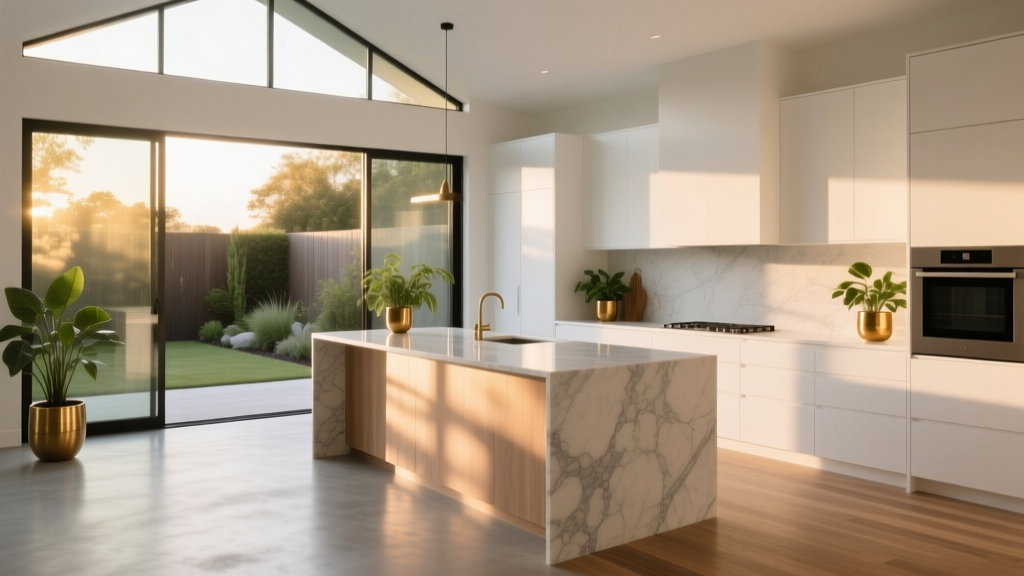 How to Design a Kitchen with Natural Light - The Decor Mag
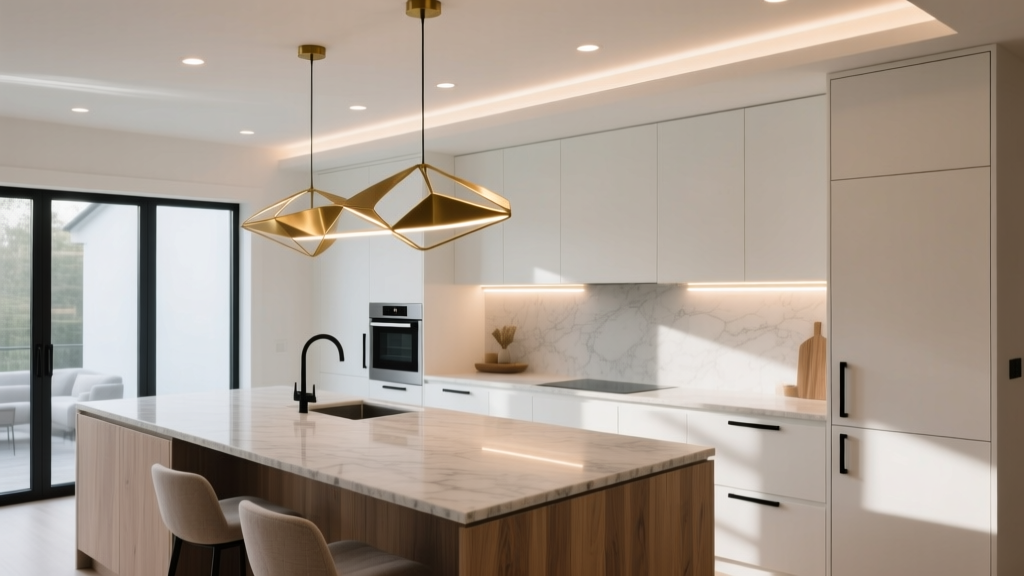 Best Kitchen Lighting for Function & Style (2026)
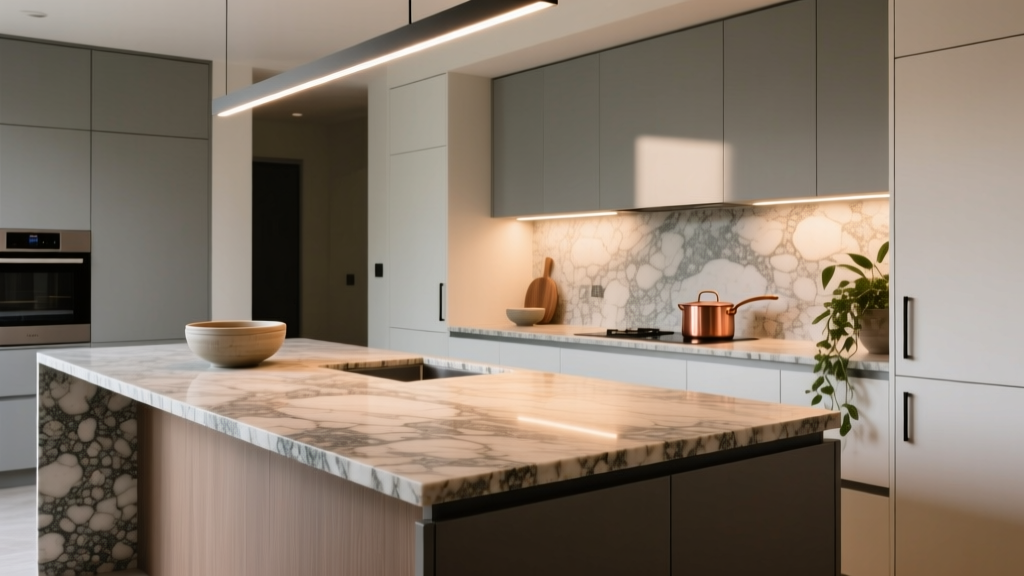 Kitchen Leathered Finish Granite Guide - The Decor Mag
 Best Kitchen Appliance Maintenance Schedule - The Decor Mag
 Best Kitchen Coffee Equipment Storage (2026)
 Best Kitchen Wrap Storage Solutions - The Decor Mag
 Textiles on a Budget: Smart, Stylish, and Sustainable Kitchen Linen Solutions
 How to Design a Kitchen with a Breakfast Bar - The Decor Mag
 Kitchen Textured Cabinet Door Trends - The Decor Mag
 How to Choose the Right Kitchen Hood Vent - The Decor Mag