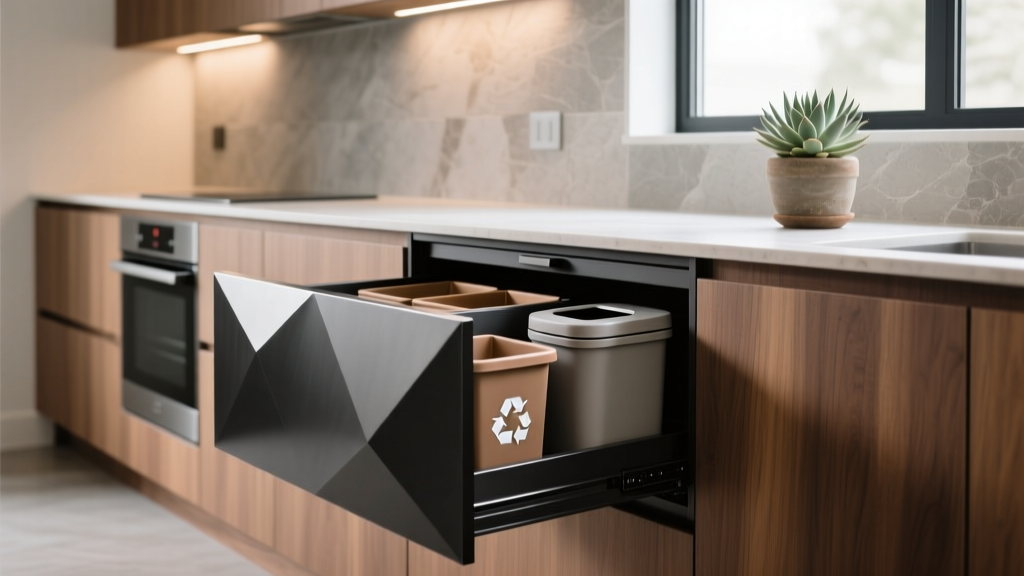
Best Kitchen Trash and Recycling Drawer - The Decor Mag
Kitchen renovations tend to focus on the showpieces—cabinetry, countertops, lighting, and appliances—yet the day-to-day experience often comes down to the unglamorous details. Few elements affect cleanliness, workflow, and overall kitchen organization as much as where your trash and recycling live. A well-designed kitchen trash and recycling drawer keeps clutter off the floor, reduces odors, improves accessibility, and makes a busy kitchen feel calmer.
Today’s kitchen design trends also lean toward uninterrupted sightlines: flat-front cabinets, concealed storage, integrated appliances, and streamlined islands. A pull-out trash drawer fits perfectly into that “everything has a place” approach while delivering timeless functionality. Whether you’re planning a full kitchen remodel or simply upgrading cabinet accessories, choosing the right trash and recycling pull-out can be one of the highest-impact improvements for everyday living.
This guide breaks down the best drawer styles, sizes, materials, and layouts—plus cost ranges, common mistakes, and practical measurements—so you can confidently choose a solution that looks built-in and works hard.
Why a Trash & Recycling Drawer Works Better Than a Freestanding Bin
A freestanding kitchen trash can is convenient, but it often becomes a visual distraction and a magnet for spills. Pull-out trash drawers—sometimes called trash pull-out cabinets—solve several renovation pain points at once:
- Improved kitchen organization: keeps waste handling inside cabinetry, freeing floor space.
- Cleaner look: supports modern and transitional kitchen styles with minimal visual clutter.
- Better workflow: can be placed directly where prep happens for faster clean-up.
- Odor control: a closed cabinet contains smells (especially when paired with a tight lid and regular cleaning).
- Safer for kids and pets: reduces access and the chance of tipping.
How to Choose the Best Kitchen Trash and Recycling Drawer
1) Start With Placement: The Most Functional Locations
The best location is determined by how you cook. For most kitchens, aim to place the trash/recycling pull-out near the primary prep zone—typically between the sink and cooktop, or adjacent to the sink.
Recommended placements:
- Next to the sink: ideal for rinsing recyclables and handling wet waste.
- In a prep run: near the main chopping area to sweep scraps directly into the bin.
- Island installation: great for open-concept kitchens; choose soft-close slides to reduce noise.
- Near pantry or beverage station: helpful if most waste comes from packaging.
Tip: Avoid putting the trash drawer in a corner cabinet or behind an appliance door where the pull-out path is blocked. You’ll use it dozens of times a day—access should be effortless.
2) Choose a Cabinet Size That Fits Real Life
The most common cabinet widths for trash pull-outs are 12", 15", and 18". Wider cabinets typically allow a true two-bin system (trash + recycling) without compromising capacity.
- 12" cabinet: best for small kitchens or secondary trash (e.g., coffee station). Often fits a single 30–35 qt bin.
- 15" cabinet: a versatile middle ground; can fit one larger bin or two smaller bins.
- 18" cabinet: the sweet spot for most homes; comfortably fits two bins (often 35 qt + 35 qt, depending on system).
- 21"–24" cabinet: ideal for heavy recyclers or large families; can fit larger bins or add compost.
Practical measurement checklist (before you buy):
- Measure inside cabinet width (not the door size).
- Measure inside depth from cabinet face frame to back panel (account for plumbing if near sink).
- Measure inside height and confirm drawer clearance for bin lids if included.
- Check whether you have face-frame or frameless cabinetry—mounting differs.
3) Decide on Bin Configuration: Trash, Recycling, Compost
Modern kitchen renovation planning often includes better waste sorting. The best kitchen trash and recycling drawer is the one that matches your habits.
Popular configurations:
- Two equal bins: balanced trash + recycling for most households.
- One large + one small: best if your area has strong recycling rules and you generate more recyclables.
- Three-bin system: trash + recycling + compost; ideal for eco-minded homes (needs 18"–24" cabinet in most cases).
Tip for composting: If you compost daily, use a smaller lidded container (1.5–3 gallons) inside the drawer and empty it frequently to avoid odor and fruit flies.
Materials & Hardware: What Actually Makes a Pull-Out “The Best”
Soft-Close Slides: The Non-Negotiable Upgrade
A trash drawer gets more cycles than nearly any other cabinet accessory. Choose heavy-duty, full-extension, soft-close slides to avoid sagging, racking, and slamming.
- Weight rating guideline: aim for 100 lb capacity for most homes; 150 lb for larger bins or commercial-style use.
- Full-extension means the bins clear the cabinet opening—easier bag changes and cleaning.
Frame Construction: Steel vs. Wood vs. Hybrid
The pull-out frame carries the load and determines how stable the system feels.
- Powder-coated steel: durable, easy to wipe down, resists moisture. A top pick for longevity.
- Solid wood (maple or birch): attractive in premium cabinetry; can be refinished but may show wear from moisture.
- Hybrid: wood sides with metal slides; common in mid-to-high-end systems.
Best for most renovations: powder-coated steel frame with quality slides—especially in busy family kitchens.
Bin Material: Look for Rigid, Easy-Clean Plastic
Choose bins with thicker walls and smooth interiors. Flimsy bins warp, crack, and hold odors.
- High-density polypropylene: sturdy, odor-resistant, and easy to sanitize.
- Color-coding: helpful for quick sorting (recycling vs. trash).
Door Attachment & Handle Considerations
Most trash pull-outs attach to the cabinet door, so the whole unit slides out with one pull. This looks built-in and matches modern kitchen design aesthetics.
- Use a real handle or pull: pushing on slab doors repeatedly can wear finishes and leave fingerprints.
- For handleless kitchens: consider a discreet edge pull or integrated rail; avoid push-to-open here (it’s inconvenient with messy hands).
Recommended Layouts & Design Approaches (That Look Custom)
The Classic 18" Double-Bin Pull-Out
This is the go-to for most homeowners upgrading kitchen storage during a remodel. It balances capacity and cabinet real estate.
- Best for: families, frequent cooking, everyday recycling
- Typical bins: two 35-qt containers (varies by brand/system)
- Ideal location: between sink and prep zone
Under-Sink Trash Drawer (When Space Is Tight)
Placing waste under the sink can work, but plumbing often reduces usable depth and height. Choose systems designed for under-sink constraints or use a smaller configuration.
- Best for: small kitchens, galley layouts
- Watch-outs: P-traps, garbage disposal, water filter tanks
- Tip: consider a shallower bin plus a side-mounted frame that clears plumbing
Island Trash & Recycling Drawer for Open-Plan Kitchens
With open concept kitchens, the island often becomes the main prep station. Integrating a pull-out here keeps mess from traveling across the room.
- Best for: entertaining, family kitchens, large islands
- Design tip: place it on the prep side (not the seating side) for a cleaner look
- Noise control: prioritize premium soft-close slides
Hidden Waste Center With a Top Drawer for Bags & Supplies
If you have cabinet height, consider a design that includes a shallow top drawer for trash bags, compost liners, or cleaning wipes.
- Best for: homeowners who want a fully organized waste station
- Bonus: reduces under-sink clutter and improves kitchen workflow
Product & Feature Recommendations to Look For
Rather than a single “one-size-fits-all” pick, the best kitchen trash and recycling drawer depends on cabinet construction and how you sort waste. When shopping, prioritize these features:
- Full-extension, soft-close slides (100–150 lb rating)
- Door-mount hardware with adjustable alignment (prevents crooked doors)
- Removable bins with sturdy handles for easy cleaning
- Lid options (either on-bin lids or a cabinet-top lid system)
- Finish quality (powder-coated steel resists rust and chips)
- Easy installation with a template and clear instructions
Design-forward add-ons:
- Built-in odor control (charcoal filter housing or clip-in deodorizer)
- A small compost caddy integrated into the frame
- Bag retention ring to prevent liners from slipping
Cost Ranges & Budget Considerations
Costs vary depending on whether you’re adding an internal pull-out to an existing cabinet or building a dedicated trash cabinet during a full kitchen renovation.
Typical Price Ranges (U.S.)
- Budget pull-out kit: $60–$150 (lighter slides, basic bins)
- Mid-range quality system: $150–$350 (soft-close, better frame, better bins)
- Premium system: $350–$700+ (heavy-duty slides, refined hardware, add-ons)
- New dedicated cabinet (during remodel): add $200–$800+ depending on cabinet line and customization
- Professional installation: $100–$300 (more if modifying cabinetry or adding electrical features nearby)
Where to spend vs. save:
- Spend on slides, frame stability, and door-mount adjustability.
- Save on cosmetic extras if budget is tight; you can upgrade bins later.
Measurements & Clearances: Quick Planning Guide
Use these practical guidelines to avoid the most common fit issues:
- Cabinet width: 18" is ideal for two-bin systems; 15" can work with smaller bins.
- Depth: aim for at least 18–22" usable interior depth for comfortable bin capacity (varies by system).
- Door opening: ensure the door can open fully without hitting an island overhang, appliance handle, or adjacent pull.
- Toe-kick clearance: confirm the pull-out doesn’t interfere with the toe-kick or floor vents.
Pro tip for renovations: If you’re choosing cabinets now, ask your designer to plan a dedicated trash pull-out cabinet in the layout phase rather than “making it work” later.
Maintenance Advice: Keep It Odor-Free and Smooth-Gliding
A trash and recycling drawer stays pleasant with simple, consistent upkeep.
Weekly (5 minutes)
- Wipe the cabinet face and handle (especially in high-touch kitchens).
- Check for spills around the bin rim and frame.
Monthly
- Remove bins and wash with warm water + mild dish soap.
- Disinfect with a diluted vinegar solution or kitchen-safe disinfectant, then dry fully.
- Vacuum crumbs from the cabinet base (crumbs attract pests).
Every 6–12 months
- Tighten mounting screws and door brackets (daily pulling can loosen hardware).
- Inspect slides for debris; wipe clean (most modern slides don’t need lubrication).
Common Mistakes to Avoid
- Choosing the smallest cabinet width “to save space”: undersized bins overflow fast, creating more mess and more trips.
- Installing too far from the prep zone: if it’s inconvenient, scraps end up on the counter or in the sink.
- Ignoring plumbing conflicts under the sink: measure carefully and plan around filters, disposals, and shutoff valves.
- Skipping soft-close slides: a slamming trash drawer feels cheap and can loosen cabinet joints over time.
- Not planning for recycling rules: if your municipality requires sorting, a single-bin system won’t age well.
- Forgetting bag storage: without a nearby spot for liners, you’ll end up stuffing boxes under the sink again.
FAQ: Kitchen Trash and Recycling Drawer
What cabinet size is best for a kitchen trash pull-out?
For most households, an 18-inch wide base cabinet is the most functional. It typically fits two bins for trash and recycling without sacrificing capacity. Smaller kitchens can use 15" with smaller bins.
Is it better to place the trash drawer next to the sink or next to the prep area?
If you can only choose one, place it near the primary prep area (often adjacent to the sink). Many kitchens function best with the pull-out between sink and prep space so you can rinse recyclables and sweep scraps easily.
Do trash pull-outs work with face-frame cabinets?
Yes. Many systems include brackets or spacers for face-frame cabinetry. Confirm compatibility before buying and measure the interior opening carefully, since face frames reduce usable width.
How do I reduce odors in a pull-out trash drawer?
Use a bin with a lid (or a lid system), empty wet waste frequently, and clean the bins monthly. For extra help, add a charcoal deodorizer and keep compost in a smaller lidded container you empty often.
Can I add a trash and recycling drawer to existing cabinets?
In many cases, yes. If you have an appropriately sized base cabinet, you can install a pull-out kit. Check cabinet interior dimensions, door type, and whether the cabinet is sturdy enough for repeated use.
What’s the most durable material for a trash pull-out frame?
Powder-coated steel paired with heavy-duty, full-extension soft-close slides tends to last the longest and is easiest to clean—especially in busy kitchens.
Next Steps: Plan Your Waste Station Like a Pro
To choose the best kitchen trash and recycling drawer, start by mapping your prep workflow, then match a cabinet width and bin configuration to your household habits. Prioritize soft-close, full-extension slides and a sturdy frame, and measure your cabinet interior carefully before you buy. If you’re in the middle of a kitchen renovation, ask your designer or cabinet supplier to include a dedicated pull-out trash cabinet in the plan—your future self will notice the difference daily.
For more kitchen renovation ideas, cabinet organization upgrades, and practical design guidance, explore the latest inspiration on thedecormag.com.
More Articles
 Heirloom Kitchen Design: Timeless Ideas for 2026
 The Ultimate Sustainable Kitchen Guide: Practical, Proven, and Planet-Positive Actions
 How to Plan a Kitchen Renovation on a Budget - The Decor Mag
 Best Kitchen Utensil Holder Picks - The Decor Mag
 Kitchen Integrated Look Appliance Paneling - The Decor Mag
 How to Start Bedroominspiration: A Practical, Space-Smart Guide for Real Homes
 Kitchen Hidden Appliance Drawer Ideas - The Decor Mag
 Best Kitchen Baking Supply Organization - The Decor Mag
 The Practical Kitchens Kitchen Design & Buying Guide: Space, Function, and Real-World Value
 Kitchen Stainless Steel Appliance Guide - The Decor Mag