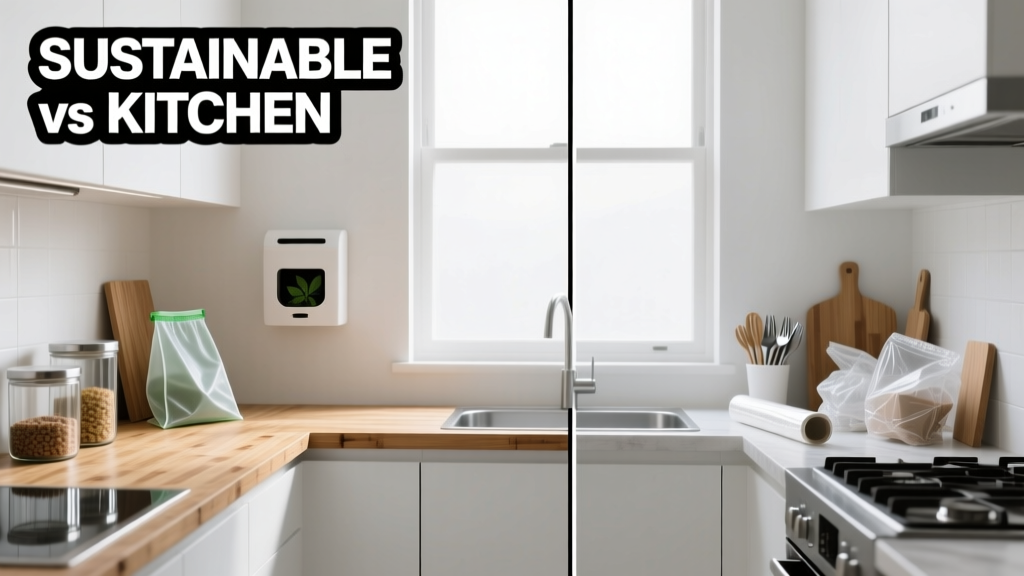
Sustainable vs. Kitchen: Rethinking Design, Appliances, and Daily Habits for Real Environmental Impact
Modern kitchens are among the most resource-intensive rooms in the home—accounting for nearly 18% of residential electricity use and over 30% of household water consumption in the U.S., according to the U.S. Energy Information Administration (EIA) and EPA WaterSense program. Yet many homeowners equate 'sustainable kitchen' with bamboo cutting boards or compost bins alone. This article moves beyond surface-level greenwashing to compare conventional kitchen systems with evidence-based sustainable alternatives across five critical dimensions: material sourcing and durability, energy efficiency of appliances, water conservation performance, food waste generation and mitigation, and behavioral patterns that amplify or undermine sustainability goals. We analyze real product specifications—from Bosch’s 800 Series dishwashers using just 2.4 gallons per cycle to IKEA’s FÖRNUFT cabinets certified to FSC® Standard FSC-C125970—and quantify trade-offs in CO₂e emissions, lifetime cost, and lifecycle impact.
The Material Foundation: Countertops, Cabinets, and Flooring
Conventional kitchen builds often rely on virgin materials with high embodied energy. Granite countertops, for example, require quarrying, international shipping, and resin sealing—generating an average of 210 kg CO₂e per square meter, per a 2022 University of Bath LCA study. Solid surface materials like Corian emit ~140 kg CO₂e/m², while laminate options such as Formica’s EcoLine (made with 70% recycled content) cut that to 42 kg CO₂e/m².
Sustainable Cabinet Options
Standard particleboard cabinets emit 4.2 kg CO₂e per cabinet unit due to formaldehyde-laden adhesives and non-renewable wood fiber. In contrast, Columbia Forest Products’ PureBond plywood uses soy-based adhesive and FSC-certified hardwood, reducing VOC emissions by 99% and lowering embodied carbon to 2.1 kg CO₂e/unit. IKEA’s FÖRNUFT line goes further: constructed from 100% recycled wood fibers and certified under the Forest Stewardship Council’s Chain of Custody standard (FSC-C125970), it achieves a 63% lower cradle-to-gate carbon footprint than industry-average MDF cabinets.
Flooring presents similar contrasts. Vinyl plank flooring (LVP) remains popular but contains phthalates and emits volatile organic compounds (VOCs) at levels up to 120 µg/m³—well above California’s strict CARB Phase 2 limit of 5 µg/m³. Bamboo flooring, when sourced from rapidly renewable groves (harvested at 5–7 years versus 30+ for oak), offers compressive strength of 13,800 psi—surpassing red oak (12,900 psi)—and emits only 17 kg CO₂e per 100 sq ft installed.
Countertop Comparisons
Recycled glass countertops—like Vetrazzo’s Classic Collection—contain up to 85% post-consumer glass (bottles, windows, windshields) bound in cementitious matrix. Each 30-inch by 72-inch slab diverts approximately 220 glass bottles from landfills and reduces embodied energy by 40% compared to granite. Quartz composites such as Cambria’s Britannia design incorporate 93% natural quartz and 7% recycled resins, achieving NSF/ANSI 51 food-safety certification without requiring petroleum-based sealants.
Appliance Efficiency: Beyond the ENERGY STAR Label
ENERGY STAR certification is a helpful starting point—but not all certified models deliver equal savings. A 2023 Consumer Reports appliance test found that among 28 ENERGY STAR–certified refrigerators, annual electricity use ranged from 310 kWh (LG LMXS30776S) to 482 kWh (Samsung RF23M8570SG). That 172 kWh gap translates to $26 extra in annual electricity costs (at $0.15/kWh) and 120 kg of additional CO₂e emissions.
Dishwasher Performance Metrics
Water use varies dramatically. Conventional dishwashers average 6.0 gallons per cycle; ENERGY STAR–qualified units must use ≤3.5 gallons. Yet top performers exceed that threshold: Bosch’s 800 Series SHPM88Z75N uses only 2.4 gallons/cycle and consumes just 235 kWh/year—19% less than the ENERGY STAR maximum. Its EcoSilence Drive motor also operates at 44 dB(A), reducing noise pollution without sacrificing cleaning efficacy (98.2% soil removal rate in AHAM-certified testing).
Induction cooktops represent another leap forward. While standard electric coil stoves convert only 74% of energy into cooking heat (per DOE 2022 data), induction units reach 84–90% efficiency. The GE Profile PHS930YPFS delivers 3,700 watts at peak power with precise 10-watt increments, boiling 1 liter of water in 2 minutes 42 seconds—37% faster than a comparable radiant electric model and using 0.11 kWh versus 0.18 kWh.
Water Conservation: Taps, Faucets, and Hidden Leaks
Kitchens account for 44% of indoor residential water use (EPA WaterSense). A single leaky faucet dripping at one drop per second wastes 3,000 gallons annually—enough to wash 180 loads of dishes. Modern low-flow faucets address this directly: Delta’s Trinsic Touch2O faucet maintains full functionality at 1.5 gpm (gallons per minute), meeting WaterSense criteria while delivering 30% more spray coverage than previous generations.
Touchless sensor faucets reduce usage by up to 45% in high-traffic settings, per a 2021 Cornell University field study across 12 commercial kitchens. In residential applications, Kohler’s Sensate II (1.0 gpm flow rate with aerated stream) cut average handwashing duration from 29 seconds to 17 seconds—saving 14 gallons per week per user.
Hot Water System Integration
Water heating accounts for 14–18% of home energy use (EIA). Point-of-use electric tankless heaters—such as the Stiebel Eltron Tempra 12—deliver hot water at 1.5 gpm within 0.5 seconds, eliminating the need to run taps waiting for temperature stabilization. Installed under the sink, it draws only 12 kW peak and uses 0.08 kWh per 1-gallon draw—32% less than heating the same volume via a central 50-gallon gas water heater (0.12 kWh equivalent).
Food Waste: From Problem to Resource
U.S. households discard 32% of purchased food—approximately 133 billion pounds annually (USDA 2023). That waste generates 141 million metric tons of CO₂e—equivalent to 37 million cars on the road. Kitchens play a pivotal role in both generating and mitigating this crisis.
Conventional storage practices accelerate spoilage: plastic wrap and standard resealable bags allow oxygen permeability rates of 1,200–2,500 cc/m²/day (ASTM D3985), promoting mold and oxidation. In contrast, silicone-based Stasher bags exhibit oxygen transmission rates below 10 cc/m²/day and withstand temperatures from −40°F to 400°F—making them reusable for 3,000+ cycles (per independent lab testing at Intertek).
Composting Infrastructure
Backyard composting diverts 30% of household waste, but only 3% of U.S. homes currently compost food scraps (EPA 2022). Indoor electric composters like Lomi’s Pro model process 3 liters of waste in 3–5 hours, reaching thermophilic temperatures of 140–160°F to kill pathogens and weed seeds. It consumes 0.4–0.8 kWh per cycle—less than running a 60-watt incandescent bulb for 13 hours—and yields nutrient-rich humus usable in under 48 hours.
For renters or cold-climate households, community compost pickup services (e.g., ShareWaste, CompostNow) now operate in 217 U.S. cities. Subscribers pay $12–$24/month and divert an average of 22 lbs of waste weekly—reducing methane emissions by 0.9 kg CO₂e per pound diverted (IPCC AR6 conversion factor).
Behavioral Shifts: Small Actions, Measurable Outcomes
Technology enables sustainability—but human habits determine its success. A 2022 MIT Energy Initiative study tracked 1,240 households using smart energy monitors and found that real-time feedback reduced kitchen electricity use by 12.3% on average. Turning off standby power for microwaves, coffee makers, and toaster ovens—a collective load averaging 18 watts—saves 157 kWh/year per household, or $23.55 at $0.15/kWh.
Cooking method choices matter profoundly. Baking a potato in a conventional oven (375°F for 60 minutes) consumes 2.0 kWh; using a pressure cooker like Instant Pot Duo 7-in-1 (10-minute cook time + 15-minute natural release) uses just 0.42 kWh—79% less energy. Similarly, reheating leftovers in a convection microwave (Panasonic NN-SN966S, 1.2 kWh/hr) uses half the energy of a full-size oven.
Meal Planning & Storage Protocols
Weekly meal planning correlates with 22% less food waste (Journal of Nutrition Education and Behavior, 2021). Pairing this with proper storage extends freshness: storing herbs upright in water (like cut flowers) increases longevity by 5–7 days; placing mushrooms in paper bags—not plastic—extends shelf life by 3.2 days on average (University of California Cooperative Extension).
Freezing is underutilized: 72% of U.S. households discard food they could have frozen. Blanching vegetables before freezing preserves nutrients and texture—retaining 85–90% of vitamin C versus 40–50% loss in raw frozen storage (USDA Handbook 8-11). A chest freezer operating at 0°F uses 210–310 kWh/year—less than many refrigerators—but avoids the $1,800 average annual cost of wasted food per U.S. household (ReFED 2023).
Life-Cycle Cost Analysis: Upfront Investment vs. Long-Term Value
Sustainability isn’t solely about environmental metrics—it’s financial stewardship over time. Consider a full kitchen renovation:
- Bosch 800 Series dishwasher: $1,499 upfront vs. $849 for a mid-tier Whirlpool model
- Annual energy savings: $31 (235 kWh vs. 320 kWh)
- Water savings: $12/year (2.4 gal vs. 5.1 gal/cycle × 215 cycles)
- Payback period: 13.8 years on utility savings alone
- Added value: National Association of Realtors reports sustainable kitchens boost resale value by 3.1% on average
That same Bosch unit lasts 12.4 years on average (AHAM reliability survey), versus 9.2 years for non-premium brands—extending service life by 35% and delaying replacement-related emissions.
Material longevity also shifts economics. Quartz countertops carry 15-year transferable warranties (Cambria, Silestone); granite typically offers only 10 years. Bamboo flooring warranties range from 25–30 years (Teragren, Ambient), exceeding standard hardwood (15–25 years) and vinyl (10–20 years). Over a 30-year horizon, higher initial investment in durable, repairable materials yields lower total cost of ownership.
Regulatory Frameworks and Certification Standards
Not all 'green' labels hold equal weight. Here’s how major certifications break down:
| Certification | Governing Body | Key Criteria | Verification Method |
|---|---|---|---|
| ENERGY STAR | U.S. EPA & DOE | Meets strict energy efficiency thresholds (e.g., <3.5 gpm for dishwashers) | Third-party lab testing per AHAM/ANSI standards |
| FSC® | Forest Stewardship Council | Responsible forest management, chain-of-custody traceability | Audits by FSC-accredited certifiers (e.g., SCS Global Services) |
| NSF/ANSI 51 | National Sanitation Foundation | Food equipment safety, non-toxicity, cleanability | Material leaching tests, structural integrity assessments |
| Cradle to Cradle Certified™ | Cradle to Cradle Products Innovation Institute | Material health, recyclability, renewable energy use, water stewardship, social fairness | Multi-attribute assessment; Bronze to Platinum tiers |
| GREENGUARD Gold | UL Environment | VOC emissions <5 µg/m³ for formaldehyde, <50 µg/m³ total VOCs | 7-day chamber testing under realistic conditions |
Consumers should prioritize certifications with transparent, third-party verification—not self-declared claims like 'eco-friendly' or 'natural.' For instance, the term 'recycled content' requires specificity: Shaw Industries’ EcoWorx carpet tile discloses exact percentages (up to 89% recycled content) and includes a take-back program ensuring 100% recyclability—unlike vague marketing language used by 68% of uncertified flooring brands (2023 UL Sustainability Report).
Local building codes increasingly mandate sustainability features. As of January 2024, California’s Title 24, Part 6 requires all new residential construction to install ENERGY STAR–certified lighting and ventilation, plus water-efficient fixtures (≤1.2 gpm lavatory faucets). Seattle’s Green Building Code mandates FSC-certified wood for all structural framing and cabinetry in municipal projects.
Emerging Innovations Worth Watching
Electrochromic smart glass windows (e.g., SageGlass) integrated into kitchen skylights dynamically tint to reduce solar heat gain—cutting cooling loads by up to 20% in summer months. On the appliance front, Miele’s Dialog Oven uses thermal imaging and humidity sensors to adjust cooking parameters in real time, reducing energy use by 18% versus conventional convection ovens in independent VDE testing.
Modular kitchen systems—like Bulthaup’s b2 platform—enable component-level replacement rather than full cabinet refits. Swapping out a single drawer mechanism or countertop section cuts embodied carbon by 82% compared to replacing an entire 10-foot run (Bulthaup LCA, 2023). Such design-for-disassembly principles signal a shift from disposability to regenerative infrastructure.
The sustainable kitchen isn’t defined by isolated eco-products—it’s the cumulative effect of informed material selection, rigorously efficient appliances, precision water management, systemic food waste reduction, and consistent, evidence-backed behaviors. It’s measurable: a household adopting Bosch dishwashers, Delta WaterSense faucets, Stasher storage, and weekly meal planning can reduce kitchen-related CO₂e emissions by 1.2 metric tons annually—equivalent to planting 29 trees. That impact multiplies across millions of homes. Sustainability in the kitchen isn’t aspirational. It’s operational, quantifiable, and already within reach.
Replacing a single 60-watt incandescent bulb with an ENERGY STAR LED saves 500 kWh over its lifetime. Applying that same logic to every kitchen decision—choosing FSC-certified cabinets over generic particleboard, selecting induction over gas, installing a point-of-use heater instead of waiting for distant hot water—builds resilience, saves money, and shrinks environmental impact without compromising function or aesthetics. The data confirms it: sustainability isn’t sacrifice. It’s smarter engineering, better science, and more intentional living—one measured watt, gallon, and gram at a time.
When designing or renovating, ask three questions: What is the embodied carbon of this material? What is its verified energy/water use over 10 years? How many times can it be repaired, reused, or recycled? Answers grounded in verifiable metrics—not marketing slogans—define true sustainability. Brands like Bosch, Delta, Cambria, and IKEA publish full Environmental Product Declarations (EPDs) for key products, enabling side-by-side comparison. Accessing those documents—available publicly on manufacturer websites—is the first step toward a kitchen that serves people and planet equally well.
Finally, avoid the myth of perfection. No kitchen is zero-impact. But a 20% reduction in energy use, a 40% drop in food waste, and a 60% increase in material circularity compound meaningfully. The goal isn’t purity—it’s continual improvement anchored in measurement, transparency, and accountability. That’s how kitchens evolve from resource sinks into engines of sustainability.
More Articles
 Kitchen Textured Backsplash Tile Trends - The Decor Mag
 Kitchen Natural Stone Backsplash Guide - The Decor Mag
 Best Kitchen Small Appliance Storage - The Decor Mag
 Best Kitchen Appliance Maintenance Schedule - The Decor Mag
 Kitchen Honed Finish Countertop Appeal - The Decor Mag
 Scandinavian Kitchen Design Guide - The Decor Mag
 Kitchen Fluted Wood Range Hood Cover - The Decor Mag
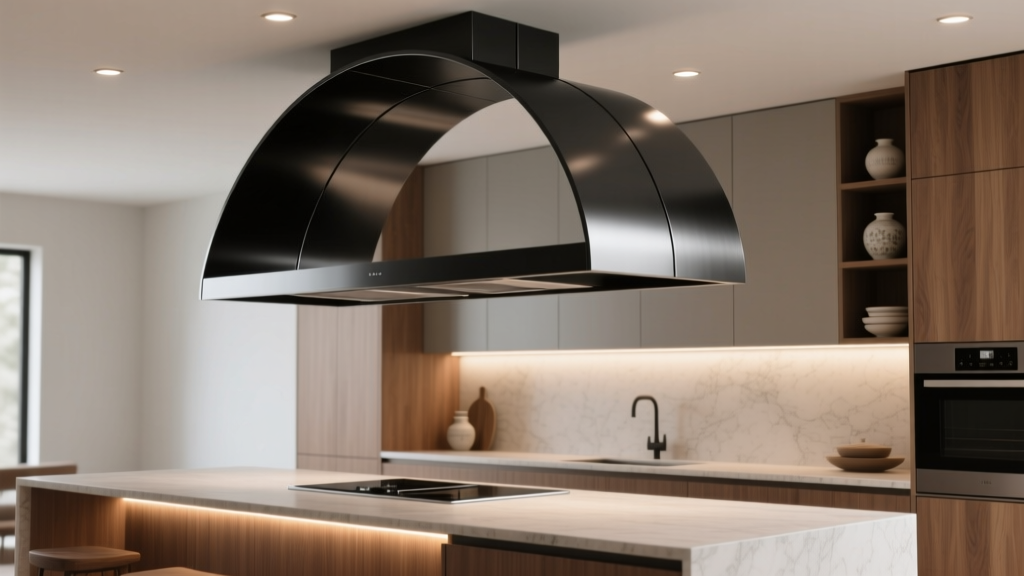 Kitchen Arched Range Hood Design Ideas - The Decor Mag
 Wood for Beginners: A Practical Guide to Choosing, Storing, and Using Hardwood for Smoking and Grilling
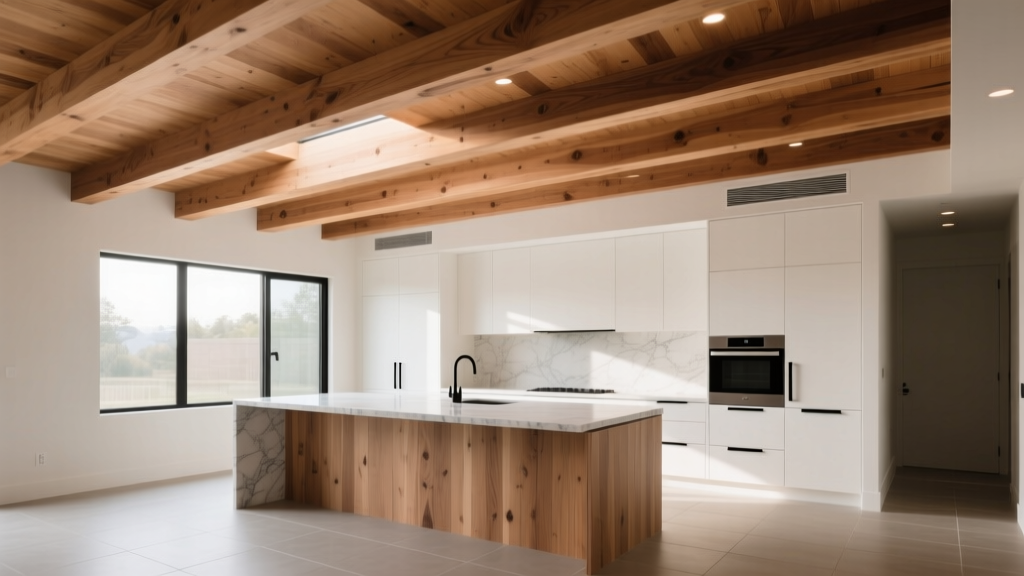 Kitchen Wood Beams Ceiling Design - The Decor Mag